With its ability to cryptographically verify transactions and reserves without revealing private user data, ZK tech is changing the game in the security of crypto exchanges. More and more, platforms are adopting Proof-of-Reserves and zero-knowledge systems to foster trust and transparency in the trading of digital assets.
ZK Proof Exchanges for Verifiable Asset Audits allows users to verify for themselves that funds are backed, mitigating abuse, while driving privacy, accountability, and scalability in both centralized and decentralized trading.
Key Point
| Exchange / Platform | Key Point (ZK / Verifiable Audit Feature) |
|---|---|
| Binance | Uses Proof-of-Reserves (Merkle Tree audits) to verify user asset backing |
| Kraken | Publishes audited Proof-of-Reserves with cryptographic verification reports |
| OKX | Implements PoR with Merkle proofs for transparent asset verification |
| Bybit | Provides Proof-of-Reserves dashboards for user fund transparency |
| Gate.io | Offers regularly updated PoR snapshots for reserve verification |
| KuCoin | Uses Merkle-tree based PoR reporting for asset audit transparency |
| dYdX | Decentralized exchange using zk-rollup architecture for scalable, verifiable trading |
| Loopring | zkRollup-based DEX enabling off-chain computation with on-chain verification |
| SyncSwap (zkSync Era) | Layer-2 DEX leveraging zk-rollups for transaction validity proofs |
| JediSwap (Starknet) | AMM on Starknet using ZK-STARK validity proofs for transaction execution |
1. Binance – ZK Proof Exchanges for Verifiable Asset Audits
Through cryptographic Merkle Tree verification, Binance utilizes Proof-of-Reserves (PoR), enabling users to verify their assets are fully backed 1:1. This PoR offers users the ability to perform on-chain checks to confirm the balance of their accounts. This increases transparency while adhering to ZK-inspired privacy.
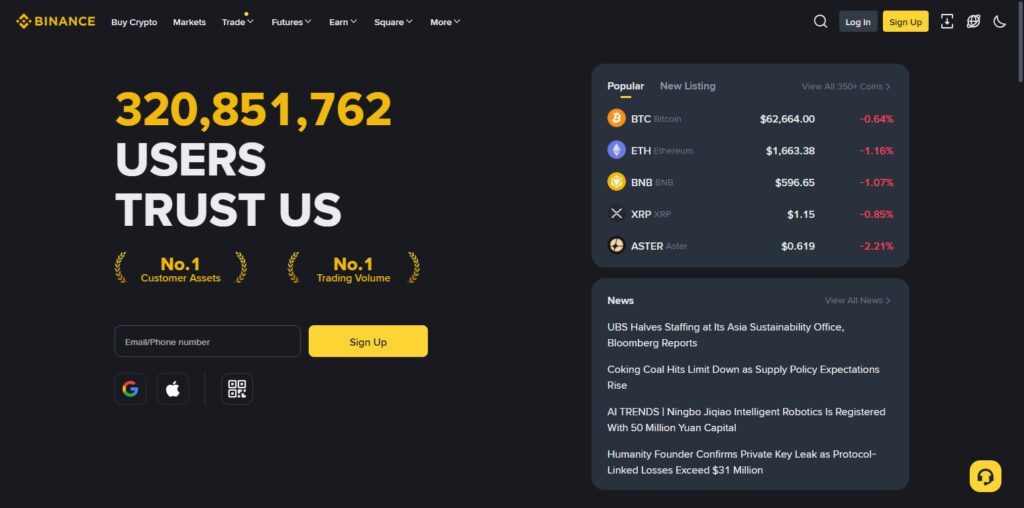
Being one of the largest exchanges worldwide, Binance has improved the auditability of their PoR reports via wallet snaps posted on the exchange. Even though Binance is not a ZK-rollup exchange, its verifiable reserve structure is an excellent way to assure users that their assets are backed.

| Parameter | Details |
|---|---|
| Trust Model | Centralized exchange with Merkle-tree based reserve commitments |
| Verification Method | Proof-of-Reserves (PoR) via snapshot + Merkle proof verification |
| User Verification Ability | Users can verify inclusion of funds in reserve tree |
| Transparency Level | High (but not fully real-time) |
| Custody Type | Custodial (CEX-controlled wallets) |
| Cost per Audit | High operational audit + periodic third-party verification costs |
2. Kraken – ZK Proof Exchanges for Verifiable Asset Audits
Through cryptographic proofs, users of Kraken’s audited Proof-of-Reserves (PoR) can verify their asset holdings. This PoR system allows users to confirm that their balances are included in the exchange reserve without disclosing sensitive account information.
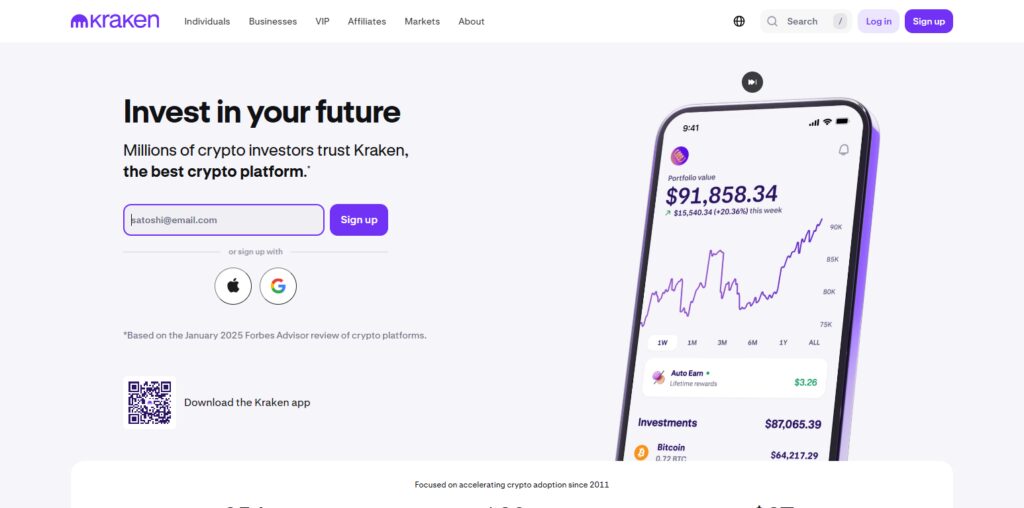
In the exchange industry, there is perhaps no stronger reputation for being regulatorily compliant and ready for audits than Kraken. Kraken’s Proof of Reserves is audited and certified by independent auditors and is updated to reflect the cryptographic proofs of customer funds.
| Parameter | Details |
|---|---|
| Trust Model | Regulated exchange with independent audit-backed PoR |
| Verification Method | Cryptographic attestation + external audit confirmation |
| User Verification Ability | Strong (users verify audit inclusion via proof hashes) |
| Transparency Level | Very High (regulated disclosure standard) |
| Custody Type | Fully custodial with segregated reserves |
| Cost per Audit | High due to external audit firms & compliance checks |
3. OKX – ZK Proof Exchanges for Verifiable Asset Audits
Users of the OKX exchange can verify via the exchange’s Merkle Tree Proof-of-Reserves System that their assets are fully backed. This cryptographic structure increases transparency while validating the privacy of the user, and verification is done via a zero-knowledge stipulation.
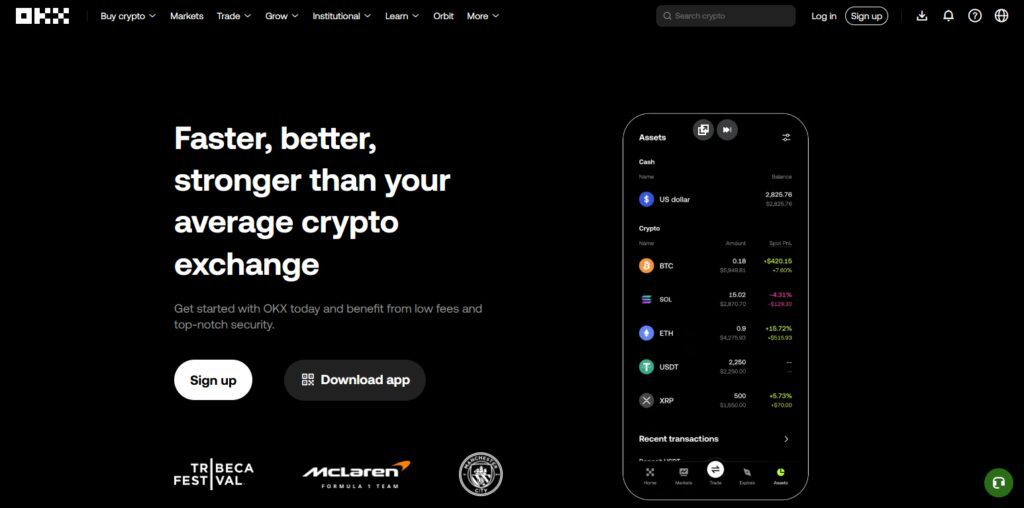
OKX regularly shares data on reserve ratios and wallets, enabling the public to check the solvency of the funds. The exchange ensures transparency by incorporating sophisticated auditing tools on the blockchain. This makes OKX one of the most advanced exchanges for Proof of Reserves (PoR).
| Parameter | Details |
|---|---|
| Trust Model | Hybrid transparency exchange with blockchain audit layer |
| Verification Method | Merkle-tree snapshot + on-chain reserve publishing |
| User Verification Ability | Moderate-to-High (wallet inclusion verification supported) |
| Transparency Level | High |
| Custody Type | Custodial exchange wallets |
| Cost per Audit | Medium (automated + periodic manual audits) |
4. Bybit – ZK Proof Exchanges for Verifiable Asset Audits
Bybit’s Proof of Reserves dashboard lets users check the backing of assets through a cryptographic proof system. Customer deposits are fully backed and accounted for through a strutted superimposition of Merkle trees.
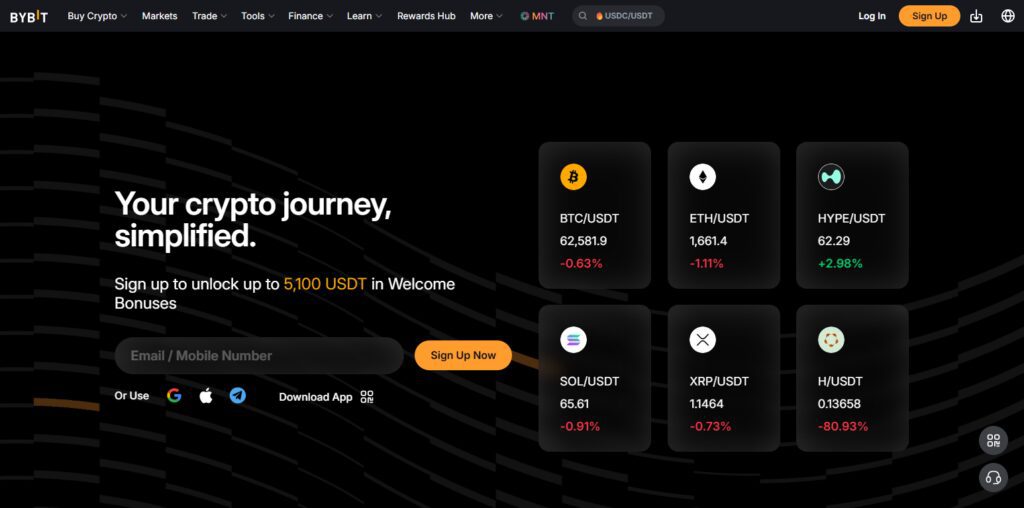
The exchange builds confidence by posting reserve updates and allowing third-party audits. Bybit’s system, although not a complete ZK-rollup system, adds to the accountability and reduces the opacity of a centralized system of asset management.
| Parameter | Details |
|---|---|
| Trust Model | Centralized liquidity exchange with PoR dashboards |
| Verification Method | Periodic snapshot + Merkle root publishing |
| User Verification Ability | Medium (dashboard-based verification) |
| Transparency Level | Medium-High |
| Custody Type | Custodial |
| Cost per Audit | Medium (internal + third-party audits periodically) |
5. Gate.io – ZK Proof Exchanges for Verifiable Asset Audits
Gate.io offers periodic Proof of Reserves reports that let users check assets held by the exchange through proof via a cryptographic hashing system. This allows Gate.io to show backing of assets through Proof of Reserves while keeping the underlying user data safe.
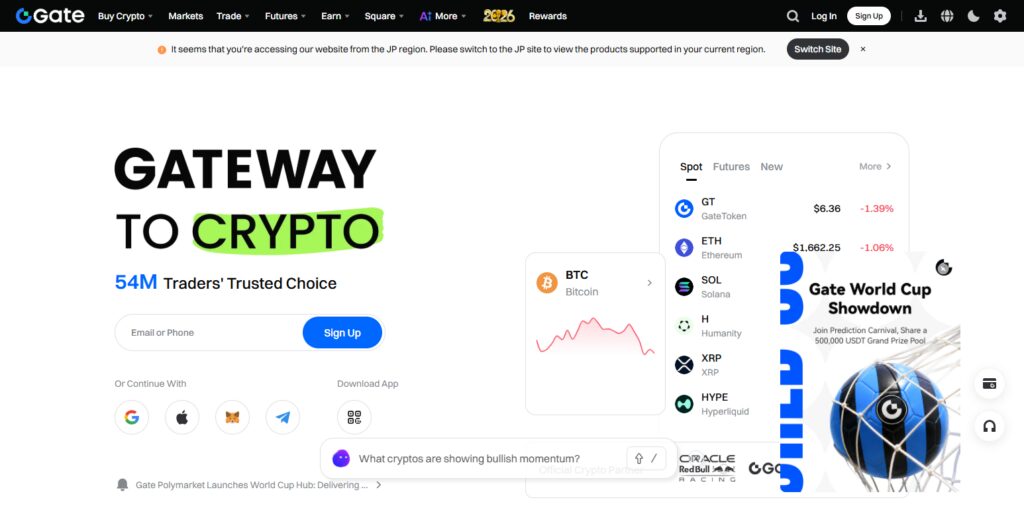
The exchange system of evaluation through time-lapse verification claims that Gate.io is solvent and reserves are intact. The PoR system builds user trust, as backed funds are constantly audited via a cryptographic proof system.
| Parameter | Details |
|---|---|
| Trust Model | Reserve transparency exchange with scheduled audits |
| Verification Method | Snapshot reserve reporting + hash-based validation |
| User Verification Ability | Limited-to-Medium |
| Transparency Level | Medium |
| Custody Type | Custodial |
| Cost per Audit | Medium-Low (less frequent external audits) |
6. KuCoin – ZK Proof Exchanges for Verifiable Asset Audits
KuCoin employs Merkle Tree Proof of Reserves to verify that user funds are fully backed by exchange-held assets.
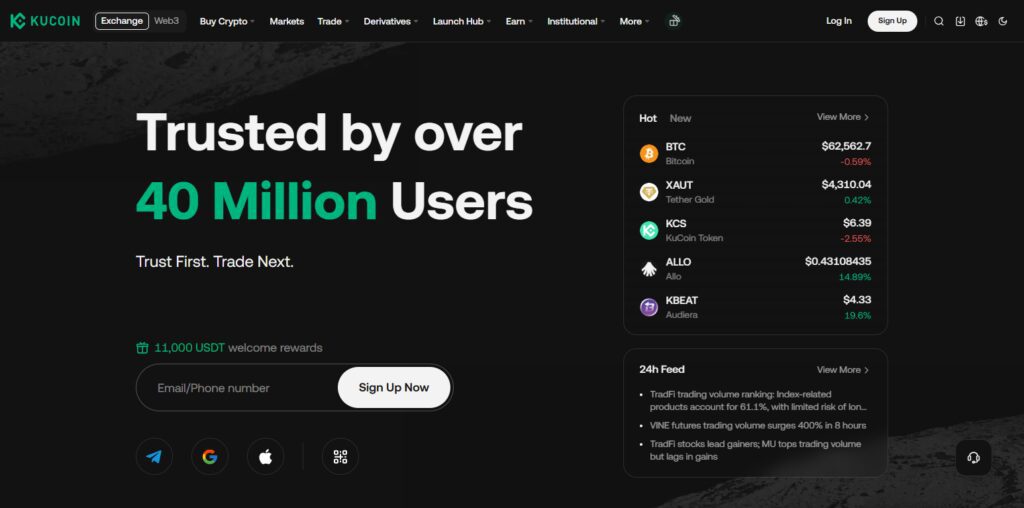
The exchange issues periodic audits and discloses reserves as part of their commitment to responsible asset management. KuCoin’s PoR implementation addresses systemic risk and bolsters trust concerning its custodial services.
| Parameter | Details |
|---|---|
| Trust Model | Exchange with aggregated PoR reporting model |
| Verification Method | Merkle aggregation + reserve ratio disclosure |
| User Verification Ability | Medium |
| Transparency Level | Medium |
| Custody Type | Custodial |
| Cost per Audit | Medium (internal verification heavy) |
7. dYdX – ZK Proof Exchanges for Verifiable Asset Audits
dYdX is a decentralized exchange built on zk-rollup technology. This design enables efficient trading that is both scalable and verifiable. Zero-knowledge proofs confirm that a transaction has been processed.
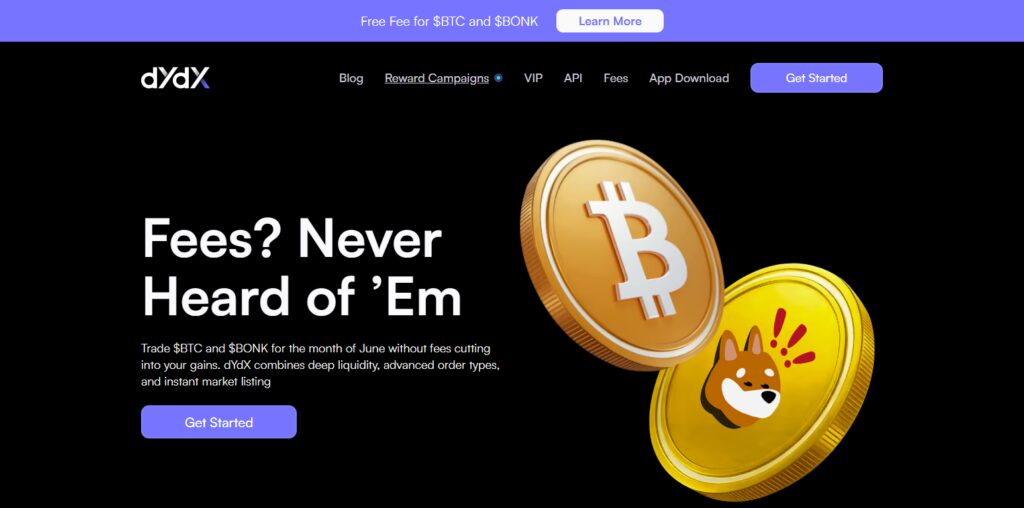
dYdX’s design combines low transaction fees with the ability to completely verify the system. Whereas a centralized exchange requires a user to trust that a reserve of assets is held, dYdX uses a mathematical proof system. This offers a completely trust-minimized trading environment.
| Parameter | Details |
|---|---|
| Trust Model | Fully decentralized zk-rollup exchange |
| Verification Method | Zero-knowledge rollup validity proofs (on-chain settlement) |
| User Verification Ability | Very High (fully verifiable state transitions) |
| Transparency Level | Very High |
| Custody Type | Non-custodial |
| Cost per Audit | Low per transaction (cryptographic verification replaces audits) |
8. Loopring – ZK Proof Exchanges for Verifiable Asset Audits
Using zkRollup technology, Loopring processes multiple transactions off-chain and submits a proof of the transactions on-chain to Ethereum. All trades are verified with cryptographic proof without disclosing verifiable user data.
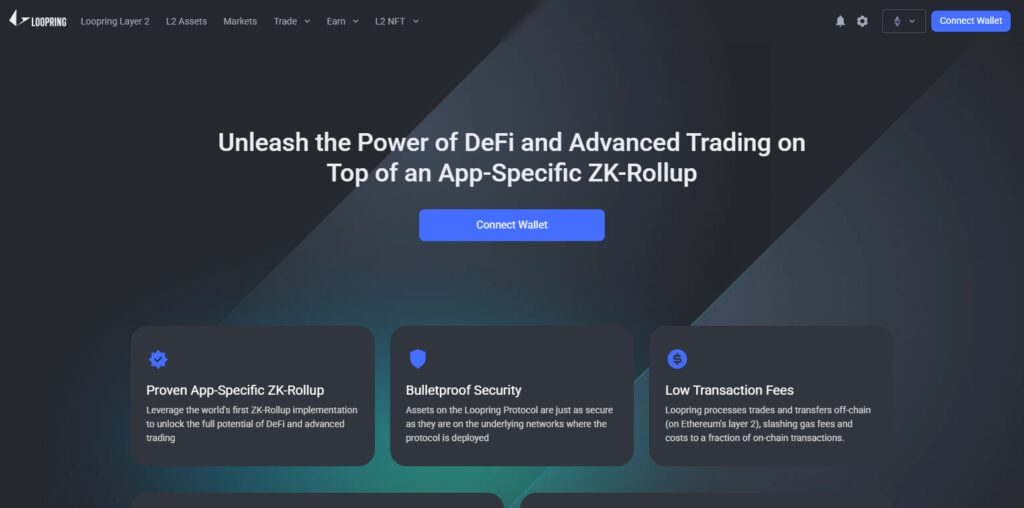
The platform utilizes zero-knowledge proofs to provide full transparency and security and scale efficiently. Like dYdX, Loopring offers the ability to verify an entire system without the need for centralized custody.
| Parameter | Details |
|---|---|
| Trust Model | Ethereum L2 zk-rollup exchange protocol |
| Verification Method | zk-SNARK based batch proof submission |
| User Verification Ability | Very High |
| Transparency Level | Very High |
| Custody Type | Non-custodial smart contracts |
| Cost per Audit | Very Low (automated zk proof validation) |
9. SyncSwap – ZK Proof Exchanges for Verifiable Asset Audits
SyncSwap utilizes zkSync Era with zk-rollups for rapid, cheap, and verifiable transactions. Zero-knowledge proofs confirm that each trade has been processed and are submitted to Ethereum for settlement.
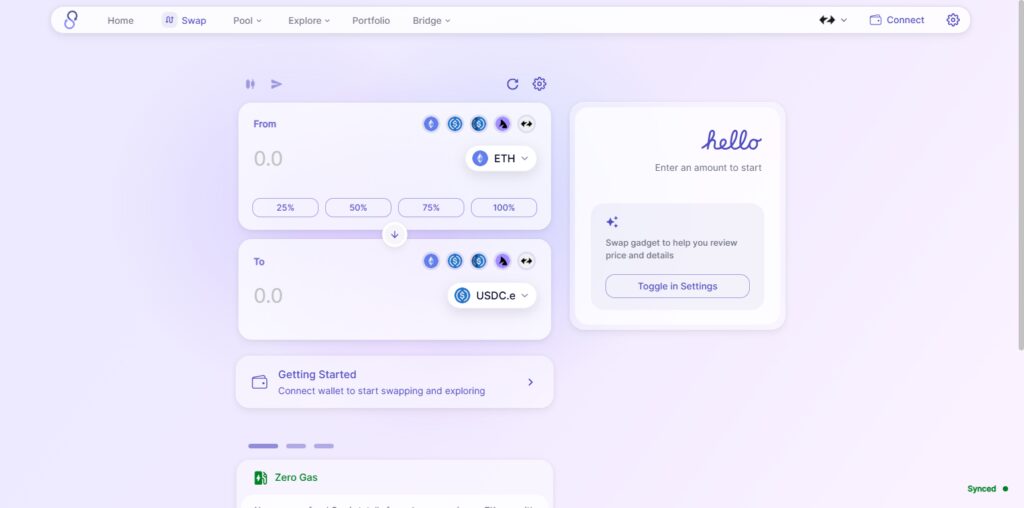
The design maximizes scalability while providing trustless verification. Users enjoy the benefits of low fees coupled with high system security because of the cryptographic proof systems, which verify all transactions as true rather than a centralized authority.
| Parameter | Details |
|---|---|
| Trust Model | zkSync-based AMM decentralized exchange |
| Verification Method | zk-rollup transaction validity proofs |
| User Verification Ability | High (on-chain verification possible) |
| Transparency Level | High |
| Custody Type | Non-custodial |
| Cost per Audit | Very Low (protocol-level zk verification) |
10. JediSwap – ZK Proof Exchanges for Verifiable Asset Audits
Built on Starknet, JediSwap is a decentralized exchange that provides proof of transaction validation with the use of ZK-STARK proofs. This guarantees each liquidity action and swap is verified and proven correct.
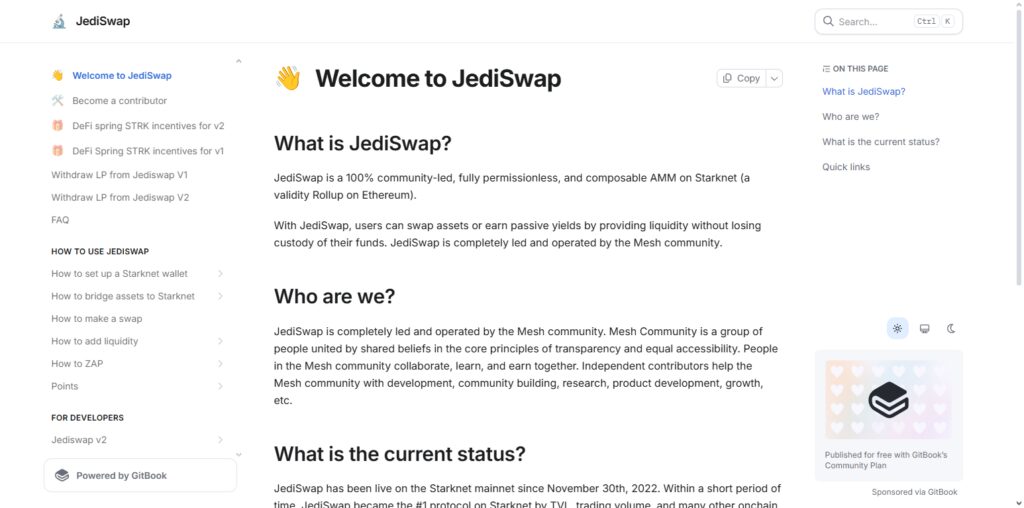
Through the use of ZK-STARK based proofs of validity, JediSwap focuses on providing an experience where decentralized trading occurs without the necessity of an intermediary. JediSwap guarantees the safety of each transaction by allowing complete control to the user.
| Parameter | Details |
|---|---|
| Trust Model | Starknet-native AMM with validity-proof execution |
| Verification Method | zk-STARK proofs for state transitions |
| User Verification Ability | Very High |
| Transparency Level | Very High |
| Custody Type | Non-custodial |
| Cost per Audit | Very Low (STARK proofs replace traditional audits) |
How ZK Proof Technology Enhances Exchange Security?
Verification Without Data Exposure With ZK proofs, exchanges can examine transactions and balances while keeping user data safe. This means highly private data can still be verified.
Irrefutable Transaction Proof Since every transaction is proven mathematically, records on the chain can be neither altered nor proven otherwise.
Trustless Verification Frauds and funds mismanagement can be avoided since users can verify the existence of funds without having to trust the exchange.
On-Chain Integrity Verification zk-STARKs and zk-rollups deliver validity proofs and bundle the transactions on the chain to ensure data is verified in the cryptographic sense.
Less Reliance on Manual Audits The need for manual audits is greatly diminished as the automated proofs of cryptography take the place of traditional audits, reducing the opportunity to tamper.
Security and Scalability ZK systems retain secure on-chain finality while processing large lots of transactions off the chain.
No Trust Technology Users are free to verify, and therefore, do not have to trust the exchange when cryptographic proofs of zero-knowledge are provided.
Key Benefits of ZK Proof Exchanges
Transaction Privacy and Transparency With ZK Proof Exchanges, transactions can be verified without revealing sensitive information about users or wallets.
Proof-of-Reserve Users can now trust that the reserves of an exchange back the user funds, as they can verify the backs of the exchange hold the funds.
Fraud & Manipulation Minimization Because of the nature of ZK Proofs, it is near impossible for exchanges to tamper with balances or alter records.
User Verification Users do not have to trust what the exchange says if they can verify with Zero Knowledge Proofs that the exchange is operating with integrity.
Scalability and Performance zk-rollups allow an exchange to batch verify transactions off-chain with on-chain security.
Reduced Need for Auditing & Compliance zk-Proofs lessen the dependency on slow, expensive, and manual audits.
Increased Confidence for Institutions and Users Privacy-centric, yet transparent systems allow users to trust the system, and therefore will likely adopt the system.
Conclusion
ZK Proof exchanges are a groundbreaking development in security and transparency. Trust-based systems are being replaced with verification via zk proofs. The trend observed in both centralized exchanges (using Proof-of-Reserves) and zk rollup platforms shows that users will no longer have to rely on presumptions; they will be able to verify, on their own, the backing of their assets as well as the validity of the transactions.
Centralized exchanges such as Binance, Kraken, and OKX implement Merkle-tree based reserve audits. On the other hand, decentralized exchanges such as dYdX, Loopring, and SyncSwap achieve on-chain completeness using zk-STARK proofs in a privacy-preserving manner. This provides a combination of privacy, scalability, and verifiability, all of which contribute to decreasing the possibility of fraud and protecting users’ funds.
Trust is progressively being substituted by mathematics, and with that, zk proof technology is creating a more transparent and secure financial system.
FAQ
What are ZK Proof exchanges?
ZK Proof exchanges are crypto trading platforms that use zero-knowledge cryptography or Proof-of-Reserves systems to verify transactions and asset holdings without exposing sensitive user data.
How do ZK proofs improve exchange security?
They improve security by enabling mathematical validation of transactions and reserves, ensuring that funds and trades are genuine without relying on blind trust in the exchange.
What is the difference between Proof-of-Reserves and ZK rollups?
Proof-of-Reserves (PoR) verifies asset backing in centralized exchanges, while zk-rollups validate entire transactions on-chain using cryptographic proofs in decentralized systems.
Which exchanges use ZK or PoR technology?
Centralized exchanges like Binance, Kraken, OKX, Bybit, Gate.io, and KuCoin use Proof-of-Reserves, while dYdX, Loopring, SyncSwap, and JediSwap use zk-rollup or zk-STARK-based systems.
Are ZK Proof exchanges fully decentralized?
Not always. Some are centralized with PoR audits, while others like dYdX and Loopring are fully decentralized zk-rollup based exchanges.