The Top Crypto Stablecoin Infrastructure Providers that facilitate safe, legal, and scalable stablecoin issuance, custody, payments, and settlement will be covered in this post.
These platforms are essential in connecting blockchain technology with traditional banking, enabling companies to effectively use stablecoins for treasury management, cross-border payments, and digital financial processes.
Why Use Crypto Stablecoin Infrastructure Providers
Speedier International Payments: Based on streamlining cross-border payments over the blockchain, systems integrated with Stablecoin Infrastructure Providers greatly reduce the processing times, settlement delays, and overall transfer times as compared to traditional systems utilized by banks such as SWIFT.
Reduced Costs of Transactions: Providers of Stablecoin Infrastructure remove multiple, unnecessary intermediaries in cross-border payments, settling as well as in international merchant transactions and as a consequence, they reduce costs of transactions, operational costs, as well as costs of foreign exchange.

Regulatory and Compliance Assistance: The best providers offer KYC, AML, and other Transaction Monitoring and Reporting regulatory functions, allowing businesses to manage global regulatory requirements without the operational headache.
Unmatched Security: Institution-grade SPCC wallets, cold storage, and other layered controls ensure that the underlying stablecoins of the assets remain secure.
Fiat Off-Ramp and On-Ramp: Providers of Blockchain Based Stablecoin Infrastructure link the traditional and blockchain without difficulty allowing the seamless flowing of stablecoins from the treasury to payments.
Payment Infrastructure that is Fully Scalable: Stablecoin Infrastructure is designed for high-frequency transactions and is therefore ideal for marketplaces, global corporations, and FinTech’s.
Management of Treasury and Liquidity: With treasury systems built on stablecoins, businesses are able to streamline cash flow, manage liquidity in real-time, and reduce the amount of capital that is stagnant.
Key Point & Best Crypto Stablecoin Infrastructure Providers List
| Platform / Infrastructure | Key Points |
|---|---|
| Circle (USDC) | Issuer of USDC stablecoin; provides APIs for fiat-to-crypto conversion and secure on-chain transfers; widely integrated across exchanges and DeFi. |
| Stripe (Bridge) | Payment infrastructure enabling fiat-to-crypto on/off ramps; connects traditional payment rails with crypto ecosystems. |
| Fireblocks | Institutional-grade custody and transfer platform; offers secure wallets, MPC technology, and operational controls for crypto assets. |
| BVNK | Digital asset banking infrastructure; provides custody, treasury, and execution services for crypto-native businesses and institutions. |
| Paxos (USDP, BUSD infrastructure) | Issuer of stablecoins (USDP, BUSD); ensures compliance, regulated minting/redemption, and secure settlement on blockchain rails. |
| Stellar (Soroban + USDC rails) | Blockchain network with smart contract platform Soroban; supports fast, low-cost USDC transactions and tokenization of assets. |
| MakerDAO (DAI) | Decentralized stablecoin protocol; DAI is collateral-backed, enabling decentralized lending, borrowing, and programmable finance. |
| Anchorage Digital | Regulated institutional custodian; offers secure storage, staking, and access to DeFi protocols for enterprises. |
| Copper ClearLoop | Enterprise crypto treasury and settlement infrastructure; combines custody, clearing, and transfer solutions for institutions. |
| PayPal (PYUSD infrastructure) | Fiat-to-crypto bridge and stablecoin infrastructure (PYUSD); integrates digital dollars into payments, wallets, and merchant services. |
1. Circle (USDC)
A competitive ally in the marketplace, Circle is considered the best of the best in stablecoin infrastructure. This is due to the full functioning coin that they oversee, the Circle USD, fully backed and regulated within the framework of a legitimate stablecoin. Used widely in global payments, DeFi, and institutional settlements.
Circle’s tokens (circle CTT) can be minted, redeemed, and managed with treasury functions, and via cell Circle CCTP, global payments can be disbursed in a matter of seconds. Circle has stablecoin reserves in the order of USD. Circle is released the best crypto stablecoin infrastructure and fastest compliant digital funding.
Circle (USDC) Features, Pros & Cons
Features
- Manage the unified stablecoin with complete control, USDC.
- Support for multiple blockchains (Ethereum, Solana, and Stellar).
- Offers a redemption and minting API.
- Provides Cross-chain transfer functionalities.
- Have reserve attestation.
Pros
- Widespread usage and accessibility.
- Highly-regarded and strong regulatory adherence.
- Complete and clean audit trails.
- Excellent developer tools for corporations.
- Quick closure of any transaction.
Cons
- USDC has centralized control.
- Regarded as reserve model risk dependency for regulated assets.
- Institutional API comes with charges.
- Chances of regulatory scrutiny.
- Less open compared to the purely DeFi options.
2. Stripe (Bridge)
Bridge, Stripe’s latest acquisition, is the first bitcoin payments and treasury service. With Bridge, businesses can transfer, store, and settle funds in U.S. dollar-pegged stablecoins like USDC, regardless of their blockchain proficiency.
With Bridge, Stripe allows businesses to convert fiat money to stablecoins, manage global payouts, and unlock a global payments network with lower fees and faster settlement times. This presents Stripe (and Bridge) as the best stablecoin crypto infrastructure provider. As one of the most regulated crypto companies with global operations, Bridge can effectively and seamlessly enable businesses to adopt stablecoins.
Stripe (Bridge) Features, Pros & Cons
Features
- Settlement and payment infrastructure for stablecoins.
- Offers fiat to crypto and crypto to fiat.
- Provides APIs for Businesses.
- Targets business to business sector.
- Can be used alongside Stripe.
Pros
- Customers can easily integrate their systems with the platform.
- Customers get their payments in a fast and prompt manner.
- Highly respected and reliable payments provider.
- Offers significant savings when it comes to foreign exchange transactions.
- Excellent payments regulatory adherence.
Cons
- Limited blockchain compared with other systems.
- More crypto economic systems are becoming available.
- Not a completely decentralized platform.
- Usage charges are likely to be applicable.
- Usage depends heavily on the adoption of the Stripe ecosystem.
3. Fireblocks
Fireblocks is a major provider of stablecoin crypto infrastructure with a focus on enterprise-grade digital asset infrastructure. This includes the secure custody, transfer, and settlement of stablecoins. Fireblocks employs MPC wallet technologies to help institutions minimize risk while managing significant volumes of USDC, USDT, and other stablecoins.
Fireblocks stands out as a best crypto stablecoin infrastructure provider among banks, exchanges, and payment processors due to additional features like policies, transactions, and DeFi accessibility. Users can move their stable assets among blockchains in a compliant and secure manner, as the platform offers treasury automation, minting of stablecoins, and inter-institution transfers.
Fireblocks Features, Pros & Cons
Features
- Provides custody for institutional stablecoins.
- Compliance and risk management.
- Smart contracts access.
- Treasury automation.
Pros
- Industry-leading security
- Supports multiple stablecoins
- Enterprise administrative capabilities
- Connections with exchanges and DeFi
- Decreased operational risk
Cons
- Smaller companies face higher expenses
- Does not issue stablecoins
- Onboarding is necessary
- Limited payment rail capabilities
- Higher complexity for those less tech savvy
4. BVNK
BVNK’s goal is to provide modern stablecoin payment infrastructure that integrates traditional payment processes with blockchain-based settlements. BVNK enables businesses to accept, hold, convert, and send stablecoins like USDC and USDT, as well as provide fiat on- and off-ramps.
Payment companies, PSPs, and merchants seeking faster international settlement on payments increasingly rely on BVNK. BVNK is a best crypto stablecoin infrastructure provider as it merges banking, compliance, and blockchain on a single platform, making the management of stablecoin-based treasuries and cross-border payments significantly better and cheaper.
BVNK Features, Pros & Cons
Features
- Crypto payment rail access.
- Fiat and stablecoin conversions.
- Treasury and settlement management.
- Merchant payment processing.
- Compliance tracking.
Pros
- Good compliance and onboarding
- Created for payment service providers and fintech
- Integration for payments
- Good settlement speed
- Easy API
Cons
- Less established infrastructure
- Limited partnerships
- Not completely decentralized
- Third-party custody may be required
- Smaller ecosystem
5. Paxos (USDP, BUSD infrastructure)
Paxos is a blockchain infrastructure provider that is regulated and issuers Pax Dollar (USDP) and, formerly, the Binance USD (BUSD) infrastructure. Paxos issues stablecoins, custodies, settles, and tokenizes assets under regulation.

It enables companies to issue custom stablecoins, fully collateralized with bank deposits and U.S. Treasury securities. Paxos is compliance and transparent of the ecosystem, and is seen as a trustable partner for fintech and financial companies for stablecoin issuances, making Paxos best crypto stablecoin infrastructure provider.
Paxos Features, Pros & Cons
Features
- Issuing regulated stablecoins.
- Tokenization services
- Custody and settlement services.
- Compliance reserve audits
- Holds regulatory licenses
Pros
- Many partnerships and oversight
- Trust is easily generated
- USDP is widely accepted
- Good audit standards
- Reserves are well managed
Cons
- Lack of decentralization
- Risk of regulatory scrutiny
- Risk of higher compliance costs
- Limited solely to supported chains.
- Cannot be fully open-sourced.
6. Stellar (Soroban + USDC rails)
Stellar is a blockchain network designed for UCC payments as it is cheaper and quicker than competitors. UCC is also issued on Stellar which increases worldwide remittance and settlement availability.
Stellar’s infrastructure also allows on-chain compliance and issuance of assets. Stellar is a great example of stablecoin infrastructure which many payment companies and NGOs have adopted. Stellar’s Soroban helps in programming stable coins for specific defi needs and enterprise use as stable coins USDC is used in many cross-border payment use cases.
Stellar (Soroban + USDC rails) Features, Pros & Cons
Features
- Fee payments blockchain (low-cost).
- USDC rails are managed and USD based.
- Smart contracts with Soroban.
- Anchor-based integration with fiat.
- Has a cross-border focus.
Pros
- Transactions are very cheap.
- Settlement is fast.
- Has a strong focus on payments.
- Ecosystem growth with developers.
- Strong in remittance services.
Cons
- Smaller in the DeFi ecosystem.
- Soroban is less mature compared to others.
- Less liquidity than Ethereum.
- Less native enterprise tools compared to others.
- Anchor’s reliance on stablecoin issuance.
7. MakerDAO (DAI)
The decentralized mechanism that powers DAI, a stablecoin backed by cryptocurrency and tied to the US dollar, is called MakerDAO. DAI is produced by overcollateralized positions using both real-world and cryptocurrency assets, in contrast to fiat-backed stablecoins.

MakerDAO offers on-chain infrastructure for stability, governance, and minting. DAI is an essential part of DeFi lending, payments, and treasury management as MakerDAO, the top provider of crypto stablecoin infrastructure, permits permissionless access to decentralized dollars. Its decentralized architecture and open governance set it apart from centralized stablecoin producers.
MakerDAO (DAI) Features, Pros & Cons
Features
- Has decentralized stablecoin (DAI).
- Has a collateralized on-chain model.
- Has on-chain governance.
- DeFi is integrated.
- Autonomous with smart contracts.
Pros
- Fully decentralized with no permission.
- Has large DeFi integrations.
- There is transparency with open governance.
- No reliance on fiat reserves.
- There is no single collateral type.
Cons
- Peg risk when under market stress.
- Less alignment with the regulations.
- Technical on the side of enterprises.
- There are collateral requirements.
- Smart contract risks.
8. Anchorage Digital
Anchorage Digital is one of the few federally chartered digital asset banks, providing institutional-grade custody. Anchorage offers the storage, settlement, staking, and governance of stablecoins like USDC. Anchorage Digital helps enterprises control stablecoin treasuries that include compliance, reporting, and risk management.
As the best crypto stablecoin infrastructure provider, Anchorage is highly sought by asset managers, banks, and fintechs for custody and operational security. Unlike other banks, they are chartered and are thus able to connect the traditional world of finance with stablecoin finance.
Anchorage Digital Features, Pros & Cons
Features
- Has a digital asset bank that is regulated.
- Offers stablecoin custody services.
- Has institutional reporting and compliance.
- Can participate in governance and staking.
- Has API integrations.
Pros
- Has a federally chartered trust.
- High trust is given for institutions.
- Strong compliance with rules.
- Unified systems.
- Reporting and risk tools.
Cons:
- No stablecoin issuance.
- Costs incurred.
- Model is custodial.
- Required KYC policies mean less privacy.
- Thin documentation.
9. Copper ClearLoop
Copper ClearLoop is an institutional settlement network formed to minimize counterparty risk associated with trading digital assets, stablecoins, and otherwise. While assets are collected and secured within Copper’s custody, they retain the ability to be settled off the exchange. ClearLoop facilitates the rapid transfer of stablecoins to and from different exchanges without the risk of an insolvency trap.
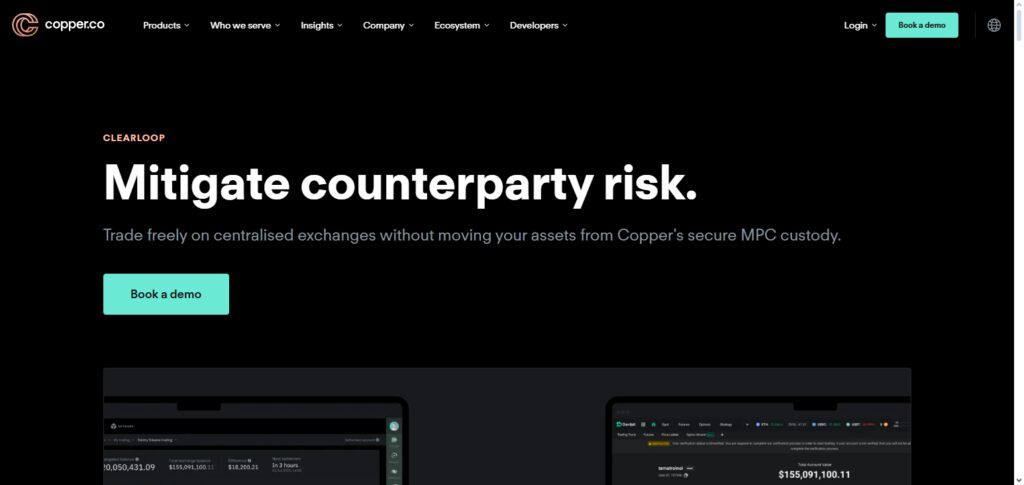
As the best crypto stablecoin infrastructure provider, Copper is highly regarded by institutional traders and liquidity providers that seek to optimize the efficient use of their capital. They facilitate quick settlement and retain security over their assets when trading with stablecoins and when their assets are used as collateral.
Copper ClearLoop Features, Pros & Cons
Features
- Settlement network.
- Reduced counterparty risk.
- Inst. settlement for stablecoin.
- Matching active orders.
Pros:
- Settlement risk is low.
- Efficient use of capital.
- Trades are executed faster.
- Integrates with custodial services.
- Good for institutions.
Cons:
- Very niche use case.
- Limited payment functionalities.
- Additional network participants are required.
- Not suited for general payment use.
- Does not issue stablecoins.
10. PayPal (PYUSD infrastructure)
PayPal’s stablecoin Payments are powered by PYUSD, a USD backed stablecoin issued on Ethereum. Users and merchants buy, hold, send and spend PYUSD within PayPal’s global payments ecosystem.

This serves as a bridge between traditional digital and blockchain-based settlement. As a best crypto stablecoin infrastructure provider, PayPal’s scale and compliance, coupled with its merchant network, enhance optimal pygUSD adoption. Payments, transfers, and other Web3 integrations. Daily payments and business transfers for stablecoins democratized.
PayPal Features, Pros & Cons
Features
- Holds and issues PYUSD.
- Part of the PayPal System.
- Enables the use of fiat.
- Access to Merchant network.
- Blockchain settlement on Ethereum.
Pros:
- Huge user base globally.
- Very intuitive interface.
- Built-in compliance.
- Interaction with fiat is simple.
- Received by many.
Cons:
- Very centralised.
- Limited access to DeFi.
- Only works within the PayPal System.
- Possible usage fees.
- Limited support for multiple blockchains.
Conclusion
In order to connect traditional finance with blockchain-based payments, settlements, and treasury operations, the top crypto stablecoin infrastructure providers are essential.
While infrastructure leaders like Fireblocks, Anchorage Digital, Copper, and BVNK provide safe custody, compliance, and quick settlement, platforms like Circle, Paxos, PayPal, and MakerDAO provide reliable stablecoin issuance.
In the meanwhile, scalable rails and developer-friendly tools enable networks like Stellar and payment facilitators like Stripe (Bridge) to increase real-world usage. Stablecoins are a core layer for the future of global digital banking because these providers work together to provide speedier cross-border payments, cheaper transaction costs, and innovation that is in line with regulations.
FAQ
What are crypto stablecoin infrastructure providers?
Crypto stablecoin infrastructure providers are platforms that enable the issuance, custody, transfer, settlement, and compliance of stablecoins. They offer APIs, wallets, payment rails, treasury tools, and regulatory controls that help businesses use stablecoins like USDC, DAI, PYUSD, and USDP securely and efficiently.
Why are stablecoin infrastructure providers important?
These providers bridge traditional finance and blockchain networks by enabling fast, low-cost, and compliant digital dollar transactions. They support cross-border payments, liquidity management, DeFi access, and enterprise-grade security, making stablecoins practical for real-world financial use cases.
Which are the best crypto stablecoin infrastructure providers?
Leading providers include Circle, Paxos, Fireblocks, Stripe (Bridge), BVNK, Stellar, MakerDAO, Anchorage Digital, Copper ClearLoop, and PayPal. Each specializes in different areas such as issuance, custody, payments, settlement, or decentralized stablecoin systems.
How do stablecoin infrastructure providers ensure compliance?
Most providers integrate KYC, AML, transaction monitoring, and reporting tools. Regulated platforms like Circle, Paxos, Anchorage Digital, and PayPal follow strict financial regulations, conduct reserve attestations, and work closely with regulators to ensure legal compliance.
What is the difference between centralized and decentralized stablecoin infrastructure?
Centralized infrastructure providers manage fiat-backed stablecoins with regulated custody and reserves, such as USDC and PYUSD. Decentralized providers like MakerDAO issue stablecoins (DAI) through smart contracts and on-chain governance without relying on a central issuer.