

I’ll talk about the Ethereum Fusaka Upgrade in this post and how it represents a significant shift in the network’s cost and scalability.
The update seeks to fortify Ethereum’s ecosystem, remove Layer 2 gas taxes, and increase transaction efficiency. We’ll look at its technical modifications, advantages, difficulties, and long-term effects on consumers and developers.
What is Layer 2 Solutions on Ethereum?
Secondary protocols known as Layer 2 solutions are constructed on top of the primary Ethereum blockchain (Layer 1) with the goal of increasing scalability, speed, and lowering transaction costs.
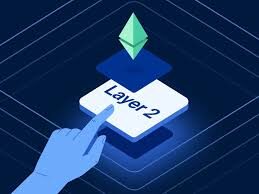
Ethereum’s Layer 1 guarantees decentralization and security, but it frequently suffers from expensive gas prices and sluggish processing when the network is congested. Optimistic rollups and ZK-rollups are examples of Layer 2 systems that manage transactions off the main chain before settling them back on Layer 1.

This makes decentralized apps (dApps) and DeFi platforms more widely available by enabling users and developers to carry out transactions more quickly and affordably without jeopardizing Ethereum’s fundamental security.
Gas Fees Overview
Users of Ethereum must pay gas fees in order to perform transactions on the blockchain. The network’s validators must perform computational work for each operation, whether it be sending Ethereum, engaging with a smart contract, or running a decentralized application.
The intricacy of the transaction and the current network demand are taken into account when calculating gas fees. Fees might increase dramatically when Ethereum is crowded, making frequent or tiny transactions costly.
By processing transactions off the main chain, Layer 2 solutions were offered to lower these costs; however, users continued to incur residual fees until upgrades like Fusaka. In essence, gas fees serve as a way to prioritize network transactions in addition to paying miners and validators.
The Fusaka Upgrade Explained
Protocol-Level Optimizations
Ethereum will refine the core processing of its transactions and will be able to reduce the amount of processing power needed for each transaction.
Layer 2 Updating
This update will optimize roll-up integration and let transactions be processed for no additional fees.
Gas Fee Overhaul
Fusion will be changing the gas fee calculation system as well as the way gas fees are distributed. This will make Layer 2 gas fees non-existent.
Increased Network Capacity
This will make the Ethereum network able to process more transactions at a time. This will reduce the amount of network congestion and improve the speed of the network.
Improved Network Security
This upgrade will allow Ethereum to keep its decentralization & its validator security. The fees will just be lower.
Increased Developer Efficiency
This upgrade will help developers lower operational costs and build better dApps because of the improved protocols & APIs.
Impact on Ethereum Ecosystem
Developers
dApp deployment is made easier, and operational costs are also lowered as there are no Layer 2 gas fees.
Users
The user experience is improved as faster and cheaper transactions are possible.
DeFi Platforms
Activity is boosted as microtransactions and small trade become possible.
Layer 2 Ecosystem
Rollups are more cost-effective, so integration and growth in this ecosystem is encouraged.
Network Scalability
More transactions can occur with less congestion in Ethereum Layer 1.
Adoption and Innovation
Entry barriers are lowered, fostering the experimentation and innovative usage of Ethereum-based applications.
Challenges and Considerations
Adoption Challenges
Users and developers from existing dApps will need to migrate to newer protocols and then integrate to Fusaka.
Up-to-par Infrastructure
Some Layer 2 solutions will need modifications to be able to use the gasless transactions.
Implementation Bugs
Changes in protocols can lead to unplanned adjustments and/or bugs.
Transition Security Vulnerabilities
Security can be improved, but there will still be vulnerabilities that come from changes.
Impact on Validators
Free transactions may lead to lower incentive structures for validators.
Community Collaboration
Developers, Validators, and Users need to be on the same page for this to be successful.
Future Outlook
An important step toward an Ethereum network that is easier to use and more scalable is the Fusaka Upgrade. It makes decentralized apps, microtransactions, and DeFi platforms more widely available by doing away with Layer 2 gas prices.
Fusaka may eventually establish Ethereum as the top blockchain for high-throughput, reasonably priced transactions while promoting innovation in Layer 2 solutions. Further protocol improvements and developer tools are anticipated to build upon Fusaka’s foundation as the ecosystem adjusts, making Ethereum faster, safer, and easier to use for developers and users everywhere.
Conclusion
An important turning point in the network’s scalability journey is the Ethereum Fusaka Upgrade. It greatly improves user experience and lowers operational obstacles for developers by doing away with Layer 2 gas prices and increasing transaction efficiency.
Fusaka not only improves Ethereum’s standing in the cutthroat blockchain market, but it also speeds up adoption by lowering the barrier to entry and increasing the affordability of decentralized apps. This update creates a solid basis for an Ethereum future that is speedier, more scalable, and driven by innovation as the ecosystem develops further.
FAQ
What is the Ethereum Fusaka Upgrade?
The Fusaka Upgrade is a major Ethereum protocol update aimed at improving scalability and eliminating Layer 2 gas fees through technical optimizations and better rollup integration.
How does Fusaka eliminate Layer 2 gas fees?
Fusaka restructures the fee mechanism and enhances how Layer 2 transactions are processed and settled on Ethereum, reducing or removing additional user-facing gas costs.
Does Fusaka affect Ethereum Layer 1 gas fees?
The primary focus is on Layer 2 costs. However, improved efficiency and throughput may also help reduce congestion on Layer 1 over time.
Will existing dApps need to upgrade?
Some decentralized applications and Layer 2 platforms may need minor updates to fully utilize Fusaka’s features, but most core functionality should remain compatible.
Is the network still secure after removing fees?
Yes. The upgrade is designed to maintain Ethereum’s decentralization and validator incentives while optimizing how fees are structured and distributed.