

This article covers the Best “Forever Battery” Stocks to Buy in 2026. These are the companies that are most likely to lead the way in sustainable technology.
We will cover the solid-state battery innovators like QuantumScape and Solid Power, and also the more-established companies like Tesla, Toyota, and LG Energy Solution.
These companies are a solid investment opportunity for long-lasting, high-performance batteries for electric vehicles, energy storage, and the technology we will use in the future.
Key Point & Best “Forever Battery” Stocks to Buy in 2026
| Company | Why It’s a Forever Battery Stock (Key Role / Edge) |
|---|---|
| QuantumScape | Leader in solid‑state battery development aiming for high energy density & long life. |
| Solid Power | Develops all‑solid‑state battery materials and cells for EVs & energy storage. |
| Tesla | EV & battery innovator pushing new cell formats + long‑life energy tech. |
| Toyota Motor | Investing heavily in solid‑state and next‑gen battery R&D. |
| BYD | Integrated EV maker & battery producer with advanced tech focus. |
| LG Energy Solution | Global battery leader expanding solid‑state & next‑gen cell capacity. |
| Samsung SDI | Major battery maker advancing solid‑state and high‑density tech. |
| Panasonic | Long‑time EV battery supplier working on next‑generation materials. |
| CATL (Contemporary Amperex) | World’s largest battery maker investing in solid‑state & semi‑solid tech. |
| Albemarle | Top lithium producer — key raw material supplier for long‑life battery growth. |
1. QuantumScape
QuantumScape, based in the U.S., develops solid‑state batteries for lithium‑metal batteries anticipated to improve range and endurance significantly over traditional lithium‑ion batteries.

Solid-state batteries will support the automotive and industrial industries with the first mass production scheduled for 2027-28. Despite being pre-commercial and not mass producing batteries, the company recently announced milestones and secured several contracts that support future prediction of the company.
Solid-state implementation and deployment are significant risk factors for the company, but its success will support the company stock substantially.
QuantumScape (QS) Features, Pros & Cons
Features:
- Battery technology using solid-state lithium-metal.
- Cells with no anodes for increased energy density.
- Rapid charging capabilities.
- Bonded with Volkswagen for EV partnerships.
Pros:
- Battery performance projecting to lead the industry.
- Low risk of thermal runaways or of battery ignitions.
- Significant gain potential if production is successful.
- Partnerships with major automotive companies.
Cons:
- No revenue company = financial risk.
- Manufacturing scale up risk.
- No risk technology that is yet to be produced.
- EV market adoption risk.
2. Solid Power
Solid Power reported advancements in 2025 pertaining to the development of sulfide-based solid-state batteries (ASSB) in collaboration with the automotive and energy markets with Samsung SDI and BMW, while a pilot line is to be constructed in 2026.
The company prioritizes the sale of electrolytes and cell designs, which eliminates the need for mass production of the components. Solid Power’s revenue in 2025 was approximately $21.7 million, which improved its finances, and Solid Power focused its 2026 objectives toward commercializing and scaling its pilot line for electrolyte production.
The partnerships Solid Power established are a reflection of its technology, but pre-commercialized status requires a high level of funding for R&D.
Solid Power (SLDP) Features, Pros & Cons
Features:
- Solid-state battery technology using sulfides.
- Collaborations for R&D focused on the automotive industry.
- Energy density is greater than standard lithium-ion batteries.
- Manufacturing processes focused on scalable production.
Pros:
- No liquid electrolyte battery chemistry is safer.
- Backing from Ford and BMW is strong.
- Great potential for adoption of the “Forever Battery”.
- Strong position for the next-generation EV battery market.
Cons:
- Smaller market presence than larger competitors.
- Risk of delayed commercialization.
- Scaling efforts = capital Burn.
- Great technology, poor adoption.
3. Tesla
Tesla has become the largest manufacturer of electric vehicles and is a significant collaborator in the development of battery technology.Tesla is at the forefront of the automotive industry’s transition to electric drivetrains.
Tesla is vertically integrated which means they have proprietary battery technology and methods. They anticipate the upcoming release of the Cybertruck and Robotaxi, and other autonomous driving vehicles to have Tesla manufactured batteries.
They have prioritized the development of the 4680 battery cell alongside game-changing battery chemistry research that may result in batteries that outperform those based on solid-state technology.
Because batteries are the most expensive components in an electric vehicle, cost-reducing engineering in batteries will result in greater profit margins. Tesla is known for having an edge in innovation for the development of EV batteries and is often referred to as an investment in an imaginary “Forever Battery”.
Tesla (TSLA) Features, Pros & Cons
Features:
- Battery cells (4680).
- EV production to raw battery materials vertical integration.
- Battery manufacturing at gigafactories.
- Initiatives to reduce costs of batteries.
Pros:
- Strong battery technology innovation.
- Sizeable market share for EVs = consistent demand.
- Vertical integration = long term cost benefits.
- Strong brand for EV adoption across the globe.
Cons
- Possible reliance on higher prices for lithium.
- Severe competition with other battery manufacturers.
- Possible production bottlenecks due to scaling.
- Stock prices fluctuate often.
4. Toyota Motor
The development of solid-state batteries is a challenge that the world’s largest automaker, Toyota Motor, is taking on. Solid-state batteries may have the ability to charge faster and provide longer ranges than traditional lithium-ion batteries.
Because of its manufacturing and engineering scale, Toyota will be able to improve the performance of vehicles equipped with solid-state batteries, and sell these to a mass market, even with world-wide distribution.
Toyota is able to incorporate the development of solid-state batteries with its operations which are diversified and profitable, and its ongoing sales which are profitable and consistent, from the sales of traditional, internal combustion engine vehicles, to achieve a balanced investment for its investors.
Toyota Motor (TM) Features, Pros & Cons
Features
- Development of solid-state batteries.
- Hybrid and EV integration.
- Ability for mass production in automotive industry.
- Global R&D for batteries.
Pros
- Strong manufacturing and financial stability.
- Solid-state battery technology used before most.
- Advanced EVs can be mass produced.
- Global brand means global acceptance.
Cons
- Long battery commercialisation timelines.
- Slower EV adoption is seen compared to rivals.
- High R&D costs.
- Strong competition with people’s cars and BYD in global EV market.
5. BYD
BYD (Build Your Dreams) is a Chinese vertically integrated automaker and battery manufacturer, that also combines battery cell manufacturing with the production of vehicles. One of the largest commercial battery cell manufacturers, BYD has a cost and supply advantage with its own battery cells manufactured for vehicles, buses and commercial uses.
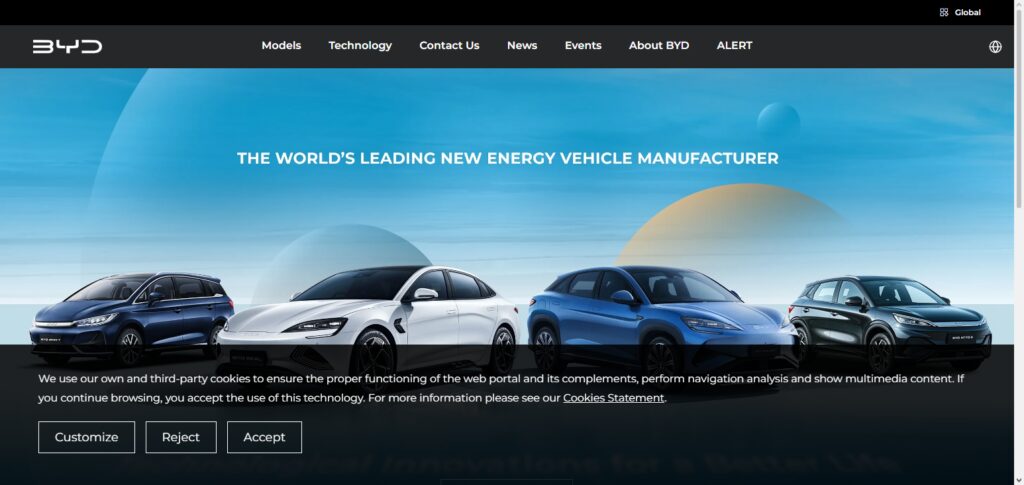
Among Chinese battery manufacturers, BYD has a competitive position in the commercial vehicle market. BYD is still utilizing advanced lithium-ion chemistries, but also continues to commercialize next generation battery technologies, as advanced lithium-ion chemistries are expected to approach the “Forever Battery” concepts.
Considering BYD’s scale, impressive sales, and complete vertical integration, its stock represents a strong long-term play as electrification and battery demand grow due to BYD’s sales in Europe and China.
BYD (BYDD.F) Features, Pros & Cons
Features:
- EV and battery production with vertical integration.
- Specializes in lithium iron phosphate (LFP) batteries.
- Vertical integration lessens supply chain concerns.
- Significant EV sales in China and globally.
Pros:
- Cost advantages with in-house production.
- Significant market share of EVs and buses.
- Research for next-gen battery chemistries.
- Diversified vehicle portfolio ensures constant revenue.
Cons:
- Chinese regulations may affect business.
- Competition with EVs globally.
- Limited presence in some Western regions.
- Potentially lag behind solid-state batteries.
6. LG Energy Solution
LG Energy Solution is a U.S. based company that is one of the largest manufacturers of batteries globally. They produce lithium-ion batteries that are used for electric vehicles (EVs) and for energy storage systems.
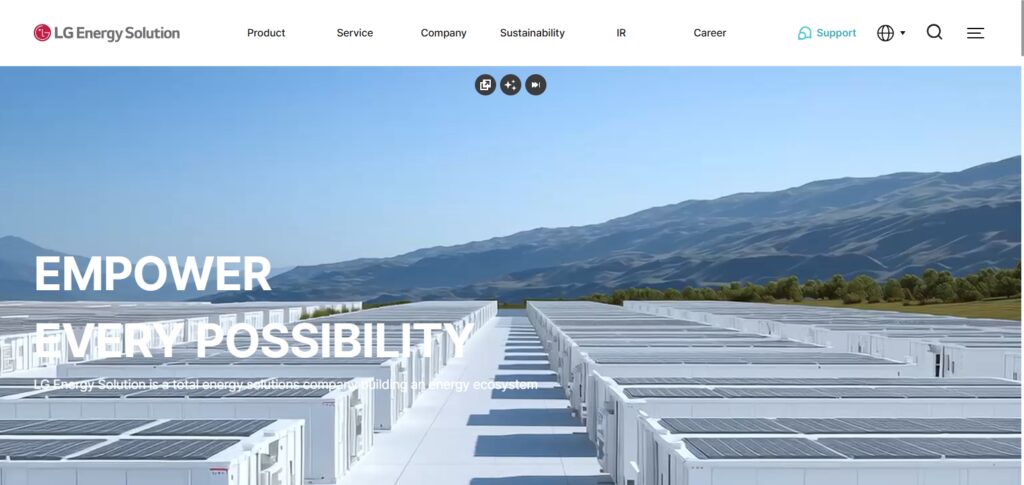
They also supply batteries to GM, Hyundai, Volvo, etc. Their continued focus on research and development in the area of solid state and high energy density batteries keeps them at the forefront of next generation technology.
They have the ability to keep a stable revenue stream due to their extensive global presence and massive manufacturing capabilities. Their continued presence in the forefront of battery manufacturing makes them one of the top manufacturers of “Forever Battery” stocks to watch in 2026.
LG Energy Solution Features, Pros & Cons
Features:
- Lithium-ion batteries on large scale.
- Supply to GM, Hyundai, and other global automakers.
- Solid-state and high-energy battery R&D.
- Energy storage solutions in EV batteries.
Pros:
- Lead supplier to top EV makers.
- Market diversity from global reach.
- Next-gen battery strong research and development pipeline.
- Consistent revenue from both EV and ESS industries.
Cons:
- Cycles dependent on automotive demand.
- Expansion requires significant capital investment.
- Competitive threats from Panasonic and CATL.
- Raw material price volatility.
7. Samsung SDI
Samsung SDI is a South Korean battery manufacturer that comprises the production of high-end batteries used in EVs and energy storage systems (ESS).
Samsung SDI augments the production of high-volume batteries but instead prioritizes quality, safety, and extended cycle life which are all critical requirements for next-generation “Forever Batteries.”
The firm is pursuing the expansion of solid-state batteries and aims to be in the prototype and early production stages by 2027. Samsung SDI has a diverse supply base and has major.
automotive manufacturers, and due to the vertical integration into electronics and materials, the firm is positioned competitively in the marketplace. Its position in high-performance applications gives it a favorable outlook to be battery-centric over an extended timeframe.
Samsung SDI Features, Pros & Cons
Features
- High-end batteries for EVs and energy storage.
- Long cycle life and safe batteries.
- Solid-state battery research.
- Custom battery pack offers to global OEMs.
Pros:
- Brand reputation for reliability and quality.
- Early solid-state prototype offers EV market growth potential.
- Portfolio EV market diversification.
- Premium EV market exposure.
Cons:
- Less than CATL and LG Energy.
- Mass market EVs brand presence limited.
- Global battery supply market high competition.
- Technology commercialization timeframe uncertain.
8. Panasonic
Panasonic is an established Japanese manufacturer of electronics and batteries and has a long history in the production of EV cells, which includes supplying Tesla’s gigafactories and has a joint venture partnership with Prime Planet Energy & Solutions.
Panasonic’s lithium-ion cells are used in both automotive and industrial manufacturing, and they are investing in new technologies to remain competitive.
With a strong balance sheet and a wealth of manufacturing experience, Panasonic is likely to benefit from the increasing supply of advanced battery systems in both electric vehicles and stationary battery storage.
With their critical role in global battery supply chains, they are a key stock to consider in the “Forever Batteries” category for long-term investors.
Panasonic Features, Pros & Cons
Features:
- Tesla long-term partnership.
- Significant experience in lithium-ion batteries.
- Next-gen batteries joint venture research and development.
- EV, industrial, and energy storage batteries manufacturing.
Pros:
- Decades of reliable global supply.
- Good balance sheet supports research and development.
- Scalable manufacturing proven.
- Global EV battery supply chain position solid.
Cons:
- Innovation pace slower than Tesla.
- Automotive demand dependence high.
- Raw material volatility exposure.
- Global battery market competition high.
9. CATL (Contemporary Amperex)
CATL is the biggest manufacturer of lithium-ion batteries in the world and is one of the biggest sponsors for the research of new generation batteries like hybrids and solid state batteries.
With the manufacturing of lithium-ion batteries for major automobile companies across the world, CATL is in a favorable position in regard to scale, research and development, and a diversified range of products for electric vehicles and batteries used in grid storage systems.
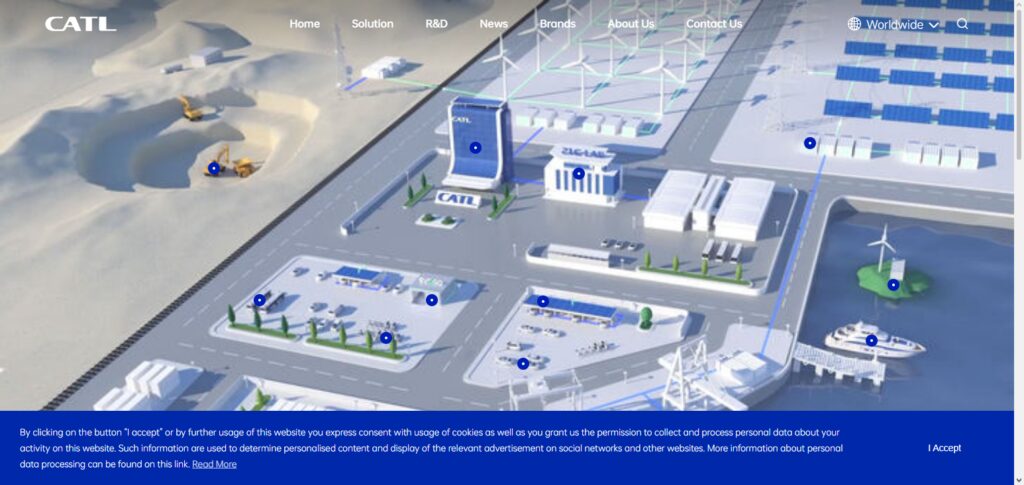
Because of their efforts, they are one step closer to the commercialization of fast charging batteries that are high in energy and for that reason, they are one of the biggest developing companies for “Forever Batteries.”
With governments and auto makers pushing for batteries to be produced locally, CATL’s robust technology and extensive supply chains make it a highly valuable battery stock.
CATL (Contemporary Amperex Technology) Features, Pros & Cons
Features:
- Largest manufacturer of lithium-ion batteries in the world.
- Global supply of major OEMs of EVs.
- Solid, and hybrid battery chemistries research.
- Significant global manufacturing scale.
Pros:
- Revenue from stable dominant market share.
- Advanced R&D for next generation batteries.
- Global EV demand can be met.
- EV and energy storage growth will drive long term growth.
Cons:
- Regulatory challenges in China.
- Dependencies on raw material prices.
- LG, Samsung, and Panasonic pose threats.
- Price competition squeeze margins.
10. Albemarle
Albemarle is one of the biggest producers of lithium in the world and since lithium is a key ingredient in electric vehicle and energy storage batteries, that position is a very valuable one. Although they do not produce batteries, their control of lithium gives them .

influence over the direction of future battery technology and electric vehicle technology. Because lithium is in high demand for the growing production of electric vehicles, Albemarle is highly positioned to benefit from the increasing demand for batteries.
Having operations in leading resource regions such as Chile and Australia, the firm stands to gain as the market for high-performance “Forever Batteries” expands, making it a strategic play on battery materials not finished cells.
Albemarle (ALB) Features, Pros & Cons
Features:
- Leading global lithium producer.
- Provides battery-grade lithium to EV manufacturers.
- Operates Chile, Australia, and U.S. lithium mines.
- Develops lithium extraction technologies.
Pros:
- EV battery demand growth directly affects business.
- Strong market position supported by supply contracts.
- Demand for lithium to grow business.
- Revenue reliability from diverse geographies.
Cons:
- Profitability affected by commodity price fluctuations.
- Mining poses environmental and regulatory challenges.
- Dependent on cell manufacturers as no battery production.
- Expansion of mines leads to high capital costs.
Key Factors Driving ‘Forever Battery’ Investments
Rapid EV Adoption:
Increasing adoption of electric vehicles globally creates a strong need for high performance and durable batteries. This solidifies justification for investment in “Forever Batteries” for automakers and energy storage providers.
Breakthrough Innovations:
Steady advances in solid state, lithium metal, and high energy density batteries with improved speed, extended life, and enhanced safety are paving the way for new investment opportunities.
Regulatory Support:
Clean energy and EV adoption policies, subsidies, and regulations around the world are driving investment opportunities in advanced battery technologies and associated stocks.
Collaborative Growth:
Automakers and battery and materials startups partnering fosters increased confidence in “Forever Batteries” by scalability, speed and cross-industry adoption in production, and commercialization.
Renewable Energy Storage:
The global shift toward renewable energy creates strong and positive energy storage demands which, in turn, positively impacts the battery developers and materials suppliers on extended durable storage.
Analyze Risk vs. Reward
QuantumScape & Solid Power (High risk and high reward): Investors risk losing their money, but the potential for a large return is possible. If these companies can successfully create solid-state batteries, the investors will capitalise on the company’s success.
Tesla, Toyota, BYD (Moderate risk and steady growth): These companies present a clear threat to the developing markets for electric vehicles. Investors can expect a steady return, but challenges will arise for the companies, and investors will suffer.
Albemarle (Low risk with indirect exposure): Albemarle will receive steady returns, but the growth will be limited because of the company’s environment-related regulations. The company’s returns will be based on the growth of lithium, which is unstable.
LG Energy, Samsung SDI, Panasonic, CATL (Moderate risk with stable growth): Battery manufacturing companies can expect to receive stable returns as long as the global need for batteries increases. Investors can expect moderate risk, but there will be a risk for growth.
Key Considerations for Investors
Technology Viability:
Determine the probability of commercial scalability for the new tech batteries (like solid-state batteries) that will enable better the long term replacements for the current lithium batteries.
Financial Viability:
Evaluate the debt, cash, and profit position of the organization ensuring there will be sufficient funds to complete the r&d or manufacture the required materials.
Market Adoption:
Evaluate the partners, consumers of the technology, and how seamlessly the technology will be part of the evs or the energy storage of the technology.
Law of the Land:
Evaluate the laws of the land on the environmentally positive or negative impacts of the materials for the batteries and the devices to which the batteries are going to be integrated.
Risk Reversal :
Evaluate the position of the organization financially to be able to support the business and to not put it in a financially disadvantaged position.
Diversifying:
Spread your investment to the potential of the long term growth of all sectors of the battery to avoid being disadvantaged.
Technology Advance:
Evaluate the documentation provided by the organization on all technologies that will improve battery components and all that are involved in reducing or increasing the time.
All Around Fuel:
Evaluate the ability to energy to all storage in the renewable integration that will become necessary for the fuelling systems to determine the stock performance.
Conclusion
Advanced battery technologies is the future of the energy and transportation industry, and investing in “Forever Battery” Stocks in 2026 is bound to yield positive results. New solid-state technologies being developed by QuantumScape and Solid Power are considered high-growth potential.
EV pioneers like Tesla, BYD, and Toyota provide market adoption. Battery supply chain and lithium raw material flow monopolies provide positive results to are in demand Albemarle.
Investors are encouraged to focus on potential, the technological time horizon, the financial position, and to diversify to optimally position themselves to an increase in demand for better-performing batteries.
FAQ
What is a “Forever Battery”?
A “Forever Battery” refers to next-generation batteries with longer lifespan, faster charging, higher energy density, and improved safety, including solid-state, lithium-metal, or advanced lithium-ion technologies.
Why invest in Forever Battery stocks?
Growing EV adoption, renewable energy storage, and technological breakthroughs create strong long-term demand, offering investors exposure to both innovation and market expansion.
Which companies lead in Forever Battery technology?
Key leaders include QuantumScape, Solid Power, Tesla, Toyota, BYD, LG Energy Solution, Samsung SDI, Panasonic, CATL, and Albemarle, covering manufacturers, EV makers, and lithium suppliers.
Are these investments risky?
Yes, risk varies: startups like QuantumScape are high-risk/high-reward, established EV makers moderate risk, and lithium suppliers like Albemarle offer lower-risk exposure. Diversification is crucial.
How can I choose the best stocks?
Evaluate technology viability, financial stability, market adoption, partnerships, and regulatory trends, balancing growth potential with risk tolerance for a diversified portfolio.