

In this article, I will explain how some of the top AAA gaming studios are using on-chain assets and how some of the more prominent gaming developers are using blockchain technology to change the construct of how digital assets will be owned.
Here, I talk about the most significant studios that will utilize gaming concepts and assets related to NFTs, develop player-owned economies, and the potential future effects of blockchain technology on the gaming industry.
Why Choose AAA Gaming Studios Using On-Chain In-Game Assets
Digital Ownership
- AAA Gaming Studios Utilizing On-Chain Assets give players the right to own items in the game like skins, characters, weapons, collectibles, and other digital products.
- Ownership is recorded in a digital ledger so players aren’t reliant on game servers.
- Players can see the proof of their digital items and how rare and real they are.
Control over the Economy within the Game
- Players are empowered within the game to control its economy in the way they want by collecting, trading, and managing items.
- AAA studios are able to build in-game economies and ecosystems where players and/or studio employees can create item marketplaces.
- This establishes a player-controlled digital economy as opposed to purchasing items directly from the game.
Asset Management with Less Risk of Fraud
- The integrity of in-game assets and the transactions that record them are validated on the blockchain.
- Players can determine if items are original, rare, and officially released by the gaming studio.
- This transparency contributes to eliminating fraud and the unauthorized duplication of valuable digital assets.
Higher Game Engagement
- Players are encouraged to remain in-game for a longer period of time when rewards and collectibles that can be earned are based on blockchain technology.
- Greater engagement and enhanced enjoyment are brought to the game by limited time offers on digital collectibles and achievements.
- AAA Studios can use the construction of game ecosystems centered on ownership, as well as digital accomplishments and competitiveness, to build communities.
Additional Sources of Income for Developers
- AAA gaming studios are able to expand beyond normal game sales by using On-Chain assets.
- The use of blockchain technology can help studios develop new digital items, collectibles, and an in-game economy and reward systems based on player actions.
Interoperable Digital Experiences
- Blockchain can make all of a players digital assets transferable and usable in multiple games.
- In the future Web3 systems, players can use their digital collectibles in multiple games.
- In contrast to the traditional closed gaming systems, this allows a more seamless and engaging gaming experience.
Stronger Community Participation
- Gaming assets on the blockchain promote community participation through ownership.
- Players can sell in-game assets or collectibles and play in other decentralized game systems.
- AAA studios can cultivate a community through engagement in the digital space.
Future-Proof Gaming Innovation
- Using on-chain gaming models is a great way for AAA studios to use innovative technology in gaming.
- On-chain gaming assets allow game developers and players to create new possibilities.
- In the future, on-chain gaming systems will have a permanent place in the gaming industry, especially with the developments in Web3.
Key Point & AAA Gaming Studios Using On-Chain In-Game Assets
| AAA Gaming Studio | Key Points: Bridging In-Game Economies with On-Chain Assets |
|---|---|
| Ubisoft | • Explores blockchain gaming through projects like Ubisoft Quartz, introducing NFT-based digital items for player ownership.• Focuses on integrating collectible assets, player-driven economies, and Web3 ownership models into future gaming ecosystems.• Uses blockchain technology to create rare in-game items that can potentially exist beyond a single game environment. |
| Square Enix | • Invests heavily in blockchain gaming and digital asset ecosystems through projects like SYMBIOGENESIS and Web3 initiatives.• Focuses on NFT collectibles, tokenized game items, and player-owned digital economies.• Aims to combine traditional AAA storytelling with decentralized ownership experiences. |
| Activision Blizzard | • Known for massive online gaming economies through franchises like Call of Duty and World of Warcraft.• Explores possibilities around digital ownership, virtual goods, and player-controlled economies.• Could leverage blockchain for secure item trading, collectibles, and cross-platform assets in future ecosystems. |
| Take-Two Interactive | • Parent company of Rockstar Games and 2K, with strong interest in virtual economies and digital marketplaces.• Blockchain technology could expand ownership of virtual items, collectibles, and user-generated content.• Focuses on creating sustainable digital economies inside large multiplayer gaming worlds. |
| Bandai Namco | • Investigates Web3 gaming, NFTs, and blockchain-based entertainment experiences.• Uses popular IP franchises to explore digital collectibles and community-driven ecosystems.• Could connect gaming rewards, virtual items, and fan engagement through on-chain assets. |
| Capcom | • Developer behind major franchises like Resident Evil and Street Fighter with strong digital communities.• Blockchain integration could enable collectible characters, limited-edition assets, and player ownership models.• Focuses on expanding entertainment ecosystems beyond traditional gaming formats. |
| Konami | • Entered blockchain gaming through NFT projects linked to its entertainment properties.• Uses blockchain to create collectible digital items and preserve ownership records.• Explores ways to merge gaming, collectibles, and long-term player engagement. |
| Epic Games | • Supports blockchain-based games through its open gaming marketplace approach.• Provides opportunities for Web3 developers to distribute games featuring NFTs and digital assets.• Focuses on creator economies, user-generated content, and decentralized gaming experiences. |
| Bethesda (ZeniMax) | • Known for large open-world games with valuable virtual economies and player communities.• Blockchain could enhance ownership of rare items, mods, and digital collectibles.• Future integration may support persistent assets across immersive gaming environments. |
| Sega | • Actively explores blockchain gaming partnerships and Web3 entertainment models.• Investigates NFT-based collectibles, digital rewards, and blockchain-powered gaming experiences.• Aims to expand its iconic gaming IP into decentralized and player-focused ecosystems. |
1. Ubisoft
Ubisoft is among the leading AAA gaming studios that are active within the blockchain and on-chain digital ownership with things such as Ubisoft Quartz. Ubisoft has created NFT-based in-game items called Digits that provide unique in-game cosmetics.
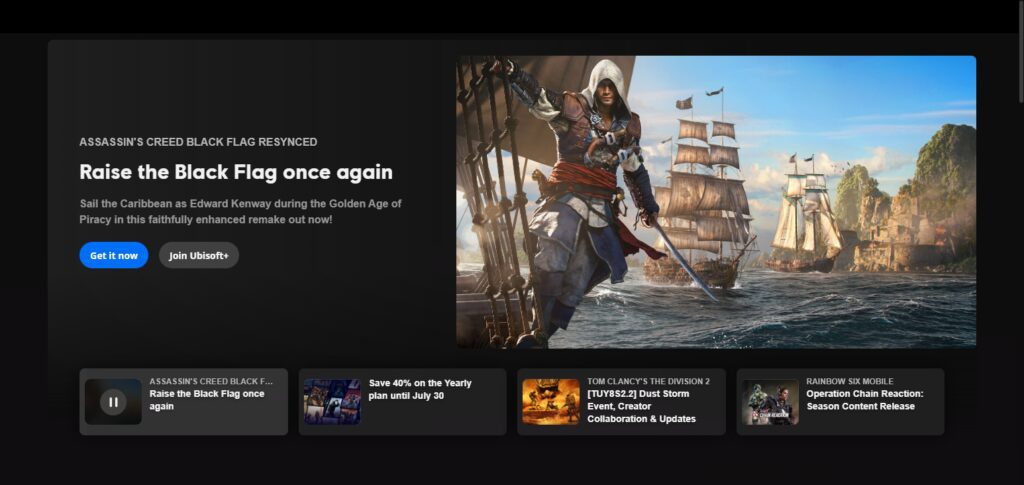
The AAA Gaming Studios Using On-Chain In-Game Assets studies provide the ability to alter traditional virtual items to be player-owned digital assets.

Ubisoft is focused on a gaming model that incorporates collectible items and player-driven economies with transparent ownership. With the merger of blockchain technologies and its gaming franchises, Ubisoft is able to create more value in its gaming ecosystems.
Ubisoft Features, Pros & Cons
Features:
- NFTs in Gaming: Through Ubisoft Quartz, Ubisoft began its journey into in-game cosmetics through Blockchain collectibles.
- Ownership Tracking: On-chain technology enables Ubisoft to track players’ cosmetic ownership.
- Game Development with Web3: Ubisoft combines traditional game development with Blockchains.
- Digital Collectibles: Ubisoft’s strategy focuses on the creation of digital collectibles.
- Gaming Economies: Ubisoft aims to develop player-driven gaming economies.
Pros:
- Players can own their digital assets.
- Ubisoft gains a new revenue stream.
- Players will want to play for longer.
- New Web3 models for gaming are supported.
- Tracker transparency is enhanced.
Cons:
- Some gamers don’t support NFTs.
- Some players find Blockchains to be a cumbersome addition.
- Some digital assets have little to no value.
- Players will need some training in Web3.
- Collectible gameplay is economically unstable.
2. Square Enix
Square Enix has emerged as one of the most recognizable AAA publishers that is active in blockchain gaming, NFTs and decentralized digital economies. The publisher has gamified its blockchain projects with things such as SYMBIOGENESIS, which merges narrative and NFT interactive collectibles and player-owned assets.
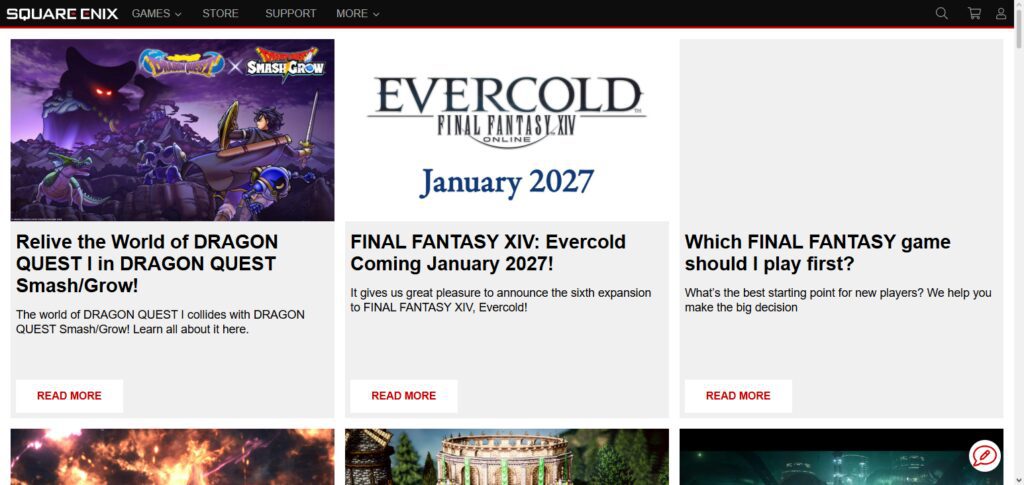
The AAA Gaming Studios Using On-Chain In-Game Assets studies, like Square Enix, provide true ownership of not only in-game assets and collectibles, but in-game characters as well. Square Enix’s vision is to utilize Web3 technology to alter the relationship gaming communities have with gaming creators.
The incorporation of digital collectibles, gamified NFTs, and blockchain into the gaming experience will provide controlled gaming to the players while stretching the boundaries of traditional gaming for the publishers.
Square Enix Features, Pros & Cons
Features:
- NFT Gaming: Square Enix developed a blockchain gaming project called SYMBIOGENESIS.
- NFTs in Gaming: NFTs help develop player-owned digital collectibles.
- Gaming Rewards and Ownership: Square Enix focuses on a blockchain-based gameplay model of rewards and ownership.
- Digital Ecosystems: Player participation in digital ecosystems is supported.
- Game Development with Blockchains: Square Enix merges traditional game development and Blockchains.
Pros:
- Web3 will support the innovations.
- Player participation is valued.
- Digital collectibles now have ownership.
- New revenue streams for games are possible.
Cons:
- Blockchain adoption in gaming is still limited.
- NFT based games can lose community support.
- Development costs can increase.
- Digital assets can become speculative.
- Inconsistency in blockchain gaming regulations.
3. Activision Blizzard
Activision Blizzard is famous for franchises with existing substantial digital economies such as Call of Duty and World of Warcraft. Although the company has not initiated large scale public blockchain gaming projects, existing virtual item systems set the ground for on-chain integration.
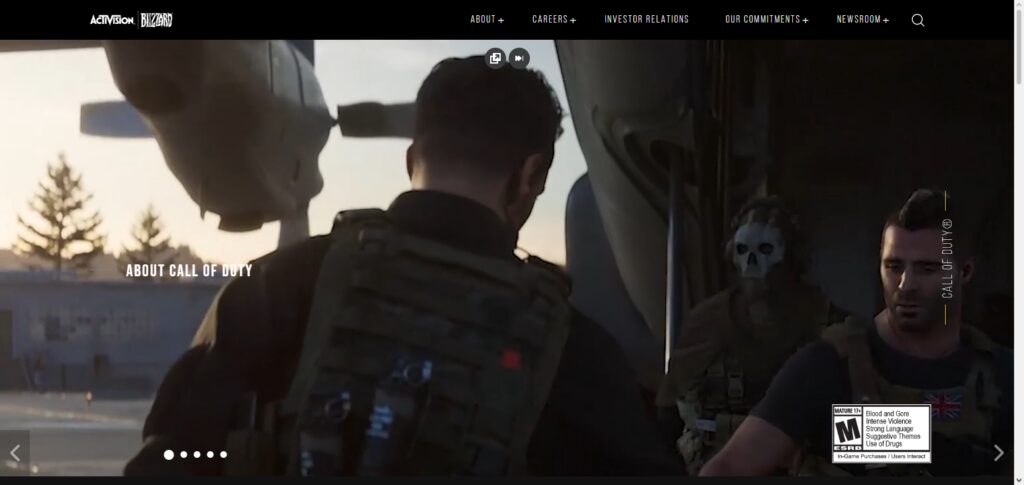
AAA Gaming Studios Using On-Chain In-Game Assets has the potential to incorporate more effective ownership, trading, and authenticity to digital items. Items such as tokenized in-game skins and collectibles and player rewards will be possible in the new gaming ecosystem.
Activision Blizzard has a lot of players and thus blockchain technology in the gaming ecosystem will be able to design and implement novel digital economies using blockchain technology for better security and transparency.
Activision Blizzard Features, Pros & Cons
Features:
- Large Virtual Economies: Game worlds that already have very valuable digital items and currency.
- Possible Blockchain Integration: Addition of on-chain skins, rewards, and collectibles.
- Large Player Base: A good base for a digital economy.
- Digital Item Management: Improvement of ownership and collection by the use of blockchain.
- Competitive Gaming: Support of blockchain-based esports rewards.
Pros:
- Existing user base for immediate adoption of blockchain.
- Existing virtual economies are ready to support integration.
- Player rewards can become a possibility.
- Digital assets are more transparent.
- Supports future innovations in gaming.
Cons:
- Very limited public adoption of blockchains.
- Possible imbalance of games.
- Players can resist NFT based systems.
- Security concerns surrounding digital assets.
- Very hard to integrate blockchain into existing games.
4. Take‑Two Interactive
Take-Two Interactive owns 2K games and Rockstar Games and controls some of the biggest AAA game worlds and virtual economies. Grand Theft Auto Online is a great example of player digital currencies and collectibles, as well as player owned items.
AAA Gaming Studios Using On-Chain In-Game Assets such as Take-Two Interactive are already able to build more sophisticated digital ownership systems onto their gaming ecosystems. On such systems, players may securely own and trade rare game items, and participate in new trading systems.
The virtual economies of the company’s future gaming systems may rely on blockchain technology in order to allow players to have even more control over their game items and the integrity and safety of the digital universe.
Take-Two Interactive Features, Pros & Cons
Features:
- Virtual Economy Gaming: Games that have strong virtual marketplaces.
- Game Asset Ownership: Possible ownership of game assets via blockchain.
- Decentralized Markets: Future support for decentralized trading.
- Large Multiplayer Gaming: Base for blockchain economy gaming.
- Business Model Gaming: Expansion of the gaming model for interactive entertainment.
Pros:
- Good base for a blockchain economy via the existing multiplayer games.
- Can create ownership and authenticity for game assets.
- Can create new methods of earning for players.
- Supports gaming economies created by the players.
- Supports players in the long term.
Cons:
- Can alter the design of a game.
- Regulations can affect usage.
- Players may not prefer a gaming model where finances are involved.
- Very insecure blockchain systems.
5. Bandai Namco
Bandai Namco is one of the biggest Japanese gaming companies tapping into blockchain, NFTs, and digital entertainment systems. With major franchises like Tekken, Pac-Man, and Dragon Ball, opportunities exist to link popular IP to blockchain assets.
AAA Gaming Studios Using On-Chain In-Game Assets are Bandai Namco and other firms that have begun the use of Web3 mechanisms to boost gaming community interaction through collectible, tradable digital assets and engagement focused rewards.
Blockchain allows the construction of a unique experience of ownership to a community of gamers. Bandai Namco tries to extend gaming systems constructed on traditional gaming systems and seeks to connect digital entertainment systems.
Bandai Namco Features, Pros & Cons
Features:
- Blockchain Entertainment Projects: Investigates Web3 gaming and digital collectibles.
- IP-Based Assets: Connects franchises to NFTs.
- Fan Engagement Models: Builds structures for community engagement.
- Digital Collectibles: Creates new virtual items.
- Future Virtual Economies: Builds new entertainment ecosystems.
Pros:
- Broad franchises build a strong base.
- NFTs improve ownership.
- Fan engagement is innovative.
- Community engagement is beneficial.
- Markets for digital entertainment grow.
- Interest grows for blockchain projects.
Cons:
- Collectibles and gaming are still evolving.
- NFT engagement varies.
- More simplified structures needed.
- Speculation on assets.
- Widespread adoption is not present.
6. Capcom
Capcom, the firm that has developed a number of gaming franchises like Resident Evil, Street Fighter, and Monster Hunter, has a wealth of franchises and a community of dedicated fans that suggests a strong potential to spice up digital ownership and integrate blockchain-based assets into its gaming ecosystem.
AAA Gaming Studios Using On-Chain In-Game Assets is Capcom and other firms that have the potential to spice up gaming through blockchain-based in-game assets, collectibles and other limited digital items.
On-chain technology allows the construction of a unique experience of ownership to a community of gamers. With the combination of cutting-edge technology on the market and Capcom’s legendary franchises, the firm has the potential to develop immersive gaming systems that connect gamers, collectors, and virtual economies.
Capcom Features, Pros & Cons
Features:
- Iconic Gaming Franchises: Integrates blockchain ability into games.
- Digital Collectibles: Supports collectible characters and items.
- Asset Verification: Authenticity recorded on blockchain.
- Community-Based Economies: Player-centric community economies.
- Future Web3 Opportunities: New prospects in gaming.
Pros:
- Large worldwide communities and franchises.
- Great collection value and ownership.
- Better loyalty to franchise.
Cons:
- Large scale implementation not seen.
- NFT adoption questioned.
- Technical and financial issues exist.
- Integration sets limits on blockchain.
7. Konami
Konami seeks to integrate blockchain tech via NFT collectibles and digital entertainment asset initiatives. NFT-based projects connect Klonoa and Frogger collectibles to Konami’s legacy. AAA Gaming Studios Using On-Chain In-Game Assets.
For players, blockchain enables secure storage and authentication of digital gaming items and offers long-term value and verifiable ownership. Konami seeks to develop a decentralized gaming economy to empower players to control gaming assets and also connect to digital collectibles beyond the gaming space.
Konami Features, Pros & Cons
Features:
- NFT Collectibles: Explored blockchain collectibles.
- Classic Franchise Integration: Digital assets from popular brands.
- Ownership Tracking: Verification on Blockchain.
- Digital Marketplace Potential: Supports trading in the future.
- Web3 Entertainment Expansion: Blending gaming and blockchain.
Pros:
- Good for game collectors.
- Digital ownership is persistent.
- More ways to make money off the franchise.
- New game models are supported.
- Builds fan communities.
Cons:
- Not many gamers use blockchain.
- NFT projects seems to get the most backlash.
- Fluctuating market value.
- Users need easy game access.
- Unsure what regulations are coming.
8. Epic Games
Epic Games, the developer of Fortnite and the Unreal Engine, shows interest in blockchain gaming with its open marketplace. Epic Games Store hosts some Web3 games with NFTs and blockchain assets. AAA Gaming Studios Using On-Chain In-Game Assets like Epic Games focuses on building decentralized games that offer digital assets owned by the players.

Blockchain can facilitate creator economies with a virtual marketplace and user-generated content. Epic offers an ecosystem through the Unreal Engine to develop infrastructure for immersive worlds for future developers.
Epic Games Features, Pros & Cons
Features:
- Web3 Game Support: Blockchain games can be listed on the marketplace.
- Developer Ecosystem: Supports developers building on blockchain.
- Creator Economy: Blockchain can support user-generated content.
- Digital Asset Integration: Framework for NFT Games.
- Unreal Engine Innovation: Development support for all games.
Pros:
- Popular development community.
- Blockchain friendly.
- Supports creators.
- Supports game design.
- Framework for whole gaming industry.
Cons:
- Marketplace audiences for blockchain games are small.
- Lack of quality control.
- Mixed feelings towards NFTs.
- No clarity on digital asset regulation.
- Marketplace may not be widely used.
9. Bethesda (ZeniMax)
Bethesda Games Studios develops some of the largest games in the world, such as those in The Elder Scrolls and Fallout franchises.

Their games have large existing economies. AAA Game Studios Using On-Chain In-Game Assets says that on-chain in-game assets would enable a user in a future Fallout game to possess NFTs of ammo or guns or Bethesda collectibles and cosmetics.
While Bethesda has developed game worlds that verge on the inclusive and imaginative character of game worlds that would operate on a blockchain, Bethesda has largely resisted developing blockchain games.
Bethesda (ZeniMax) Features, Pros & Cons
Features:
- Open-World Gaming Economies: Games allow players to collect items and create value.
- Potential Asset Ownership: NFTs to support unique collectibles.
- Virtual Item Tracking: Ownership can be verified.
- Player-Created Content Opportunities: Support for decentralized user generated content.
- Persistent Digital Worlds: Future immersive experience may be supported.
Pros:
- Engaged RPG communities.
- Collectible based game worlds.
- Blockchain supports ownership.
- Supports digital experiences that are long lasting.
- Fosters new design.
Cons:
- No major blockchain support yet.
- Game design may be impacted.
- High complexity of integration.
10. Sega
Sega has been working to expand their entertainment ecosystem by starting to integrate blockchain solutions in their offerings. As developers of some of the largest games in the world such as Sonic the Hedgehog, the use of blockchain instructions to develop collectible items and other assets in their game worlds would greatly extend their offerings to their customers.
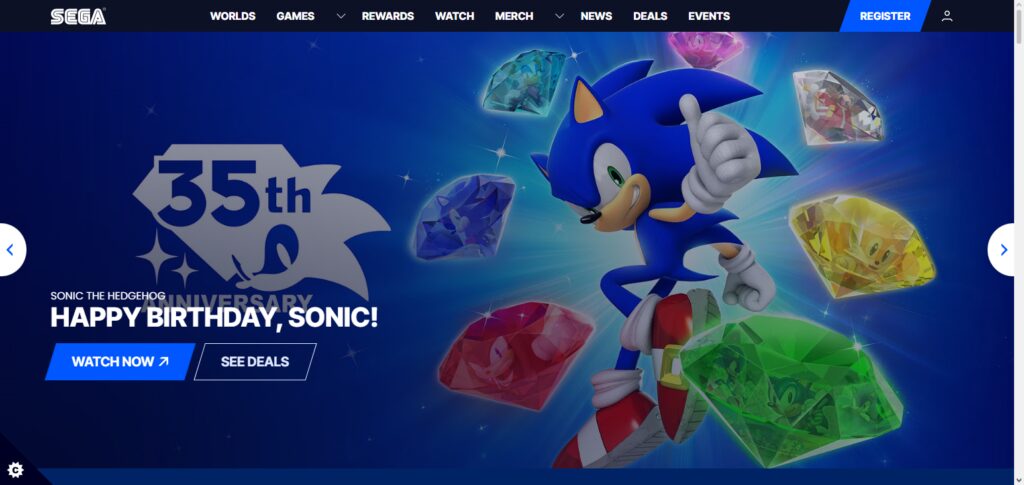
AAA Game Studios Using On-Chain In-Game Assets observes that Sega is developing methods to integrate their community within gaming activities to facilitate exchange of true playable digital assets and gaming activities using the blockchain.
Fans would be able to collect, trade, and exchange items and other assets within the game. Sega hopes to find new opportunities in gaming by combining their intellectual property with innovations using blockchain and Web3.
Sega Features, Pros & Cons
Features:
- Web3 Gaming Exploration: Potential analysis of blockchain entertainment gaming options.
- NFT Collectibles: Possible findings of ownership and reward systems.
- Iconic IP Integration: Possible linking of franchise assets.
- Fan Engagement Systems: Possible creation of active digital experiences.
- Future Decentralized Economies: Potential models of gaming systems.
Pros:
- Good market position.
- Possibility for more digital collectibles.
- More ways to earn.
- Better fan experience.
- More collaboration for innovative gaming.
Cons:
- Spike in usage is still experimental.
- NFT markets are unpredictable.
- Needs player education.
- Regulatory issues possible.
- Good gameplay needed.
Conclusion
More AAA gaming studios are beginning to integrate on-chain assets to revise the traditional gaming economy to a more player-centered digital economy. Ubisoft, Square Enix, Epic Games, Sega, and many other major gaming studios are starting to use blockchain to provide their players with ownership, transparency, collectibles, and a decentralized trading economy.
On-chain assets are entering the gaming industry to provide players with a digital economy that is secure, valuable, and transferable to different gaming realms.
With the rise of blockchain technology, AAA Gaming Studios Using On-Chain In-Game Assets will bring new player and game creator reward systems to even more advanced gaming worlds.
Adoption, scaling and user experience will present challenges, porém the blending of AAA game development and blockchain technology will set new standards in gaming by providing players control over the games they play and the economies within.
FAQ
What are AAA Gaming Studios Using On-Chain In-Game Assets?
AAA Gaming Studios Using On-Chain In-Game Assets are major game developers that use blockchain technology to create, manage, or experiment with digital assets stored on blockchain networks. These assets can include NFTs, virtual items, collectibles, characters, skins, weapons, and rewards that have verifiable ownership records. Unlike traditional in-game items controlled only by game publishers, on-chain assets can provide players with transparent ownership, secure transactions, and potential trading opportunities within supported ecosystems.
Why are AAA gaming studios adopting blockchain-based in-game assets?
AAA gaming studios are exploring blockchain assets to create stronger player engagement, new revenue models, and more interactive gaming economies. Blockchain allows developers to introduce digital ownership, collectible systems, and decentralized marketplaces where players can have greater control over their virtual items. Studios also see opportunities to build long-term communities by allowing players to participate in evolving digital ecosystems rather than simply purchasing temporary in-game content.
Which AAA gaming studios are exploring on-chain assets?
Several major gaming companies have explored blockchain technology, including Ubisoft, Square Enix, Epic Games, Sega, Bandai Namco, Konami, and others. These companies are researching NFTs, blockchain-based collectibles, digital ownership models, and Web3 gaming experiences. While adoption levels vary, many studios are testing ways to integrate blockchain features into future gaming platforms and entertainment ecosystems.