The blockchain industry is expanding rapidly, and the recruitment of skilled developers has become a necessity for infrastructure projects that want to expand their ecosystems. But finding the right builders, promoting technical products and motivating developers to embrace new technologies is not easy.
That’s where Web3 developer marketing platforms come in handy. In this article, I will review the best Web3 developer marketing platforms for 2026. I will evaluate their core features, developer acquisition opportunities, community building capabilities, and best use cases to help steer blockchain projects toward the best-fitting solutions.
What Are Web3 Developer Marketing Platforms?
Web3 developer marketing platforms are specialized tools and services that help companies building blockchain infrastructure to attract developers, promote their technical products and grow their blockchain ecosystems. They connect projects and blockchain developers through hackathons, grants, bounties, education programs, developer communities and interactive campaigns.
They help infrastructure providers raise awareness of their products, incentivize developers to build decentralized applications, generate open source contributions, and build long-term relationships with technical communities. The primary goal is to transform developer interest into active participation, building of projects, and long-term development of the ecosystem.

Why Do Blockchain Infrastructure Projects Need Developer Marketing Platforms?
Reach Talented Developers: Developer marketing platforms allow blockchain infrastructure projects to reach talented developers, smart contract engineers and technical contributors who want to build applications using their blockchain technologies.
Raise Awareness of the Ecosystem: These platforms market blockchain infrastructure products, development tools and technical resources, enabling projects to be found by developers seeking robust blockchain technologies and networks.
Encourage Developer Adoption: Hackathons, coding competitions, and technical campaigns encourage developers to try infrastructure products and build decentralized applications on specific blockchain networks.
Support Open-Source Development: Grants, bounties, and contributor programs encourage developers to improve existing protocols, create useful tools, solve technical problems, and participate in infrastructure development.
Build Developer Communities: Dedicated platforms allow projects to engage developers through technical discussions, educational programs, collaborative activities, and community initiatives that promote long-term ecosystem participation.
Generate Technical Partnerships: Developer-focused campaigns allow infrastructure providers to connect with development teams, ecosystem partners, and independent builders interested in technical collaboration.
Improve Developer Onboarding: Educational resources, workshops, documentation campaigns, and guided development programs help developers understand blockchain infrastructure products and start building applications more efficiently.
Boost Ecosystem Growth: With a mix of developer acquisition, funding opportunities, technical education and community engagement, these platforms allow blockchain infrastructure projects to drive participation and help sustainable ecosystem expansion.
Key Points
| Platform | Key Marketing Strength |
|---|---|
| ETHGlobal | Developer events, hackathons, and ecosystem exposure |
| DoraHacks | Hackathons, bounties, and grant distribution |
| Devfolio | Developer onboarding, hackathons, and builder engagement |
| Superteam Earn | Developer bounties, grants, and paid opportunities |
| HackQuest | Blockchain education, builder programs, and hackathons |
| Gitcoin | Open-source funding and ecosystem support |
| Galxe | Quest campaigns, rewards, and community activation |
| Zealy | Task-based campaigns, leaderboards, and community participation |
| Layer3 | Interactive blockchain experiences and user education |
| Guild.xyz | Role-based access and token-gated community management |
1. ETHGlobal
ETHGlobal is the world’s leading hackathon organizer focused on the Ethereum and broader EVM ecosystem. It organizes hackathons in-person and online where developers form teams, develop MVPs and compete for prizes sponsored by sponsors. Typically, participants are free, and sponsors fund prize pools, workshops, and brand exposure.
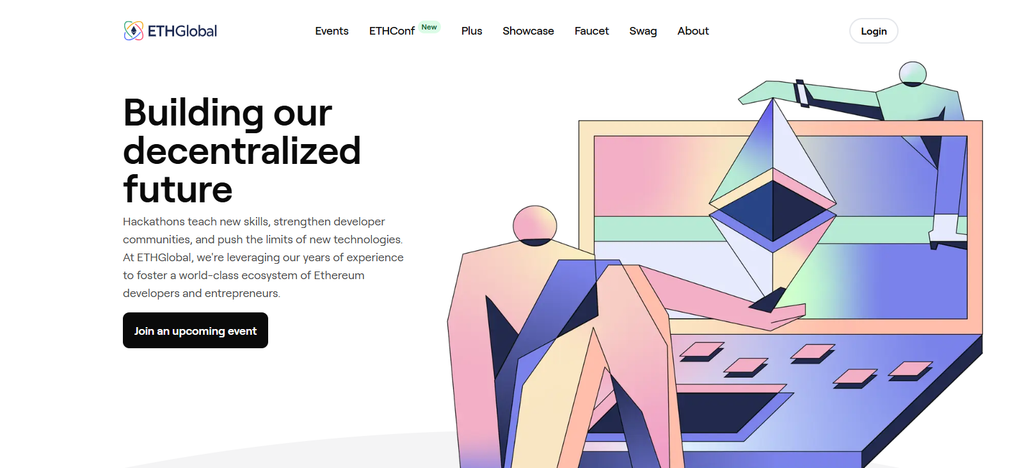
ETHGlobal Plus offers participants premium support and event perks. It has strong developer reach with serious builders, founders and Ethereum-native talent. The blockchain support is EVM-centric and sponsors can set up custom tracks and prizes.
It’s super effective for developer acquisition via hands-on building, mentorship, and post-event project formation. Community is built through event cohorts, Discord and alumni networks. Integrations: sponsor APIs, SDKs, wallets, and protocol tooling.
Main Features
- Organizes Ethereum hackathons and developer events around the world.
- Links blockchain developers with ecosystem partners and infrastructure providers.
- It gives opportunities to build and showcase blockchain projects.
- Provides educational talks, technical workshops and developer learning resources.
- Provides exposure, networking and funding opportunities to support early stage projects.
Best Use Cases
- Evangelizing Ethereum infrastructure tools to developers.
- Global hackathons to attract developers.
- To motivate developers to develop apps on blockchain technology.
- Improving the visibility of the ecosystem by technical events and project showcases.
2. DoraHacks
DoraHacks is a global hackathon, grant and open source developer incentive platform. It has hackathon infrastructure, BUIDL project showcases, bounties, quadratic-funding rounds and DAO governance tools. Pricing varies from program to program. Developers often get to participate for free, while ecosystems and foundations provide grants, prizes and funding rounds.
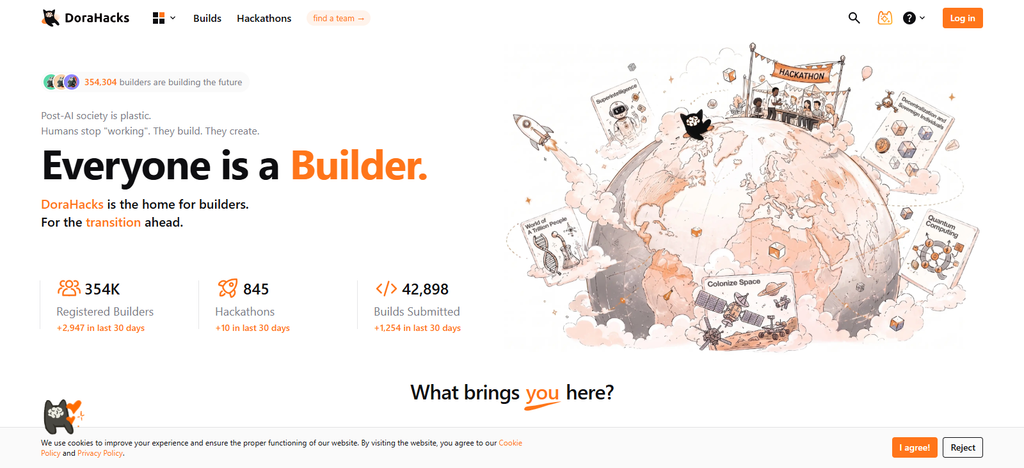
With an international and multi-chain developer reach, it’s a good fit for projects looking to tap into builders outside of one ecosystem. There is a wide support for blockchain including BNB Chain, Aptos, Solana, Cosmos and Polygon ecosystems.
Hackathons, grants, and project discovery visibility drive developer acquisition. Hacker communities, voting and contributor reputation support community building. Integrations include grant DAOs, on-chain voting and ecosystem specific funding programs.
Highlights
- Provides Tools to Host and Manage Blockchain Ecosystem Hackathon.
- Supports developer bounties, grants and funding competitions.
- Lists BUIDL projects to showcase the work of developers.
- Tools for project evaluation, judging and prize distribution included.
- Supports funding for public goods and the development of community-led projects.
Best Use Cases To Use
- Developers wanted to work on blockchain infrastructure projects.
- Organizing hackathons to promote new blockchain networks.
- Technical contributions and support for open source development.
- Bounties, Grants and Competitions to attract builders.
3. Devfolio link
Devfolio is a hackathon discovery and application platform for organizers to connect with student and early-career developers. It has powered over 1,500 hackathons and organizes offline and online events. For developers, the cost is generally free. For hackathon organizers and sponsors, please reach out to Devfolio for custom pricing which can include priority support, profile review and outreach assistance.
Its developer base is strong in India and in university communities, but it also supports online hackathons all over the world. Blockchain support will vary by hackathon, but you’ll find EVM, Solana, and other ecosystems represented through sponsor tracks.
Developer acquisition works for early-stage talent pipelines and campus outreach. Participation in events, submission of projects, and organizer networks all help to build community. The integrations include hackathon registration, project submission and sponsor prizes management.
Key Features
- Tools for organizing and running online hackathons.
- Support on developer registration, applications and project submission.
- Assists organizers in managing teams and communication with participants.
- Enables project showcase and judging workflows.
- Unites developers at hackathons, technical events and builder communities.
Top Use Cases
- Organize hackathons for blockchain developers.
- Driving new infrastructure products for Web3.
- Finding developers for early stage blockchain projects.
- Technical competitions to increase awareness among building developers.
4. Superteam Earn
Superteam Earn is a Solana talent marketplace for bounties, freelance, grants and full-time Web3 jobs. Developers, designers, writers and researchers build one profile and apply to paid opportunities from Solana projects. It’s free for contributors, and sponsors pay no commission or listing fees. Reward budgets go directly to the talent.
The platform claims to have access to more than 190,000 builders, implying a big developer footprint in the Solana ecosystem. Blockchain support is native to Solana, making it a great choice for projects building on Solana, Anchor, SPL or related tooling.
Acquiring developers is very effective because contributors are motivated by immediate scoped paid work. Superteam has local chapters, XP, and reputation systems to reinforce community building. Integrations include Solana wallets, GitHub deliverables, USDC payouts and sponsor defined task workflows.
Main Features
- List freelance gigs and bounties paid across the Solana ecosystem.
- Links developers to blockchain projects and ecosystem teams.
- Supports opportunities related to development, design, content, and marketing.
- Helps projects to get contributors by making tasks clear.
- Offers a marketplace for independent contributor opportunities in a dedicated ecosystem.
Best Suited Applications
- 1. Looking for Solana developers for infra projects.
- 2. Getting smart contract developers on board.
- 3. Marketing of blockchain tools through paid technical tasks.
- 4. Recruiting freelance developers for ecosystem initiatives.
5. HackQuest
HackQuest provides Web3 education, certified learning paths, hackathons, and developer onboarding. It’s designed to help beginners learn the basics of blockchain, smart contract, and dApp development with interactive lessons and guided projects. Its learning programs are free, while ecosystem partners can sponsor hackathons, bootcamps, certificates and campaigns.
Developer reach is strongest with beginners and developers new to Web3, especially those seeking structured education prior to engaging in build programs. It supports the major ecosystems including Ethereum and Solana and has ecosystem-specific learning tracks and certifications .
Developer acquisition is a good model for projects that prefer to educate users before they build. Cohorts, meetups, bootcamps, and peer learning support community building. Integrations include learning platforms, ecosystem SDKs, certificates and hackathon sponsorships.
Main Features
- Offers structured learning programs and education content for blockchain developers.
- Facilitates hands-on training and technical learning activities for Web3 development.
- Helps blockchain ecosystems to onboard developers to their technologies.
- Supports builder-centric programs, workshops and hackathon-related activities.
- Encourages developers to get hands-on experience with blockchain tools and infrastructure.
Best Applications
- Training developers on new blockchain networks.
- Introducing beginners to Web3 development ecosystems.
- Technical Learning programs for boosting blockchain infrastructure.
- Creating developer communities around particular blockchain technologies
6. Gitcoin
Gitcoin is a public-goods funding and open-source developer platform based on grants, bounties, hackathons and quadratic funding. Its Grants program enables early-stage builders to raise money from their communities, with matching partners doubling donations during funding rounds. Developers are able to join for free on the platform, but projects might have costs for grants, bounties, or sponsored rounds.
It has a deep developer reach among Ethereum, open-source and public goods builders. Ethereum’s ecosystem has the strongest blockchain support, although historically Gitcoin has supported multiple networks through grants and bounty programs.
Acquiring developers Attracting mission-driven contributors and open-source maintainers. Donor participation, reputation, and repeated grant rounds drive community building. This includes wallets, on chain donations, grant platforms and ecosystem matching pools.
Features at a Glance
1.Funding and crowdfunding for open-source projects
2. Uses Quadratic Funding for funding allocation driven by community.
3. Assists blockchain ecosystems in organizing funding rounds for developers.
4. Encourages development of public goods and open source contributions.
5. Connects founders, contributors, donors and ecosystem funding communities of projects.
Top Use Cases
- Supporting the development of open source blockchain infrastructure.
- Fund public-goods developers.
- Attracting contributors to decentralized tech projects.
- Driving infrastructure projects through community-backed funding rounds
7. GALXE
Galxe is a Web3 credentialing, quest and user acquisition platform that allows projects to reward users for completing on-chain and off-chain actions. Projects can create quests, check participation, issue credentials and award rewards. Historically, Galxe has provided a Basic plan with a refundable deposit, and paid plans usually start at $999/month (billed annually).
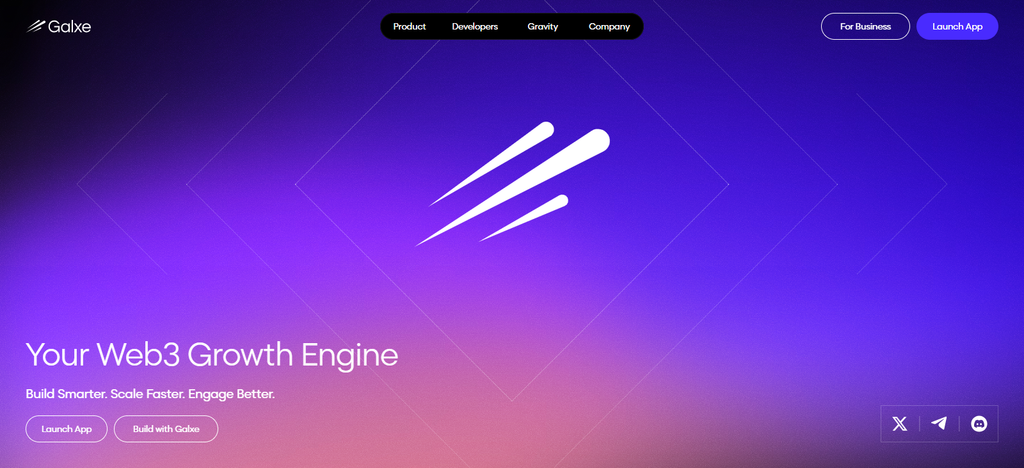
However, recent reports indicate that Galxe ceased accepting new campaigns after November 9, 2026, with the final campaign day being December 5, 2026. It’s reach is broad but more consumer and community focused than developer-native. Blockchain support includes EVM chains and selected non-EVM chains.
Developer acquisition is more effective for awareness campaigns, wallet adoption and task based onboarding rather than deep technical hiring. Community is built with credentials, loyalty programs, and quest campaigns. Integrations include wallets, social tasks, on-chain verification and reward distribution.
Main Features
- Past supported Web3 quest campaigns for community engagement
- Provided credentialed access and campaign verification.
- Provided reward distribution options for the campaign participants.
- Supports ecosystem discovery and community loyalty programs.
- Added identity-related products such as Galxe ID and Galxe Passport.
When To Use It
- Reviewing historical performance of Web3 campaigns.
- Take cues from previous quest-based developer acquisition strategies.
- Review of previous community engagement and credentialing efforts
- Closing of eligible existing campaigns and pending reward claims before the shut down deadlines.
8. Zealy
Zealy is a community engagement and quest platform that helps projects onboard, activate and retain members via tasks, XP, leaderboards and sprints. It can function with or without crypto rewards, so it can be useful for Web3 and non-Web3 communities alike. Pricing starts with a free tier for up to 100 members, then $149/month for Standard and $359/month for Plus (billed annually).
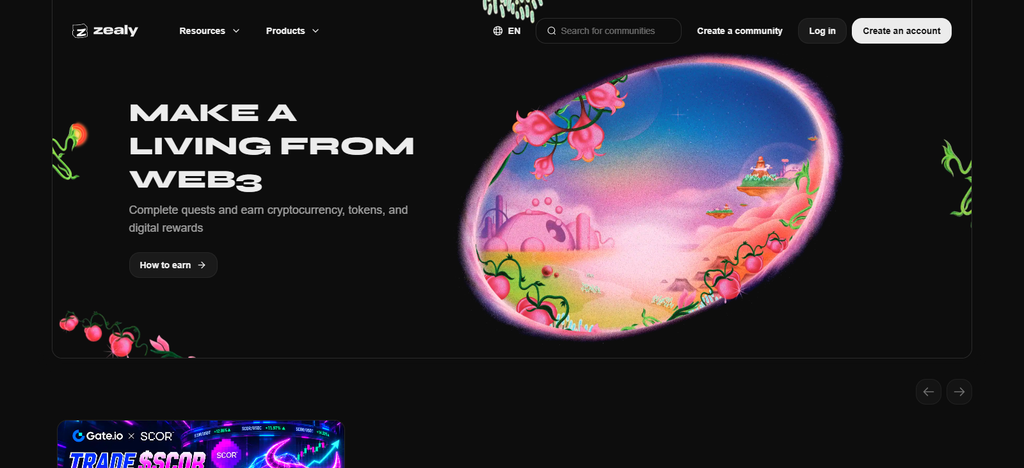
Its developer reach is moderate; better at engaging existing communities than finding highly technical builders. The support for blockchain includes EVM-based tasks, but the main value is community gamification, not development for a specific protocol.
Technical quests, contribution challenges and referral programs are ways to acquire developers. The strongest use case is community building, with progressive quests and recognition mechanics. It integrates with Discord, X, task verification (like GitHub), and rewards.
Key points
- Offers customizable tasks-based quests and community campaigns.
- Provides XP points, leaderboards & member engagement tracking.
- Allows community engagement and role rewards through Discord.
- Allows projects to organize contests and reward participants.
- Offers campaign management tools for ongoing community activities.
Best Applications
- Building communities of blockchain developers.
- Stimulating participation in ecosystem activities.
- Conducting interactive campaigns to promote new infrastructure products.
- More involvement in the community with tasks and competitions.
9. Layer3
Layer3 is a Web3 engagement and user acquisition platform powered by on-chain actions, quests, credentials and token rewards. Projects use it to incentivize users to swap, bridge, mint, interact with contracts, or perform other protocol-specific actions. There is no public standard pricing, projects typically either stake L3 tokens or negotiate costs on a per-campaign basis.
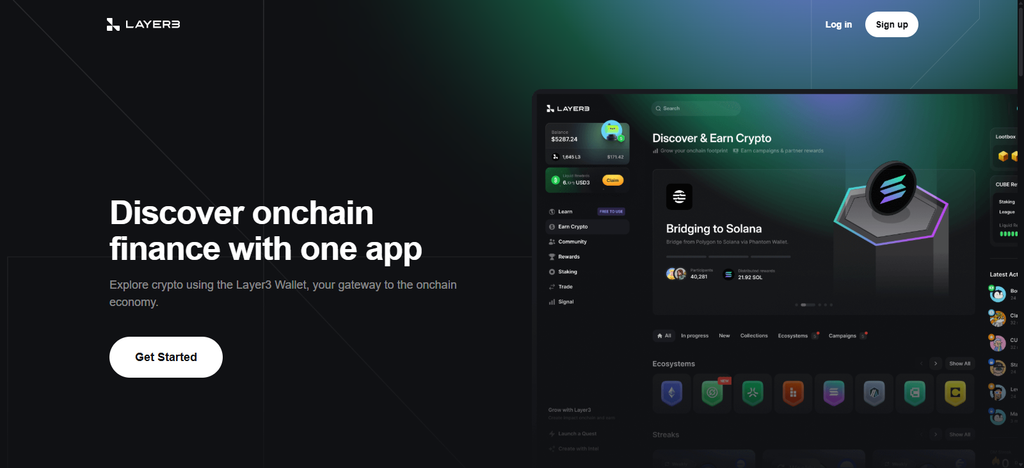
Its developer reach is more consumer-and-trader focused than developer focused, although it can appeal to technically savvy users interested in protocol mechanics. Blockchain support includes EVM chains and Solana.
Campaigns can verify specific interactions of contracts. Developer acquisition is more indirect than hackathon or bounty platforms, but can find engaged on-chain users to convert later. XP, leagues, credentials and repeat participation all help build community. Like wallets, smart contract, token rewards, on-chain activity verification and integrations.
Main Features**
- Offers interactive quests to interact with the blockchain ecosystem.
- Enables on-chain activities and protocol interaction campaigns.
- Identifies completed activities with CUBE credentials.
- Offers XP-style progression and participant engagement experiences.
- Guided activities connect users to blockchain protocols.
Best Use Cases
- Onboarding developers to new blockchains.
- Participation in on-chain ecosystem activities.
- Advocate for decentralized applications and infrastructure products.
- Teaching communities about how blockchain protocol works
10. Guild.xyz
Guild.xyz is a community access and token gating platform that manages roles, rewards and permissions across Discord, Telegram and custom web pages. It checks member eligibility using tokens, NFTs, wallet activity, GitHub contributions and custom API conditions. Pricing Free Plan Starter $29/month Pro $99/month Growth $399/month Enterprise Starting at $1,000/month.
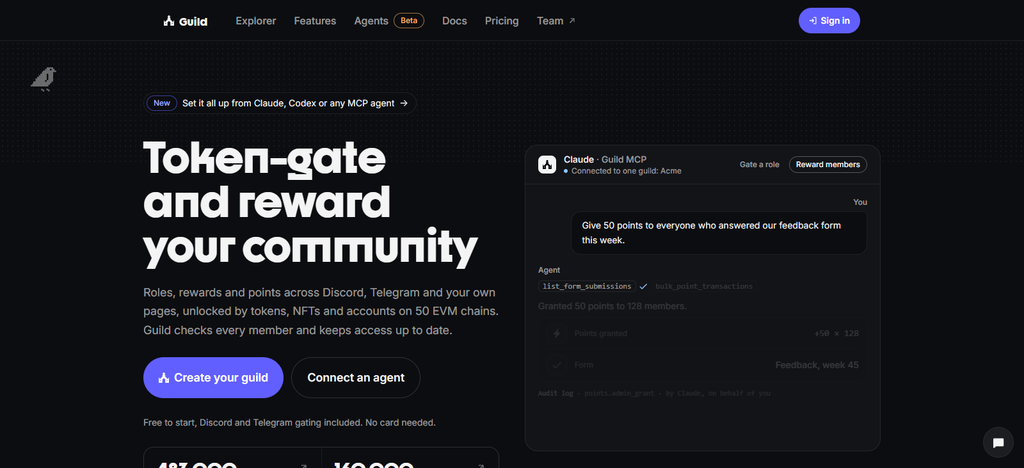
Its developer reach is useful for technical communities, as it can gate access using GitHub activity, contract deployments and hackathon or grant allowlists. Blockchain support includes over 50 EVM mainnets, like Ethereum, Arbitrum and Base.
Developer acquisition is indirect but valuable for finding verified contributors. Its main strength is community building with segmented roles, private channels, points and rewards. Integrations: Discord, Telegram, Wallets, GitHub, APIs, Custom Chains.
Highlights:
- Offers token-gated access control for online communities.
- Allows you to assign roles based on wallet holdings and credentials.
- Integrates with Discord, Telegram, GitHub and other community platforms.
- Identifies active members by tracking on-chain and social activity.
- Provides tools to manage community membership and verify access.
Best Use Cases For
- Private blockchain developer community management.
- Exclusive access to developer groups and technical resources.
- Community roles for active contributors.
- Creating token-gated communities for blockchain infrastructure projects.
Conclusion
Web3 developer marketing platforms are key for blockchain infrastructure projects to attract skilled developers, increase ecosystem awareness and drive technical adoption. Platforms like ETHGlobal, DoraHacks, Devfolio, Superteam Earn and HackQuest are enabling developer acquisition through hackathons, grants, bounties and educational programs.
At the same time, Gitcoin, Zealy, Layer3 and Guild.xyz offer funding or community engagement opportunities. The right platform depends on your blockchain ecosystem, developer acquisition goals, campaign requirements, and budget. Choosing the right tools can help build developer communities, foster innovation and enable sustainable ecosystem development in infrastructure projects.
FAQ
What Are Web3 Developer Marketing Platforms?
Web3 developer marketing platforms help blockchain infrastructure projects attract developers through hackathons, grants, bounties, educational programs, technical campaigns, and developer community-building activities.
Which Are the Best Web3 Developer Marketing Platforms in 2026?
Some notable platforms include ETHGlobal, DoraHacks, Devfolio, Superteam Earn, HackQuest, Gitcoin, Zealy, Layer3, and Guild.xyz. Each serves different developer acquisition and ecosystem engagement needs.
How Do Developer Marketing Platforms Help Blockchain Projects?
They help blockchain projects increase developer awareness, attract technical contributors, organize hackathons, distribute grants, promote infrastructure tools, and encourage developers to build decentralized applications.
Are Web3 Developer Marketing Platforms Suitable for Startups?
Yes. Early-stage blockchain startups can use hackathons, bounties, developer education, and community campaigns to introduce their infrastructure products and attract early contributors.
What Features Should a Web3 Developer Marketing Platform Offer?
Important features include developer acquisition, hackathon management, bounty programs, grant distribution, educational resources, community engagement, blockchain compatibility, and campaign tracking.