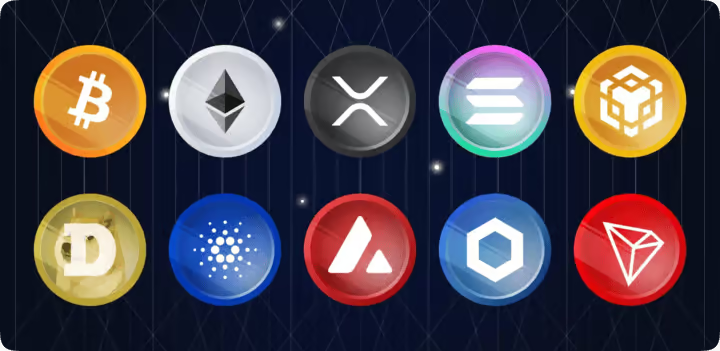
I’ll talk about the Best Crypto Coins in Asia in this post, emphasizing the most reputable and extensively used cryptocurrencies that are advancing blockchain technology in the area.
This guide focuses on coins influencing Asia’s emerging crypto and Web3 ecosystem, from well-known digital assets like Bitcoin and Ethereum to rapidly rising networks like Solana, Binance Coin, and Polygon.
What is Crypto Coins?
Blockchain technology, a decentralized and secure digital ledger that logs transactions over a network of computers, powers cryptocurrency. Crypto currencies are transparent and impervious to censorship since they are not governed by a central authority, in contrast to traditional money produced by governments.
They are employed in decentralized apps, smart contracts, investments, and payments. Solana, Ethereum, and Bitcoin are well-known examples. Crypto currencies are a crucial component of the contemporary digital economy because they facilitate quick, inexpensive international transactions and offer new financial opportunities through decentralized finance (DeFi).

Why Use Crypto Coins in Asia
Fast and Low-Cost Cross-Border Payments: Using Crypto coins allow cross-border transactions to be faster and more cost-effective. More importantly, they allow for real-time payments. The transparency of crypto coins also increase user trust in the payment system.
Growing Digital Economy: Crypto coins is heavily used in the growing digital economies in Asia. They allow oline services to flourish and grow further into online payments, e-commerce, and services.
Strong Blockchain Innovation: Asian countries like, Japan, Singapore, South Korea, and India are some of the largest developing countries for crypto coins and blockchain technology. South Korea is one of the largest gaming markets. Numerous gaming, Web3, NFT, and DeFi platforms are provided throughout Asia and made available through the use of crypto.
Financial Inclusion: Asia is the most underbanked country in the world. By decentralizing financial services, crypto is able to give the underbanked opportunities to participate in digital payments, investments, and crypto savings products.
Investment and Wealth Diversification: The crypto ecosystem is full of new assets which has been used by many Asian countries to hedge against inflation, cryptocurrecncy, and economically challenged countries.
24/7 Global Accessibility: The crypto markets are open 24/7 allowing trades and investments to be made anytime and anyhwere.
Support for Remittances and Freelancers: Cross-border payments are made easier due to the low transaction fees. Crypto is used by migrant workers, businesses, and freelancers to access international payments faster.
Government and Institutional Adoption: Among the Asian governments and institutions experimenting with blockchain, CBDCs, and regulated crypto are some of the most important.
Transparency and Security: Reduced fraud and strengthened trust in digital finance are a result of the secure, transparent, and immutable transactions blockchain technology provides.
Future-ready financial technology: By embracing crypto coins, Asia champions the future of the financial system—innovation, decentralization, and next-gen digital infrastructures.
Key Point & Best Crypto Coins in Asia List
| Cryptocurrency | Key Points |
|---|---|
| Bitcoin (BTC) | The first and most secure cryptocurrency, Bitcoin operates as a decentralized digital store of value. It uses Proof of Work, has a fixed supply of 21 million coins, and is widely considered “digital gold” for long-term wealth preservation and hedge against inflation. |
| Ethereum (ETH) | A leading smart-contract blockchain enabling decentralized applications (dApps), DeFi, and NFTs. Ethereum uses Proof of Stake, offers strong developer adoption, and serves as the foundation for most Web3 innovations. |
| Solana (SOL) | A high-performance blockchain known for extremely fast transaction speeds and low fees. Solana supports scalable dApps, NFTs, and DeFi, making it popular for high-volume and real-time applications. |
| Binance Coin (BNB) | The native token of the Binance ecosystem, used for trading fee discounts, staking, and powering the BNB Smart Chain. BNB benefits from strong exchange utility and regular token burns. |
| Polygon (MATIC) | A Layer-2 scaling solution for Ethereum that improves speed and reduces gas fees. Polygon supports multiple scaling technologies and is widely adopted by DeFi platforms and enterprise Web3 projects. |
| Ripple (XRP) | Designed for fast, low-cost cross-border payments, XRP is used by financial institutions for liquidity and remittance solutions. It offers near-instant settlement and minimal transaction costs. |
| Cardano (ADA) | A research-driven blockchain focused on security, scalability, and sustainability. Cardano uses Proof of Stake and emphasizes peer-reviewed development for long-term decentralized applications. |
| Chainlink (LINK) | A decentralized oracle network that connects smart contracts with real-world data such as prices and APIs. Chainlink is essential infrastructure for DeFi, insurance, and blockchain gaming. |
| Stellar (XLM) | Built for fast and affordable global payments, Stellar focuses on financial inclusion and cross-border transfers. It enables tokenization and seamless exchange between fiat and digital assets. |
| Avalanche (AVAX) | A highly scalable blockchain offering near-instant finality and customizable subnets. Avalanche supports DeFi, enterprise blockchain solutions, and Ethereum-compatible smart contracts. |
1. Bitcoin (BTC)
Bitcoin (BTC) is without a doubt the most famous and well established cryptocurrency. Bitcoin operates on a decentralized system and a proof of work blockchain technology. Bitcoin fuels the market and has a supply limit of 21 million coins which makes it a better option than fiat currency.
Over the last couple of years Bitcoin has managed to position itself perfectly to adopt the market in Asia with countries such as Japan South Korea and Singapore forging ahead with Bitcoin incorporation. Bitcoin is considered to be the Best Crypto Coins in Asia and is utilized for a variety of purposes.
Bitcoin (BTC) Features, Pros & Cons
Key Features
- First ever cryptocurrency to be decentralized
- Coins limited to 21 million
- Consensus via Proof-of-Work
- Very secure blockchain technology
- Store of value for the entire world
Pros
- First and most trusted cryptocurrency and cryptocurrency platform
- Great protection against increasing inflation
- Very secure transactions and large network
- Accepted by major financial institutions
- Able to be liquidated anywhere globally
Cons
- Transactions can be very slow
- High fees when the system is over loaded
- Mining is very energy consuming
- Smart contracts are limited
- The system can be over loaded
2. Ethereum (ETH)
Ethereum (ETH) powers decentralized applications and NFT platforms and is the most prominent smart-contract blockchain. With the shift to the Proof of Stake model, Ethereum has improved scalability and diminished energy usage.

As most Web3 innovations are built on Ethereum, ETH allows developers to build trustless financial systems. Blockchain startups, enterprise solutions, and even gaming platforms heavily utilize Ethereum throughout Asia.
Ethereum is vital to decentralizing finance, legimizing tokenization, and assisting layer-2 scaling networks as a member of the Best Crypto Coins in Asia list, and as such has plenty of recognition for its regional tokenization, decentralization, and scaling networks to lower costs and improve the speed of transactions.
Ethereum (ETH) Features, Pros & Cons
Key Features
- Can use smart contracts
- Consensus via Proof-of-Stake
- Large breeding ground for developers
- Underlining foundation for NFT and DeFi
- Solutions for improving scalability via layer-2
Pros
- Leading smart contract capabilities
- Large adoption for Web3
- After PoS, the system is more energy efficient
- The system is being upgraded Continuously
- Support from multiple financial institutions
Cons
- High gas fees on the main Ethereum network
- The system is over loaded from time to time
- The ecosystem is very complicated for new users
- Extremely high competition from other systems
- The use of layer 2 solutions for scaling is limiting
3. Solana (SOL)
SOL (Solana) is renowned as one of the top blockchains for its tremendous efficiency and speed coupled with its extremely low transaction costs. The combination of the Proof of Stake mechanism, and Proof of History, has allowed it to process and finalize thousands of transactions within just a few seconds.
NFT marketplaces, various DeFi protocols, as well as Web3 gaming, have all built upon this chain. The most apparent reason why the Asian crypto ecosystems have capitalized on the SOL blockchain is the velocity of transactions and the low cost of entry.
It is these same characteristics of the SOL blockchain that has cemented its reputation and made it one of the most preferred blockchains for developers, traders and gaming linked decentralized applications to utilize on.
Solana (SOL) Features, Pros & Cons
Key Features
- Very fast transactions
- Mechanism for Proof of History
- Very low fees for transactions
- Great ecosystem for NFTs and gaming
- Excellent tools for developers
Pros
- Very high performance
- Low cost for transactions
- Excellent for applications that require large volumes
- Ecosystem is expanding
- Consistent demand from retail investors
Cons
- Previous network outages
- Increased hardware requirements
- More centralized validators
- Still maturing ecosystem
- Strong competition
4. Binance Coin (BNB)
Binance Coin (BNB) is the native crypto of one of the world’s largest crypto exchange, the BInance ecosystem. Its earned through multiple ecosystem activities including staking, payments, and powering the BNB Smart chain. Its unique ability of being able to value appreciate through burn mechanisms also value justified the supply of BNB.
Furthermore, due to Binance’s enormous customer base in the Asia continent, BNB became one of the most widely used crypto. BNB also has strong exchange utility, DeFi adoption, and persistent ecosystem expansion through multiple blockchain services, namely, one of the Best Crypto Coins in Asia.
Binance Coin (BNB) Features, Pros & Cons
Key Features
- Token for the Binance ecosystem
- Discounts for trades on Binance
- Utility on BNB Smart Chain
- BNB token burn
- Token for multi-use payments
Pros
- Excellent utility on Exchange
- Daily high volume
- Supply is deflationary
- Excellent adoption of DeFi
- Backed by Binance ecosystem
Cons
- Concerns on centralization
- Regulatory risks
- Dependence on success of Binance
- Limited decentralization
- Geographically restricted
5. Polygon (MATIC)
Polygon (MATIC) is one of the said to be the best in the ethereum ecosystem. Its key value proposition is its ability to increase transaction speed and decrease gas fees. It has also partnered with multiple Layer-2 suppliers such as sidechains and zero-knowledge rollups.
As the Web3 services proliferated, so did Polygon’s adoption within the DeFi projects, NFTs Platforms, and enterprise applications. Furthermore, Polygon’s partnerships with multiple gaming and fintech enterprises in the Asia region has significantly increased the adoption of MATIC. It is highly regarded as one of the Best Crypto Coins in Asia as is of critical importance in providing cheap Devs and empowering decentralized applications.
Polygon (MATIC) Features, Pros & Cons
Key Features
- Only Ethereum Layer-2
- Cheaper transactions
- Very fast transactions
- Support for ZK and sidechains
- Partnerships with enterprise
Pros
- Ethereum gas fees reduction
- Growing adoption in Web3
- Scalability
- Easy to develop on
- Adoption by enterprises
Cons
- Ethereum dependent
- Many competitors in Layer2
- Sidechains have security issues
- Additional inflation risks with the token
- More layers of complexity
6. Ripple (XRP)
Ripple (XRP) makes it possible for financial institutions to carry out cross-border transactions using cheap and fast methods. XRP differentiates itself by allowing instant transactions with very little charge unlike its competitors in the traditional banking system.
In Asia, particularly in high-volume cross-border payment areas, payment technologies developed by Ripple are becoming popular among banks and money transfer firms.
For most liquidity acquiring and international payment transactions, XRP is very popular. XRP is identified as one of the Best Crypto Coins in Asia. With its high focus on institutional payment technology adoption, XRP is likely to remain a key player in the global payment system.
Ripple (XRP) Features, Pros & Cons
Key Features
- Fast cross-border payments
- Low transaction fees
- Bank-focused network
- High transaction throughput
- RippleNet integration
Pros
- Near-instant settlements
- Strong institutional partnerships
- Low energy consumption
- High liquidity
- Ideal for remittances
Cons
- Centralization concerns
- Legal and regulatory issues
- Limited DeFi ecosystem
- Not fully decentralized
- Adoption depends on banks
7. Cardano (ADA)
Cardano (ADA) is a scalable, sustainable and secure blockchain that is research-based. Its development is peer-reviewed, and it uses a Proof-of-Stake consensus method. Cardano has the potential to power smart contracts, decentralized applications, and identity solutions.
Its potential long-term vision and carbon-neutral technology has increased its popularity in Asia. Cardano is one of the Best Crypto Coins In Asia. It is preferred by those investing in blockchain technology that has effective decentralization, future-proof infrastructure, and strong governance.
Cardano (ADA) Features, Pros & Cons
Key Features
- Research-driven development
- Proof-of-Stake consensus
- Smart-contract support
- On-chain governance
- Sustainability focus
Pros
- Energy efficiency
- Strong academic support
- Long-term scalability
- Secure
- Decentralized
Cons
- Development pace
- Smaller dApp ecosystem
- Adoption vs rivals
- Developer complexity
- Real-world use cases
8. Chainlink (LINK)
Chainlink (LINK) has a network of decentralised oracles that provide smart contracts with data from the outside world. This includes data from price feeds, APIs, and financial information. It is important for applications in DeFi, insurance, and gaming that require real-time data.
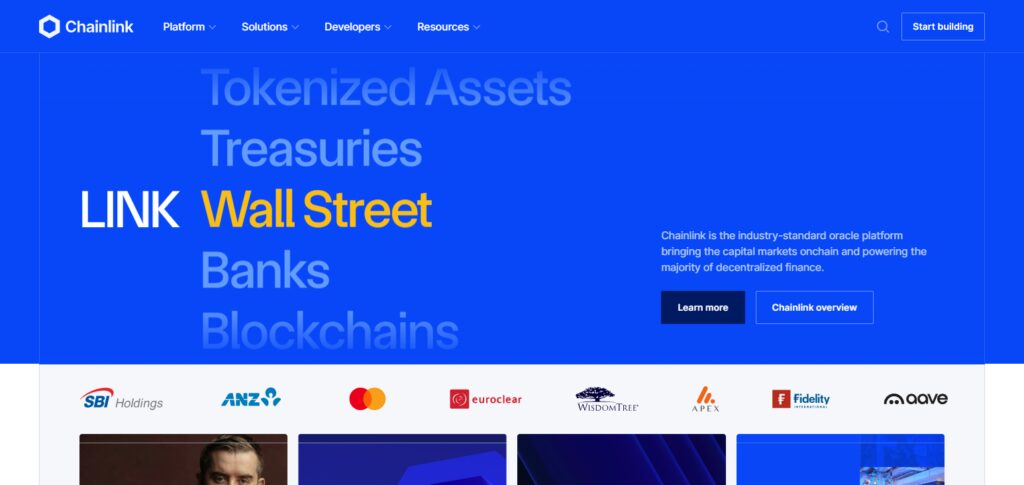
Chainlink has many partnerships and integrations with majority of the other blockchains including Ethereum and the Cosmos ecosystem. In developing Asia, Chainlink has established partnerships with different financial institutions and growing adoption from developers.
Chainlink is listed as one of the Best Crypto Coins in Asia because of the important role it plays in providing secure and assured data transfer in decentralized ecosystems.
Chainlink (LINK) Features, Pros & Cons
Key Features
- Decentralized oracle network
- Real-world data integration
- Multi-chain compatibility
- DeFi infrastructure role
- Secure data feeds
Pros
- Essential DeFi component
- High demand
- Cross-chain functionality
- Strong partnerships
- Data accuracy
Cons
- Utility ambiguity
- Price volatility
- Limited use cases
- Dependence on DeFi
- Complex technology
9. Stellar (XLM)
Stellar (XLM) is a blockchain network that provides fast and nearly free cross border transactions. It enables include seamless processing of transactions between digital and traditional currencies. Stellar’s low transaction costs make it an optimal choice for remittance services as well as micro-payments.
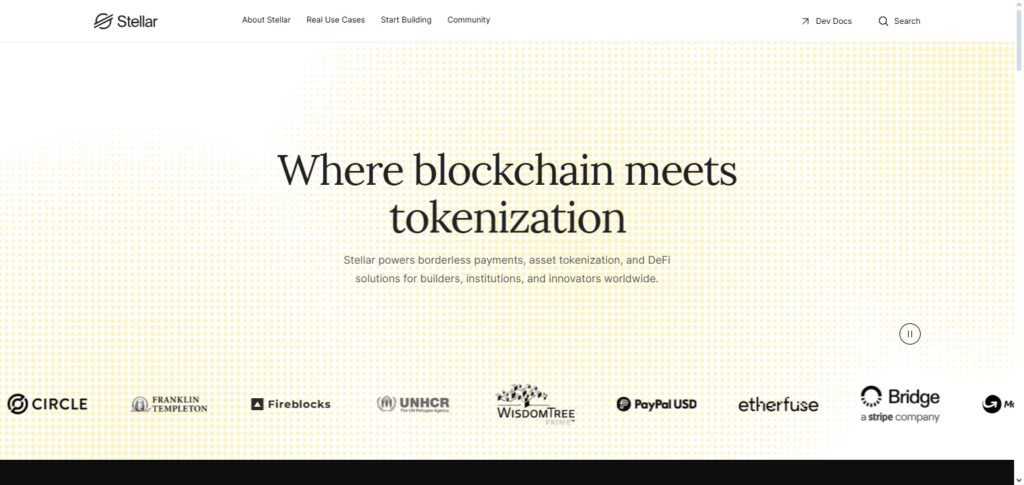
In Asia, XLM is increasingly used for cross-border payments and in other financial technology applications. Stellar is one of the Best Crypto Coins in Asia as it increases the efficiency of payments globally and also provides the same services financially to those who are less served in the market and to developing economic regions.
Stellar (XLM) Features, Pros & Cons
Key Features
- Cross-border payments
- Low transaction fees
- Financial inclusion
- Asset tokenization
- Basic blockchain-linked agreements
Pros
- Low-cost money transfers
- Speedy transactions
- Low energy consumption
- Strong partnerships with NGOs
- Straightforward to use
Cons
- Limited smart contract capabilities
- Lesser known developer ecosystem
- Less adoption of Defi
- Centralized power
- Less innovative
10. Avalanche (AVAX)
Avalanche (AVAX) allows easily accessible, highly scalable blockchain solutions with ultra-quick transaction finality at very low costs. It’s customizable subnet functionality allows developers to create specialized blockchains that can be used for various purposes, including DeFi, gaming, and for other enterprise solutions.
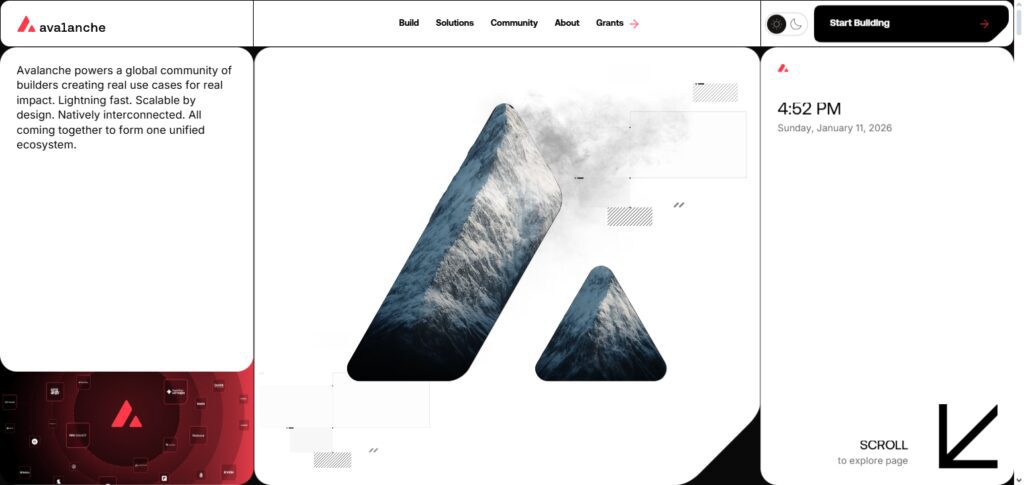
Additionally, Avalanche offers full Ethereum compatibility which aids in migration for developers. In Asia, AVAX is being quickly adopted and is gaining traction with Web3 startups and institutional projects. For enterprise solutions and decentralized applications, AVAX is fast, flexible and offers strong functionality, which is why it’s listed as a top crypto in Asia.
Avalanche (AVAX) Features, Pros & Cons
Key Features
- Great scalability
- Subnet design
- Rapid transaction boundaries
- Ethereum interoperability
- Affordable transaction cost
Pros
- Almost instant confirmations
- Customizable blockchain
- Developing DeFi
- Easy for developers
- Adoption from institutions
Cons
- Large Competition
- Subnet Sys Overcomplication
- Expensive for Validators
- Less ecosystem than Ethereum
- Yard of depth for noobs
Conclusion
Asian cryptocurrency markets are still at the forefront of blockchain innovation, investment, and adoption worldwide.
The region supports a wide range of use cases, including payments, DeFi, NFTs, and business solutions, from well-known digital assets like Bitcoin and Ethereum to high-performance and utility-driven networks like Solana, Binance Coin, and Avalanche.
Strong developer communities, significant institutional interest, and increasing regulatory clarity in important markets like Japan, South Korea, Singapore, and India are all advantages for these Best Crypto Coins in Asia.
These cryptocurrencies are well-positioned to promote financial inclusion, technological innovation, and long-term growth throughout Asia’s quickly developing digital economy as blockchain technology develops.
FAQ
Which are the best crypto coins in Asia?
The best crypto coins in Asia include Bitcoin (BTC), Ethereum (ETH), Solana (SOL), Binance Coin (BNB), Polygon (MATIC), Ripple (XRP), Cardano (ADA), Chainlink (LINK), Stellar (XLM), and Avalanche (AVAX). These coins are widely adopted across Asian markets due to strong utility, scalability, and institutional interest.
Why is Asia important for cryptocurrency adoption?
Asia is a global hub for crypto innovation, mining, trading, and blockchain development. Countries like Japan, South Korea, Singapore, and India have large user bases, active exchanges, and supportive blockchain ecosystems, making Asia a key driver of global crypto growth.
Which crypto is best for long-term investment in Asia?
Bitcoin and Ethereum are considered the best long-term investments due to their market dominance, security, and widespread adoption. They are often used as store-of-value and foundational assets in Asian crypto portfolios.
What crypto coins are best for payments in Asia?
Ripple (XRP) and Stellar (XLM) are among the best crypto coins for payments in Asia due to their fast transaction speeds, low fees, and strong focus on cross-border remittances and financial institutions.
Which crypto is best for DeFi and smart contracts in Asia?
Ethereum, Solana, Avalanche, and Polygon are leading choices for DeFi and smart contracts in Asia. These networks support decentralized applications, NFTs, and scalable blockchain solutions.