
The wealthiest Bitcoin holders and significant organizations will be highlighted in this article’s discussion of the Top Bitcoin Rich List. These holders influence market trends, acceptance, and investor interest, from the renowned wallets of Satoshi Nakamoto to institutional behemoths like MicroStrategy, BlackRock, and government reserves.
Knowing who owns significant amounts of Bitcoin worldwide can be gained by studying the Top Bitcoin Rich List.
Key Point & Top Bitcoin Rich List
| Holder | Key Points |
|---|---|
| Satoshi Nakamoto (Founder Wallets) | Estimated 1.1M BTC, untouched since creation; original Bitcoin inventor. |
| BlackRock | Institutional investment in BTC via ETFs and treasury reserves; largest asset manager exposure. |
| U.S. Government (Seized + Reserves) | Holds seized BTC from criminal cases and some treasury holdings; significant market influence. |
| MicroStrategy | Corporate BTC adoption leader; owns 150k+ BTC; CEO Michael Saylor is vocal pro-Bitcoin advocate. |
| Binance Exchange Reserves | Holds BTC to back user deposits; one of the largest exchange reserves worldwide. |
| Grayscale Bitcoin Trust (GBTC) | Investment vehicle for institutions and retail; holds hundreds of thousands of BTC. |
| El Salvador Government | First country to adopt Bitcoin as legal tender; holds BTC in government treasury. |
| Galaxy Digital (Mike Novogratz) | Crypto-focused financial services firm; actively invests and holds large BTC reserves. |
| Block.one (EOS Founders) | Early crypto investors; treasury includes BTC for strategic and operational use. |
| Winklevoss Twins (Gemini) | Founders of Gemini exchange; major early Bitcoin adopters and holders. |
1. Satoshi Nakamoto (founder wallets)
Satoshi Nakamoto, the pseudonymous founder of Bitcoin, dominates the Top Bitcoin Rich List as the single largest holder. Nakamoto is estimated to control around 1.1 million BTC. The majority of these wallets have not transacted since Bitcoin’s inception in 2009.
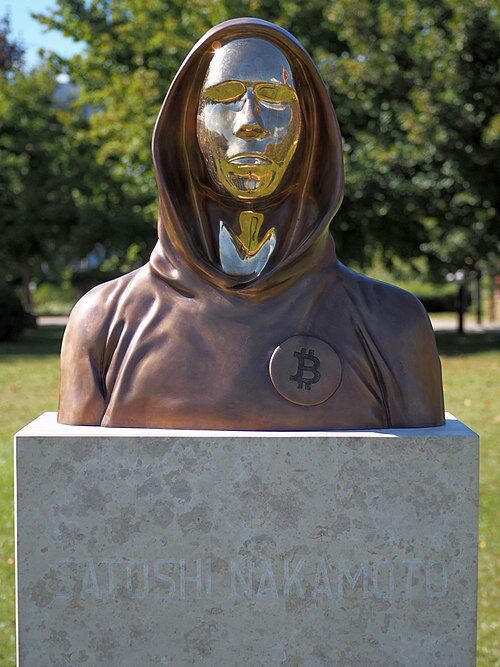
While Nakamoto has the ability to exercise significant control over the price of Bitcoin, he has not moved any of these coins in more than 10 years. Nakamoto’s early wallets, which he has divided among numerous wallets, often leave analysts anticipating the market’s potential to shift, and because of that, Nakamoto will remain an enigmatic legend.

Satoshi Nakamoto (Founder Wallets) Features, Pros & Cons
Features:
- The Bitcoin creator, Satoshi, owns the first mined BTC.
- Wallets are estimated to contain ~1 million BTC.
- Since Bitcoin’s inception, the wallets have been inactive.
- Symbolic power over Bitcoin ecosystem and sentiment.
- Embodies Bitcoin’s beginning and the ethos of decentralization.
Pros:
- Bitcoin founder’s historic significance.
- BTC wallets create large wealth storage without spending.
- BTC wallets create large Bitcoin wealth storage without draining market BTC, increasing each BTC’s scarcity, thereby increasing each BTC’s value.
- Legendary status of the founder increases status of Bitcoin.
- Provides faith in the security of the Bitcoin system in the early stages.
Cons:
- BTC wallets create wealth storage speculation.
- Unknown creator of Bitcoin has uncertainty.
- Wallets speculate to have an impact on market value if Satoshi’s BTC are ever moved.
- BTC speculation is fueled by the unknown intentions of Satoshi Nakamoto.
- Price speculation affects Satoshi Nakamoto BTC.
2. BlackRock
BlackRock is an investment manager that has recently gained exposure to institutional investments. Given how quickly investment managers turn to bitcoin via ETFs and crypto funds and treasury strategies, it shows how quickly institutional investment managers move to incorporate something into their mainstream investment strategies.

BlackRock’s BTC investment is twofold, it is a hedge and an investment. Investments like these, BlackRock legitimizes the incorporated/boundary-less finance of the crypto world. In fact, some analysts argue that BlackRock has so much influence that just because it bitcoin ETFs, their investment products and converters, and the products they begin to offer will create BTC (Bitcoin and Finanza), black or otherwise, and create the BTC ‘M’ arc, and so will create, along with gold, the ‘Bitcoin Rich List’ of BTC.
BlackRock Features, Pros & Cons
Features:
- Largest asset management company in the world.
- Recently began investing in, or exploring, BTC exposure opportunities for clients.
- Brings institutional credibility to the crypto market.
- Has the power to change market sentiment effectively with investments.
- Sells Bitcoin via ETFs or by holding them indirectly.
Pros:
- Provides institutional trust and legitimacy.
- Provides the ability to invest at scale.
- Facilitates the acceptance of Bitcoin among traditional financial institutions.
- Can help stabilize the market by holding long-term positions
- Significant experience with managing portfolios
Cons:
- Centralized power may go against the spirit of decentralization
- Potential negative market effects from large trades
- Potential regulatory concerns related to size
- BTC holdings are indirect with no actual coins
- Crypto confidence may be impacted by risk of outflow
3. U.S. Government (seized + reserves)
The Top Bitcoin Rich List recognizes the U.S. Government as a Bitcoin holder due to BTC obtained from criminal seizures and treasury reserves. The U.S. Government also possesses a large volume of Bitcoin due to BTC auctioned to the Government during law enforcement seizures. These assets, while not used for trading or investment purposes, are indicative of one of the largest centralized BTC repositories.

Auctions of seized BTC occasionally influence the liquidity and pricing of Bitcoin. The Government’s regulation of the cryptocurrency markets also has a significant influence on the level of Bitcoin adoption. Overall, these seized reserves underscore the U.S. Government’s role as a significant stakeholder on the Bitcoin Rich List and highlight the intersections of cryptocurrency, regulation, and enforcement.
U.S. Government (Seized + Reserves) Features, Pros & Cons
Features:
- The U.S. Government holds BTC that has been confiscated from illegal activities.
- The U.S. Government sometimes publicly auctions these coins.
- The U.S. Government periodically adds Bitcoin liquidity to the market.
- The U.S. Government holds Bitcoin as a part of its federal assets.
- The U.S. Government affects how people view the legality and regulation of Bitcoin.
Pros:
- Bitcoin is recognized as an asset.
- Auctions create a regulated market supply of BTC.
- Provides some security and oversight.
- Can stabilize price with a controlled release.
- Establishes a legal framework for regulating cryptocurrencies.
Cons:
- The sale of coins may decrease market prices.
- Coins may remain idle which will decrease the circulating supply.
- Centralized holding of Bitcoin goes against the spirit of decentralization.
- Lack of transparency in auctions can lead to speculation.
- Political influences may affect how people view Bitcoin.
4. MicroStrategy
MicroStrategy is listed as one of the top corporate adopters of Bitcoin on the Top Bitcoin Rich List. Under the leadership of CEO Michael Saylor, the company has purchased more than 150,000 BTC, often using debt to finance acquisitions.
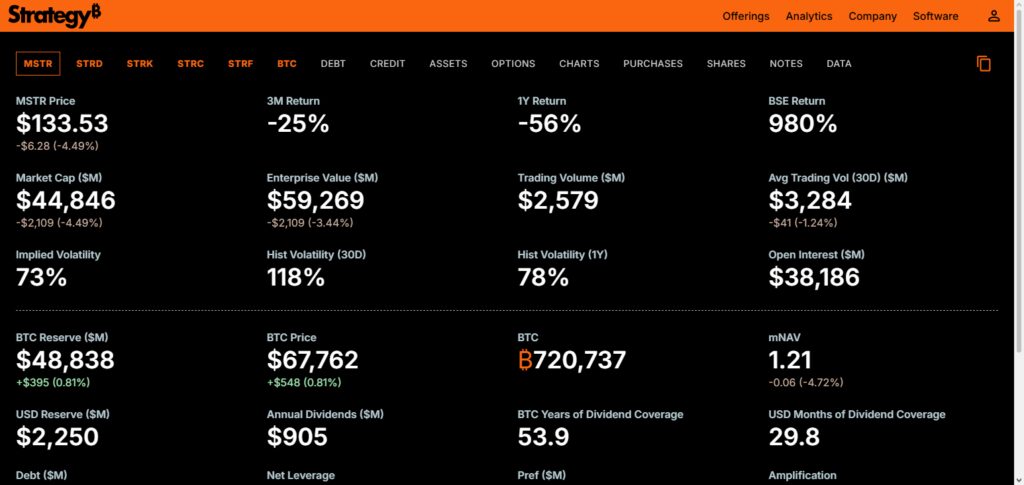
Saylor is of the opinion that BTC is a corporate reserve asset that protects a company’s cash from inflation. The company’s BTC acquisitions and reports of BTC holdings have influenced other companies and encouraged a large number of investors to adopt Bitcoin, further entrenching the company as a leader of corporate crypto adoption.
The company’s reputation as a major institutional investor on the Bitcoin Rich List is supported by its strategy of buying crypto and advertising its support for Bitcoin.
MicroStrategy Features, Pros & Cons
Features:
- Strategies based on enterprise Bitcoin treasury.
- More than 150,000 BTC are held in corporate reserves.
- The firm is publicly traded and has exposure to cryptocurrency.
- Led by Michael Saylor, they advocate for more people to adopt Bitcoin.
- Uses Bitcoin as a means to preserve wealth over the long term.
Pros:
- Establishes credibility for corporate investment in Bitcoin.
- Promotes awareness of the market for institutional Bitcoin adoption.
- Advocacy at this level facilitates the trust of the general public.
- Incentive for holding Bitcoin for the long term.
- Promotes corporate investment in Bitcoin at a global level.
Cons:
- Increased corporate financial risk from high exposure.
- Corporate valuations are subject to the negative impact of Bitcoin’s price volatility.
- Possession of significant Bitcoin resources by a corporation means increased corporate control.
- Increased public scrutiny.
- Corporate financial strategies are subject to the volatility of crypto markets.
5. Binance Exchange Reserves
Due to significant Bitcoin (BTC) reserves, Binance, the most prominent crypto exchange in terms of trading volume, ranks highly in the Top Bitcoin Rich List. BTC reserves are responsible for the liquidity of user deposits, withdrawals, and margin trading.
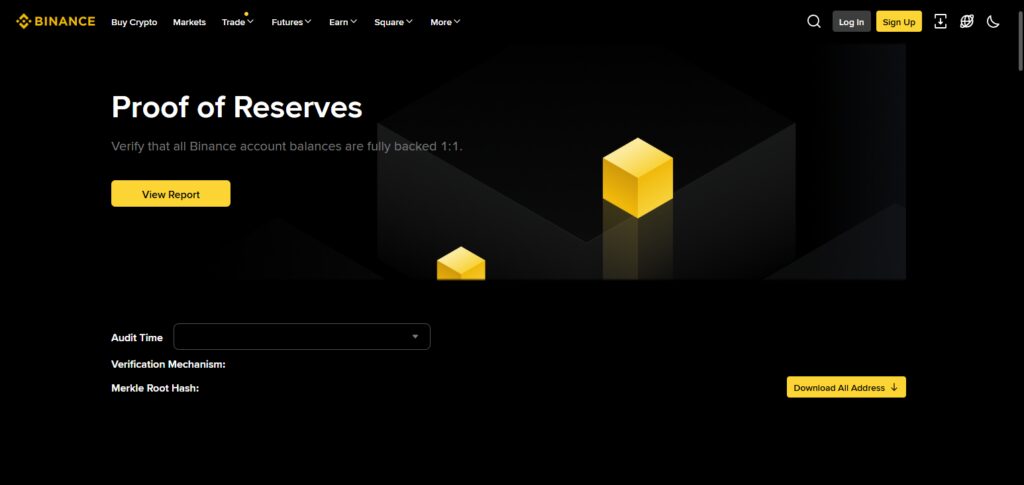
The way Binance manages reserves affects the BTC market, and its volume has the potential to shift the BTC market sentiment. For BTC, Binance also engages in long-term repos as treasury management. Being both a custodian and a market user, Binance holds BTC like a crypto exchange, which explains why the company dominates the Bitcoin Rich List.
Binance Exchange Reserves Features, Pros & Cons
Features:
- Holds Bitcoin as liquidity for a cryptocurrency exchange.
- Offers trading, staking, and services for institutional clients.
- Offers audit-backed reserve transparency.
- Acts as a major global liquidity provider.
- Controls market sentiment through the movement of their wallet.
Pros:
- Operations are supported by their trading reserves.
- Price stability is supported by their liquidity.
- Offers increased global adoption and accessibility.
- Offers user confidence through reserves.
- Strengthened ecosystem through partnerships.
Cons:
- Risk of a centralized exchange (hacker breaks, and regulations).
- Significant market panic may result from a large withdrawal.
- Increased risk from the exchange’s security.
- Increased regulations.
- Centralization and regulation of the crypto system.
6. Grayscale Bitcoin Trust (GBTC)
Among the Top Bitcoin Rich List is the Grayscale Bitcoin Trust (GBTC) which is a large investment trust that lets institutional and retail investors get exposure to BTC without having to own it directly.
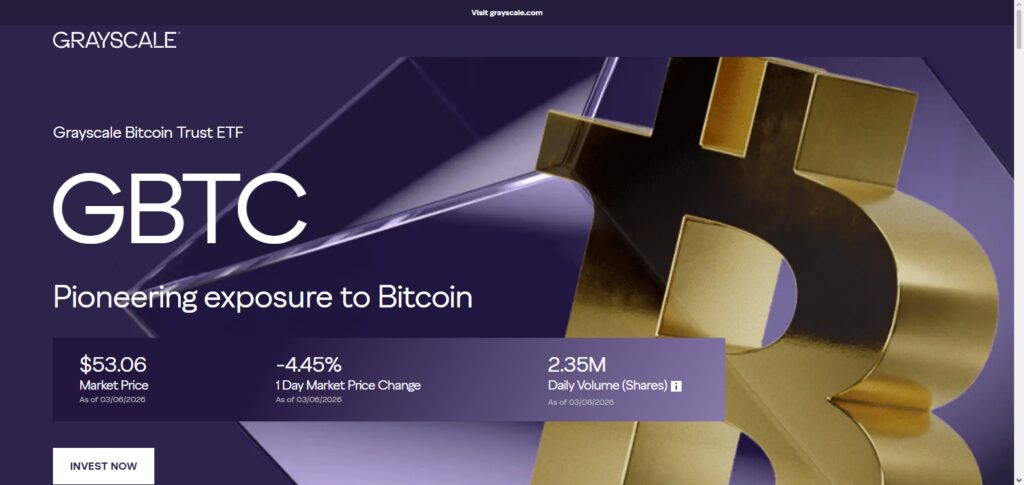
Because GBTC holds hundreds of thousands of Bitcoins in a trust, investors are able to gain Bitcoin market exposure through a typical brokerage account. GBTC also acts as a large-scale Bitcoin holder, helping to provide transparency in reporting, which can impact BTC investor sentiment and Bitcoin’s liquidity.
Grayscale’s BTC trust shares are actively traded, and the firm’s trust share accumulation is a market sentiment indicator, typically in line with BTC’s market accumulation. Bridges between traditional finance and crypto markets are sparse, and GBTC’s position on the Bitcoin Rich List demonstrates the increasing institutional adoption of, and trust in, Bitcoin as a valid asset.
Grayscale Bitcoin Trust (GBTC) Features, Pros & Cons
Features:
- Investment vehicle that provides stock market investors exposure to Bitcoin.
- Transactions occur on standard stock exchanges
- BTC is accessible to both institutions and retail investors.
- Large amounts of Bitcoin are held in the trust.
- BTC can trade at a premium or a discount.
Pros:
- Investments can be made without the knowledge of cryptocurrency.
- Transparent and regulated vehicle for investment.
- Supports the adoption of institutional investment.
- Offers simplified exposure to Bitcoin without the need for direct wallets.
- Positive impact on the legitimacy of the market.
Cons:
- Bitcoin can trade at a premium or a discount to its true value.
- Losses due to fees are compounded over time.
- Management of the trust funds is centralized.
- Regulatory and legislative control of the SEC limits flexibility.
- Investors have very little voting or governing power.
7. El Salvador Government
El Salvador is on the Top Bitcoin Rich List due to the government’s national BTC holdings. The government bought thousands of Bitcoins to bolster BTC’s use as legal currency and strengthen the digital economy. The BTC reserve also facilitates financing of public projects, direct BTC payment use at border co Tennessee, and influx of private foreign BTC-related business interests.

The country pioneered the use of national holdings of Bitcoin to BTC fund public private projects. El Salvador’s approach garnered BTC associated public financing infrastructure investing and BTC with state involvement cryptocurrency investment.
El Salvador Government Features, Pros & Cons
Features:
- First nation to make Bitcoin a legal tender.
- Bitcoin reserves are held for treasury and national projects.
- Bitcoin is encouraged for use in commerce and remittances.
- State adoption is facilitated through partnerships with exchanges.
- Bitcoin is incorporated in the national economic strategy.
Pros:
- Adoption of Bitcoin by a country is a world first.
- Positive impact on the cryptocurrency knowledge and use.
- Legal tender adoption sets a precedent for other nations.
- Increased tourism and initiatives for the cryptocurrency economy.
- National reserves are broadened.
Cons:
- Volatility of Bitcoin is detrimental to the nation’s treasury.
- Domestic and international criticism and skepticism.
- Regulatory challenges from international bodies.
- Having only BTC for their ecosystem is concerning.
- The social and political dangers are many if adoption is met with opposition.
8. Galaxy Digital (Mike Novogratz)
Mike Novogratz Galaxy Digital appears on the Top Bitcoin Rich List as a notable institutional investor and crypto-based financial services firm. The firm also invests and trades and holds large quantities of BTC for operational and strategic reasons. Galaxy Digital also provides institutional clients with liquidity and market data as well as investment products. Consequently, the firm actively shapes the Bitcoin market.
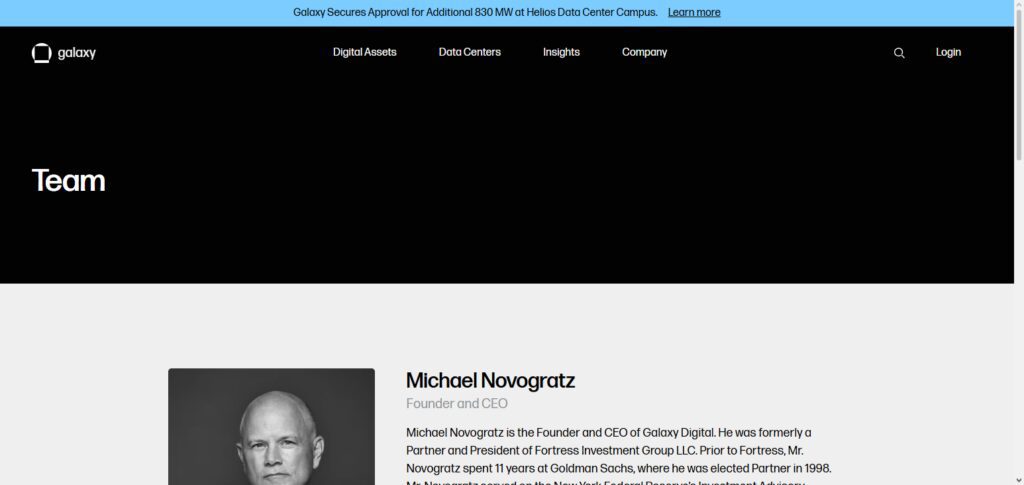
Novogratz’s public statements and the firm’s treasury holdings (which may be large relative to the firm’s balance sheet) also influence market sentiment. Galaxy Digital’s activity in BTC management combined with its diversified exposure to crypto assets is a strong demonstration of professional institutional crypto adoption, justifying its inclusion on the Bitcoin Rich List.
Galaxy Digital (Mike Novogratz) Features, Pros & Cons
Features:
- Merchant banking and crypto investments.
- BTC is part of their crypto asset portfolio.
- Crypto investments at the institutional level.
- Managed by Mike Novogratz, who is a famous investor.
- Trading, staking and advisory are part of the business.
Pros:
- Crypto markets can practice their trade with Galaxy, so it will legitimize them.
- Investing in crypto is very new and complicated, so having experienced leaders is a positive.
- Less risk is associated with a diverse portfolio.
- Investing in crypto is new, and having Galaxy makes it easier for all markets.
- BTC will be viewed by many as an asset because of Galaxy.
Cons:
- Gain exposure to the financial risk from the market.
- Reliance on head of the firm is dangerous.
- Assets are held in a centralized manner.
- Their holdings are susceptible to the regulations of the various jurisdictions.
- Their portfolios are impacted by the volatility in the prices of crypto.
9. Block.one (EOS founders)
The EOS Founders, through Block.one, are on the Top Bitcoin Rich List for early investments and treasury BTC holdings. As early pioneers of the blockchain ecosystem, Block.one, in contrast, Bitcoin, for its strategic reserves, operational expenditure, and long-term investment. These reserves in BTC offer the firm the needed flexibility for ecosystem growth, collaborations, and stability in its corporate treasury.

Although Block.one is not an active trader, its BTC is a large wealth holder in the cryptocurrency industry, and as such, influences its projects and market. Their place on the Bitcoin Rich List also shows the founders of other blockchain projects that maintaining large BTC holdings alongside active corporate engagements is a trait of early crypto innovators.
Block.one (EOS Founders) Features, Pros & Cons
Features:
- Early bitcoin investors and blockchain firm of EOS.
- Crypto and BTC are part of their holdings.
- Invests and develops blockchains.
- Develops, then funds, token projects.
- Believes in blockchain for enterprises.
Pros:
- Funded crypto investment is more than just speculation with a chance to grow so it will improve the ecosystem.
- Partnerships can increase adoption.
- Large BTC holdings are a sign of confidence.
- The best projects are funded by early investors in crypto.
Cons
- Increased risk from concentrated BTC holdings.
- Limited transparency in public movement of wallets.
- Reliant on the success of the EOS network.
- Centralized control in influences on the projects.
- Portfolios impacted by price volatility.
10. Winklevoss Twins (Gemini)
As early Bitcoin adopters, the founders of the Gemini exchange the Winklevoss twins, are featured on the Top Bitcoin Rich List. They bought large quantities of Bitcoin in its early years, and they are still believed to hold large amounts, both personally and as a company (through Gemini’s treasury).
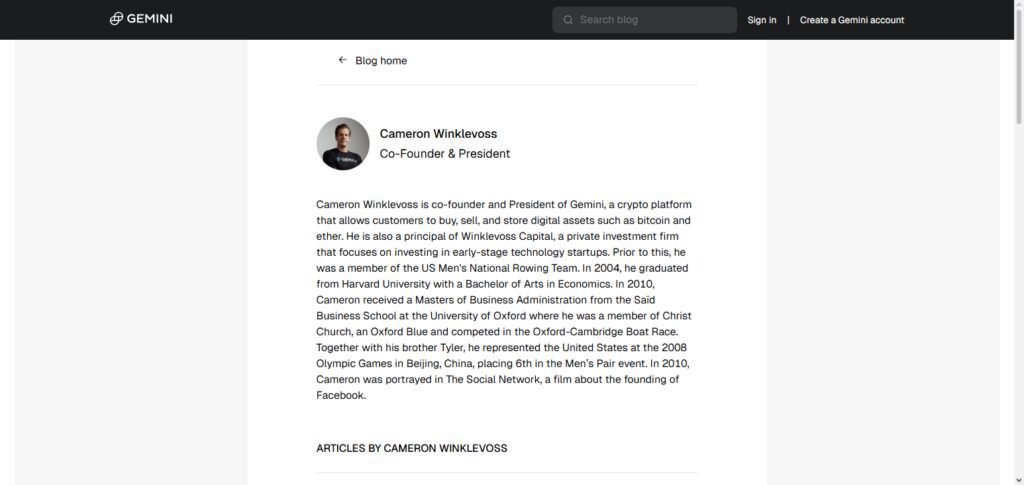
Their strong advocacy and market commentary, as well as their exchange, help Bitcoin to gain more acceptance and liquidity. Moreover, the twins advocate for the regulation and institutional integration of crypto.
Their prominence, as investors, founders of an exchange, and advocates for crypto, solidifies their place among the top Bitcoin holders, illustrating the impact and influence that pioneer investors and value holders possess in the Bitcoin arena.
Winklevoss twins (Gemini) Features, Pros & Cons
Features:
- Founders of the Gemini exchange.
- Early Bitcoin investors.
- Hold large BTC reserves used for trading and institutional products.
- Advocates for the regulation of crypto.
- Offer custody, trading, and investment services.
Pros:
- Trusted exchange and institutional platform.
- High BTC holdings indicate confidence in the market.
- Strong regulatory compliance.
- Advocates for safe crypto.
- Support the crypto ecosystem through products and partnerships.
Cons:
- Centralized control over assets.
- Risks of hacking and other exchange issues.
- Large trades may cause market fluctuations.
- Multiple country regulatory issues.
- Holdings impacted by price volatility.
Conclusion
From the enigmatic founder Satoshi Nakamoto to institutional behemoths like BlackRock and forward-thinking nations like El Salvador, the Top Bitcoin Rich List of 2026 showcases the wide variety of Bitcoin holdings.
These holdings promote worldwide adoption, impact liquidity, and mold the market. Strategic treasury management is demonstrated by corporate executives like MicroStrategy and Galaxy Digital, while investment vehicles like Grayscale and exchanges like Binance facilitate institutional and retail involvement.
The Winklevoss twins and the creators of Block.one are examples of early adopters who demonstrate how investing in Bitcoin with foresight can have long-term effects. Gaining knowledge of these important players can help one better understand market dynamics and how bitcoin wealth is changing.
FAQ
Who is the richest Bitcoin holder in 2026?
The richest Bitcoin holder is widely believed to be Satoshi Nakamoto, Bitcoin’s mysterious creator, with an estimated 1.1 million BTC in founder wallets, largely untouched since 2009.
How much Bitcoin does BlackRock hold?
BlackRock holds significant BTC exposure through ETFs and institutional investment products, making it one of the largest institutional holders on the Top Bitcoin Rich List.
Why is the U.S. Government on the Bitcoin Rich List?
The U.S. Government holds BTC from seized assets and some reserves. These holdings are significant but are mostly for regulatory, legal, and auction purposes rather than trading.
How much Bitcoin does MicroStrategy own?
MicroStrategy has acquired over 150,000 BTC as part of its corporate treasury strategy, making it one of the largest corporate Bitcoin holders globally.