
Negotiations over a U.S.–Iran war have reached a crucial and delicate stage, with officials from both countries and regional mediators working around the clock to cement an initial proposed ceasefire of 45 days. The push is broadly viewed as a final effort to stave off further escalation and avoid high-impact military strikes, as deadlines approach and backup military plans sit on standby.
Qatar — along with Pakistan, Egypt and Türkiye — has taken on a key mediating role in fostering this dialogue while direct lines of communication remain open between U.S. envoy Steve Witkoff and Iranian Foreign Minister Abbas Araghchi. The diplomatic moves come amid mounting international alarm that the conflict could escalate into a wider regional crisis.
The proposed pact is instead being structured in two main phases that would seek to stabilize the situation, according to recent reports. The initial stage would involve a 45-day cease-fire, during which both sides would stop fighting and leave room for prolonged discussions.
The second stage would discuss more complicated and longer-term problems, such as Iran’s uranium stockpile and the reopening of the Strait of Hormuz, an essential worldwide energy route.

But Iranian officials have been doubtful over temporary cease-fire deals. They have warned against repeating scenarios of the past in areas like Gaza and Lebanon, where temporary solutions fell apart down the line and combat resumed. This particular concern highlights Iran’s inclination for a more sustainable and inclusive solution that isn’t simply a short term pause.
The conflict has also laid bare growing geopolitical divisions, especially among Western allies. Other European nations, Spain and Italy as well as France, have refused to back U.S.-led militaristic actions.
Spain has also allegedly barred U.S. planes connected with the war from entering its airspace, and France has blocked planes carrying Israeli weapons. Germany also rebuffed U.S. pleas for support, saying that diplomatic engagement had failed and that it disagreed with escalation strategies. Such tensions have frayed traditional alliances and raised doubts over future cooperation.
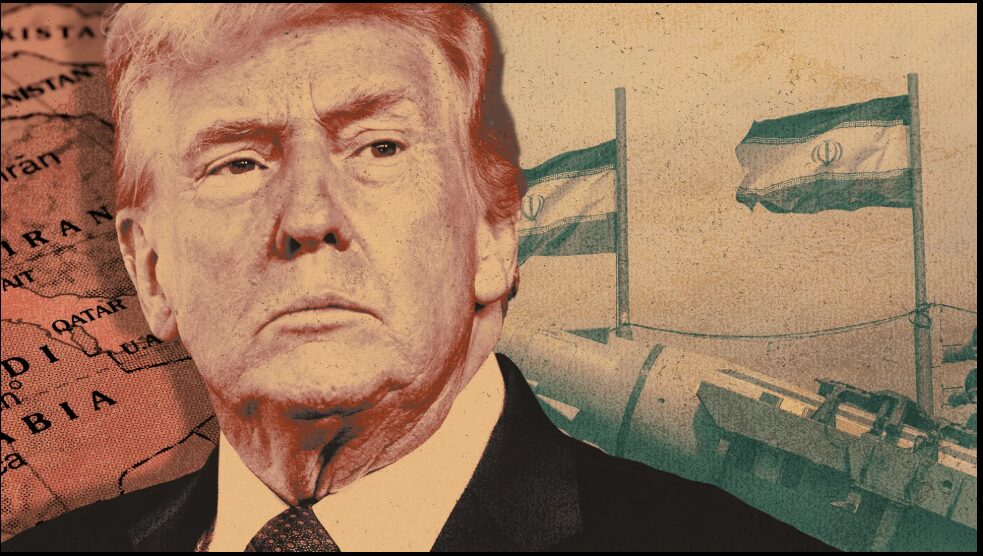
His decision this week to extend the deadline of a negotiation has only fueled the timeline of the conflict. The deadline, originally set at 10 days, was extended an extra 20 hours, with a new cutoff to come on Tuesday evening.
Either way, Trump has made it clear that if a deal is within reach, it can still be able to be done; but lack of compromise would send shock waves across the country targeting infrastructure points such as power plants and bridges. News reports also indicate a joint U.S.-Israeli contingency plan pulling together for targeting energy facilities in Iran, should diplomacy not pan out.
Simultaneously, global markets respond to the dollar domino effect. Crude oil prices have soared to above $111, due to threatened escalation across the Bab el-Mandeb Strait of transit that accounts for almost 9% of world oil output.
Kicking off the day, financial markets reacted with initial volatility only to recover subsequent throughout the day as cryptocurrencies began rebounding. Bitcoin rose above $70,000 before settling around $68,683, a 3.9% gain, while Ether and Solana posted gains of around 5% and 3%, respectively. Total cryptocurrency market cap has also grown by 3.4%, signalling renewed investor confidence against a backdrop of geopolitical instability