
This article discusses CPG Brands Using Blockchain for Supply Chain Trust. Within this article, major consumer packaged goods brands will be analyzed for the implementation of modern technology to provide transparency and traceability.
Nestlé, Unilever, PepsiCo and Mondelez are just a few of the companies using modern technology to sourced claims, visibility of the supply chain, readiness, using block chain to provide trust.
Key Point & CPG Brands Using Blockchain for Supply Chain Trust
| CPG Brand | Key Point: Blockchain Supply Chain Sustainability Use |
|---|---|
| Nestlé | Uses blockchain solutions to improve traceability of raw materials like cocoa and coffee, helping verify ethical sourcing and sustainability claims. |
| Unilever | Applies blockchain technology to track responsible sourcing, carbon data, and product supply chains for greater transparency. |
| Procter & Gamble (P&G) | Explores blockchain-based tracking systems to enhance supply chain visibility, product authenticity, and sustainability reporting. |
| PepsiCo | Uses digital supply chain technologies, including blockchain, to monitor sourcing practices and improve environmental accountability. |
| Mondelez International | Leverages blockchain for ingredient traceability, especially in cocoa supply chains, supporting responsible farming initiatives. |
| Danone | Uses blockchain-based traceability systems to verify sustainable sourcing, improve food transparency, and strengthen consumer confidence. |
| Johnson & Johnson | Applies blockchain technology to improve healthcare product traceability, supply chain security, and responsible sourcing practices. |
| Colgate-Palmolive | Uses blockchain and digital tracking solutions to enhance ingredient transparency and validate sustainability commitments. |
| Kimberly-Clark | Explores blockchain-enabled supply chain monitoring to support responsible forestry, sourcing verification, and sustainability goals. |
| Reckitt | Uses blockchain solutions to improve supply chain transparency, verify responsible sourcing, and support environmental compliance efforts. |
1. Nestlé
Nestlé is among the major CPG brands implementing blockchain supply chain technology. Blockchain systems enable the global sourcing of Nestlé products to be more transparent and traceable. Nestlé has some of its coffee, cocoa, and dairy tracked from the farm to the consumer via traceable systems.
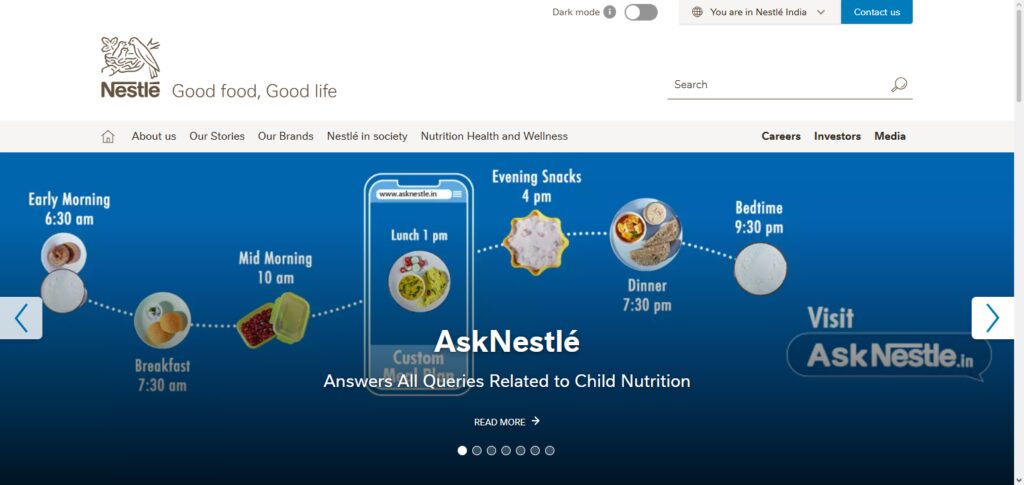
These systems ensure sourced, certified, and farmed product elements comply with standards. Nestlé and other CPG Brands Using Blockchain for Supply Chain Trust construct almost permanent and immutable records. Nestlé’s traceable systems help achieve its sustainability objectives, supply chain blockages, and reinforce consumer trust in the products.

Nestlé Features, Pros & Cons
Features:
- Offers blockchain-based traceability for cacao, coffee, and dairy.
- Tracks products from source to consumer.
- Verifies ethical sourcing and sustainability.
- Improves transparency in a worldwide supply network.
- Digitally secures supply chain data.
Pros:
- Consumers have greater control to validate product info.
- Increased visibility for sourcing raw materials.
- Supports responsible farming.
- Reduces risks in supply chains.
- Improves sustainability in reporting.
Cons:
- Requires significant investment in technology.
- Relies on suppliers and accurate data.
- Systems integration is difficult.
- Slow adoption of blockchain.
- Requires upkeep with new releases.
2. Unilever
Unilever implements blockchain technology in building transparent and sustainable supply systems. Unilever considers responsible sourcing, the impact of the various products, and the raw materials in sourcing.
With blockchain, Unilever can almost permanently construct digital records of its suppliers and verify sustainability claims. Unilever and other CPG Brands Using Blockchain for Supply Chain Trust are improving responsible sourcing visibility for tea, palm oil, and other agricultural products.
Unilever combines blocks of construction with digital supply chain methods to boost responsibility and sustainability to support its ethical suppliers.
Unilever Features, Pros & Cons
Features:
- Responsible sourcing tracking utilizes blockchain.
- Sustainability data of suppliers is monitored.
- Supply chains for agriculture are made clearer.
- Confirmation of ethical sourcing is assisted.
- Supply chains are secured digitally.
Pros:
- Improves credibility with sustainability.
- Sustainability targets are made clearer with the aid of suppliers.
- Timely delivery of goods is enhanced with improved tracking.
- Confidence in support is increased.
- Environmental reporting is aided.
Cons:
- Cost of satisfaction is high.
- Adoption of supplier technology is needed.
- Control of the globe is made difficult.
- Legacy systems are difficult to work with.
- Requires Commitment & Continual Control.
3. Procter & Gamble
Procter & Gamble (P&G) is looking to implement blockchain technology to bolster supply chain transparency, product verification, and sustainable accounts.
While managing thousands of suppliers globally, blockchain can help P&G digitally keep track of every record related to the materials and the processes and activities related to manufacturing and distributions.
CPG Brands Using Blockchain for Supply Chain Trust like P&G implement decentralized data systems for greater accuracy in tracking and managing the risk of counterfeit products and inadequate sourcing.
Better collaboration with suppliers, ethical sourcing, and greater visibility throughout a product’s life cycle enhances P&G’s efforts to strengthen its customers’ trust and assists in furthering its initiatives for sustainability and its commitment to being environmentally responsible.
Procter & Gamble (P&G) Features, Pros & Cons
Features:
- Offers traceability for supply chains via blockchain.
- Confirms product authenticity.
- Supports improved supplier data.
- Responsible procurement practices are enhanced.
Pros:
- Reduces risk of counterfeit products.
- Enhanced supply chain transparency.
- Improved industry trust.
- Meets compliance standards.
- Facilitates collaboration with suppliers.
Cons:
- Expensive systems to implement.
- Requires technical specialists.
- Complex to navigate global supply chains.
- Relies on suppliers for accurate data.
- Emerging standards for the industry.
4. PepsiCo
PepsiCo employs innovative and modern digital technologies and systems, including solutions based on blockchain, to enhance the monitoring of transparency and sustainability for its supply chains.
PepsiCo has a complex system of global supply and distributed networks for agriculture, manufacturing, and packaging. Blockchain can help PepsiCo verify sourcing, track sustainability of ingredients, and record sustainable practices.
CPG Brands Using Blockchain for Supply Chain Trust like PepsiCo are working towards greater visibility from Suppliers to consumers.
This technology fuels responsible agriculture, and environmental and supply chain sustainability. Using blockchain, PepsiCo aims to greater transparency for supply chain, improve trust, and strengthen relationship with customers and partners.
PepsiCo Features, Pros & Cons
Features:
- Information on sourcing food from farms.
- Initiatives to support farming sustainably.
- Better ways to trace farming ingredients.
- Monitoring food supply chain digitally.
- Shows who makes food up.
Pros:
- Visibility for the food supply chain.
- Supports company goals for sustainability.
- Customer trust supports business.
- /Reasons for stress/
Cons:
- Major income needed to support.
- Getting farmers on board is tough.
- Makes data challenges harder.
- Supply chains get tricky across countries.
- Workers have to learn about the new system.
5. Mondelez
Mondelez International employs blockchain to enhance visibility within their international network, especially for critical components, such as cocoa. The company emphasizes responsible sourcing programs, which necessitate precise monitoring of farming practices, supplier data, and sustainability requirements.
CPG Brands Using Blockchain for Supply Chain Trust, such as Mondelez, employ blockchain to establish a recorded system of traceability for ethical sourcing and responsible production.
This system aids the authentication of sustainability claims and enhances supplier responsibility and product confidence among consumers. Implementation of blockchain enables Mondelez to maintain its focus on sustainable farming and the responsible management of their supply chain.
Mondelez International Features, Pros & Cons
Features:
- Tracks cocoa supply network via blockchain.
- Verifies farming with a safe conscience.
- Digitial records for ingredients.
- Better view for suppliers.
- Monitors sustainable goals.
Pros:
- Supplies cocoa with a clear conscience.
- Easier to see sustainability.
- Supports ethical selling.
- Monitors suppliers.
- Better farming methods drive this.
Cons:
- Smaller suppliers may struggle.
- Costs to set this up.
- Needs to trust supply data.
- Tough to get this worldwide.
- Supports continuous tech needs.
6. Danone
Danone focuses on responsible sourcing and sustainability as a global food and beverage company. Danone enhances the traceability of its food products by using blockchain technology and tracking the sustainability of the products and ingredients across its supply chain.
Danone uses blockchain technology in the traceability of its products and ingredients to provide greater product safety and integrity for consumers.
CPG Brands Using Blockchain for Supply Chain Trust notes that Danone uses this technology to strengthen the accountability of its suppliers, as well as providing consumers greater trust in the sustainability of Danone’s products.
Danone uses transparency from blockchain technology to support sustainability in agriculture, strengthen its brands, and provide responsible assurance in the supply chain.
Danone Features, Pros & Cons
Features:
- Traceability systems for food on blockchain
- Capture crop sourcing on farming
- Supports sustainable farming
- Better visibility on products
- Better management of supply chain data
Pros:
- Boosts tracking in food safety.
- Develops customer trust.
- Assists with sustainability reports.
- Creates accountability in suppliers.
- Brings certainty in supply chains.
Cons:
- Integration expenses are high.
- Supplier cooperation is needed.
- Possible privacy concerns.
- Complicated operations worldwide.
- Needs an updated system often.
7. Johnson & Johnson
Johnson & Johnson has developed blockchain usage for supply chain security, product trackability, and responsible sourcing in both healthcare and consumer goods sectors.
The company operates within highly controlled supply chains, meaning product data and verification are both crucial. With its distributed ledger, blockchain allows secure entries for the traceability of raw materials and manufacturing and supply distribution.

CPG Brands Using Blockchain for Supply Chain Trust like Johnson & Johnson are gaining supply chain transparency, less counterfeiting and fraud, and better compliance.
Digital supply chain advancements means the company has better products, better control of it suppliers, and better trust from their customers and health care partners.
Johnson & Johnson Features, Pros & Cons
Features:
- Healthcare Product tracing.
- Authentication verification.
- Supply chain security.
- Compliance verification.
- Transaction security.
Pros:
- Less chance of counterfeit.
- Better compliance with regulations.
- Safer products.
- Secure supply chains.
- Increased transparency.
Cons:
- Overhead with regulations.
- Costly integration.
- Complex networks.
- Blockchain is specialized.
- Changes to data systems.
8. Colgate‑Palmolive
Colgate-Palmolive integrates technology like blockchain and digital tracking in its supply chain and sustainability endeavors. It focuses on sourcing raw materials and packaging with responsibility and integrity.
Information of suppliers can be verified using blockchain and the traceability of products can be recorded, in addition to creating reliable records of sustainability. CPG Brands Using Blockchain for Supply Chain Trust reinforces the notion of supply chain clarity and brings products to consumers.
The positive impacts of climate change, ethical sourcing of packaging and blockchain authenticity are used as reporting tools and promote accountable practices and sustainable product development.
Colgate-Palmolive Features, Pros & Cons
Features:
- Digital ingredient tracking.
- Sustainable supply chains.
- Flexible digital chains.
- Digital records.
- Protected data.
Pros:
- Increased sourcing/brand improvement.
- Maintains trust.
- Better transactions.
- Environmental reporting.
Cons:
- Integration costs.
- Supply chains may need upgrading.
- Less consumer knowledge.
- Additional technology costs.
9. Kimberly‑Clark
Kimberly-Clark is researching transparency in sourcing via blockchain solutions, specifically concerning forestry and production sustainability. Kimberly-Clark creates essential consumer products that manage raw materials and supplier networks.
Blockchain helps create digital records and verifies sourcing for sustainability reporting. Brands like Kimberly-Clark that are Consumer Packaged Goods Brands and use Blockchain for Supply Chain Trust receive improved monitoring, supply chain visibility, and consumer confidence.
By adopting blockchain, Kimberly-Klark will promote sourcing, support their supply chain goals, and reinforce their trust globally.
Kimberly-Clark Features, Pros & Cons
Features:
- Digital raw material tracking.
- Responsible sourcing.
- Flexible digital chains.
- Digital records.
- Protected data.
Pros
- Encourages eco-friendly practices
- Creates clearer sourcing
- Creates clearer sourcing
- Builds customer trust
- Validates sustainability
- Improves supplier management
Cons
- Complex forestry supply chains ꔛ
- Costly blockchain implementation
- Needs correct supplier data
- Partner adoption not guaranteed
- Difficult to scale tech globally
10. Reckitt
Reckitt implements innovative technologies like blockchain to improve supply chain transparency, sustainability, and responsible sourcing and investing.
Reckitt manages global health, hygiene, and consumer care brands, and due to the nature of their business, supplier and product accountability is key. With blockchain, Reckitt is able to verify supplier data and sustain integrations, and enhance partnerships with suppliers.
CPG Brands Using Blockchain for Supply Chain Trust cite that Reckitt and others utilize blockchain to document supply chain data and fulfill eco-promises. This technology supports better sustainability, less operational risk, and enhanced trust with consumers and clients.
Reckitt Features, Pros & Cons
Features
- Transparent supply chains via blockchain
- Tracks responsible sourcing
- Validates products
- Enhanced supplier data management
- Continuous sustainability tracking
Pros
- Promote trust in supply chains
- Aids ethically sourcing
- Decreases operational uncertainty
- Strengthened customer relations
- Enhanced sustainability reporting
Cons
- High tech investment
- Systems Integration can be difficult
- Supplier participation a must
- Data quality may be lacking
- Blockchain needs constant updates
Conclusion
Current consumer packaged goods brands such as Nestlé, Unilever, PepsiCo, and Mondelez are not only using blockchain technology for secure, auditable supply records, but also using it for making verified claims about sustainability.
Tracking blockchain records reduces fraudulent claims and enables ethical sourcing. Transparency increases accuracy of claims made to consumers.
Sustainability demands are continuously increasing and are creating a need for responsible supply chains. The CPG industry as a whole will rely on blockchain technology to establish verifiable, ethical supply chains across the globe.
FAQ
What are CPG brands using blockchain for supply chain trust?
CPG brands using blockchain for supply chain trust are companies that use blockchain technology to improve transparency, traceability, and verification across their supply chains. Examples include Nestlé, Unilever, PepsiCo, Mondelez, and Danone.
Why do CPG brands use blockchain technology?
CPG brands use blockchain to track products, verify sourcing information, reduce fraud, improve supplier accountability, and provide consumers with trusted sustainability data.
How does blockchain improve supply chain transparency?
Blockchain creates secure digital records of transactions and product movements. This allows companies, suppliers, and customers to verify information about ingredients, manufacturing, and distribution processes.
Which CPG brands are using blockchain for sustainability claims?
Brands such as Nestlé, Unilever, Procter & Gamble, PepsiCo, Mondelez, Danone, Johnson & Johnson, Colgate-Palmolive, Kimberly-Clark, and Reckitt are exploring blockchain solutions to support sustainability initiatives.