


For institutions executing large cryptocurrency transactions, finding the right OTC trading partner is critical to ensuring reliable liquidity and minimizing unnecessary market impact. Cumberland is known for institutional crypto trading, but companies may look to other providers for better pricing, more assets, flexible settlement options or execution tools.
In this guide we will look at the Best Cumberland Alternatives for OTC Block Trades, comparing their key features, advantages, limitations and suitability to help institutional traders identify a provider that fits their specific trading needs.
Key Features to Compare Across Cumberland Alternatives
OTC Block Trade Execution: Assess the ability of each provider to execute large cryptocurrency trades privately, reduce market impact, reduce slippage and provide assured execution during varying market conditions.
Liquidity Depth: Evaluate liquidity across trading pairs, availability of multiple liquidity sources and capacity to execute large orders without materially affecting market prices.

Supported cryptocurrencies: Ensure that the providers support Bitcoin, Ethereum, stablecoins and other digital currencies you need, including trading pairs, regional restrictions and institutional transaction requirements.
Pricing and Spreads: Look at prices quoted, bid-ask spreads, transaction fees and settlement costs. This will allow you to understand the total costs of trading and find providers offering competitive institutional pricing.
Settlement and Execution Speed: Review settlement currencies, transaction processing times, payment methods and delivery procedures to ensure trades are completed efficiently and with minimum operational delays.
Security and Custody: Review the custody arrangement, asset security, account controls, withdrawal procedures, and counterparty protection to reduce operational risks when executing large cryptocurrency transactions.
Regulatory Compliance: Examine licensing, KYC and AML procedures, jurisdictional eligibility, and reporting requirements to ensure the provider complies with applicable regulatory obligations for institutional cryptocurrency trading.
Institutional Support and APIs Evaluate dedicated account management, technical support, API connectivity, reporting tools, and trading integration capabilities to see if the provider fits into existing institutional workflows.
How to Choose the Best Cumberland Alternative for OTC Block Trades
Identify Trading Needs: Determine your average trade size, monthly volume, preferred cryptocurrencies, and execution goals to find providers that can meet your institutional OTC trading needs.
Look at Liquidity Depth. Choose a provider with sufficient liquidity for the assets you trade. This is crucial for executing large orders effectively, reducing slippage, and minimizing market impact.
Pricing & Fees Analysis Compare OTC quotes, bid-ask spreads, transaction fees and settlement charges to compute total trading costs and find the most cost-efficient provider.
Verify Supported Assets Make sure the provider supports your preferred cryptocurrencies, stablecoins, trading pairs and settlement currencies, including in the jurisdictions and markets you need.
Review Settlement Options: Review settlement options, processing times, currency of payment and delivery procedures to ensure transactions suit your operational needs and liquidity management strategy.
Verify Security & Compliance: Before committing large digital asset transactions to any provider, review custody arrangements, counterparty risk controls, KYC requirements, regulatory standing and jurisdictional eligibility.
Assess Technology and Support: Examine the API connectivity, execution tools, reporting capabilities, dedicated account management and technical support to guaranty smooth integration with your existing trading infrastructure.
Quality of Test Execution: Seek out competitive quotes, assess the consistency of execution, review contract terms, and where possible, conduct smaller trades before engaging in large trade volumes with your selected OTC provider.
10 Best Cumberland Alternatives for OTC Block Trades
1. FalconX
FalconX is an institutional digital asset prime broker that offers trading, access to liquidity and execution services to professional participants in the crypto market. It offers a possible alternative to Cumberland for hedge funds, asset managers, proprietary trading firms and other institutions looking to execute large cryptocurrency transactions.

Ability to Manage Large Trading Volumes: Its institutional trading infrastructure is designed to manage large orders across different market environments. Liquidity Depth: Traders can benefit from competitive execution of large trades thanks to multiple sources of liquidity.
Major cryptocurrencies are available and depend on the service and jurisdiction. Pricing & spreads Pricing is dependent on trade size, asset and market conditions. The execution workflows are designed for institutional requirements. Security & Compliance: Assess counterparty risk, custody and regional eligibility before selecting FalconX.
Pros Advantages
- Institutional Focus: Built for hedge funds, trading firms and professional crypto investors looking to execute large trades.
- Liquidity Access: Access to institutional liquidity of electronic assets for eligible trading pairs.
- Trading Infrastructure: Execution tools and services built for professional trading workflows.
- Multiple Services Offers trading and other institutional digital asset services.
Cons
- Institutional Onboarding: Account approval and verification can be more burdensome than retail exchange registration.
- Price Transparency – OTC quotes might need direct consultation vs. public fee schedules.
- Limitations on Eligibility: Services may not be available in all jurisdictions and for all types of clients.
- Counterparty Evaluation: Institutions should assess credit exposure, settlement terms and operational risks
2. Coinbase Prime
Introduction: Coinbase Prime is an institutional crypto trading, custody and execution service, which is relevant to firms looking for an alternative to Cumberland. Trading Volume Capacity: Infrastructure supports institutional orders but execution capacity depends on liquidity of asset and size of order.

Liquidity Depth Trading tools help institutions access available market liquidity and control execution costs. Supported Cryptocurrencies: Supported assets vary by jurisdiction and by trade or custody service.
Quotes vary with market conditions, size of trade and execution method. Settlement and Execution Speed: Integrated custody and trading can speed up post-trade processes. Security and Compliance Institutions need to review custody controls, account eligibility and regional requirements.
Pros
- One-stop shop: Offers institutional trading, custody and portfolio management services.
- Institutional Infrastructure Offers professional workflows for managing transactions of digital resources.
- Security Controls: Provides institutional custody and account security features.
- Mature Ecosystem: Takes advantage of the broader Coinbase cryptocurrency trading infrastructure.
Cons
- Service Availability: Asset features and availability vary by jurisdiction.
- Potential Costs: Total costs may be impacted by trading, custody and other service fees.
- Platform Complexity: Its extensive institutional toolset may be overkill for smaller trading operations.
- Restrictions on assets: Not all cryptocurrencies and pairs are accessible to all clients.
3. Kraken OTC
Kraken OTC offers privately negotiated cryptocurrency trades for clients seeking to execute without placing large orders directly in the public order books. Trade Size Capacity: It is able to handle large trades based on asset availability, account eligibility and quoted limits.

Its connection to Kraken’s trading ecosystem facilitates pricing across eligible crypto markets. Cryptocurrencies supported: The availability of listed assets, currency pairs and regional restrictions will vary. Pricing & Spreads Pricing is generally incorporated into the quoted price and clients should compare the entire execution price.
Settlement and Execution Speed: Different assets and transfer methods offer different settlement options. Security & Compliance: Institutional onboarding & verification requirements apply.
Pros
- Private Execution: Large trades can be negotiated privately without displaying them in a public order book.
- Settlement Flexibility: Provides settlement arrangements for qualified institutional and high-net-worth clients.
- Dedicated Support: Offers OTC assistance and trading support for larger trades.
- Multi-Venue Liquidity: Gives clients access to liquidity for eligible electronic assets and trading products.
Cons
- Account Verification: Clients must complete onboarding and eligibility requirements.
- Pricing Based on Quotes: Getting quotes and comparing them may be necessary to know the final execution costs.
- Asset Limitations: OTC services do not offer every cryptocurrency or trading pair.
- Jurisdictional Restrictions: Some products may only be available to clients residing in certain jurisdictions
4 B2C2
B2C2 is a digital asset liquidity provider, known for its electronic OTC trading and institutional market-making services. It may attract funds, brokers and financial institutions seeking an alternative to Cumberland for large crypto trades. This is an institutional model which allows for negotiated execution and actual capacity will depend on the asset requested and size of the trade.

Institutional counterparties have pricing customized and access to liquidity. Supported Cryptocurrencies: All the big coins are supported, but they differ by product.
Prices and Spreads are subject to market conditions and counterparty arrangements. Settlement and Speed of Execution: Electronic trading and customized settlement provide operational flexibility. Review current licensing, onboarding requirements and eligible jurisdictions.
Advantages
- Institutional Liquidity: Specializes in digital asset liquidity for professional counterparties.
- Electronic Trading: Institutional trading workflows are made easier, which can reduce the number of manual execution steps.
- OTC Expertise: Expertise in negotiated crypto trades and market-making services.
- Professional Client Focus: It offers services to institutions with substantial trading needs.
The Cons
- Institutional Access: Onboarding might be less than optimal for smaller traders.
- Limited Public Pricing: The client may have to request quotes to get a sense of what trading will cost.
- Uneven Asset Coverage: Liquidity depth varies by token and trading pair.
- Counterparty Risk: Institutions should examine settlement exposure, contractual terms and credit arrangements
5. Galaxy Digital
Galaxy Digital is an institutional digital asset services company that offers OTC trading, liquidity and derivatives. Its wider financial services make it worth considering for institutions requiring more than simple spot execution.

The OTC desk is for professional counterparties and block capacity depends on the instrument and prevailing market conditions. Liquidity Depth – Trading operations at the institutional level may facilitate negotiated transactions in eligible equities.
The available assets depend on spot markets and derivatives products. Pricing and spreads Pricing is generally negotiated on the basis of trade size, market risk and product structure. Settlement and execution speed timelines depend on the asset and settlement terms you have agreed to. Security & Compliance: Review counterparty documentation, custody arrangements and jurisdictional eligibility.
Benefits
- Comprehensive Financial Service – Fuses digital asset trading with other institutional financial services.
- OTC Capability: Enables negotiated trades for eligible institutional clients.
- Multiple Trading Products: Access to a variety of digital asset markets and instruments.
- Institutional Experience: Suitable for firms with sophisticated trading requirements due to its emphasis on professional counterparties.
Disadvantages
- Negotiated Terms: Pricing and service terms are subject to direct negotiation with the desk.
- Institutional Onboarding: The documentation and approval process can be time consuming.
- Product Complexity: The range of its services may be more than what companies seeking simple spot trades need.
- Market Risk: Volatility, settlement and counterparty risk still exist for large transactions
6. Wintermute OTC
Wintermute is a digital asset market maker providing OTC execution and liquidity services to institutional clients. A relevant Cumberland alternative for companies looking for competitive pricing and access to crypto markets.

Trading operations can handle large transactions, provided there is sufficient liquidity and counterparty limits are not exceeded. Liquidity Depth: Crypto markets are interconnected to assist in the execution of large orders.
Coverage varies by asset and product. Pricing & Spreads: Quotes are subject to change based on market volatility, order size and liquidity. Settlement and execution speed: Settlement and execution speed depends on trade and settlement method. Security and Compliance Institutions should verify counterparty requirements and regional eligibility.
Advantages
- Market Making Expertise: With its market making background, it can provide liquidity across digital asset markets.
- Large-Trade Execution: Offers OTC services for institutional-sized trades.
- Broad Market Access: Trade across eligible crypto assets and markets.
- Institutional Trading Focus: Tailored for funds, token projects and professional counterparties seeking bespoke execution.
Cons
- Depth is different: Depth can be very different between large coins and small tokens.
- Quote Dependency: Execution prices are dependent on market conditions and size of requested trade.
- Onboarding Requirements: Institutional access may require compliance checks and business agreements.
- Settlement considerations: Confirm settlement assets, timelines and counterparty terms supported by clients
7. Keyrock
Introduction: Keyrock is a crypto market making firm providing liquidity solutions to the digital asset markets. Institutions looking for alternatives to Cumberland may want to consider it, especially where execution and market liquidity are a priority. Trading Volume Capacity Supports large transactions based on asset, requested size and current market conditions.

Market-making capabilities allow for the provision of liquidity across eligible trading venues. Cryptocurrencies supported: depends on market, token and client agreement. Pricing and Spreads Pricing is subject to liquidity, volatility and execution requirements Speed of Settlement and Execution.
Arrangements are determined by the transaction and the counterparties. Security and Compliance: Be sure to review onboarding standards, contractual protections and jurisdictional availability before trading.
Advantages
- Liquidity provision: provides market making services in an effort to provide liquidity to eligible digital asset markets.
- Institutional Solutions: Could appeal to professional clients seeking bespoke trading and liquidity solutions.
- Market Expertise: Its market making experience can provide support for execution in different market conditions.
- Additional Services: Its wider digital asset capabilities could be an advantage for token issuers and institutions seeking more than just OTC trading.
Cons
- 1. Non-uniform asset coverage: The liquidity and execution quality can differ for various supported tokens.
- 2. Quote Availability: The price depends on market conditions, trade size and the asset requested.
- 3. Institutional Requirements: Access may require onboarding, due diligence and negotiated agreements.
- 4. Service Differences: The OTC and market-making services provided may vary based on the jurisdiction and the type of client
8. Genesis Trading
Introduction: Genesis Trading used to offer institutional cryptocurrency trading and OTC services, making them a historical competitor to Cumberland. But it should not be seen as an active alternative for new block trades.
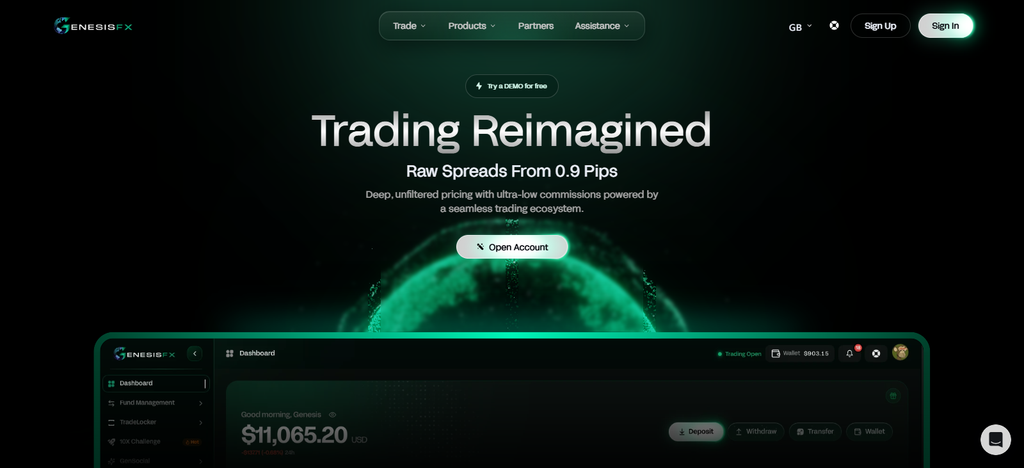
While its former institutional desk dealt with transactions for professional market participants, historical capacity does not necessarily reflect current availability. Liquidity Depth: Its past trading activity has served institutional liquidity needs. Supported Cryptocurrencies: Past coverage was based on the products available at the time.
Previous pricing agreements are not a current executable quote. Settlement and Execution Speed: No active OTC service is assumed. Security & Compliance: Independently verify legal entity, operating status; Genesis ceased trading operations following bankruptcy proceedings in 2023.
Advantages
- Past OTC Experience: Former experience working with institutional clients to facilitate large cryptocurrency transactions.
- Institutional relationships: Developed relationships with professional digital asset market participants.
- Trading Experience: Institutional cryptocurrency trading and liquidity services experience.
- Familiarity With Market. The company’s long history provides useful context when comparing established OTC providers.
Cons
- Trading Services Stopped: In 2026 Genesis announced it was stopping trading services, making it unfit for new OTC trades
- Bankruptcy History: Its bankruptcy proceedings are a major concern to counterparties contemplating any remaining business relationships.
- No Present Quotes: Historical pricing cannot be used to determine the today’s executable rates.
- Operational Unavailability: Institutions should not depend on the previous trading record of a provider, but should choose an active provider.# 9. Circle Commerce
9. Circle Trading
Circle Trade was an institutional over-the-counter (OTC) cryptocurrency trading operation with ties to Circle, that catered to clients in need of liquidity for digital asset transactions. But that is a historical comparison, not an alternative available today. Trading Volume Capacity: Its previous services supported institutional trades but those capabilities are not to be confused with current trading capacity.

Liquidity Depth: Has been a provider of digital asset liquidity for eligible clients historically. Supported Cryptocurrencies: Availability varied across products and markets where it operated. Pricing and Spreads: Historical quotes are not representative of current executable pricing.
Don’t assume that your old settlement arrangements will still be available. Security and Compliance: Kraken acquired Circle Trade in 2019, so institutions should consider the providers that are in operation today instead
Advantages
- History of market presence: Circle Trade was a known OTC desk in the early days of institutional crypto.
- Institutional Client Experience: Prior Negotiated Structured Deals for Professional Clients
- Established relationships: Developed a network of trading counterparties prior to its acquisition.
- Market legacy: The acquisition enhanced Kraken’s OTC capabilities and institutional reach.
Drawbacks
- No independent desk: Circle Trade is no longer an independent OTC provider.
- Acquisition Integration: Kraken incorporated its prior services and client relationships into Kraken’s OTC business.
- No New Onboarding: Clients are not to assume they can open a new account with Circle Trade.
- Obsolete Comparisons: Historical pricing, supported assets, and liquidity figures should not be considered live offers
10. sFOX (SFOX)
Introduction: sFOX is an institutional crypto trading infrastructure that offers professional investors a consolidated platform to access digital asset markets. This could be an alternative to Cumberland for firms seeking a streamlined execution.

Trading Volume Capacity Implementation capacity is dictated by market liquidity, trade size and supported assets. Liquidity Depth: Institutions can aggregate liquidity sources to compare execution opportunities across venues. Cryptocurrencies supported: Access depends on asset, jurisdiction and platform.
Effective costs vary by routing, spreads and conditions of transaction. Settlement and Execution Speed Transfer methods and places have different processing times. Security and Compliance – Confirm the service is still available, the custody arrangements, the institutional onboarding requirements and regulatory eligibility before trading.
Advantages
- Liquidity Aggregation: It provides an institutional platform to aggregate trading activity and liquidity from multiple sources.
2.Execution Tools: Professional clients can use trading infrastructure to manage and route crypto orders. - Institutional Focus: It is designed for companies with more organized trading processes.
- Consolidated Access: It can be easier to access all the markets and venues that you support from a single trading interface.
Drawbacks
- Platform complexity: Liquidity aggregation and sophisticated trading features may demand technical expertise.
- Variable execution quality: Results may differ depending on liquidity of venue, size of order and market volatility.
- Price Assessment Institutions should consider the total cost of execution including spreads and any relevant platform fees.
- Availability Restrictions: Supported assets and venues and services may vary depending on the jurisdiction and account type.
Conclusion
The best alternative to Cumberland for OTC block trades will depend on your volume, liquidity needs, pricing and institutional needs. Trading platforms like FalconX , Coinbase Prime , Kraken OTC , B2C2 , Galaxy Digital , Wintermute , Keyrock and sFOX have various trading capabilities, settlement methods and liquidity access.
Before you choose a provider, compare spreads, supported cryptocurrencies, execution quality, security controls and regulatory requirements. Also, separate active providers from historical businesses like Genesis Trading and Circle Trade.
At the end of the day, the right trading platform should give you competitive pricing, efficient execution, appropriate settlement terms, and robust counterparty protections for your trading approach.
FAQ
What are the best Cumberland alternatives for OTC block trades?
FalconX, Coinbase Prime, Kraken OTC, B2C2, Galaxy Digital, Wintermute, Keyrock, and sFOX are options to evaluate for institutional crypto OTC trading, depending on liquidity needs, supported assets, and eligibility.
Why do institutions look for Cumberland alternatives?
Institutions compare alternative providers to find better pricing, deeper liquidity, broader asset coverage, flexible settlement options, and trading infrastructure that matches their operational requirements.
Which Cumberland alternative is best for large crypto trades?
The best option depends on trade size, asset liquidity, execution quality, and pricing. Institutions should request quotes from multiple active providers before making a decision.
How do OTC block trades differ from exchange trading?
OTC block trades are negotiated directly with a counterparty or trading desk, while exchange orders are generally placed on an order book. OTC execution may reduce visible market impact but does not eliminate slippage or execution risk.
What fees should institutions compare when choosing an OTC provider?
Institutions should compare quoted prices, bid-ask spreads, transaction fees, settlement charges, and any applicable custody or platform costs to estimate total trading expenses.


