Managing your money between paychecks can be a struggle, particularly if an unexpected bill pops up before you get paid. Earned Wage Access (EWA) apps make it easy for American workers to access some of the wages they’ve already earned before their next payday. However, not all apps have the same withdrawal limits, transfer speeds, fees or eligibility requirements.
In this guide, I’ll go over the best earned wage access apps for American workers to help you find the right one for you by comparing key features, costs and benefits.
What Is Earned Wage Access (EWA)?
Earned Wage Access (EWA) is a financial service that allows employees to access a portion of their earned wages ahead of their scheduled payday. Instead of waiting for their next paychecks, workers can draw on these funds to help pay for essentials like groceries, transportation, utility bills or emergencies.
EWA apps can also connect to employers or confirm income via bank accounts and employment records. Depending on the provider, users might pay transfer fees, subscription charges or optional tips. These services can improve cash flow but workers need to be aware of the costs and repayment terms before using them.

How to Choose the Right Earned Wage Access App?
Check Fees and Charges Look at subscription fees, instant transfer fees, optional tips, and other charges to find an affordable app that offers easy access to earned wages.
Compare Withdrawal Limits : Look at how much earned income each app lets you access early . Make sure the amount you can get is enough for your short-term financial needs .
Confirm Eligibility Requirements: Before finishing your registration or using the app, make sure to verify if the app requires employer participation, direct deposits, employment verification or specific bank accounts.
Check Transfer Speed Pick an app that has transfer options that fit your needs, from instant deposits for emergencies to regular bank transfers for cheaper withdrawals.
Know the Repayment Terms: Know how advances are paid back, when repayments will be withdrawn, and whether there are automatic debits. This prevents surprise account balances and makes it easier to plan for future expenses.
Review App Security: Look for apps that use data encryption, secure authentication, clear privacy policies and responsible handling of sensitive financial and employment information.
Check Availability: Make sure the app is available in your state and compatible with your employer, bank or payroll provider to avoid registration issues and unexpected service restrictions.
Read user reviews: Before you choose an earned wage access app, check recent feedback from users about reliability, customer support, hidden charges, delays when you try to withdraw money and account problems.
10 Best Earned Wage Access (EWA) Apps for American Workers in 2026
1. DailyPay
One of the most widely used earned wage access platforms in the U.S., DailyPay gives employees access to wages they’ve already earned before the scheduled payday. It links directly to the payroll systems of participating employers and allows workers to move a portion of earned income as needed.
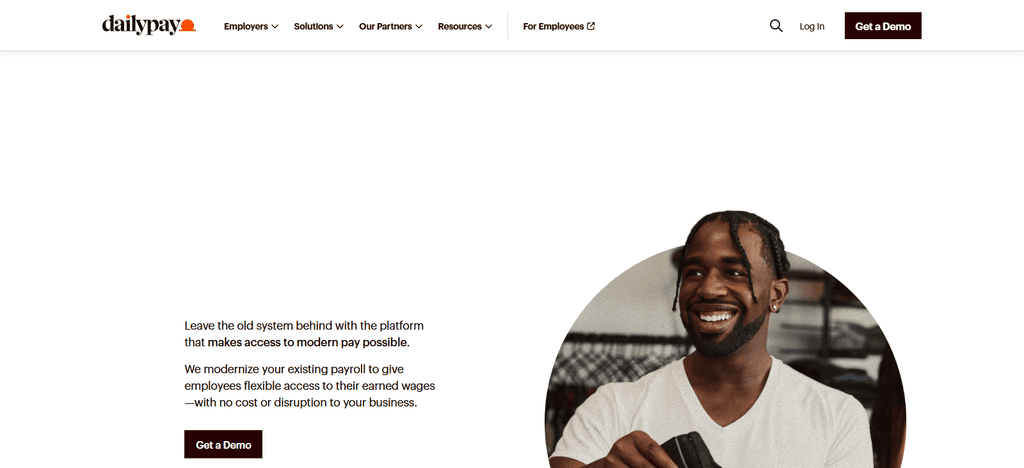
Standard transfers may take time and cost less or nothing, while instant transfers usually have a transaction fee. Eligibility is determined by employer participation and hours worked. The payroll system automatically deducts any wages advanced from the employee’s next paycheck.
Pros
- Provides access to earned wages before payday, helping to improve cash flow.
- Works with many big employer payroll systems.
- It provides a variety of transfer options, including instant payouts.
- It could make employees less dependent on payday loans and overdraft fees.
Cons:
- Instant transfers may be subject to fees.
- Available only through participating employers.
- Using it often can make it hard to budget between pay days.
- Access is limited by your wages and your employer’s policies.
2. EarnIn
EarnIn is a direct-to-consumer earned wage access app, which means employers don’t have to sign up for the service. Eligible users can access a portion of their earned wages based on verified work income and direct-deposit history. There is usually no fee required for standard transfers, while expedited transfers come with a small fee.
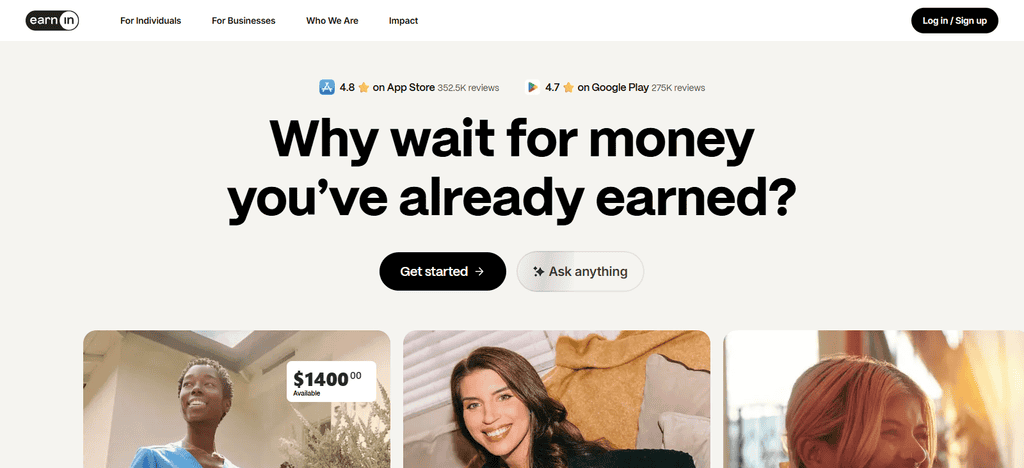
Funding limits are based on user activity and account verification. The platform automatically deducts the advanced amount from the user’s bank account when the next paycheck comes in making the repayment process easy and automated.
The Good
- No employer participation required for use.
- Standard transfer applies and is a non-mandatory fee.
- Quick setup with simple mobile app experience.
- Great for those workers that need occasional access to their earned income.
Cons
- Eligibility is based on income verification and direct deposit.
- Fast transfers usually incur a fee.
- New customers may have lower advance limits.
- Not good for workers with irregular income patterns.
3. Payactiv
Payactiv is a popular earned wage access solution with employers but also offers a broader array of financial wellness tools. Employees can access a portion of their earned wages before payday, assisting them with short-term cash flow needs. The platform also offers tools for budgeting, saving, paying bills, and managing your finances.
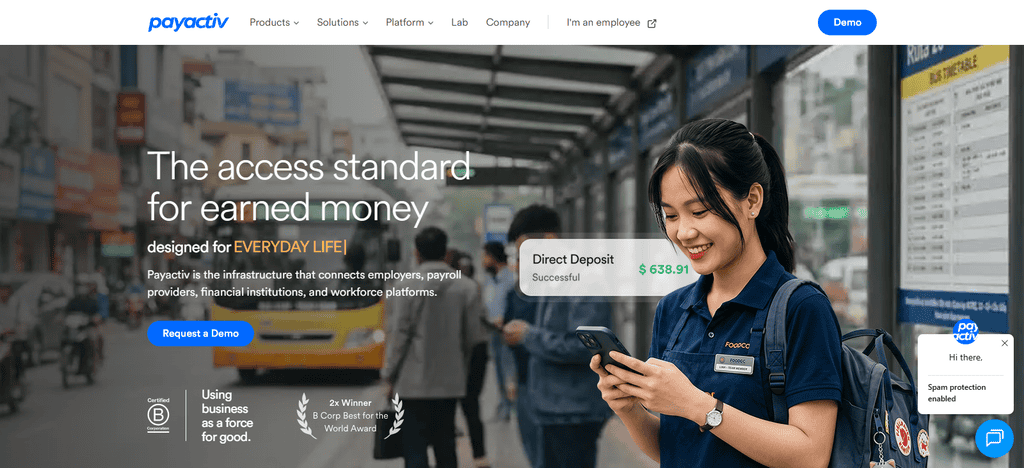
Fees vary by transfer type and employer arrangements. Generally, access is through participating employers and limits are tied to earned income. Payments are automatic via payroll deductions, which reduces paperwork for both employees and employers.
Pros
- It merges wage access with financial wellness tools.
- It has bill paying, saving and budgeting features.
- Simple repayment is the process based on payroll.
- Commonly used in many industries.
Downs
- Normally requires employer participation.
- Transfer fees may apply, depending on service options.
- Available wage amounts may be limited.
- Certain features may not be available to all employees.
4. Branch
Branch offers earned wage access, workforce payment and digital banking services. Employer-sponsored programs give workers access to wages they have already earned, ahead of payday. The platform also provides banking, debit cards and payment management. Withdrawal amounts available depend on employer policies and earned income balances.
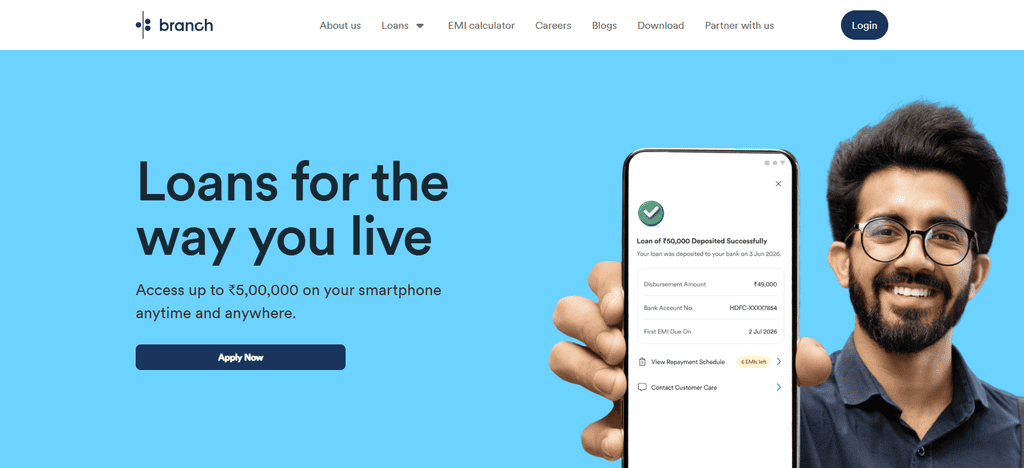
Instant transfers can have fees, and standard delivery options may be cheaper. Eligibility requires the employer of the worker to participate. Repayment is typically handled through payroll deductions, so once the employee receives their normal scheduled paycheck, it’s a seamless process.
Pro’s o
- Offers earned wage access and digital banking products.
- Supports workforce payments and expense management
- A user-friendly mobile banking experience.
- Payroll integration allows for payments.
Cons:
- Most of the time, an employer needs to enroll.
- Instant transfer may have fees.
- Some people may not want all the banking features.
- Earnings vary by employer setting.
5. Even (now OnePay @Work)
OnePay @ Work (formerly Even) provides earned wage access with budgeting and financial planning tools. The platform, a popular choice for hourly and retail workers, lets employees take out some of their earned wages before payday. It also emphasizes income tracking and cash flow management.
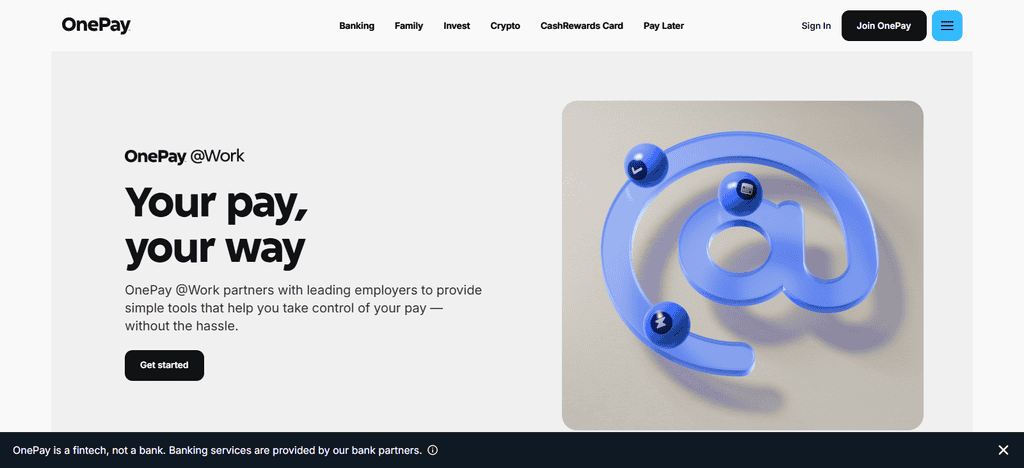
Access limits depend on eligible earned income and employer participation. Fees depend on what transfers you want and how you want them arranged. Repayment is automatically deducted when payroll is run, requiring less manual action to repay and helping employees to maintain predictable access to wages.
Benefits
- Combine wage access with budgeting tools.
- Helps employees deal with variable income.
- Simple user interface for hourly employees.
- Payroll automatic repayment simplifies complexity.
The bad aspects
- Usually requires employer involvement.
- Certain features may be subject to subscription or service fees.
- The employer might have different rules on access.
- Not all workers have the same feature set.
6. ZayZoon
ZayZoon caters primarily to small and mid-sized businesses that want to provide earned wage access as an employee benefit. Employees can get access to a portion of their earned wages before payday, reducing financial stress and reliance on costly borrowing. The platform also has educational resources on financial wellness.
Withdrawal limits are tied to earned wages and to what your employer sets. Depending on speed and delivery method, additional transfer fees may apply. Employees repay the advances through automatic deductions from their next paycheck.
Pros
- It’s made specifically for small and mid-sized businesses.
- Provides financial education resources.
- Supports employees to cover emergency expenses.
- Easy for employers to implement.
Cons
- Must be enrolled with an employer.
- Some withdrawals may incur transaction fees.
- Access amounts are limited to earned wages.
- Availability may depend on employer payroll setup.
7. Rainfall
Rain is a payroll-integrated earned wage access solution that focuses on simplicity. Employees can access a portion of earned wages between pay periods, giving them more flexibility to cover unexpected expenses. The platform partners with participating employers and typically pulls available balances from recorded work activity and payroll data.
Instant transfer might incur a service fee and standard options may differ. Eligibility is based on employer participation and available wages earned. Rain funds are automatically repaid through deductions from the employee’s next payroll cycle.
Advantages
- Simple earned wage access experience.
- Direct payroll system integration.
- Allows employees more flexibility between paydays.
- Quick access to earned wages as needed.
Disadvantages
- Only for participating employers.
- Priority transfers may incur fees.
- It is not a complete financial management platform.
- Limits on withdrawals based on income earned.
8. Clair
Clair offers earned wage access via integrations with workforce management, HR and payroll platforms. The service is designed to embed early wage access into existing employee financial tools, improving ease of use and availability. Eligible workers can access some of their earned wages before payday.
Availability is determined by participating employers or workforce platforms. Transfer fees and access policies can vary by implementation partner. Payment is typically automated either through payroll deduction or by settling a linked account once the employer has deposited wages.
Benefits
- Built directly into payroll and workforce platforms.
- Makes it easy to access your earned wages.
- Often has modern digital banking features.
- Eliminates the need for additional financial apps.
Cons
- Availability dependent on partner platforms.
- Features differ by integration.
- Not as accessible as some larger competitors.
- Access policies may vary among employers.
9. Cleverly
Smart way to combine earned wage access with prepaid pay card services and money management features. Workers can get paid on a Wisely card and access part of their paycheck before the regular payday. It is aimed at workers who would rather use a card-based payment solution than a traditional bank account.
Access restrictions depend on earned wages and employer program settings. The fees will vary depending on the transfer method and service used. Repayment is automatic through payroll processing once the employee receives their scheduled pay.
Benefits
- Offers pay card and earned wage access services.
- This is good for workers who don’t have traditional bank accounts.
- Includes tools for managing money.
- Repayment is automatic and tied to your payroll .
Cons
- Wisely card required for best experience usually.
- Service charges may apply to certain transactions.
- Employer participation is generally required.
- Card restrictions may not be right for all workers.
10. Chime Workplaces
Chime Workplace is an employer-based financial wellness platform that offers earned wage access and banking benefits. Workers get earlier access to some of the wages they’ve already earned, easing cash-flow problems between paydays. The platform promotes ease of access, digital banking tools and employee financial support.
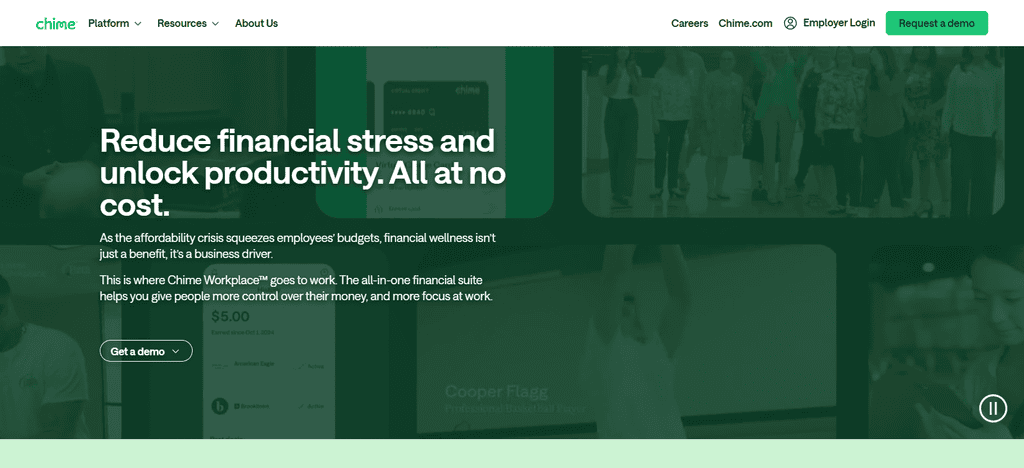
You must qualify, and your employer must be part of the program and incorporate it into payroll. Access limits are based on wages earned and workplace policy. Any money received in advance is automatically reconciled via payroll processing when the employee’s paycheck is issued.
Pros
- Provides earned wage access plus banking benefits
- Supports employee financial wellness programs.
- Mobile access with a digital-first experience.
- Helps workers receive payment before payday.
Cons:
- Needs to be part of and integrated into the employer.
- Availability is subject to enrollment at your worksite.
- Limits on early wage access may vary.
- Some workers don’t need the extra banking features.
Conclusion
Earned Wage Access apps offer a simple way for American workers to get access to earned income ahead of payday and address short-term financial needs. The best options have transparent fees, reasonable withdrawal limits, fast transfers, secure transactions and clear repayment terms. But the features, who qualifies and how much it costs varies by provider, employer and state.
“Workers should shop around for services and read feedback from customers before selecting an app and be mindful of withdrawal charges. EWA services can help you deal with an unexpected expense, but you should still use them responsibly. Choosing the right app can help improve your cash flow without putting more financial strain between paychecks.