
Web3 gaming is changing how players navigate virtual worlds, interact with communities, and enjoy digital ownership. The best part is that some platforms now allow players to enjoy blockchain-powered gaming without having to make an initial deposit or buy expensive NFTs. This article will be reviewing the Top No-Deposit Web3 Social Gaming Hubs, emphasizing key features, free play options, social experiences, NFT support, and reward opportunities to assist readers in discovering platforms that suit their gaming preferences.
What Are No-Deposit Web3 Social Gaming Hubs?
Web3 Social Gaming Hubs No-Deposit are blockchain-based platforms that let players explore games, connect with communities, participate in multiplayer experiences, and acquire digital collectibles without the need to make a deposit to start.
These platforms combine Web3 technologies such as NFTs, cryptocurrency wallets, and decentralized ownership with free-to-play gaming.
They can play quests, join tournaments, create avatars, and explore virtual worlds. Some platforms also offer optional token rewards or NFT-based activities. But free entry doesn’t mean earnings, and some premium features or blockchain transactions may have additional costs.

How to Choose the Best No-Deposit Web3 Social Gaming Hub
Free Entry Requirements: Opt for platforms that let players access games, finish quests, and explore virtual environments without the need for NFTs, crypto tokens, or premium subscriptions.
Wallet Compatibility: Review supported cryptocurrency wallets, blockchain networks, and account requirements to enable seamless access to gaming features, digital collectibles, and optional blockchain transactions.
Games Variety: Look for platforms that provide a mix of gaming experiences ranging from farming, strategy, multiplayer adventures, virtual worlds, casual games, and competitive challenges.
Social Interaction: Select platforms that offer multiplayer activities, community events, chat features, tournaments, and collaborative experiences to encourage meaningful player interaction.
NFT Ownership: Look for optional NFT collectibles, digital asset ownership, avatar customization, and transparent marketplace functionality without costly upfront purchases.
Reward Opportunities: Check out the quests, achievements, tournaments, and token rewards available. Know the eligibility criteria, withdrawal conditions, transaction fees and if rewards are actually guaranteed.
Security and Transparency: Review wallet permissions, smart contract security, platform reputation, transaction requirements, and account protection measures before connecting wallets or conducting blockchain activities.
Accessibility and Compatibility: Pick a gaming hub that is compatible with your favorite browsers and mobile devices, provides simple registration, easy-to-navigate interface, and good network performance, depending on your devices and experience level.
Key Points
| Platform | Key Features |
|---|---|
| Nifty Island | User-created islands, social multiplayer experiences, quests, collectibles, and community events. |
| Pixels | Farming, resource gathering, crafting, social activities, quests, and player communities. |
| The Sandbox | User-generated worlds, multiplayer experiences, avatar customization, and creator tools. |
| Decentraland | Virtual events, social spaces, user-created experiences, avatars, and community activities. |
| Ronin | Gaming ecosystem, blockchain games, digital collectibles, wallet integration, and marketplace infrastructure. |
| Immutable | NFT gaming infrastructure, digital asset ownership, game discovery, and free-to-play game experiences. |
| MOBOX | Casual games, MOMO NFTs, gaming communities, collectibles, and GameFi experiences. |
| PlayZap | Solitaire, 8-ball pool, casual competitions, tournaments, and PZP token rewards. |
| Dungeon | Browser-based games, fantasy exploration, boss combat, world maps, and gaming progression. |
| Zero Chill | Browser games, player accounts, XP, leaderboards, badges, tournaments, and Proof of Play. |
1. Nifty Isle
Nifty Island is a free-to-play, community-driven Web3 sandbox where users build islands, create games, and transform NFT avatars into playable characters. It supports assets and rewards across Abstract, Ethereum and Ronin and its ISLAND token uses LayerZero’s OFT standard for cross-chain interoperability. Its AI-agent framework allows creators to deploy agents like Luna, AgentYP, or VaderAI, or connect custom agents through a REST API.
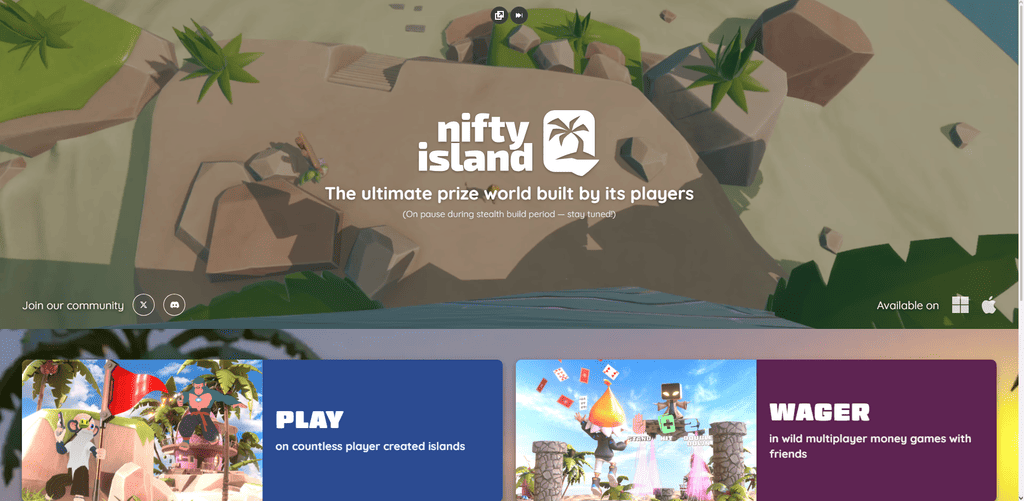
Agents can talk, respond to game context, and initiate on-chain actions. No public MCP integration. Players use Web3 wallets. ISLAND is earned through quests and activity and staking can increase rewards. Specific market place trading fees are not clearly published.
Primary Features
- Social Island Creation: Players can create their own islands and construct interactive spaces for other community members.
- multiplayer experiences: Allows for social gameplay, where users can explore islands, interact with other players and participate in shared activities.
- NFT Integration: Incorporates blockchain collectibles and digital resources into its gaming ecosystem.
- Community Quests: Fun challenges and activities that encourage engagement and interaction in player-created worlds.
- Creator Economy: Enables users to build experiences, customize environments and participate in its creator-centric ecosystem.
Best Use Cases
- User-created virtual worlds and social gaming environments.
- Developing custom islands and interactive multiplayer experiences.
- Taking part in community challenges and gaming events.
- Exploring creator-led experiences and blockchain-based collectibles
2. Pixel
Pixels is a free-to-play farming and social game that runs in the browser. It migrated from Polygon to Ronin in 2023, with PIXEL as its governance and staking token. It primarily caters to the Ronin ecosystem, including Ronin-based NFTs such as Farm Land and Pixel Pets, with exposure to Ethereum for PIXEL.
The platform provides a Pixels Events API that enables the transfer of player reputation, progress and NFT assets between partner games. It is not a publicly documented MCP server.
Rewards are withdrawable as PIXEL with a Farmer Fee reported at 20-50% or fee-free vPIXEL which is spend-only. Ronin provides low-cost, fast transactions, and wallet-based custody keeps private keys in the hands of users.
Main Features
- Farming Gameplay: Resource management, farming, harvesting and land-based activities within a social gaming context.
- Crafting System: Players can collect resources, craft items, and participate in an in-game economy.
- Social Interaction: Combines multiplayer play with community engagement and player interaction.
- Quest-Based Progression: Provides missions and activities to keep players engaged and progressing through the game.
- Ronin Integration: Utilizes the Ronin blockchain ecosystem to power its Web3 gaming infrastructure and digital asset capabilities.
Best Uses:
- Playing some casual farming and resource management games.
- Daily activities and questing.
- Engaging with other players in a social gaming setting.
- Looking at blockchain gaming economies and digital collectibles
3. The Sandbox
The Sandbox is a voxel-based content created by users metaverse where players purchase LAND NFTs, build experiences using Game Maker and VoxEdit, and transact using SAND. Its main market is its own LAND and asset marketplace on Polygon, where SAND is used to buy, experience and monetize for creators.
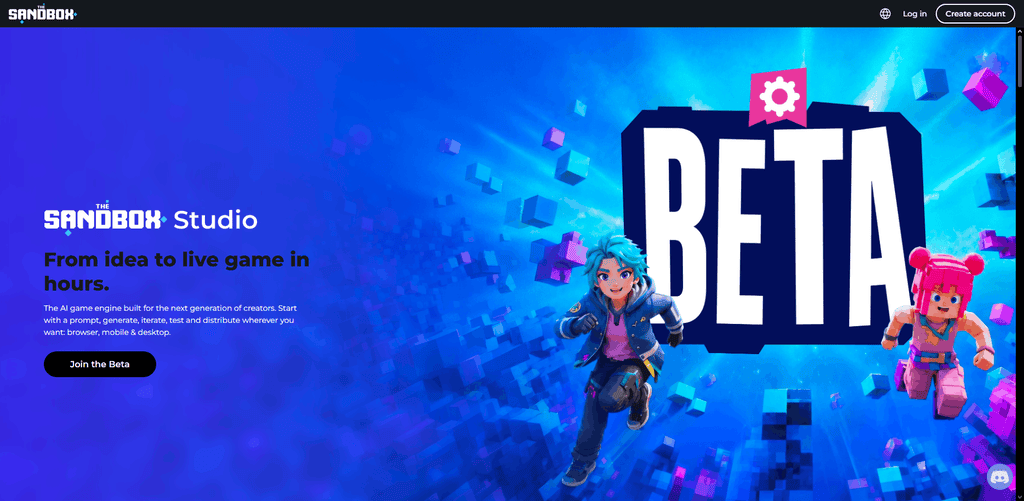
The Sandbox SDK and APIs can be used to build interactive experiences, but a public MCP server is not something that is documented as a feature. The marketplace charges a 5% fee on the transaction in SAND along with the applicable Polygon gas fees for on-chain actions.
Security is based on Ethereum/Polygon smart contract technology, NFT ownership standards, and wallet signatures; users typically self-custody assets, but platform accounts and creator tools introduce additional operational considerations.
Main Features
- Creation of Virtual Worlds: Allows users to build interactive environments and personalized virtual experiences.
- Voxel-Based Building: Offers creative tools to design characters, objects, environments and gaming experiences.
- Multiplayer Experiences: Allows for interaction within the community with user-generated games and virtual spaces.
- NFT Asset Ownership: This covers tangible assets based on blockchain technology like virtual land and in-game collectibles.
- Creator Ecosystem: Offers tools for game developers and digital creators to build and publish experiences.
Best Use Cases
- Creating distinctive virtual gaming worlds.
- Get involved in community-driven multiplayer.
- Creating and showcasing electronic assets based on blockchain technology.
- Joining creator communities and events in the metaverse
4. Decentraland
Decentraland is an open-source virtual world on Ethereum and Polygon governed by a DAO where users own LAND, wearables and names as NFTs and use MANA for transactions and governance. Its supported market is Decentraland Marketplace for LAND, Estates, names and wearables.
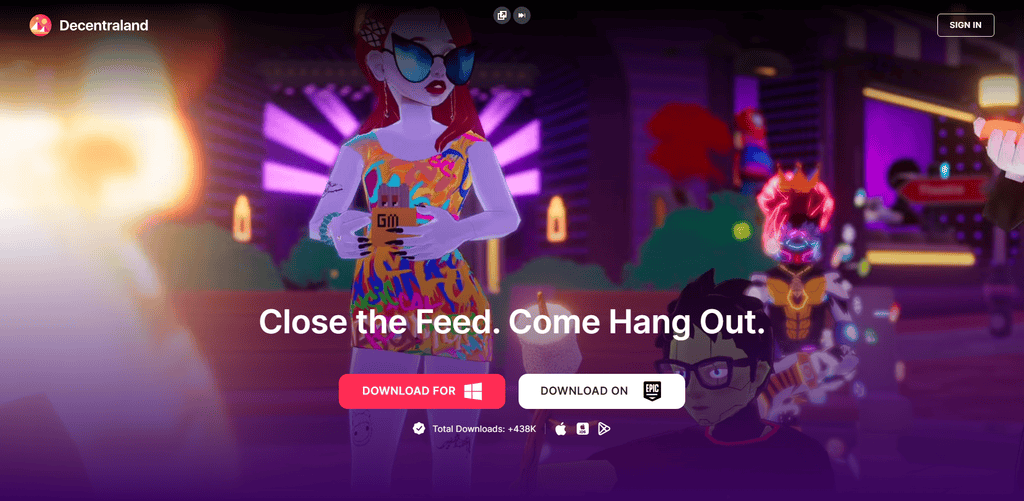
Developers are able to access backend APIs for authentication, marketplace, assets, notifications, and content services; authentication uses Ethereum wallet signatures and JWT tokens, but public MCP support is not documented.
The marketplace charges a 2.5% transaction fee in MANA, and there will be additional gas fees depending on the network. Security features include wallet-only authentication, signed deployments, LAND ownership checks, expiring tokens, rate limits and DDoS protection via its Catalyst network.
Main features
- Virtual Social Spaces: Offers interactive environments for users to meet, talk and visit virtual places.
- Avatar Personalization: Allows players to customize their virtual appearances and digital identities.
- Community Events: Enables virtual gatherings, entertainment activities, exhibitions and social experiences.
- Digital Land Ownership: Uses blockchain-based LAND parcels to enable ownership of virtual real estate.
- User Generated Experiences: Lets creators build interactive scenes, games and virtual environments.
Best Use Cases
- Participating in virtual community events and fairs.
- Meet other users and explore social settings.
- Building interactive virtual experiences.
- Find virtual real estate and collectibles on the blockchain
5. Ronin
Ronin is an EVM-compatible blockchain designed for gaming, powering Axie Infinity and Pixels. It supports the market for Ronin-native games, NFT marketplaces like Mavis Market, and assets bridged from Ethereum. Developers get EVM compatibility, Solidity tooling, RPC access, and gaming-focused infrastructure; Ronin doesn’t publicly position itself as an MCP provider, so integrations are usually via RPC, SDKs, and marketplace APIs.
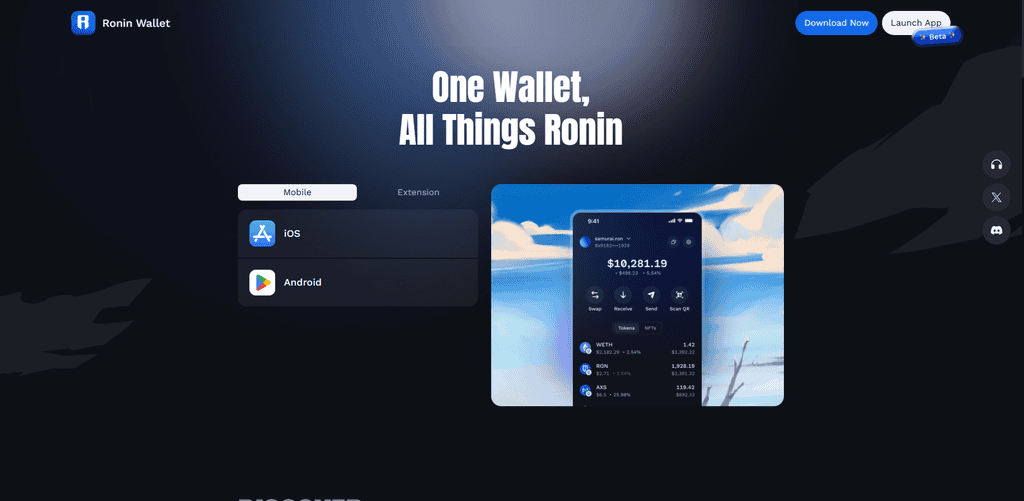
Transaction fees are extremely low, often under $0.001, making frequent in-game actions practical. Ronin switched from Proof of Authority to Delegated Proof of Stake after a major exploit in 2022, introducing validator staking and slashing to improve decentralization and security.
Features
- Gaming-Dedicated Blockchain: Offers blockchain infrastructure tailored for Web3 games and digital economies.
- Gaming Ecosystem: Links different blockchain games to one gaming environment.
Wallet Integration: Wallets can be integrated to handle digital currencies and perform blockchain transactions. - Support for NFT Marketplace: Users can interact with gaming NFTs and digital collectibles.
- Developer Infrastructure: Offers blockchain tools and infrastructure for developers creating gaming applications.
Top Use Cases
- finding games with blockchain capabilities in its ecosystem.
- Managing digital collectibles related to video games.
- Investigating gaming economies based on NFTs.
- Engage with Web3 gaming communities powered by Ronin
6. Immutable
Immutable is a Web3 gaming infrastructure platform based on Immutable Chain/zkEVM, an Ethereum compatible Layer 2 for scalable game economies. The market it supports includes game NFTs, tokens and an Orderbook, sharing liquidity across connected marketplaces.
Developers are able to integrate via Unity, Unreal, and TypeScript SDKs, REST APIs, JSON-RPC, and intelligent contracts that support ERC-20, ERC-721, ERC-1155, and custom contracts; public MCP integration is undocumented.
Immutable Passport pays for player gas, so gamers aren’t paying any gas fees, while the protocol takes 2% of sales. Security includes Ethereum-grade guaranties, zk-based scaling, non-custodial Passport wallets, and developer-managed API keys and access restrictions.
Main Features
- Web3 Gaming Infrastructure: Provides blockchain technology designed for digital ownership and gaming purposes.
- NFT Integration: Ownership of in-game assets and collectibles on blockchain.
- Game Discovery: Players can discover a range of gaming experiences powered by blockchain technology.
- Developer Tools: Infrastructure and development solutions to integrate blockchain functionality into games.
- Scalable Transactions: Facilitates digital asset transactions and gaming activities on its gaming-centric blockchain infrastructure.
Best Use Cases
- Finding blockchain games and gaming communities.
- Investigating NFT ownership in supported games.
- Taking part in digital collectible ecosystems.
- Learning about blockchain gaming without yourself creating a game
7. MOBOX
MOBOX is a community-owned Web3 gaming hub on BNB Chain. It offers free-to-play titles like Dragonverse NEO, ChainZ Arena, MOland Defense and Block Brawler. The market it supports includes MOMO NFTs, MBOX rewards and a shared in-platform marketplace where assets can be transferred between games. The ecosystem is mostly BNB Chain based and does not encourage MCP integration in public documentation.
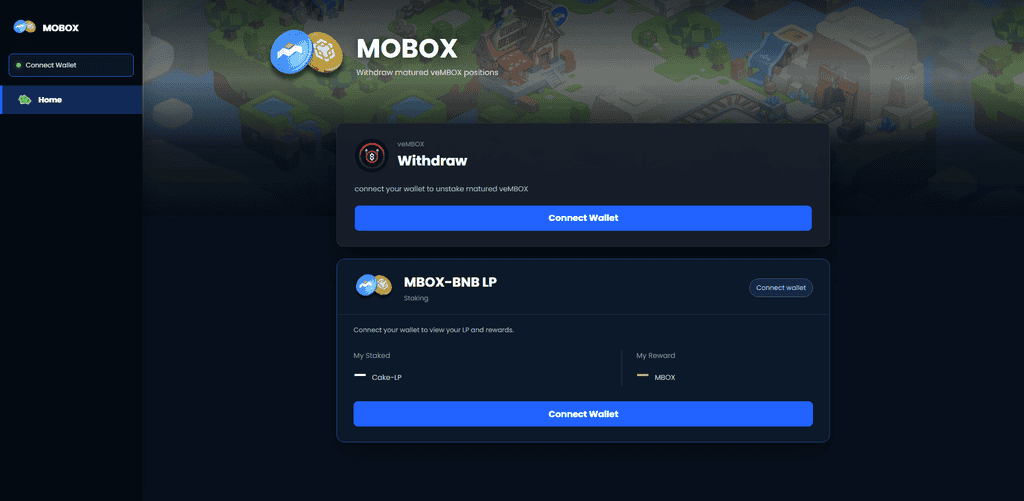
Developers usually communicate through Web3 wallets, intelligent contracts, and game specific APIs. Players can farm MBOX, use MOMO NFTs across games, and trade assets, but the current rates for marketplace fees are not clearly published. Security is based on BNB Chain smart contracts, wallet custody, and the platform’s open-source, transaction-fee-based infrastructure; users should check contract addresses before connecting wallets.
Main Features
- GameFi Ecosystem: Integrates blockchain gaming, digital collectibles and gaming-related economic activities.
- MOMO NFTs: Brings NFT-based characters and collectibles into its gaming ecosystem.
- Casual Gaming: Offers gaming experiences that are easy to access and have varied gameplay activities.
- Digital Asset Integration: Links gaming assets to ownership and marketplace functionality through blockchain.
- Community Engagement: Encourages community engagement through gaming, collectibles and ecosystem engagement.
Best Uses Cases
- Diving into casual blockchain gaming experiences.
- Collect and engage with MOMO NFT assets.
- Engage in GameFi activities.
- Exploring digital collectibles and blockchain gaming economies
8. PlayZap
PlayZap is a mobile first skill based casual gaming platform which offers games like solitaire, 8-ball pool, 21 Cards and Match Master via PvP matches, leagues and tournaments. PZP is supported on BNB Chain, Solana and Core, with payouts in PZP and NFTs. Some coverage refers to tournament activity on Polygon too. PlayZap’s developer program supports third-party web and Web3 games, but it does not publicly document MCP integration, nor does it have a general-purpose public API.
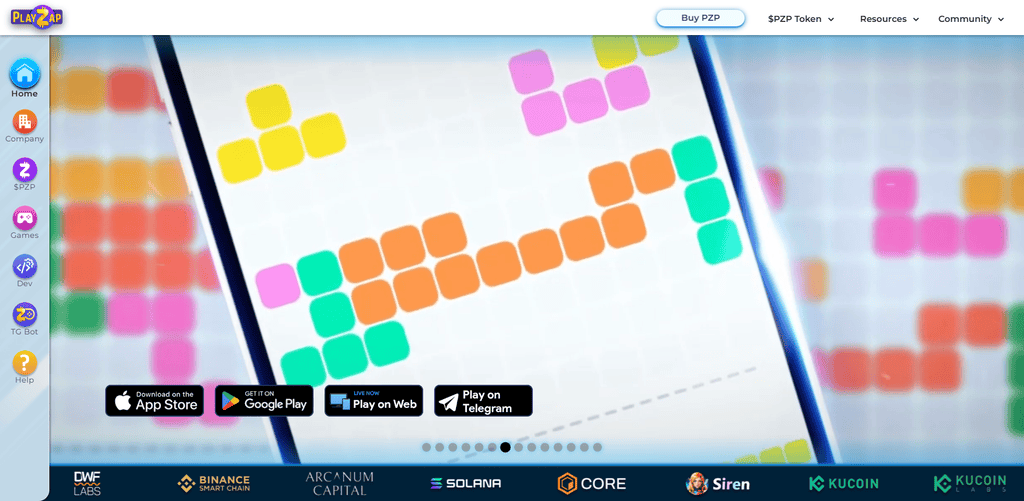
The platform is free-to-play, while premium contests and tournaments are played with PZP. Exchange/trading fees vary depending on the marketplace or exchange used. Security consists of encrypted data in transit, anti-cheat systems, audited PZP contracts by Solid Proof and BlockSec, and an in-app custodial PlayZap Vault.
Main Features
- Skill-Based Games: Provides casual competitive gaming experience, where player skills and performance are the focus.
- Various Game Formats: Includes casual game formats such as solitaire and 8-ball pool.
Tournament Participation: supports competitive activities where players can take part in organized gaming competitions. - Token Integration: PZP token utility is integrated into its blockchain gaming system.
- Player Competition: Encourages competition between users to improve their performance and join gaming communities.
Best Use Scenarios
- Playing casual blockchain games based on skills.
- Participate in gaming competitions.
- Improving at the game by playing it again and again.
- Exploring Token Integrated Gaming Experiences
9. Dungeon
Dungeon is a Cosmos-based Web3 gaming ecosystem that merges an RPG-style game experience, desktop launcher, wallet, trading services, NFT marketplace, and its own Dungeon Chain. Its supported market is the Dungeon ecosystem, where DGN pays transaction fees, supports staking and is used across game services & NFT flows.
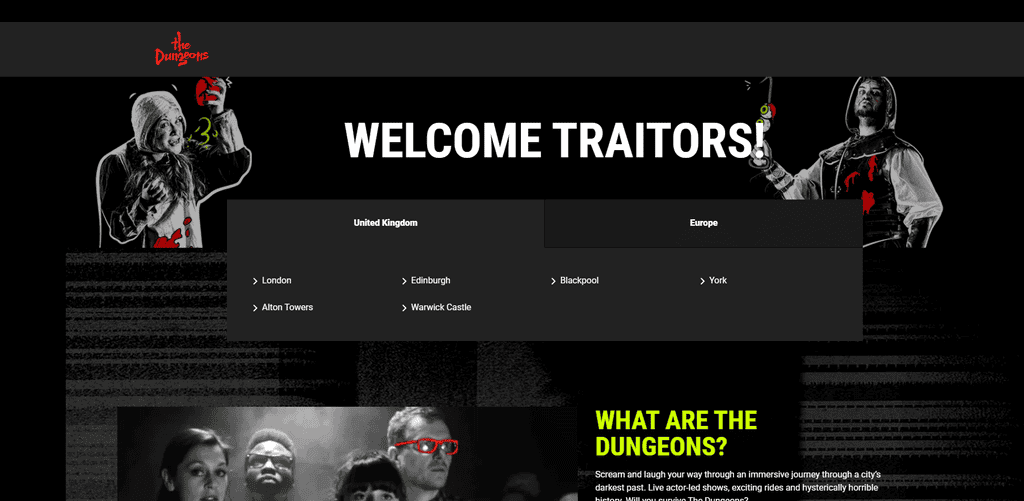
Dungeon Chain is a sovereign Proof-of-Stake chain with CosmWasm intelligent contracts, interoperability, decentralized governance and security based on a subset of Cosmos Hub validators .
Developers are able to build with CosmWasm and interact via the standard Cosmos RPC/API interfaces, but no public MCP integration is documented. The whitepaper mentions a previous 0.5% fee for DEX/OTC protocol, and gas fees are paid in DGN. Assets are held in custody through the integrated wallet and keys held by the user.
Main Features
- Browser-Based Gameplay: Provides accessible fantasy gaming experiences in a browser-based environment.
- Fantasy Exploration: Merges exploration mechanics with interactive fantasy gameplay.
- Boss Combat: Features combat-based challenges against powerful foes and progress.
- Progression of Gameplay: Encourages players to build up their gameplay through a variety of activities and challenges.
- Blockchain Gaming Elements: The gameplay incorporates digital ownership and ecosystem elements with a Web3 focus.
Top Use Cases
- Delving into fantasy gaming on the browser.
- Participating in boss and combat challenges.
- Getting to experience interactive fantasy worlds.
- Explore Web3 gaming mechanics without a large initial investment.
10. Zero Chill
Zero Chill is a browser-based gaming ecosystem focused on skill games, challenges, leaderboards, tournaments and a “Proof of Play” progression system. Supported Market: ZCU Ecosystem Gameplay can build Play Score and qualify for progress toward hash-power milestones. ZCU is the underlying blockchain and mining layer.
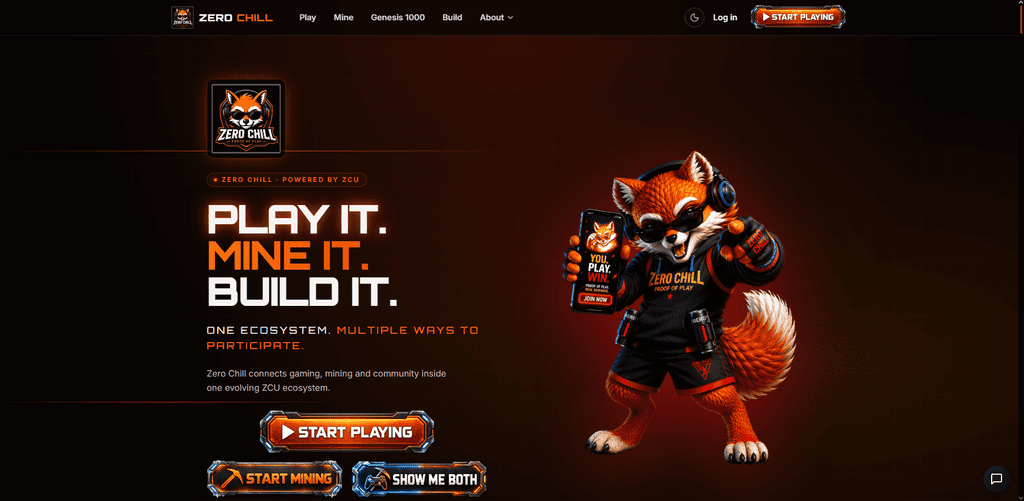
Players can begin without crypto and later hook wallets including MetaMask, Rabby, Coinbase Wallet, Trust Wallet, Brave or Frame to the ZCU network. There is no public MCP integration or widely documented developer API.
Currently, participation is focused on the web platform and wallet connection. Play is free and the service says gameplay does not guaranty hash power, ZCU, earnings or payouts. Users should treat rewards as variable and check on custody arrangements before transacting.
Key Features
- Browser Games: Offering easy access to gaming experiences via browser-based gameplay.
- XP Progression: An experience system to track player engagement and progress.
- Leaderboards: Enables competitive player ranking and performance tracking.
- Badges and Achievements: Uses digital recognition features to reward participation and gaming milestones.
Proof of Play: links participation to the wider gaming ecosystem and reward-related activities.
Best Use Cases
- Playing games on the web that are accessible.
- Play against other players on leaderboards.
- Track your gaming progress and earn achievement badges.
- Participating in community-based gaming challenges.
No-Deposit Web3 Social Gaming Hubs: Key Features Comparison Table
| Platform | Blockchain / Ecosystem | Free Entry | Main Gaming Features | NFT Support | Social Gaming |
|---|---|---|---|---|---|
| Nifty Island | Ethereum, Base | Yes | Island creation, quests, multiplayer experiences | Yes | Yes |
| Pixels | Ronin | Yes | Farming, crafting, resource gathering, quests | Yes | Yes |
| The Sandbox | Ethereum, Polygon | Yes, selected experiences | Virtual worlds, voxel building, user-generated games | Yes | Yes |
| Decentraland | Ethereum | Yes | Virtual events, avatars, interactive experiences | Yes | Yes |
| Ronin | Ronin | Depends on individual games | Blockchain gaming, gaming ecosystem, digital assets | Yes | Depends on game |
| Immutable | Immutable ecosystem | Depends on individual games | Game discovery, blockchain gaming, digital ownership | Yes | Depends on game |
| MOBOX | BNB Chain | Selected experiences | GameFi, casual games, MOMO collectibles | Yes | Yes |
| PlayZap | BNB Chain, Solana | Free-play options | Skill-based games, tournaments, casual competitions | Token-integrated features | Yes |
| Dungeon | Dungeon ecosystem | Free browser access | Fantasy exploration, boss battles, progression | Verify game-specific support | Limited / game-dependent |
| Zero Chill | Proof of Play ecosystem | Free account and gameplay | Browser games, XP, badges, leaderboards | Verify game-specific support | Yes |
Conclusion
No-Deposit Web3 Social Gaming Hubs are an easy way to explore blockchain gaming, connect with communities, and experience ownership of virtual assets without any deposit up front. Social platforms like Nifty Island, Pixels, The Sandbox, Decentraland, and gaming ecosystems like Ronin and Immutable are focusing on creative experiences and virtual worlds.
Further gaming experiences are delivered through casual gameplay, competitions and community activities from MOBOX, PlayZap, Dungeon and Zero Chill. When choosing a platform, players should consider free entry, wallet needs, NFT features, security and reward terms. Free access does not equal earnings.
FAQ
What Are No-Deposit Web3 Social Gaming Hubs?
No-deposit Web3 social gaming hubs are blockchain-powered platforms that allow players to access games, interact with communities, complete quests, and explore digital collectibles without making an initial deposit.
Which Web3 Social Gaming Hubs Offer Free Entry?
Platforms such as Nifty Island, Pixels, The Sandbox, Decentraland, and selected MOBOX and PlayZap experiences provide free-entry gaming options.
Can You Play Web3 Games Without Buying NFTs?
Yes. Several Web3 gaming platforms offer free gameplay without requiring players to purchase NFTs. However, certain premium features, digital assets, or experiences may involve additional costs.
Do No-Deposit Web3 Games Offer Crypto Rewards?
Some platforms offer token rewards, quests, achievements, or tournament-based incentives. However, rewards depend on eligibility requirements, platform rules, and individual gaming activities.
Do Players Need a Crypto Wallet for Web3 Social Gaming?
Not always. Some platforms allow browser-based gameplay without connecting a wallet, while blockchain transactions, NFT ownership, and certain features may require wallet integration.
What Is the Difference Between Free-to-Play and Play-to-Earn Web3 Games?
Free-to-play games allow users to participate without an initial purchase, while play-to-earn games incorporate reward mechanisms that may provide tokens or digital assets for eligible activities.