

Sports betting is gradually moving to blockchain, offering new ways of getting odds, exploring betting markets, and handling transactions. Decentralized sports odds protocols are attracting interest due to their features, including smart contract automation, transparent pricing, non-custodial wallets and alternative liquidity models. In this article, I will cover the best decentralized sports odds protocols, emphasizing their key features, supported sports, betting mechanisms, and what makes each platform stand out for Web3 users.
What Are Decentralized Sports Odds Protocols?
Blockchain-Based Betting: Decentralized sports odds protocols use blockchain technology for sports betting, offering transparent transactions, automated operations and reducing reliance on traditional centralized bookmakers.
Smart Contract Automation: Intelligent contracts handle betting transactions by securing funds, fulfilling predetermined conditions, and automatically releasing payouts when the outcomes of sporting events are confirmed.
Transparent Odds: These protocols offer transparent odds mechanisms via automated market makers, order books, or peer-to-peer systems, enabling users to assess betting prices.

Non-Custodial Transactions: Users can link Web3 wallets and enjoy more control over their funds, without relying solely on centralized platforms for account management.
Liquidity Management: Liquidity pools and peer-to-peer matching systems facilitate betting markets, support available odds and allow participants to provide liquidity.
Multi-sport markets: These platforms can offer football, basketball, cricket, tennis, esports and other sporting events through match results, player props and futures markets.
Oracle-Based Settlement: The blockchain’s oracles provide intelligent contracts with external sports results, helping protocols verify event outcomes and determine winning positions for settlement.
Multi-Chain Compatibility: A large number of protocols are built on a variety of blockchain networks such as Ethereum, Polygon, Arbitrum, Base, and Solana. This enables users to enjoy different transaction environments and wallet compatibility.
Benefits of Decentralized Sports Odds Protocols
Improved Transparency: Betting transactions, odds updates, and settlements are transparent with blockchain technology, enabling users to verify activities and understand how decentralized sports betting markets function.
Non-custodial fund control. Users can control their cryptocurrency through personal wallets, reducing the reliance on third-party operators to deposit, hold and withdraw betting funds.
Automated Settlements: Intelligent contracts automatically fulfill the pre-defined betting conditions and distribute eligible payouts after the results of the event are verified through supported data sources.
Flexible Odds Systems – Automated market makers, order books and peer-to-peer systems offer different pricing systems allowing users to experiment with different odds systems in sports betting markets.
Global Accessibility: Blockchain-based applications can offer accessibility in supported regions, allowing eligible users to connect wallets and join without traditional account-based registration.
Liquidity Participation: Some protocols enable users to provide capital to liquidity pools, supporting betting markets and potentially earning fees or other incentives specified by the protocol.
Multiple Betting Markets With platforms to support a variety of decentralized betting options, users can bet on different sports, match outcomes, player props, live events, and futures.
Permissionless Innovation: Open blockchain infrastructure allows developers to build betting applications, integrate liquidity systems, and add new features to sports markets without depending on centralized operators alone.
10 Best Decentralized Sports Odds Protocols
1. Azurro
Azuro is a decentralized prediction-market and sportsbook infrastructure protocol, providing liquidity, odds, oracles and smart-contract betting rails to third party front ends. It launched in 2022 and is more of a “liquidity layer” than a consumer sportsbook. It has major sports including football, basketball, tennis, American football, baseball, hockey, MMA, boxing and cricket with match-winner, spread, totals and prop markets.
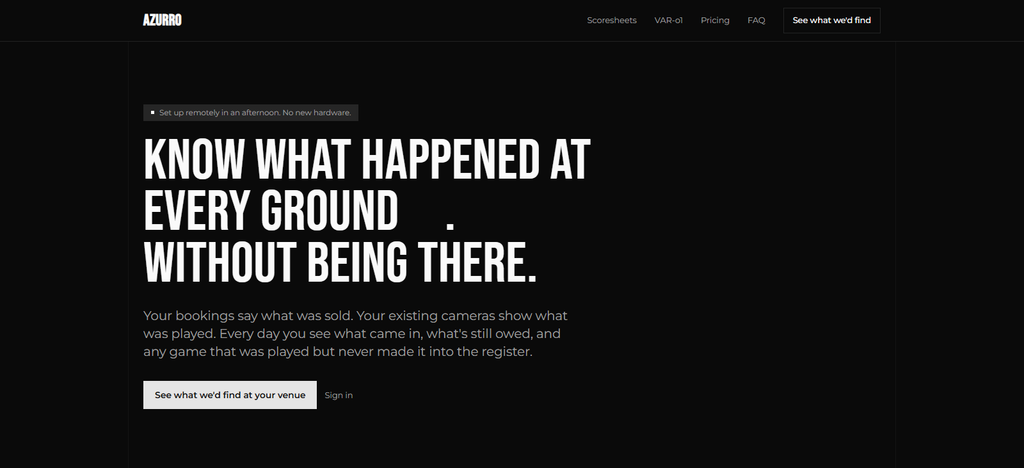
It’s odds use a dynamic vAMM/concentrated-liquidity model: data providers set initial odds and margin and live odds move with betting flow. Singleton pools use LiquidityTree to back many markets at once, providing liquidity. Runs on Polygon, Base, Gnosis and other EVM chains. Cost is mostly pool margin + gas.
Key Features
- provides decentralized sports prediction markets using an AMM-based liquidity model.
- Provides shared liquidity between different markets, through its LiquidityTree infrastructure.
- Enables permissionless integrations with third-party betting apps.
- Executes and settles bets through intelligent contracts in a transparent manner.
- Supports many EVM compatible blockchain networks and non-custodial gambling.
Best For:
- Sports bettors looking for decentralized, non-custodial betting experiences.
- Developers creating sports prediction apps using shared liquidity.
- Liquidity providers who want to participate in different sports markets.
- On-chain infrastructure, platforms that need customizable betting interfaces
2. SXBet
SX Bet is a peer-to-peer, on-chain sports betting exchange that was founded in 2017 and launched in 2019 as SportX. It creates, matches and settles bets via its protocol, with users trading against an order book, rather than a bookmaker’s pool. It features mainstream sports and esports with moneyline, spread, total, futures, and parlay markets.
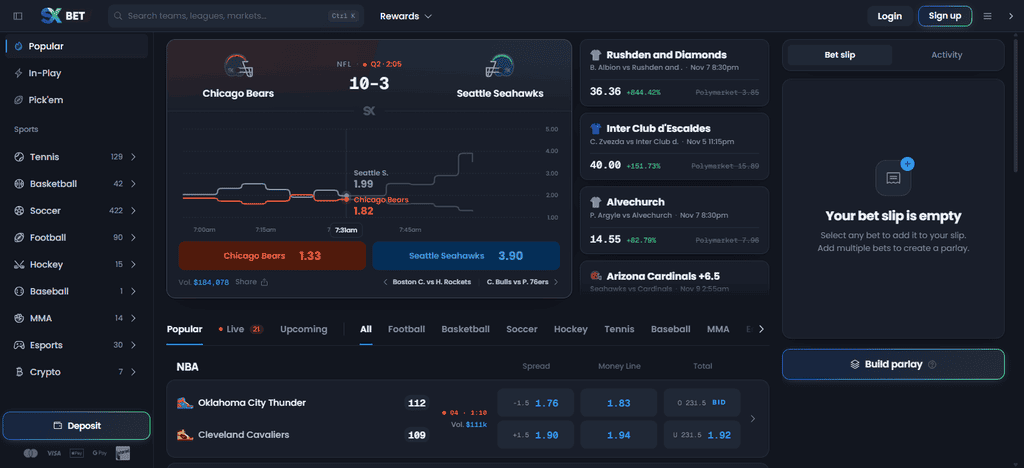
At its heart is a CLOB odds mechanism: makers post odds and takers take available liquidity, with market makers helping to ensure depth. Based on SX Network, an EVM-compatible PoS chain, SX Bet has expanded cross-chain to Arbitrum and Berachain. Single bets – 0% commission, winning parlays 5% and cross-chain bets 3% – gas and spreads are separate costs.
Key Features
- Uses peer-to-peer betting exchange model, not traditional bookmaker odds.
- Enables users to make and accept betting offers.
- Available to bet on: moneyline, spread, total
- Employs intelligent contracts to escrow and settle bets.
- Provides commission-free peer-to-peer betting on eligible markets.
Best For
- Experienced sports bettors looking for betting exchange odds.
- Users who like to set their own prices to wager.
- Traders seeking peer-to-peer sports betting opportunities.
- Gamblers that are interested in transparent blockchain based betting.
3. Overtake Market
Overtime Markets is an on-chain sportsbook that was born out of Thales, which launched in 2021 on Ethereum and Overtime V1 launched in 2022. It employs a sports AMM where outcomes are represented by collateralized ERC-20 position tokens, initially priced from Chainlink sports feeds and odds. It offers soccer, baseball and major sports in general with moneyline, totals, spreads, live markets, speed markets and parlays.
Prices are generally taken from pooled liquidity , rather than matching bets with another user , like on an exchange . Overtake has been live on Optimism, Arbitrum and Base since Thales rebranded to Overtake in 2025. Historically, its fees consisted of a SafeBox fee on wagered amounts, with incentives/rebates sometimes returning a portion to users; gas costs depend on the L2.
Main Features
- Custom Automated Market Maker (AMM) for the pricing of sports markets.
- Covers singles, parlays, same-game parlays, live markets.
- Offers futures player prop wagers.
- Leverages Chainlink and sports data feeds for market pricing and settlement.
- Works across Optimism, Arbitrum and Base networks.
Best Suited For
- Sports bettors who want to play multiple formats.
- Users desiring on-chain live sports markets.
- Bettors looking to bet on player props and parlay combinations
- Liquidity providers willing to be involved in sports-betting pools.
4. Polymarket Sports Betting
Polymarket is a decentralized prediction-market platform that launched in 2020 and has a sports category that enables users to trade outcome contracts instead of betting with a traditional bookmaker. It includes major sports and event markets, generally in the form of binary Yes/No contracts that settle at $1 or $0. Its odds mechanism is a decentralized CLOB: prices are implied probabilities and users can provide or take liquidity via limit and market orders.
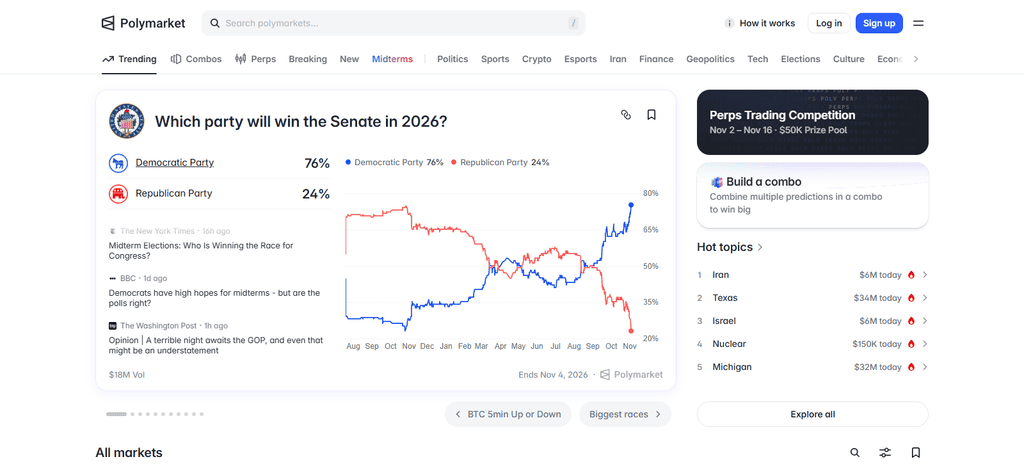
Sports limit orders are canceled automatically at official game start, emphasizing pre-game trading. The global platform settles on Polygon in USDC with off-chain matching for speed and on-chain settlement. Sports fees are based on a taker-fee model – reported at a 0.05 base rate with no maker fee and a 15% maker rebate – while the bid-ask spread is the primary implicit cost.
Important Features
- Trading on a market with a central limit order book (CLOB) model.
- Enables users to trade results of sports-related events.
- Prices are market implied probabilities of what can happen.
- Allows outcome shares to be bought and sold before the event is resolved.
- It uses an oracle based settlement engine to determine the market outcome.
Best For:
- Users interested in trading sports outcome odds.
- Traders anticipating sports events look at the market sentiment.
- Users who want to join the peer-to-peer market.
- Traders who want to enter or exit positions before an event is over.
5. Bookmaker.
Bookmaker.xyz is a decentralized sportsbook that is non-custodial and one of the first consumer applications built on Azuro. Users can connect a Web3 wallet and bet directly from self-custody, with intelligent contracts handling bet placement and payouts. It covers football, NBA basketball, NFL football, esports and other Azuro covered sports. It provides match results, totals, spreads and related betting markets.

Its odds are derived from Azuro’s data-provider and vAMM system, which adjusts dynamically as wagers flow into each market. It is primarily deployed on Polygon, with bets and liquidity in stablecoins/protocol-backed assets. Being Azuro powered, its main pricing cost is the embedded pool margin. Users pay Polygon gas and any wallet, bridge or swap costs.
Key Features
- Based on Azuro Protocol for decentralized sports betting.
- Works on Polygon and Gnosis blockchains.
- Permits users to bet with Web3-compatible wallets.
- Intelligent contracts are used to record the bets and manage the payouts.
- Offers a wide range of sports events, match results and betting options.
Best For
- Users want to bet on sports using a connected wallet.
- Bettors who want on-chain transactions to be transparent.
- Users who want non-custodial betting infrastructure.
- Sports bettors looking for Polygon and Gnosis based applications.
6. DexWin
DexWin is a decentralized sports-betting platform for on-chain wagering. The documentation covers gas-free and gas-paid betting modes, live betting, and integrated bridge, swap, and fiat on/off-ramp functionality. Its litepaper is from July 2022 indicating a launch in the early 2020s. It is targeting mainstream sports bettors and crypto-native bettors with pre-match and in-play betting markets, but the actual sport catalog and depth of markets will depend on its current liquidity and oracle integrations.
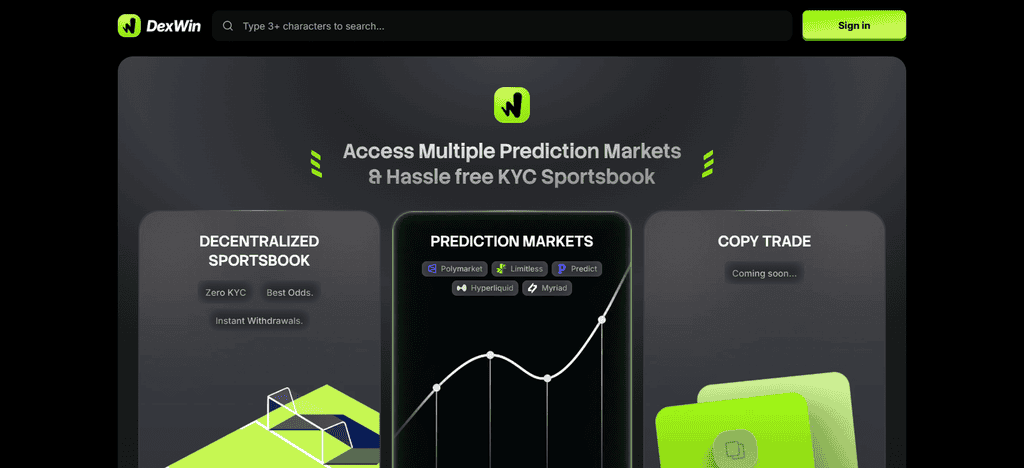
DexWin is pursuing a non-custodial, blockchain-based model where users have ownership of their funds and settlements are done through intelligent contracts. And it provides multi-chain and multi-currency support with its cross-chain access features. The project advertizes no hidden fees and free deposits/withdrawals, albeit the effective cost can still be affected by network gas, spreads and protocol level pricing.
Main Features
- It offers decentralized sports betting through intelligent contracts.
- Provides certain transactions with no-gas bet options.
- Provides live sports betting with competitive odds.
- Access to cross-chain bridging, swapping and crypto payments.
- Promotional reward mechanisms and AI-assisted betting guidance.
Best For
- Gamblers looking for gasless transaction options.
- Fans of live sports betting.
Crypto users wanting access to cross-chain betting. - Sports gamblers looking for information on betting with AI.
7. PinWin
PinWin is a crypto/sports betting platform. There is sparse public protocol documentation available, but there is trustworthy information on launch year, odds engine, supported chains, liquidity design and fee schedule. So it should be treated as a consumer facing betting interface rather than a well documented decentralized betting protocol. The sports betting sites in this category often have major sports like soccer, basketball, tennis and esports with moneyline, handicap, totals and prop markets.
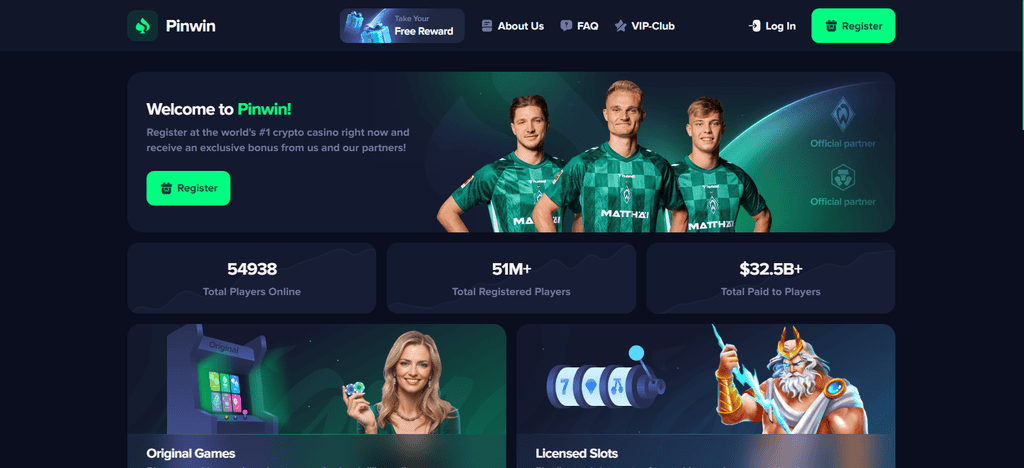
The odds can be from an internal bookmaking model, an aggregated feed or an underlying liquidity protocol. Without primary documentation that mechanism cannot be confirmed. Before depositing any funds, users must verify independently its support for blockchains, custody model, withdrawal rules, licensing and fee structure. No verified launch year or fee schedule could be determined from available sources.
Main Features
- Brings Azuro-based sports betting liquidity to the Solana blockchain.
- Supports various blockchain networks such as Solana, Polygon, Base and Gnosis.
- Enables social logins for quick onboarding.
- Provides sports statistics and betting advice.
- Offers gasless betting and copy-trading features.
Best For
- Sports bettors looking for a social betting experience.
- Those interested in copy trading opportunities.
- Solana ecosystem participants looking at sports betting.
- Bettors who want simple wallet access and gasless transactions.
8. Gift
Giraft is another newer crypto-betting name. No comprehensive public protocol documentation is readily available. There is no established on-chain sportsbook, prediction market or liquidity protocol that can be confidently described based on verifiable sources.
Typical platforms in this segment provide sports and esports markets like match winner, over/under, handicaps, and player props on an order-book exchange, AMM pool, or traditional odds-feed model. The available results do not clarify what blockchains are supported, in what denomination tokens are settled, the liquidity source, the fee schedule and the settlement process.
Prospective users should check that betting platforms are managing user funds, including contract audits, treasury custody, withdrawal reliability, licensing, and whether the odds are truly on-chain. Until the primary documentation is available, details of Giraft’s protocol should be considered unverified.
Key Features
- Uses Azuro-powered odds and betting infrastructure;
- Allows sports betting on any EVM compatible blockchain.
- Gives wallet-based non-custodial betting.
- Locks betting funds in intelligent contracts with pre-determined outcomes.
- It covers football, cricket, basketball, tennis, esports and other sports.
Best For:
- Users looking for non-custodial sports betting.
- Bettors who are interested in multiple sports and competitions.
- Betting on-chain for users on the EVM blockchain.
- Users who like transparent odds and payouts based on intelligent contracts.
9. Gamblr.xyz
Gamblr.xyz looks like a Web3 gambling or sports-betting interface, but the available sources lack sufficient primary documentation to confirm its founding date, supported sports, odds mechanism, blockchain network, liquidity model or fees.

It’s more of an early or niche crypto-betting brand than a well-documented protocol like Azuro, SX Bet, Overtime or Polymarket. In similar decentralized sportsbooks, users typically bet with stablecoins, access markets for soccer, basketball, MMA, tennis, and esports, and get payouts through intelligent contracts. But those assumptions regarding Gamblr.xyz would be just speculation.
Users should conduct their own due diligence on its smart contract, supported chains, oracle/settlement provider, withdrawal process, operator jurisdiction and any built-in vig or withdrawal fees before using it. Here the protocol level details are unverified.
Main Features
- Provides a non-custodial gambling app.
- Enables users to keep control of their funds.
- Aims at wallet-based access to Web3 betting services.
- Decentralized application experience without traditional custodial account management.
- Present in the Azuro application ecosystem.
Perfect For
- Crypto users seeking out non-custodial gambling apps.
- People who like to have control over their money.
- Web3 participants looking at decentralized gambling products.
- Users who are interested in wallet gaming experiences.
10. YezBet
YezBet is a crypto sports-betting platform with sparse detailed verifiable protocol documentation. It’s not clear from public information when it launched, what its underlying betting engine is, what blockchains it supports, or what liquidity provider or fee schedule it has. It probably caters to the everyday sports bettor with common markets like match winner, totals, spreads and props, but the exact catalog and whether or not it provides live betting cannot be confirmed from reliable sources.
Its odds can be sourced from an internal risk book, a third party odds feed or an on-chain liquidity protocol – a distinction with material implications for transparency, payout risk and pricing. Users should check wallet custody, supported chains, contract audits, withdrawal reliability, licensing and all fees directly on the platform before transacting, just like PinWin, Giraft and Gamblr.xyz. The details of its protocol are not established in the evidence before us.
Key Features
- Enables decentralized sports betting via Azuro Protocol.
- Offers sports and esports betting markets.
- It offers selections of live, upcoming and scheduled events.
- Provides many types of sports and match result bets.
- Runs its betting operations on Azuro intelligent contracts and liquidity infrastructure.
Best For
- Crypto users who are interested in Web3 sports betting.
- Betting markets for sports and esports.
- Sports fans who want to watch live and upcoming sports events.
- Sports bettors looking at decentralized apps powered by Azuro.
Conclusion
Decentralized sports odds protocols are revolutionizing sports betting with blockchain technology, smart contract technology, transparent odds and non-custodial transactions. Platforms like Azuro, SX Bet, Overtime Markets and Polymarket Sports take different approaches to liquidity, market pricing and betting settlements.
They support different sports and blockchain networks and betting markets to create new opportunities for Web3 users. But liquidity limits, smart contract vulnerabilities, oracle reliability and regional regulations are still important considerations.
Before choosing, users should assess the platform’s security, supported markets, fees, and settlement mechanisms. This helps make informed decisions in decentralized sports betting.
FAQ
What Are Decentralized Sports Odds Protocols?
Decentralized sports odds protocols are blockchain-based systems that facilitate sports betting through smart contracts, automated market makers, order books, and peer-to-peer betting mechanisms.
How Do Decentralized Sports Odds Protocols Work?
They connect users through Web3 wallets, generate betting odds, execute transactions using smart contracts, verify sporting results through oracles, and process eligible payouts.
What Are the Best Decentralized Sports Odds Protocols?
Popular platforms and protocols include Azuro, SX Bet, Overtime Markets, Polymarket Sports, Bookmaker.xyz, DexWin, PinWin, Giraft, Gamblr.xyz, and YezBet.
How Are Odds Calculated in Decentralized Sports Betting?
Odds are determined through different mechanisms, including automated market makers, order books, peer-to-peer offers, liquidity availability, and market demand.
Which Blockchains Support Decentralized Sports Odds Protocols?
Depending on the platform, supported networks include Ethereum, Polygon, Arbitrum, Base, Optimism, Gnosis, and Solana.