The Best Banking-as-a-Service (BaaS) Providers in the USA will be covered in this article along with how they assist digital companies, SaaS platforms, and fintech startups in swiftly launching financial solutions.
Prominent firms like Stripe, Plaid, and Marqeta offer robust APIs that let organizations include financial services like digital accounts, cards, and payments straight into their apps.
Key Point & Best Banking-as-a-Service (BaaS) Providers in the USA
| BaaS Provider | Key Point |
|---|---|
| Synapse | Offers APIs that allow fintech companies to build banking products like accounts, payments, and debit cards on top of partner banks. |
| Treasury Prime | Provides a powerful API platform that connects fintech startups with banks to quickly launch digital banking services. |
| Bond | Focuses on embedded finance, enabling brands to integrate financial products such as cards, accounts, and payments directly into their apps. |
| Mambu | A cloud-native core banking platform that helps banks and fintech companies build flexible and scalable financial services. |
| Griffin | A fintech infrastructure provider offering banking APIs and compliance solutions designed for modern fintech applications. |
| Marqeta | Specializes in modern card issuing and payment processing technology used by many fintech and digital payment companies. |
| Galileo Financial Technologies | Delivers robust APIs and payment processing infrastructure used by many leading digital banks and fintech platforms. |
| Stripe Treasury | Allows platforms to embed financial services such as bank accounts, cash management, and money movement using Stripe’s infrastructure. |
| Plaid | Provides financial data connectivity APIs that enable apps to access bank account data for payments, budgeting, and fintech services. |
| Green Dot | A long-established BaaS provider offering banking infrastructure, prepaid cards, and embedded finance solutions for businesses. |
1. Synapse
Founded in 2014, Synapse was a fintech infrastructure firm that offered APIs for startups and digital companies to include financial services including deposit accounts, debit cards, payments, and lending straight into their apps.
By serving as a middleman between licensed partner banks and fintech companies, the platform allowed developers to introduce banking functionality without needing to secure their own banking license.
Synapse was utilized by numerous startups to provide embedded banking systems and digital wallets. It was frequently ranked among the Best Banking-as-a-Service (BaaS) Providers in the USA due to its developer-friendly API infrastructure and adaptable services, enabling millions of end customers to access contemporary financial tools through fintech apps.
Synapse Features, Pros & Cons
Features
- Banking APIs for full-stack payments, cards, lending, and accounts.
- Automated KYC and AML compliance.
- ACH, wire, and cards payment processing.
- Analytics and transaction monitoring.
- Fintech integration APIs.
Pros
- Fintech’s customizable banking infrastructure
- KYC and AML compliance automation.
- APIs for simplified fintech product development.
- Supports payment processing for cards and ACH.
- Transaction monitoring and analytics.
Cons
- Platform integration may require advanced technical skills.
- Complex pricing for startups.
- Dependency on partner banks.
- Customer support may be inconsistent.
- May not be the right fit for simpler needs for smaller businesses.
2. Treasury Prime
Treasury Prime is a top fintech infrastructure platform that uses robust APIs to link banks and fintech businesses. Instead of creating banking infrastructure from scratch, it allows companies to incorporate banking services like account setup, payments, and card issuance directly into their products.
Developers may swiftly and safely deploy fintech applications because to the platform’s deep integration with partner banks’ core systems. Treasury Prime is often regarded as one of the USA’s Best Banking-as-a-Service (BaaS) Providers in the midst of the expanding embedded finance ecosystem since it streamlines intricate bank-fintech collaborations and offers scalable tools for digital financial innovation.
Treasury Prime Features, Pros & Cons
Features
- BaaS accounts, payments, and cards APIs.
- Direct sponsor bank integrations.
- Sandbox for financial product development.
- Card issuance capabilities via integrators such as Marqeta.
- Compliance and program management solutions
Pros
- Strong bank-fintech connection through modern APIs.
- Rapid time to market for fintech innovations.
- Unified card issuing and payment mechanism.
- Flexible and scalable structure.
- Strong documentation and support for developers.
Cons
- The integration of APIs is highly technical.
- Reliance on partner banks for compliance.
- With growth, pricing is likely to become unfavorable.
- Non-technical firms will receive limited aid.
- Regulatory burdens will be carried by fintech innovators.
3. Bond
Bond is a cutting-edge embedded finance infrastructure provider that lets companies incorporate financial products straight into their online platforms. Businesses can start debit cards, bank accounts, payments, and lending services without turning into banks by using its API-driven platform. Bond places a strong emphasis on security, compliance, and regulatory support, which enables startups to develop financial solutions more swiftly and safely.
Bond has gained widespread recognition as one of the Best Banking-as-a-Service (BaaS) Providers in the USA because it makes it easier to integrate financial services into apps, marketplaces, and SaaS platforms, particularly for businesses looking to offer seamless financial experiences within their current products.
Bond Features, Pros & Cons
Features
- Embedded finance infrastructure for digital products
- APIs for debit cards, payments, and bank accounts
- Regulatory and compliance support
- Integration of banking partner networks
- Fintech application developer tools
Pros
- Seamless integration of finance functionalities in your applications
- Strong compliance framework for fintech companies
- Flexible finance APIs
- Rapid delivery of fintech products
Cons
- Integration requires development resources
- Limited customization compared to core banking platforms
- Estimated costs will be high for nascent start-ups
- Limited banking services available from partners
- Reliance on partner banks-
4. Mambu
Mambu is a cloud-native banking platform that helps fintech firms and financial institutions create adaptable online banking services. In contrast to conventional core banking systems, Mambu’s modular architecture enables businesses to quickly introduce products including deposits, loans, and payment services. Mambu is used by numerous banks and fintech firms to develop scalable digital finance platforms and update outdated systems.
Mambu is regularly listed as one of the Best Banking-as-a-Service (BaaS) Providers in the USA due to its adaptable architecture and worldwide reach. It supports digital transformation initiatives and assists businesses in providing cutting-edge financial services to clients via cloud technology.
Mambu Features, Pros & Cons
Features
- Core banking system in the cloud.
- Banking construction of modular tech.
- Lending, deposits, and financial services support.
- Integrations via API-first design.
- Digital banks scalable infrastructure.
Pros
- Cloud banking infrastructure highly scalable.
- Architecture modular and flexible.
- Banks and fintechs applicable.
- Rapid development of required products.
- Presence globally is strong.
Cons
- High costs of implementation.
- Technical know-how is required for deployment.
- Advanced features configuration complexity.
- Legacy system integrations difficult.
- Internal development teams required.
5. Griffin
Griffin is a fintech infrastructure provider that offers financial infrastructure, compliance tools, and banking APIs to businesses creating financial products. For fintech businesses looking to introduce banking services, its platform focuses on streamlining operational complexity and regulatory constraints.
Griffin’s infrastructure enables businesses to effectively include payment processing, account management, and financial compliance elements into their applications.
Griffin is frequently listed as one of the Best Banking-as-a-Service (BaaS) Providers in the USA because of its emphasis on secure financial infrastructure and developer-friendly systems, particularly for companies looking for dependable embedded finance solutions while upholding strict compliance and regulatory standards.
Griffin Features, Pros & Cons
Features
- Banking APIs for product development in fintech.
- Infrastructure for embedded finance.
- Tools for compliance and regulation.
- Services for account management.
- Capabilities for processing payments.
Pros
- Sets up fintech infrastructure with ease.
- Strong support for compliance.
- API architecture is developer-friendly.
- Great for fintech startups.
- Financial infrastructure is safe.
Cons
- Market maturity is lower than other BaaS players.
- Smaller integrations ecosystem.
- Banking partners are dependent.
- Limited presence globally.
- Set of features is still evolving.
6. Marqeta
Fintech firms, digital banks, and international brands employ Marqeta, a cutting-edge card-issuing and payment infrastructure platform. Businesses may design personalized debit, credit, and prepaid card programs with various payment options and real-time transaction control thanks to its technology.
Marqeta’s API-based platform makes it simple for businesses to handle card issuance, authorization controls, and payment processing. Marqeta is regularly ranked among the Best Banking-as-a-Service (BaaS) Providers in the USA, assisting companies in creating cutting-edge card-based financial products and scalable payment systems due to its robust presence in the fintech ecosystem and collaborations with significant digital platforms.
Marqeta Features, Pros & Cons
Features
- Card issuing platform of the latest models.
- Real-time payment controls authorization.
- 3. Open APIs to integrate with the payment systems.
- Programs for virtual and physical cards.
- Monitoring transactions and preventing fraud.
Pros
- Issuing cards with great capacity.
- Fintech companies use them a lot.
- Great payment control customization.
- Excellent payment systems worldwide.
- Great tools for developers.
Cons
- Focusing on cards, not full banking.
- Costs can increase with more volume.
- Less automation for integration.
- Fewer lending and deposit options.
- Reliance on partner banks.
7. Galileo Financial Technologies
Numerous digital banks and fintech platforms around the world are powered by Galileo Financial Technologies, a well-known provider of fintech infrastructure.
Businesses can design and manage financial services including digital wallets, payments, and card issuance thanks to its API-based platform. Fintech businesses may launch rapidly while preserving operational efficiency and regulatory compliance thanks to Galileo’s backend banking technology.
Its infrastructure supports millions of users for many prosperous neobanks. Galileo is regarded as one of the Best Banking-as-a-Service (BaaS) Providers in the USA because of its dependability and sophisticated financial APIs, which foster innovation throughout the contemporary fintech ecosystem.
Galileo Financial Technologies Features, Pros & Cons
Features
- Banking platform infrastructure via APIs.
- Tools for moving money and managing accounts.
- Ability to issue cards.
- Fraud detection, security, and digital wallet integration.
Pros
- Many neobanks use their reliable infrastructure.
- Fintech platform great for scalability.
- Good tools to move money digitally.
- APIs are well documented.
- Good overall environment for fintech.
Cons
- Beginners can find it difficult to set up.
- Developers are almost a requirement.
- Startups can find it expensive.
- Relies on partner banks.
- Functions without integrations are limited.
8. Stripe Treasury
Stripe created Stripe Treasury, an embedded financial solution that lets marketplaces and platforms provide banking services to its users directly. Through Stripe’s infrastructure, businesses may incorporate financial services including keeping funds, delivering payouts, maintaining balances, and facilitating money movement.
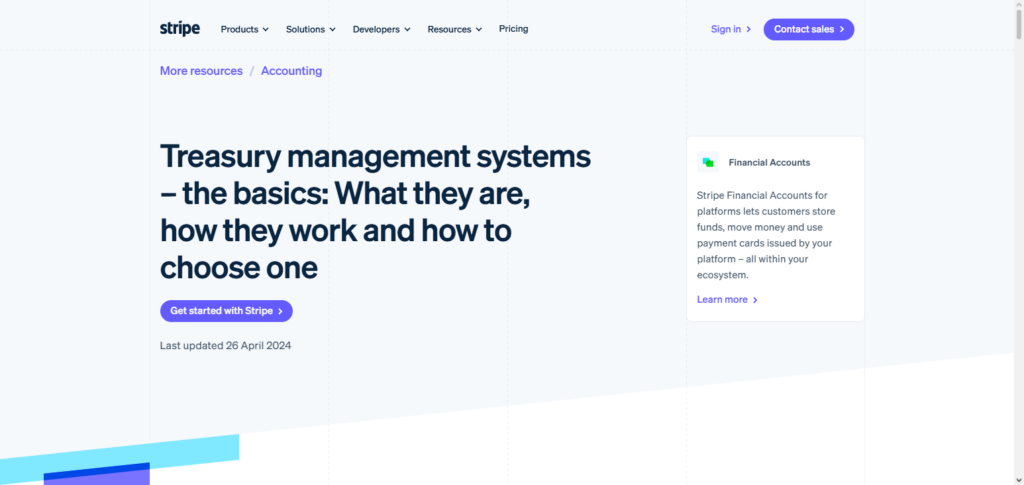
Because of its seamless integration with Stripe’s payment infrastructure, developers can more easily incorporate financial capabilities into their sites. Stripe Treasury is frequently listed among the Best Banking-as-a-Service (BaaS) Providers in the USA due to its robust developer tools and worldwide infrastructure, which enable businesses to create integrated financial experiences without turning into banks.
Stripe Treasury Features, Pros & Cons
Features
- Financial accounts that are embedded into the platforms.
- Systems for managing money and payments.
- Managing balances and making payouts.
- Ability to use other tools in the payment ecosystem of Stripe.
- Financial Product Development APIs
Pros
- Payment integration through Stripe is simple.
- Strong developer community.
- Financial supports scalability.
- Reputable fintech company worldwide.
- Integration is quick for SaaS.
Cons
- Based on regions, availability is limited.
- Use of the Stripe ecosystem is mandatory.
- With growth, pricing may become cost prohibitive.
- Less flexibility for tailoring compared to core banking systems.
- Partner banks regulated.
9. Plaid
Plaid is a financial data network that uses secure APIs to link apps to customers’ bank accounts. Fintech apps may access financial data, authenticate accounts, and make payments between bank accounts and online platforms thanks to its technology.

Applications for budgeting, payment services, lending platforms, and investment tools all make extensive use of Plaid. Plaid is an important part of the embedded finance ecosystem even if its primary focus is on financial data communication rather than complete banking infrastructure.
Because it facilitates smooth financial data integration across thousands of fintech applications, it is frequently regarded as one of the Best Banking-as-a-Service (BaaS) Providers in the USA.
Plaid Features, Pros & Cons
Features
- APIs for connecting to secure bank accounts.
- Aggregation of financial information.
- Services for checking account balances.
- Payment initiation.
- Tools for identity verification and fraud detection.
Pros
- Network of financial institution is big.
- Integration into fintech applications is simple.
- Access to reliable financial data.
- High demand across fintech.
- Support for numerous financial services.
Cons
- Focus is on data, not on full banking systems.
- Access is contingent on the availability of bank APIs.
- High pricing is startup unfavorable.
- Payment capabilities are limited.
- Certain areas have data access limitations.
10. Green Dot
One of the biggest and most reputable fintech infrastructure companies in the US is Green Dot. The company provides banking-as-a-service technologies that let companies offer embedded financing products, digital banking, debit cards, and payment processing.
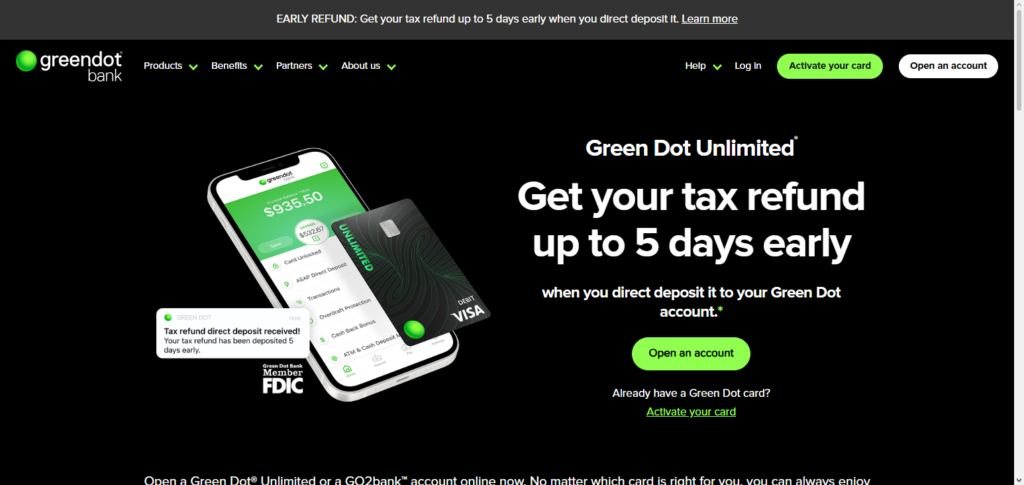
Green Dot facilitates the rapid launch of financial services by fintech startups, retailers, and technology enterprises through its vast banking infrastructure and regulatory licensing. Green Dot is recognized as one of the Best Banking-as-a-Service (BaaS) Providers in the USA due to its extensive experience in prepaid cards and digital banking infrastructure, supporting financial services for millions of customers and businesses.
Green Dot Features, Pros & Cons
Features
- Banking as a Service.
- Issuing Debit, and Prepaid cards.
- Embedded Finance.
- Payment Processing.
- Digital Banking Solutions.
Pros
- Robust risk management systems.
- Strong compliance with regulation.
- Comprehensive network for prepaid cards.
- Many fintechs have relied on them.
- Wide consumer banking reach.
Cons
- Older legacy systems than other fintechs.
- Difficult integratoin for new startups.
- Less flexibility for developers.
- Less nimble than other newer competitors.
- More stringent compliance demands.
Conclusion
By enabling businesses to include banking capabilities straight into their platforms without turning into full-service banks, Banking-as-a-Service (BaaS) is revolutionizing the financial sector.
Prominent platforms including as Stripe, Plaid, Marqeta, and Galileo Financial Technologies offer robust infrastructure and APIs that facilitate the quicker and more effective development of financial products. Startups, fintech firms, and even big businesses may now provide services like cards, digital wallets, lending, and payments within their own apps thanks to these solutions.
Business requirements, such as scalability, regulatory support, developer tools, and banking alliances, determine which Banking-as-a-Service (BaaS) providers are best in the USA. BaaS platforms will be crucial in determining the direction of digital banking and financial innovation as embedded finance grows, increasing the accessibility, flexibility, and integration of financial services into commonplace digital encounters.
FAQ
What is Banking-as-a-Service (BaaS)?
Banking-as-a-Service (BaaS) is a financial technology model that allows companies to integrate banking services such as payments, accounts, lending, and debit cards into their applications using APIs provided by licensed banks and fintech platforms. This enables businesses to offer financial services without becoming a bank themselves.
Who are some of the Best Banking-as-a-Service (BaaS) Providers in the USA?
Some of the leading providers include Stripe, Plaid, Marqeta, Galileo Financial Technologies, Treasury Prime, and Green Dot Corporation. These companies provide infrastructure that allows fintech startups and businesses to launch digital banking features quickly.
How do BaaS providers work?
BaaS providers connect fintech companies with licensed banks through APIs. They handle core banking infrastructure, compliance requirements, and payment processing, allowing businesses to build financial products such as digital wallets, payment systems, and debit cards on top of their platform.
Why are BaaS platforms important for fintech startups?
BaaS platforms reduce the cost and complexity of launching financial services. Instead of building banking infrastructure from scratch or obtaining banking licenses, startups can use existing platforms to launch products faster, scale efficiently, and focus on improving customer experience.
What services do BaaS providers typically offer?
Most BaaS providers offer services such as account creation, payment processing, debit or prepaid card issuing, lending infrastructure, compliance management, identity verification, and financial data integration.