


Unexpected medical bills can really hit your budget hard, especially if you get hit with hospital visits, emergency treatment or prescription costs without warning. A good credit card can help you cover those costs and may offer benefits such as an introductory 0% APR, cashback rewards, and flexible payment options.
In this guide, I’ll review the best credit cards for medical bills and emergencies, comparing their main features, interest rates, fees, and financing benefits to help you choose an option that suits your healthcare needs and financial circumstances.
How to Choose the Best Credit Card for Medical Bills?
Compare introductory APR offers: Select a credit card with 0% introductory APR on purchases to handle medical expenses without interest during the promotional period, as long as you pay the balance off on time.
Check the Standard Interest Rates: Before applying, check the card’s standard APR. If you can’t pay off medical bills before the end of the promotional financing period, a lower regular interest rate might save you money on borrowing costs.

Consider annual fees: Choose a card with no annual fee whenever possible. This helps to reduce future costs, especially if credit is mainly used for unexpected medical bills and emergency treatments.
Look for Cashback and Rewards: Search for cards that give cashback on qualifying purchases. When providers accept credit card payments, rewards can offer small savings on qualifying medical expenses, prescriptions and healthcare supplies.
Compare Financing Options: Review the duration of promotional financing periods, monthly payment obligations and deferred interest terms. Pick plans you can afford, and steer clear of ones that might add to your overall medical costs.
Check credit score requirements: Check the card’s suggested credit score and eligibility requirements before you apply. Selecting the appropriate options can reduce unnecessary applications and help protect your credit profile.
Check if your health care providers participate. Call hospitals, clinics, pharmacies and specialists to find out if they accept the card you want. Also check processing fees as these can offset the benefits of the rewards.
Consider emergency flexibility: choose a card with a decent credit limit, repayment terms you can comfortably manage and clear fees. Don’t borrow more than you can afford to pay back. You don’t want to end up in debt in the long run because of healthcare.
How to Pay Medical Bills Using a Credit Card?
Confirm Payment Acceptance: Before continuing, contact the hospital, clinic, or healthcare provider to confirm they accept credit cards for medical bills and to ask about any associated payment processing fees.
Examine Your Medical Bill. Check the price of treatment, prescription drugs, lab tests and other services. If you see errors or things you didn’t expect, call the billing department before you pay with a credit card.
Pick the Right Credit Card: Choose a card with the right interest rates, promotional APR offers, or rewards. Compare terms to help you borrow less when you have a big medical bill to pay.
Check Available Credit Limit: Before paying your medical bills, ensure you have enough credit available. Credit utilization is the ratio of the amount of credit you’re using to your credit limit. Keep it at a level that allows you to maintain your financial flexibility. Ensure that the transaction does not exceed your limit!
Ask About Payment Plans: Check with your healthcare provider for installment arrangements, financial assistance, or discounts that may reduce immediate expenses and limit borrowing needs before charging the full amount.
Securely Make the Payment: Pay through the official payment portal of the Provider, authorized payment terminal or billing department. Check the amount and keep your receipt for future reference.
Know About Interest and Fees: Familiarize yourself with your card’s APR, promotional financing terms and conditions, and transaction fees. Know if deferred interest applies and when promotional periods end to avoid unexpected borrowing costs.
Create a Repayment Plan: Charge medical expenses, set payment reminders and a monthly budget. Pay off your statement balance whenever possible, or pay off any promotional balances before the end of interest-free periods.
10 Best Credit Cards for Medical Bills and Emergencies
| Credit Card | Key Point |
|---|---|
| Wells Fargo Reflect® Card | Offers a long introductory 0% APR period on purchases, making it useful for spreading large medical bills over time without immediate interest charges |
| Citi Simplicity® Card | Known for an extended 0% intro APR offer and no late fees, helping cardholders manage unexpected healthcare expenses more affordably. |
| Citi Diamond Preferred® Card | Provides a lengthy introductory APR period that can help finance emergency medical costs while minimizing interest expenses. |
| Wells Fargo Active Cash® Card | Combines flat-rate cash rewards with a 0% intro APR period, offering value for both medical spending and everyday purchases. |
| Chase Freedom Unlimited® | Earns cash back on purchases and includes an introductory APR promotion, making it suitable for unexpected healthcare bills. |
| BankAmericard® Credit Card | Designed for low-cost financing with a lengthy intro APR offer, making it a practical option for large medical expenses. |
| U.S. Bank Visa® Platinum Card | Features an extended 0% intro APR period and focuses on financing flexibility rather than rewards. |
| Blue Cash Everyday® Card from American Express | Offers cash back on eligible spending while providing an introductory APR period that can help with medical-related purchases. |
| Capital One Quicksilver Cash Rewards Card | Provides simple flat-rate cash back and financing flexibility for emergency expenses and healthcare payments |
| CareCredit® | A dedicated healthcare financing card accepted by many medical, dental, vision, and veterinary providers, specifically designed for medical expenses. |
1. Wells Fargo Reflect Card®
The Wells Fargo Reflect® Card is a good option for those who need more time to pay off unexpected medical bills and don’t want to pay interest charges during an introductory period. Rewards and Cashback: This card does not have a traditional cashback rewards program.
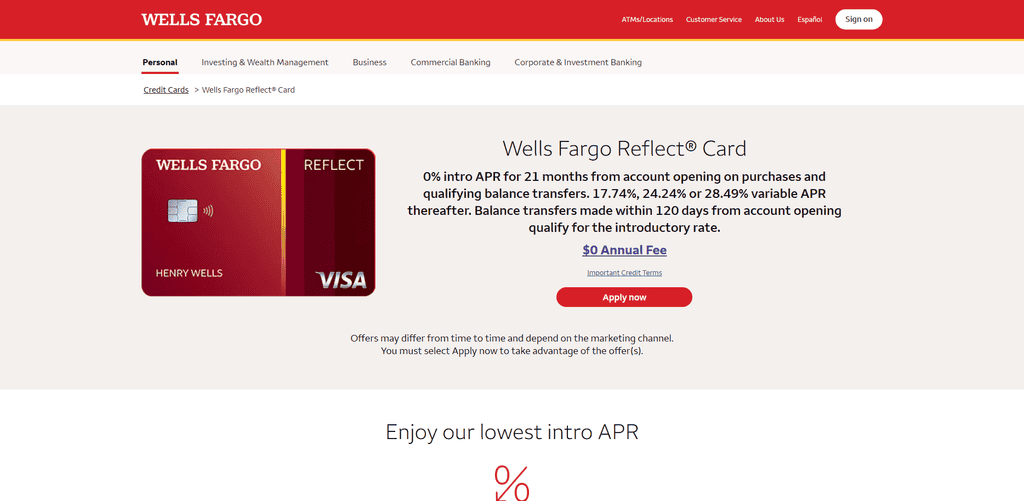
APR & Interest Rates: 0% introductory APR on purchases for 21 months, then 17.49%, 23.99% or 28.24% variable APR. Annual Fees: No annual fees. Financing Options:Eligible purchases are paid over the promotional period.
Welcome Bonuses: There is no generic welcome bonus on offer. Medical Expense Coverage: It can assist with eligible healthcare purchases, but it is not health insurance.
Main Features
- Introductory 0% APR on qualifying balance transfers and eligible purchases.
- $0 annual fee.
- No old-school cashback or rewards program.
- Cell phone coverage when eligible conditions are met.
- Flexible repayment period for qualified medical costs.
Best Use Cases
- Paying big hospital bills over time.
- Handling unexpected emergency room costs.
- Paying for expected medical expenses.
- Paying off eligible purchases during the introductory APR period
2. Citi Simplicity® Card:
The Citi Simplicity® Card lets consumers manage healthcare expenses with a long introductory period to pay for eligible purchases. Cashback and Rewards: No cashback or traditional rewards are offered for purchases. APR and Interest Rates: Introductory 0% APR for 18 months on eligible purchases, then a variable APR of 17.74% to 28.49%.
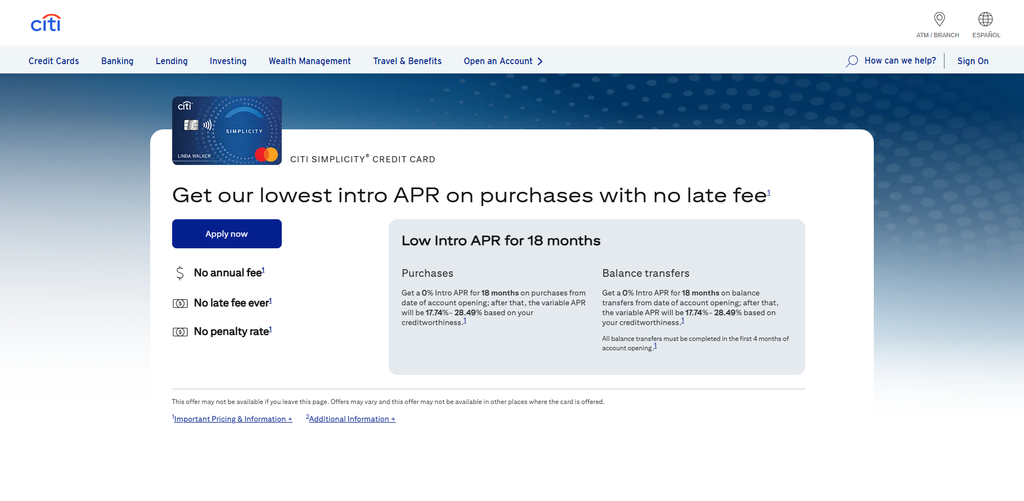
Annual Fees: No annual fee. Financing Options: Account terms dictate that cardholders can pay for qualifying medical purchases throughout the introductory period. Welcome Bonuses: No standard welcome bonus. Medical Expenses Coverage: It can help with doctor visits, prescriptions, and hospital bills when the provider accepts credit cards.
Main features
- No interest on qualifying purchases and balance transfers for the first year.
- No fee annually.
- No regular cash back rewards.
- No late fees under its normal card terms.
- Longer repayment period on qualifying purchases.
Best Uses
- Handling unexpected medical bills.
- Includes coverage for doctor visits and diagnostic tests.
- Consolidation of existing eligible credit card debt.
- Stretching medical purchases into a monthly budget.
3. Citi Diamond Preferred® Card
If you need to finance medical expenses and want to save on interest with introductory rates, then consider the Citi Diamond Preferred® Card. Rewards and Cashback: The card does not offer a cashback or rewards program. APR and Interest Rates: Offers 0% introductory APR on purchases for 12 months, then a variable APR of 16.74% – 27.49%.
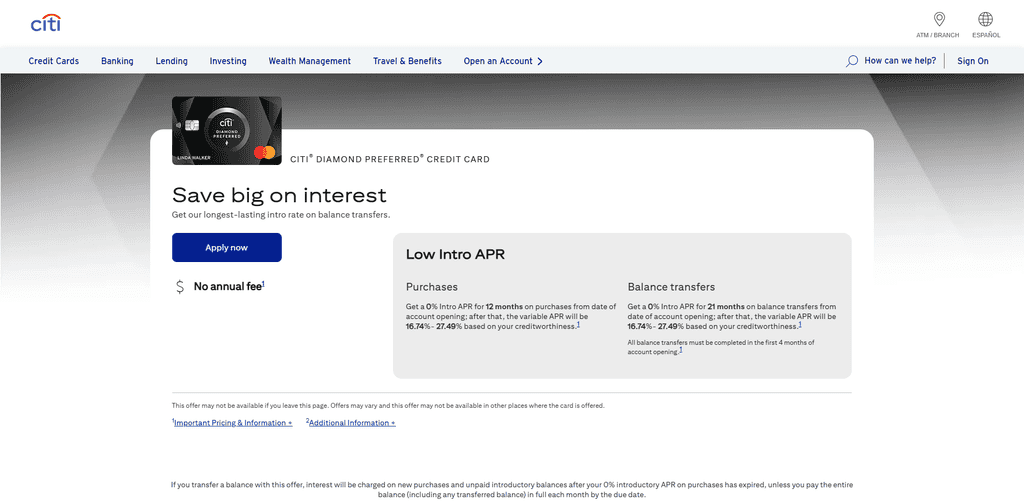
Annual Fees: No annual fee. Cardholders can pay for eligible purchases over time during the introductory period, as long as they make the required payments. Welcome Bonuses: No standard welcome bonus available. Medical Expense Coverage: It may help cover eligible medical expenses but does not reimburse for treatment expenses.
Featured
- 0% APR on qualifying balance transfers for introductory period.
- 0% intro APR on eligible purchases.
- No yearly fees.
- Citi Entertainment access to offers
- Access to eligible cardholders’ FICO credit score information.
Best Uses
- Medical purchases approved for funding.
- Handling costly dental treatments.
- Paying for scheduled surgeries over time.
- Consolidate eligible medical expense credit card debt.
4. Wells Fargo Active Cash Card
If you’re looking for a practical way to earn cash back while managing your medical bills and everyday expenses, the Wells Fargo Active Cash® Card is a great option. Rewards and Cashback: Unlimited 2% cash rewards on eligible purchases could bring some value back from healthcare payments.
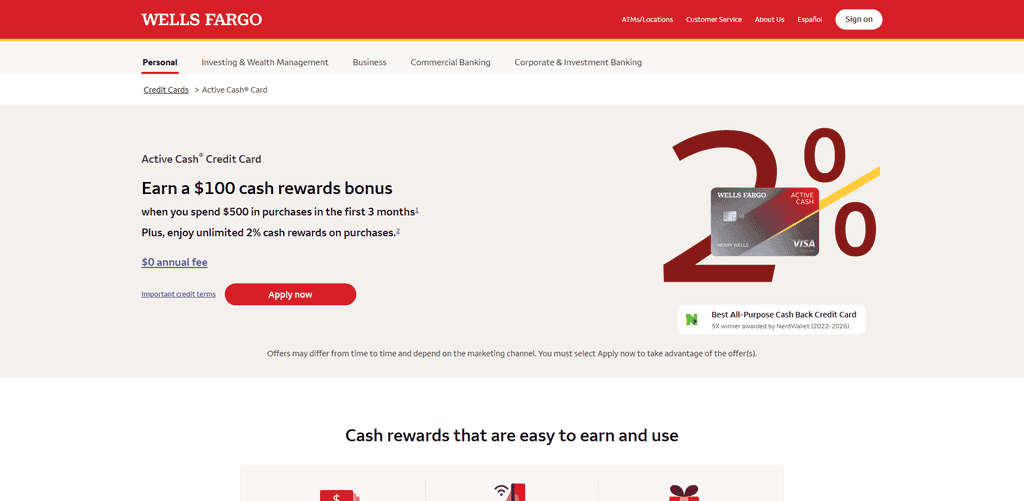
APR & Interest Rates: 0% introductory APR for 12 months on purchases and a variable APR of 18.49%, 24.49% or 28.49%. Annual fees: There is a $0 annual fee. Payment Plans: Eligible medical purchases can be covered during the introductory period. Welcome Bonuses: New eligible cardholders can earn $100 after spending $500 in purchases in 3 months. No medical coverage included.
Key Features
- unlimited 2% cash back on qualifying purchases.
No annual fee. - 0% introductory APR on qualifying purchases for a limited time.
- Welcome bonus offers to eligible new cardholders.
- Simple rewards with no rotating bonus categories.
Best use cases
- Get cash back on eligible medical bills.
- To pay for prescriptions and medical supplies.
- Handling day-to-day medical costs.
- Earning rewards by combining medical expenses with everyday purchases.
5. Chase Freedom Unlimited®
The Chase Freedom Unlimited® card provides everyday cashback rewards combined with an introductory period of no interest that can help consumers manage unexpected healthcare costs. Rewards and Cashback: Unlimited 1.5% cashback on general purchases, 3% on eligible dining and drugstore purchases, and 5% on travel purchased through Chase Travel. APR and Interest Rates:
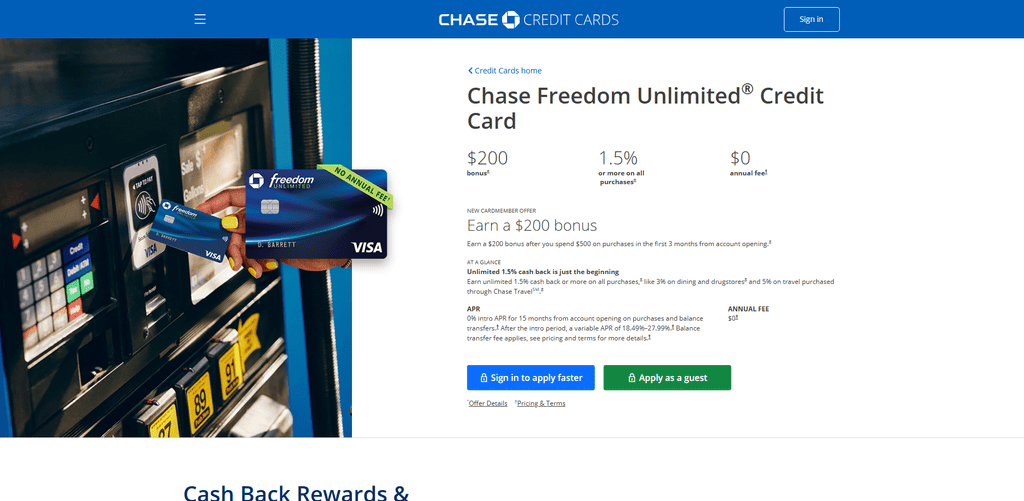
The 0% introductory APR on purchases for 15 months then goes to a variable APR of 18.24% to 27.74%. Annual Fees: No annual fee. Financing Options: Introductory financing may apply to eligible medical purchases. Welcome Bonuses: Eligible new cardholders can receive $200 after spending $500 within three months. It does not include medical insurance.
Main features
- 1.5% cash back on eligible general purchases, unlimited.
- Increased cashback rates on eligible dining and drugstore purchases.
- Earn additional cashback on eligible travel booked through Chase Travel.
- No annual fees.
- 0% introductory APR on eligible purchases for a limited time.
Best Applications
- Earning rewards on eligible healthcare spend.
- Filling prescriptions at eligible pharmacies.
- Handling unexpected medical bills.
- Earn cashback on your everyday spending and healthcare expenses.
6. BankAmericard® Credit Card
The BankAmericard® Credit Card is engineered to save you money on interest, not earn you rewards on purchases, so it might be worth a look if you have significant medical bills. Rewards & Cashback: There is no traditional cashback rewards program offered. APR & interest rates: 0% introductory APR on eligible purchases for the first 21 billing cycles and then a variable APR of 15.24% to 26.24%.
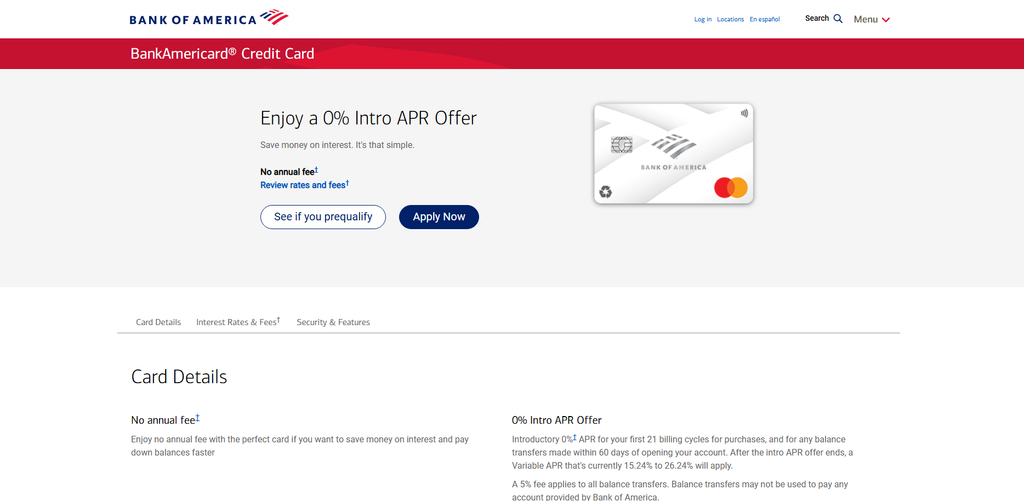
Annual Fees There is no annual fee. Financing. The long introductory period lets you pay off qualifying healthcare purchases interest-free. Welcome Bonuses: No regular cashback welcome bonus. Medical Expense Coverage: This can help pay for eligible medical expenses, but it won’t cover treatment or hospital bills in the same way that insurance would.
Features
- 0% APR on qualifying purchases during the introductory period.
Introductory financing offer on qualifying balance transfers. - No annual fees.
- No regular cashback rewards program.
- Potential interest savings over the promotional repayment period.
Top Use Cases
- Paying medical bills over several months.
- Financing of scheduled healthcare procedures.
- Handling qualifying existing credit card debt.
- Lowering interest costs while paying off eligible purchases
7. U.S. Bank Visa® Platinum Card
The U.S. Bank Visa® Platinum Card is geared toward consumers who want an introductory interest-free period rather than rewards on purchases. Rewards and Cashback: There is no traditional cashback program. APR and Interest Rates: Check the initial APR offer before applying, as promotional terms may change. ]
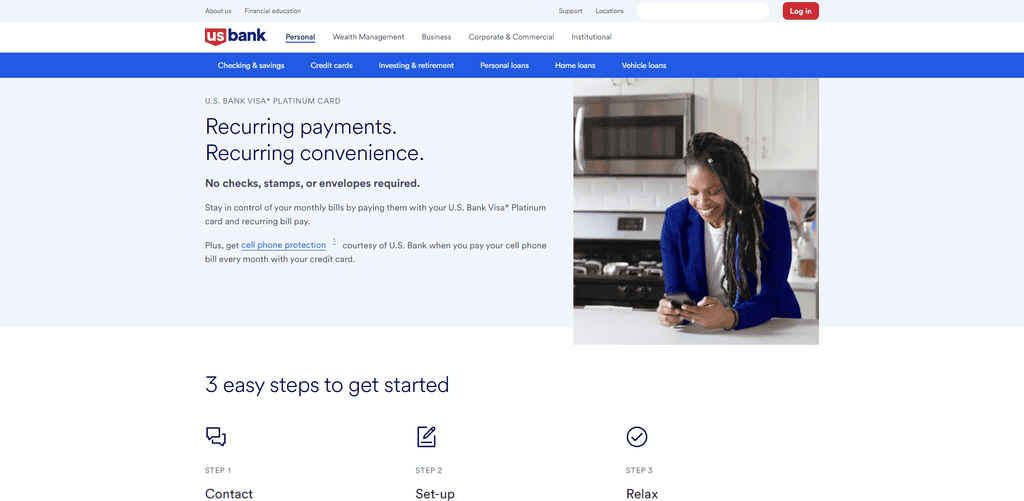
Annual Fees: Typically the card has no annual fee. Financing Options: For eligible medical purchases, repayment may be made over an introductory period where the account offer provides 0% APR on purchases. Welcome Bonuses: Generally, there is no welcome bonus associated with standard purchase-rewards.
Medical Expense Coverage: It can help in handling the accepted healthcare payments, but consumers are advised to check the current rates, the duration of the promotion, and the acceptance of the provider before relying on it.
Features
- No annual fee generally.
- No conventional cashback rewards program.
- Experience with account management and payment tools.
- Possible financing flexibility for eligible health care purchases.
Best Use Cases
- Dealing with surprise hospital bills.
- Paying for eligible medical bills over time.
- Funding of planned medical interventions.
- Establishing a repayment schedule for healthcare purchases.
8. American Express Blue Cash Everyday® Card
The Blue Cash Everyday® Card from American Express is a good choice for consumers who want cashback on everyday spending along with occasional healthcare expenses. Rewards and Cashback: Get 3% cashback on eligible U.S. supermarkets, U.S. gas stations and U.S. online retailers, up to annual spending limits, and 1% on other eligible purchases.
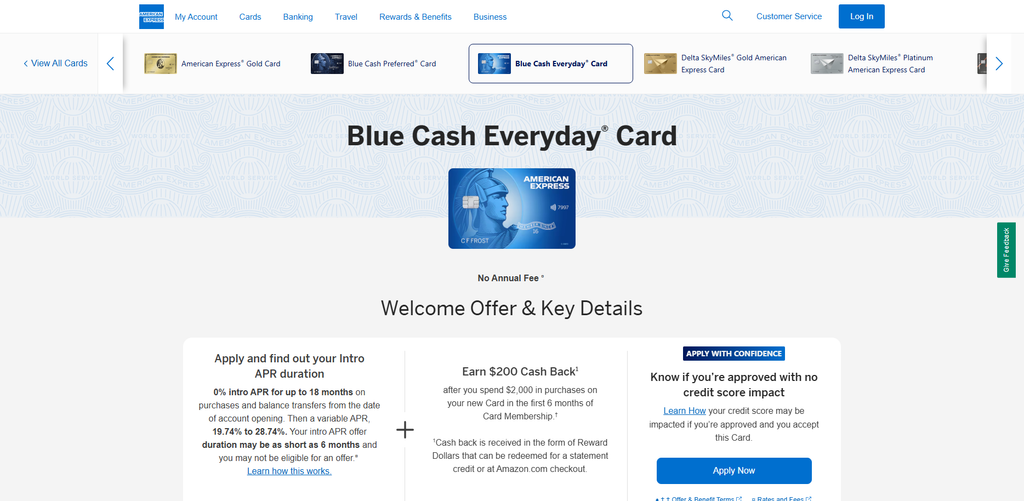
APR and Interest Rates: Qualified purchases may receive a 0% intro APR for 15 months, then a variable APR. Annual Fee: No annual fee. Financing: Qualifying medical purchases may be eligible for introductory financing. Welcome Bonuses: Offers may differ and may include cashback after qualifying purchase(s). Medical insurance is not included.
Key Features
- 3% cash back on eligible U.S. supermarket purchases.
- 3% cash back at eligible gas stations in the U.S.
- 3% cash back on qualifying online retail purchases from U.S. merchants, up to a spending limit.
- No annual fees.
- Eligible applicants may obtain introductory APR offers and welcome bonuses.
Top Use Cases
- Get cashback on eligible healthcare purchases online.
- Buying eligible medical supplies from online retailers.
- Handling daily household expenses alongside medical bills.
- Using rewards from eligible purchases to offset other household costs.
9. Capital One Quicksilver Cash Rewards Credit Card
The Capital One Quicksilver Cash Rewards Credit Card might appeal to consumers looking for straightforward cashback on eligible healthcare services. Rewards and Cashback: It generally earns you unlimited 1.5% cashback on eligible purchases, and you don’t have to keep track of categories.
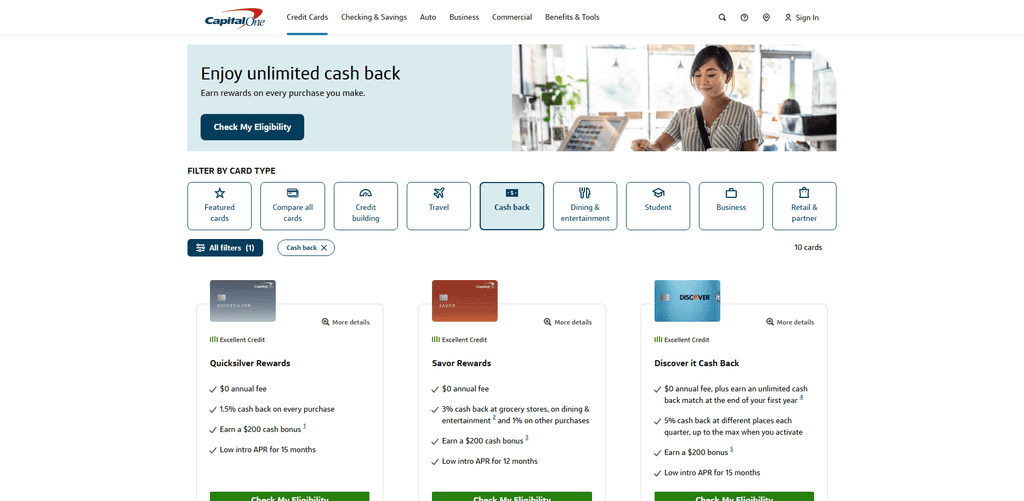
APR and Interest Rates: Eligible accounts may be eligible for introductory APR offers, but it’s smart to check the current purchase APR and promotional period before you apply. Annual Fees: There is no annual fee on the regular Quicksilver card.
Financing Options: If the account has introductory 0% APR on purchases, eligible medical bills may be paid off during that time. Welcome Bonuses: Eligible applicants may receive a cashback bonus based on spending. Does not include insurance and medical expense coverage.
Main Features
- 1.5% cash back on purchases, unlimited.
- Typically no annual fee on the standard card.
Simple rewards, no rotation of categories.
New cardholders may be eligible for welcome bonus deals. - Introductory APR offers may apply to eligible accounts
Best Use
- Getting cashback for eligible medical expenses.
- Covering healthcare supplies and prescriptions.
- Paying for everyday expenses and unexpected medical bills.
- Getting simple rewards without the hassle of tracking spending categories
10. Care Credit
CareCredit is a health care credit card specifically designed to help consumers pay for eligible medical, dental, vision and veterinary expenses at participating providers. Rewards and Cashback: Not strongly focused on traditional cashback.
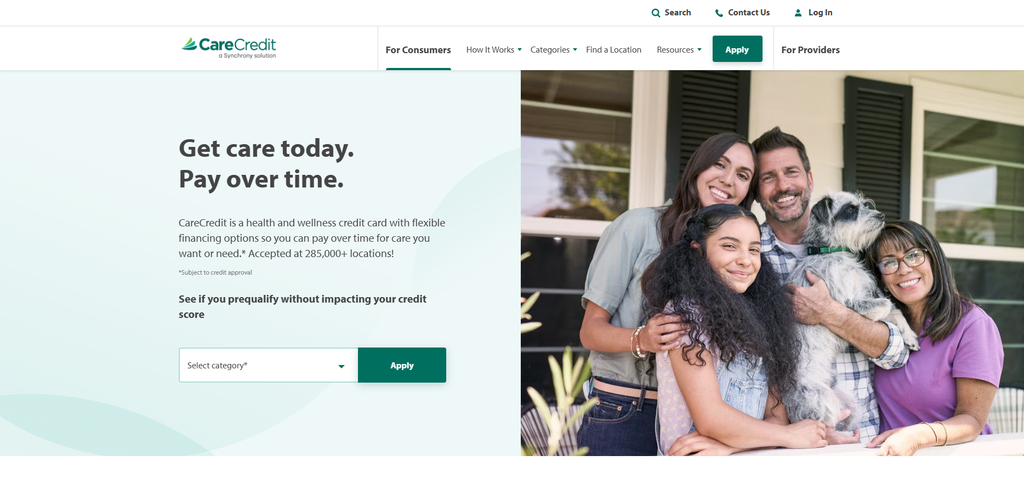
APR and Interest Rates: Promotional financing may be available. If you do not pay off the promotional balance in full by the deadline, you may be charged interest from the purchase date.
Annual fees: Normally this account has no annual fee. Financing: Promotional periods can vary from 6 to 24 months depending on the provider and the amount of the purchase. Other fixed-payment plans may also be offered. Welcome Bonuses: The product doesn’t have a standard cashback bonus at its heart. It will cover eligible care, not health insurance.
Main Features
- Participating provider credit card, healthcare focus.
- Financing for eligible medical, dental, vision and veterinary costs.
- Promotional financing available on qualified purchases.
- No regular annual fee.
- Acceptance is subject to the participating healthcare provider and eligible services.
Best Use Cases
- Financing of covered dental procedures.
- Vision care for eligible coverage.
- Provide eligible medical procedures and health care services.
- Qualifying pet veterinary expenses.
Conclusion
The best credit card for medical bills and emergencies will make it easier for you to deal with unexpected healthcare costs. Compare introductory APR offers, regular interest rates, annual fees, cashback rewards and repayment options before you apply. Cards that offer promotional periods of 0% APR can provide temporary relief, and rewards cards can help you save on qualifying purchases.
Always check with your healthcare provider to see if they accept credit cards and if there are any processing fees. Before you borrow, consider hospital payment plans and financial aid. Most importantly, create a realistic repayment plan to avoid accumulating debt and safeguard your long-term financial health.
FAQ
What is the best credit card for medical bills and emergencies?
The best card depends on your needs. Wells Fargo Reflect® and Citi Simplicity® may suit people seeking introductory 0% APR offers, while Wells Fargo Active Cash® may appeal to those who prefer cashback rewards.
Can I pay hospital bills with a credit card?
Yes, many hospitals and healthcare providers accept credit cards. However, confirm payment acceptance and check for processing fees before paying your medical expenses.
Which credit cards offer 0% APR for medical expenses?
Some cards, including Wells Fargo Reflect®, Citi Simplicity®, and Chase Freedom Unlimited®, may offer introductory 0% APR on eligible purchases. Check current offers and repayment terms before applying.
Can I earn cashback on medical bills?
Yes, you may earn cashback when medical providers process payments as eligible purchases. Cards such as Wells Fargo Active Cash® and Capital One Quicksilver generally offer rewards on qualifying purchases.