The Best RWA Protocols for Fractional Commercial Real Estate will be covered in this post. By providing fractional ownership, transparent transactions, and passive income for investors, blockchain technology is revolutionizing real estate investing.
Global access to valuable commercial properties is made possible by platforms such as Smartlands, Lofty.ai, RealT, and others. The top protocols, their characteristics, and how they make safe, tokenized real estate investing easier are all covered in this guide.
Why Use Best RWA Protocols for Fractional Commercial Real Estate
Fractional Ownership – With these protocols, investors can acquire portions of more valuable commercial real estate, thus lowering the entry barriers, and providing opportunities for diversity in investment portfolios.
Transparency – Via the blockchain, all real estate transactions, ownership updates, and distributions of rental income are recorded, immutable, and can be audited in their entirety.
Liquidity – Real estate, now tokenized, can be traded on secondary markets, providing investors with more flexibility in entering and exiting positions compared to traditional real estate investments.
Automated Income Distribution – With Smart Contracts, the rental income and dividends will be distributed to investors in their respective investment buckets. Hence, payments to investors are guaranteed in a timely manner, without any manual work.
Global Accessibility – Investors from all countries can take part in the commercial real estate markets, without the need to be on location and without a need for middlemen.
Regulatory Compliance – Top RWA protocols follow the regulations that are applicable in the jurisdictions being dealt with, thus protecting investors and the property owners.
Diversification Opportunities – for an inexpensive amount, the investors can spread their risk across more than one of the tokenized properties, different sectors, and disparate geographical areas.
Reduced Management Hassle – More real estate investors are Modern landlords, and with the protocols that automate property management, real estate investors more are without the traditional landlord responsibilities.
Key Point & Best RWA Protocols for Fractional Commercial Real Estate
| Protocol | Key Point |
|---|---|
| Smartlands | Enables tokenization of commercial real estate and other real-world assets on the blockchain, ensuring transparency and liquidity. |
| Lofty.ai | Offers fractional ownership of commercial real estate with automated management and rental income distribution. |
| RealT | Provides tokenized real estate investment opportunities in the U.S., allowing investors to earn rental income in crypto. |
| DigiShares | Focuses on digital securities issuance and management for real estate, simplifying compliance and investor onboarding. |
| HoneyBricks | Lets investors buy fractions of commercial properties with low minimum investments and automated yield distribution. |
| Ubitquity | Blockchain-based platform for real estate recordkeeping, tokenization, and property title management. |
| Reitium | Offers fractional investment in income-generating real estate through tokenized REITs with passive yield. |
| Blocksquare | Bridges blockchain and real estate by creating tokenized assets with global investor access and legal compliance. |
| Tokeny | Provides end-to-end tokenization solutions for real-world assets including commercial properties, ensuring compliance. |
| Atlant | Enables tokenized real estate trading and fractional ownership while providing a marketplace for liquidity. |
1. Smartlands
Smartlands is a platform that allows the tokenization of real-world assets like commercial real estate. Using the Smartlands platform, investors can now purchase digital tokens that give them the ownership of a portion of the asset.
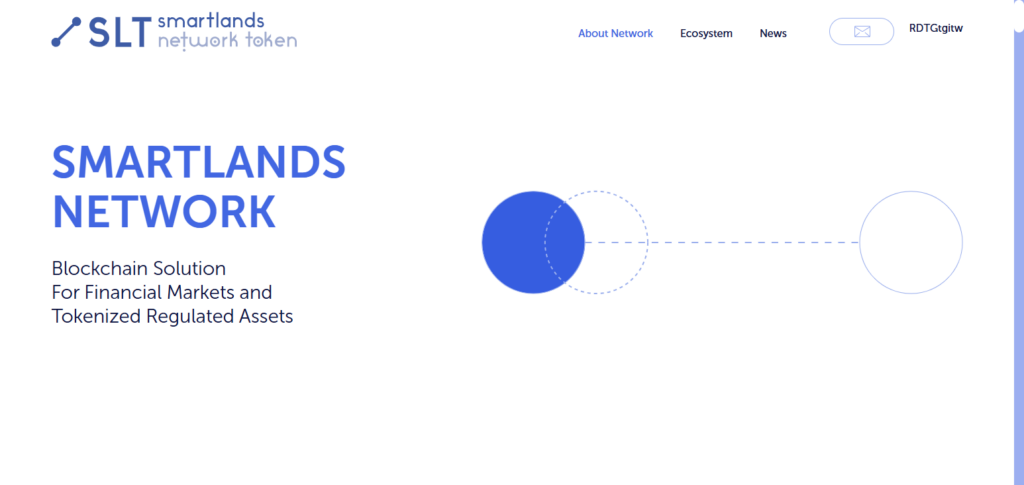
Using the Smartlands platform, investors can now purchase digital tokens that give them the ownership of a portion of the asset. Smartlands employs blockchain for record keeping, and it also offers a more secure transaction method in the form of smart contracts.
The net appreciation of the asset will be distributed proportionately to the token holders, token holders, and smart contracts. Since the company focuses on regulated digital securities, Smartlands is ranked among the Best RWA Protocols for Fractional Commercial Real Estate. Smartlands provides investors the ability to diversify their portfolios with digital securities on a global basis while keeping security and transparency intact.
Smartlands Features, Pros & Co
Features
- Tokenization of real-world assets on blockchain
- Issuance of regulated digital securities
- Automation of income via smart contracts
- Record keeping of ownership in a transparent way
- Access of investors on a global scale
Pros
- The process is done in a transparent and secure way
- The platform targets compliant tokenized securities
- The platform offers fractional ownership
- Time is saved as payouts are done automatically
- Participants from all over the world can join the platform
Cons
- There is low liquidity for secondary market transactions
- Onboarding due to regulations can take a long time
- There are few properties to choose from
- A certain level of crypto knowledge is required
- There are fees to complete transactions
2. Lofty.ai
Lofty.ai focuses on fractional commercial real estate investing, which lets customers buy shares of expensive real estate assets. By utilizing blockchain tokenization, Lofty.ai streamlines the assignment of income and expenses, rental payment distributions, and the management of real estate portfolios and the reporting of investors.

This enables investors to participate in the commercial real estate market without requiring huge investment steps. Additionally, the platform offers liquidity by facilitating the secondary trade of real estate asset tokens.
Lofty.ai, which has won multiple awards as one of the Best RWA Protocols for Fractional Commercial Real Estate, offers a perfect amalgam of accessibility, automation, and clearness to allow investors of any skill level to appreciate the convenience of earning passive income through real estate and appreciate the convenience of earning passive income through real estate by tokenization.
Lofty.ai Features, Pros & Co
Features
- Tokenization of fractional ownership in properties
- The platform automates income from rent
- Support of secondary trading
- Dashboards for investors
- Metrics of performance in properties
Pros
- Investment can be as low as the minimum limit set
- Income can be distributed on a regular basis
- The interface is user friendly
- There are good insights from the data
- The platform has good potential liquidity
Cons
- Properties are primarily from the United States
- The liquidity of each token varies
- A crypto wallet must be used
- The platform charges fees
- Property valuations are sometimes delayed
3. RealT
RealT enables investors to gain fractional ownership of rental properties in the U.S. through blockchain tokenization. Owning a token grants you rights to a proportionate ownership interest in the property, which in turn entitles you to a share of the rental income and a share of the property’s appreciation.
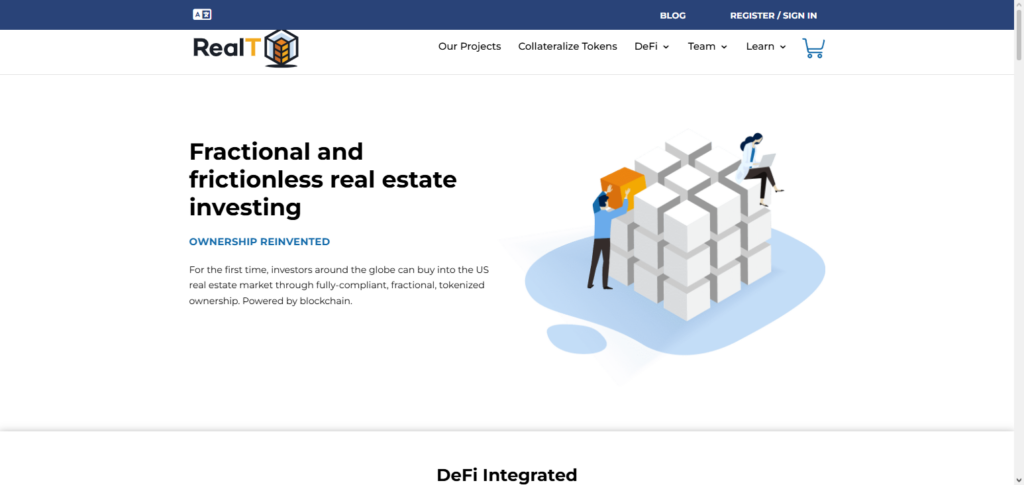
The platform utilizes smart contracts on the Ethereum blockchain to automate rental payments and to comply with the laws governing the property. Investors in the property are able to manage their investment and receive crypto payments, which connects the traditional real estate sector with the new digital financial world.
RealT is included among the Best RWA Protocols for Fractional Commercial Real Estate for enabling international investors to invest in the U.S. property market for low amounts while offering a transparent, liquid, and fully compliant fractional investment system.
RealT Features, Pros & Co
Features
- Real estate in the United States that is tokenized
- Rental payments via smart contract
- Tokens on the Ethereum blockchain
- Data on ownership is live
- Options for reinvestment
Pros
- Rental income is earned in crypto or a fiat currency2. Clear and transparent data views
- Tokens backed by deeds
- Strong compliance
- Management of investors made simple
Cons
- Restricted international assets
- Returns affected by crypto volatility
- It varies how deep the secondary market is
- Access may be delayed due to verification steps
- Some fees may apply
4. DigiShares
DigiShares is an all-in-one platform for digital securities, specializing in the tokenization of real estate. It streamlines the compliant issuance, management, and trading of tokenized commercial real estate. DigiShares’ investors enjoy quick onboarding, automated reporting, dividend distribution, and rich transparency.
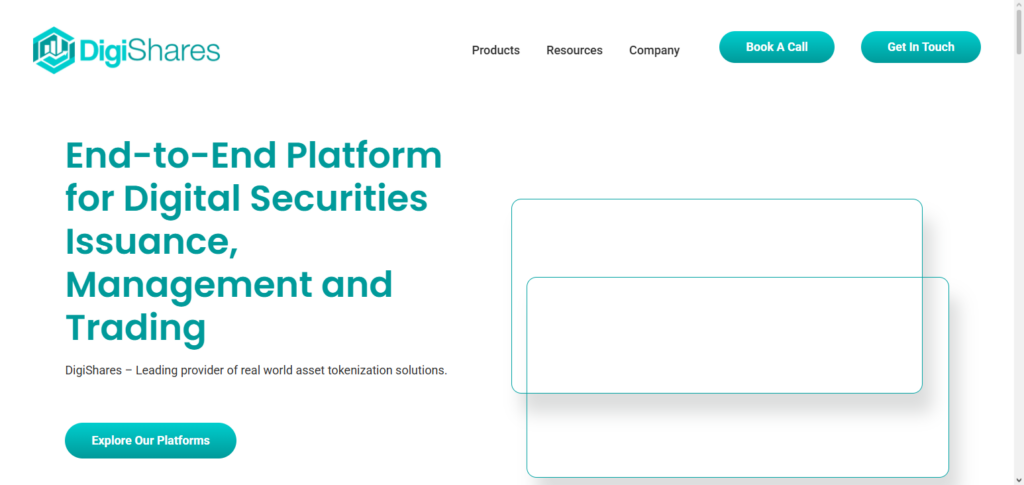
With DigiShares’ fractional ownership feature, investors can unlock premium commercial real estate without the traditional obstacles. The platform also employs blockchain for secure transactions and for keeping an unchangeable record of ownership.
This earned DigiShares a spot as one of the Best RWA Protocols for Fractional Commercial Real Estate. It is also a great choice for developers and funds seeking a tokenization and digital asset management upgrade for real estate investments.
DigiShares Features, Pros & Co
Features
- Complete cycle of digital securities
- Tools for the issuance of tokens
- Built-in KYC/AML compliance
- Integration of custodian & exchanges
- Solutions for white-labeling
Pros
- Great framework of compliance
- Issuance capabilities are flexible
- Platform is enterprise-ready
- Easy integration with partners
- Assorted asset types are supported
Cons
- Not focused on retail
- Complexity in setup for newbies
- Costs of platform are higher
- Liquidity is dependent on partners
- No direct marketplace
5. HoneyBricks
HoneyBricks Investors may purchase fractional shares of commercial real estate properties. They use blockchain technology to automate collection of rental income, distribution to investors, and management of real estate properties.

HoneyBricks investors can participate in institutional-grade assets targeting retail investors with their low minimum investment amount. HoneyBricks is security and compliance-oriented, ensuring tokenized assets are valid and their records are auditable.
HoneyBricks is listed in multiple sources as the “Best RWA Protocols for Fractional Commercial Real Estate.” HoneyBricks is an excellent and solid option for real estate investors due to the combination of micro-investments, liquidity, and passive income.
HoneyBricks Features, Pros & Co
Features
- Investing in fraction of commercial real estate
- Automated system for rental yield
- Entry requirements are low
- Focus on institutional assets
- Portal for investors
Pros
- Investing made easier for retail
- Income rewards are paid out frequently
- Simple and easy to use the platform
- The quality of assets is excellent
- Analysis of performance is simple and transparent
Cons
- Listings of assets globally are limited
- Liquidity is not consistent
- Small profits can be impacted by fees
- The secondary market is not deep
- Reporting for Reg may cause delays in trades
6. Ubitquity
Ubitquity specializes in keeping records for tokenized real estate and real estate management with blockchain technology.
The digitization of title deeds on the platform allows for simplified transfer of real estate and partial ownership, allowing investors to verify documents and ownership of tokenized commercial real estate.
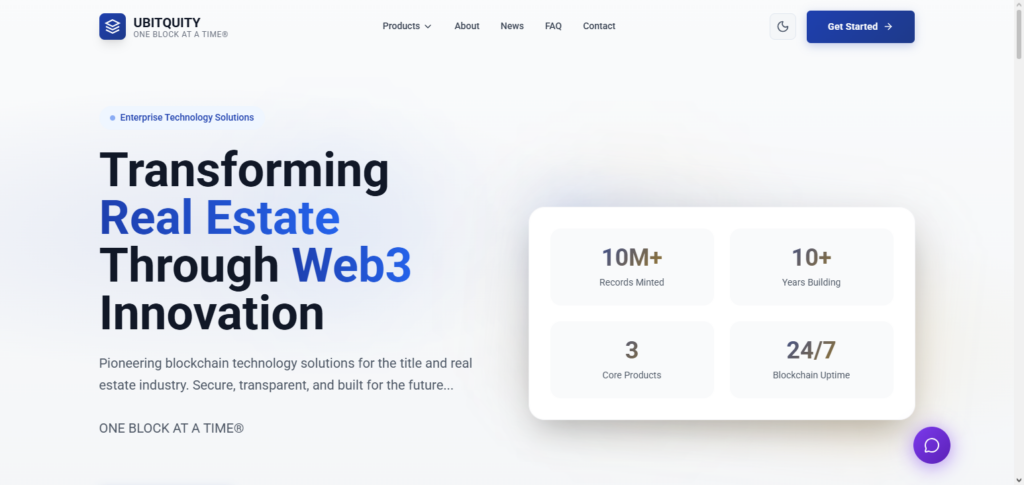
For secondary market trade of tokenized commercial real estate offered by Ubitquity, investors can make investments in other countries and obtain liquidity.
Ubitquity is recognized as the “Best RWA Protocols for Fractional Commercial Real Estate” because of the combination of traditional real estate managing with blockchain technology, to provide transparency, security, and efficiency of fractional real estate assets management.
Ubitquity Features, Pros & Co
Features
- Recordkeeping of properties on the blockchain
- Digitization of titles
- Transparency on ownership history
- Interoperability of the registry
- Support for tokenization
Pros
- Fraud risk reduction
- Secure tracking of titles
- Systems ready for auditing
- Record bridging
- Additional asset class support
Cons
- Non primary focus on investments
- Dependent on partnerships for adoption
- Complexity associated with technology
- Low yield generation
- Limited retail participation
7. Reitium
Reitium offers fractional ownership of income-generating commercial real estate through tokenized REITs (Real Estate Investment Trusts). Token holders earn passive rental income and capital appreciation through diversified real estate portfolios.
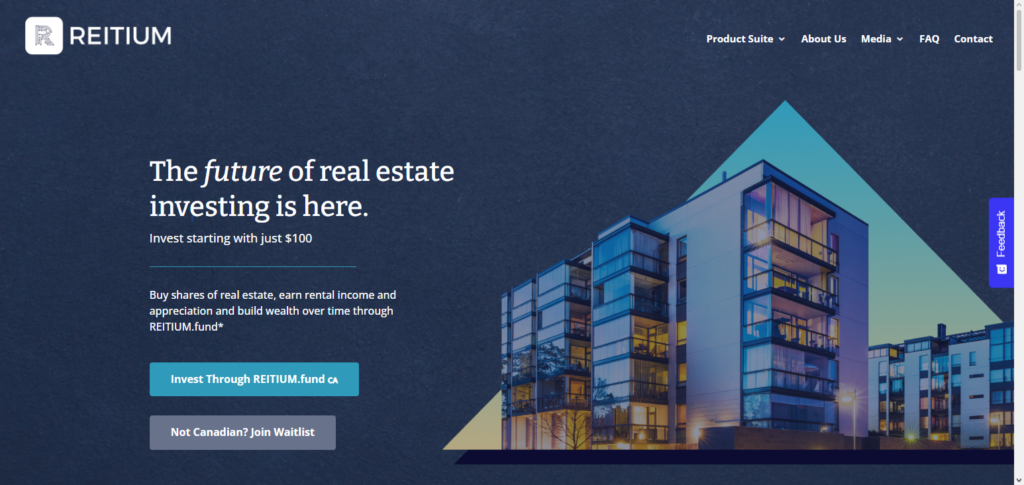
The platform utilizes blockchain for seamless compliance, onboarding of new investors, and dividend distribution. By allowing secondary token trading, Reitium offers smaller investors, liquidity, and access to commercial real estate for the first time.
Reitium is one of the Best RWA Protocols for Fractional Commercial Real Estate because of its high security, transparency, and liquidity, making it ideal for investors wanting to earn stable returns and gain world-wide exposure to tokenized real estate.
Reitium Features, Pros & Co
Features
- Tokenized Real Estate Investment Trust (REIT) offerings
- Automated dividend distribution
- Secondary markets for token trade
- Diversification of property
- Portal for investors
Pros
- Diversification of real estate made easy
- Automated distribution of payments
- Minimal liquidity via trading
- Lower thresholds when compared to traditional REITs
- Transparency in reporting
Cons
- Depth of tokens is variable
- Net yield is affected by fees
- Onboarding for compliance takes time
- New users must go through a learning process
- A crypto wallet is mandatory
8. Blocksquare
Blocksquare tokenizes commercial buildings for fractional ownership, bridging the gap between blockchain technology and real estate. The platform enables investors to exchange property-backed tokens worldwide while guaranteeing compliance, transparency, and safe transactions. Smart contracts reduce human management and increase efficiency by automating dividends and rental income.
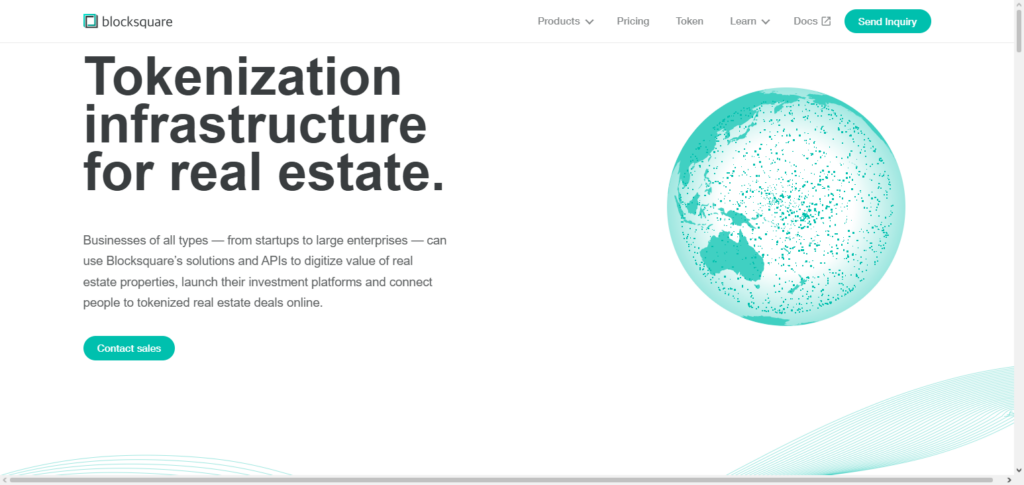
Blocksquare helps funds and real estate developers digitize physical assets, giving investors access to worldwide liquidity. Blocksquare, one of the Best RWA Protocols for Fractional Commercial Real Estate, gives investors access to high-value properties with low entry barriers, portfolio diversification, blockchain-driven security, and automatic yield distribution.
Blocksquare Features, Pros & Co
Features
- Infrastructure for tokenization
- Tools for compliance
- Access to assets globally
- Automated distributions of rental income
- Support for smart contracts
Pros
- A strong emphasis on compliance and legality
- Investment participation globally
- Passive income generation that is automated
- Support for assets that are flexible
- The ability to tokenize a wide range of property types
Cons
- Lack of liquidity in early stages of the ecosystem
- Project to project variation of fees
- User experience can be challenging for newbies
- Required exposure to cryptocurrency
- Varying rates of adoption for lists
9. Tokeny
Commercial real estate is one of the real-world assets for which Tokeny offers complete tokenization solutions. Property-backed digital token issuance, compliance, and secondary trading are all handled by the platform. With automated dividend and rental income distributions via smart contracts, investors get a portion in commercial real estate.
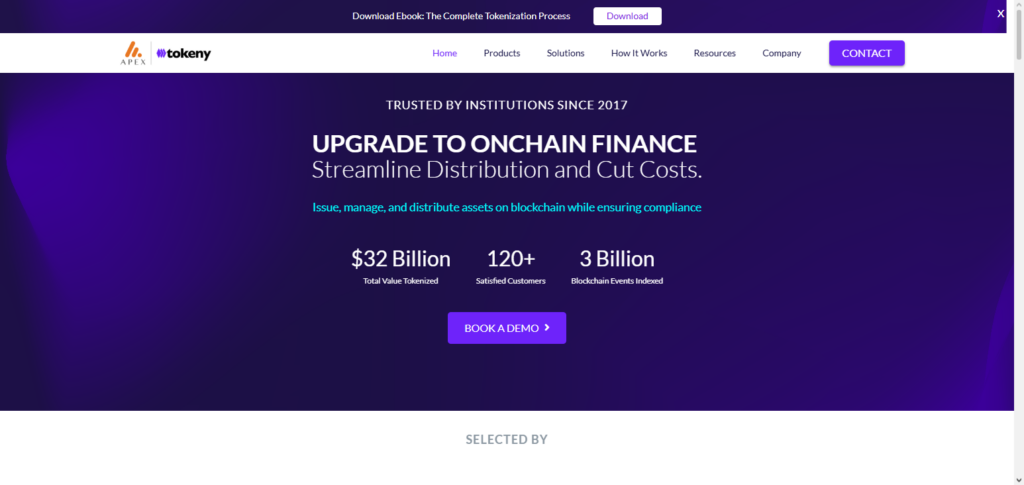
Tokeny places a strong emphasis on worldwide investor access and regulatory compliance, guaranteeing security and openness throughout the investment lifecycle.
Tokeny, which is rated as one of the Best RWA Protocols for Fractional Commercial Real Estate, offers investors a safe, liquid, and legal means to engage in commercial real estate markets while facilitating the efficient tokenization of assets by funds and property owners.
Tokeny Features, Pros & Co
Features
- A complete stack for end to end tokenization
- Integrated KYC/AML
- Connectivity to secondary markets
- Tools for issuers and investors
- Automation of compliance
Pros
- Professional workflow for issuance
- Regulation friendly
- Access to secondary market trading
- Suitable for bigger projects
- Verified authentication
Cons
- Focus on issuers; no retail
- Cost of implementation
- Liquidity is partner dependent
- Complexity of set-up
- Investor onboarding is lengthy
10. Atlant
Tokenized real estate can be traded and owned in fractions thanks to Atlant, a blockchain-based marketplace. It gives investors access to international commercial real estate markets and liquidity by enabling them to purchase and sell property-backed tokens. Atlant uses blockchain technology to keep safe ownership records, automate revenue distribution, and guarantee legal compliance.
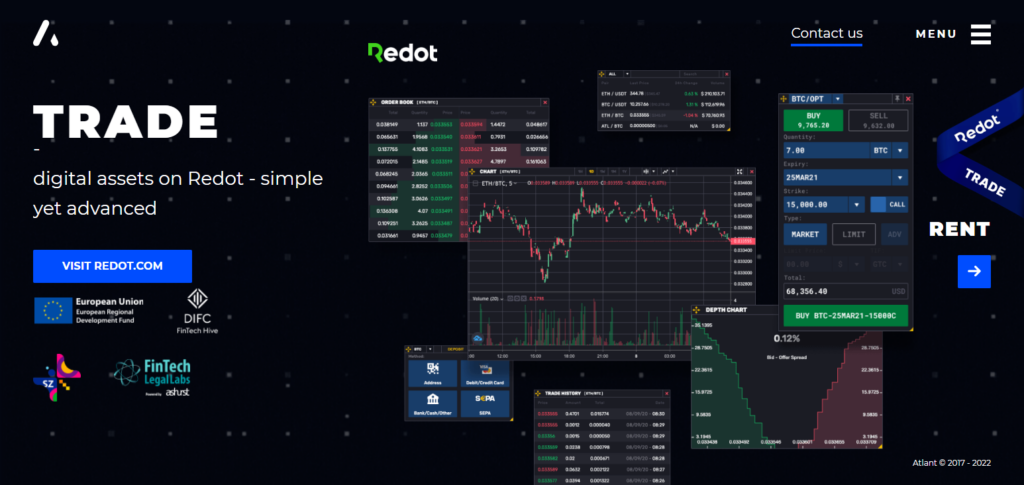
Atlant makes secondary trading more accessible to both small and large investors. Atlant, which is regarded as one of the Best RWA Protocols for Fractional Commercial Real Estate, seamlessly connects traditional real estate investment with contemporary tokenized asset markets by fusing fractional investment, liquidity, and transparency.
Atlant Features, Pros & Cons
Features
- Marketplace for real estate tokens
- Support for fractional ownership
- Smart contract automation for payments
- Tools for legal compliance
- Secondary market for trading
Pros
- Access to clear secondary markets
- Global fractional ownership
- Automation of income distribution
- Integrated compliance
- Expanding asset portfolio
Cons
- Fluctuation of market liquidity
- Fees for platforms and gas
- Need for crypto set up
- Varying asset depth by region
- Newcomers have to learn a lot
Conclusion
A worldwide audience can now invest in commercial real estate thanks to the emergence of blockchain technology and tokenization. The Best RWA Protocols for Fractional Commercial Real Estate are platforms like Smartlands, Lofty.ai, RealT, DigiShares, HoneyBricks, Ubitquity, Reitium, Blocksquare, Tokeny, and Atlant, which provide liquidity, security, and transparency not seen in traditional markets.
These protocols enable investors to participate in high-value real estate with reduced capital requirements, diversify their holdings, and generate passive income. Tokenized real estate is expected to become a popular, effective, and highly liquid asset class globally as usage increases.
FAQ
What are RWA protocols in real estate?
RWA (Real-World Asset) protocols are blockchain-based platforms that tokenize physical assets, like commercial real estate, allowing fractional ownership and seamless digital investment.
How do fractional real estate investments work?
Investors buy digital tokens representing a share of a property. Tokens entitle holders to rental income, dividends, and property appreciation proportionally, without owning the full asset.
Which are the best RWA protocols for fractional commercial real estate?
Top protocols include Smartlands, Lofty.ai, RealT, DigiShares, HoneyBricks, Ubitquity, Reitium, Blocksquare, Tokeny, and Atlant, offering transparency, liquidity, and global investor access.
Are fractional real estate investments safe?
Yes, when using regulated RWA protocols. Blockchain ensures secure transactions, transparent records, and automated compliance, reducing risks associated with traditional property ownership.
Can I trade fractional property tokens?
Many RWA protocols provide secondary markets where tokenized property shares can be bought or sold, offering liquidity not available in traditional real estate investments.