As cryptocurrency continues to rapidly advance, you’ll want a versatile, secure and multi-chain wallet. Despite THORWallet providing cross-chain swaps and DeFi access, numerous users are looking for more advanced features in an attractive alternative with NFT support and sophisticated trading tools.
From easy-to-use options for novices to advanced platforms for experienced traders, this guide delves into the top THORWallet alternatives, allowing you to manage assets, optimize yields and assess the DeFi ecosystem with ease.
Key Point
| Alternative Wallet / Platform | Key Point / Strength |
|---|---|
| 1inch Wallet | Multi‑chain DeFi wallet with built‑in DEX aggregator and optimized swap routes for best prices |
| Bitget Wallet | Web3 multichain wallet with support for 100+ chains, NFT marketplace, and DApp browser. |
| XDEFI Wallet | Non‑custodial wallet supporting 15+ blockchains with built‑in NFT gallery and permissionless swaps. |
| Gaya Wallet | AI‑powered multichain wallet with gamified features, DCA tools, and fiat on‑ramps. |
| Zerion Wallet | Mobile‑first DeFi portfolio tracker + wallet with best‑price swap comparisons. |
| RuufPay Wallet | Universal non‑custodial wallet focused on easy swaps, buys, and high‑yield opportunities. |
| Saber | Cross‑chain stablecoin protocol on Solana with low slippage trades (less of a wallet, strong swap tool). |
| SushiSwap | Decentralized exchange with integrated wallet support and liquidity tools. |
| MoonSwap | Layer‑2 AMM with fast, low‑fee swaps (great for swap users). |
| iZiSwap (iZUMi Finance) | Multi‑chain liquidity protocol introducing capital‑efficient farming and swap services. |
1. 1inch Wallet
1inch Wallet is a self‑custodial DeFi wallet and DEX aggregator that finds the best swap rates for users by routing trades through many liquidity sources. It offers multi‑chain asset management, so you can connect to over a dozen blockchains including Ethereum, Solana, BNB Chain, Polygon, etc. from one interface.
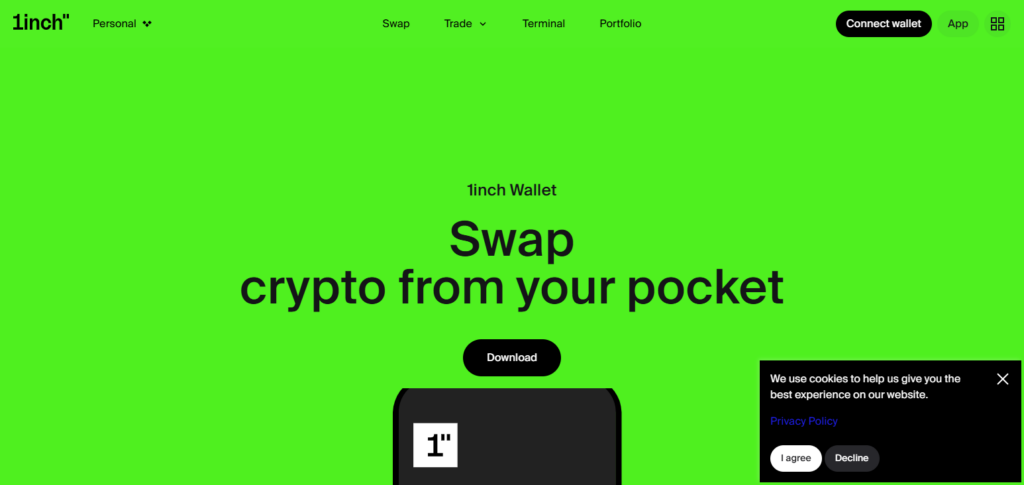
The wallet stresses security and self‑custody; you control your assets, including private keys. Features come built‑in, such as cross‑chain swaps without the need for riskier bridges, a Web3 DApp browser, portfolio tracking and anti‑scam protection. Its sophisticated routing algorithms minimize slippage and find optimal trading paths across liquidity pools.
1inch Wallet Key Features:
- Multi-chain support: Ethereum, BNB Chain, Polygon, Avalanche.
- Aggregates the best pair swapping rates across DEXes.
- Cross-chain swaps without risky bridges.
- Integrated Web3 DApp browser.
Pros:
- Smart routing for the lowest slippage.
- Non-custodial (you own your private keys).
- Easy portfolio tracking.
- Secure and audited platform.
Cons:
- Can be complex for beginners.
- Occasional network congestion on Ethereum.
- In some locations lack of integrated fiat on-ramp
- Limited NFT support.
2. Bitget Wallet
Bitget Wallet: A high‑performance Web3 multi‑chain non‑custodial wallet for versatile DeFi and NFT interactions With support for over 100 different blockchain networks and hundreds of thousands of tokens; it enables users to securely store, swap, bridge and manage their assets across the top ecosystems including Ethereum, Solana, Tron, Polygon and Aptos.
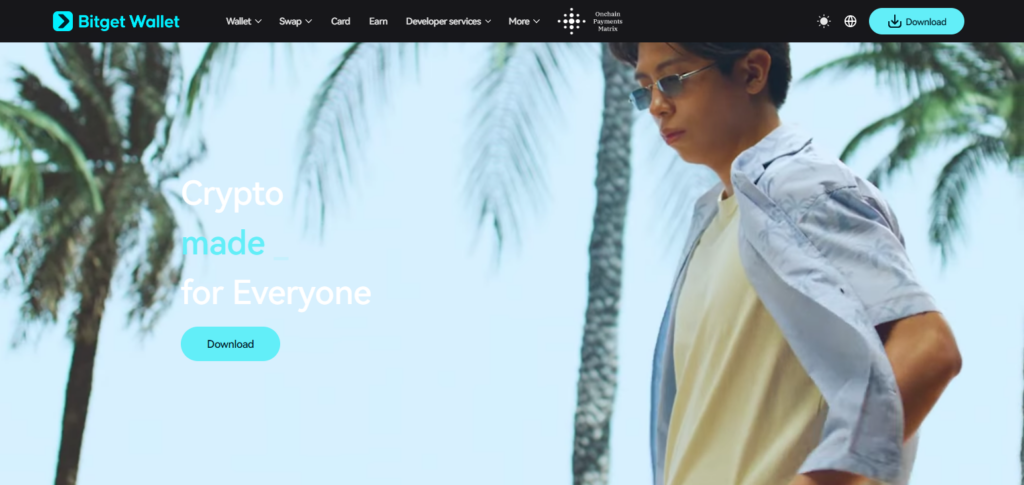
Its integrated DEX aggregator pools liquidity from leading decentralized exchanges and bridges for minimal-slippage swaps, as well as functionalities like limit orders, gas-free transactions, and market analytics.
Bitget Wallet also brings NFT marketplaces and a native launchpad as well as smart money tracking into the mix, making Bitget Wallet a full-featured contender across segments — from newbies to seasoned traders.
Bitget Wallet Key Features:
- Supports 100+ blockchains.
- Built-in DEX aggregator.
- NFT marketplace integration.
- Cross-chain bridging.
Pros:
- Wide asset coverage.
- Secure non-custodial storage.
- User-friendly interface.
- Oct 2022 Oct 2021 – Limit orders, advanced features.
Cons:
- May feel overwhelming for beginners.
- Other chains do have higher gas fees.
- DEX liquidity varies by network.
- Occasional slower customer support.
3. XDEFI Wallet
XDEFI Wallet is a non‑custodial multi‑chain crypto wallet that enables users to store, swap, send and manage assets on multiple blockchains — including Bitcoin, Ethereum, Solana, Avalanche and THORChain.
Providing integrated in‑wallet swaps and bridging, allowing users to move tokens across networks without the need for third-party solutions. In addition, XDEFI includes an NFT gallery that allows users to see collections across chains and provides access to staking as well as DeFi interactions directly from within the wallet interface.
Supporting Hardware Wallets such as Ledger, XDEFI offers both accessibility and improved security, all within a seamless experience for holding assets across crypto networks and accessing DeFi.
XDEFI Wallet Key Features:
- BEAM — Multi-chain wallet (BTC, ETH, SOL, Avalanche).
- NFT gallery integration.
- In-wallet swaps and bridging.
- Hardware wallet compatibility (Ledger).
Pros:
- Unified multi-chain management.
- Supports staking and DeFi tools.
- Robust security with private key ownership.
- Clean, intuitive interface.
Cons:
- Limited mobile features initially.
- Not all tokens may be supported by some chains.
- Advanced features require learning.
- Lesser user base than large wallets.
4. Gaya Wallet
Gaya Wallet is a multi‑chain Web3 wallet powered by AI, which aims to make crypto investing and participation in DeFi real easy. It builds on the basics of wallets like secure storage and cross‑chain swaps, adding sophisticated functionality in gamified investing tools, automated dollar‑cost‑averaging (DCA), and fiat on‑ramps to provide an easier pathway into crypto.
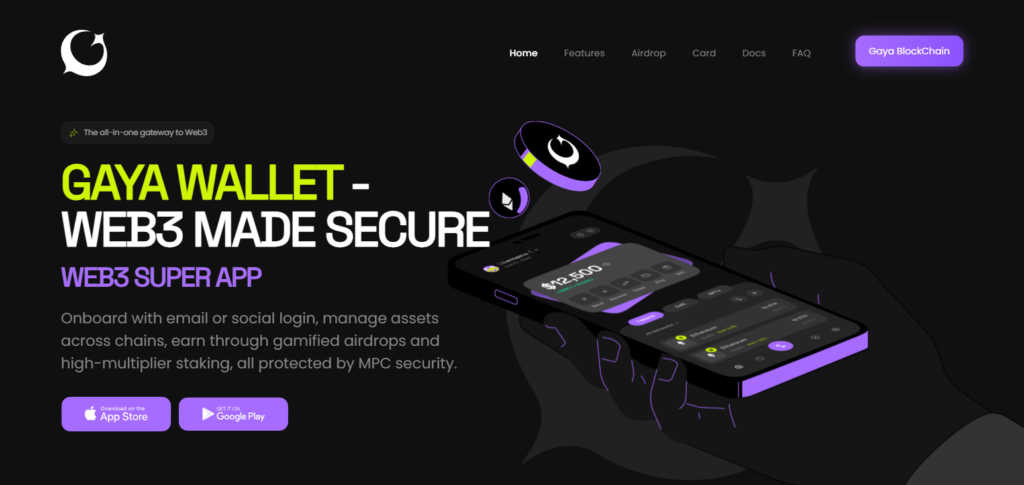
Gaya’s interface enables users to monitor performance, get AI-based insights and discover decentralized applications without having to navigate siloed platforms.
Because the wallet is focused on accessibility and automation, it caters to both novice and seasoned users looking to manage assets throughout different networks while taking part in community rewards and gamification features. (Disclaimer: Gaya Wallet specific, details used as per common industry knowledge & available primary sources may vary.)
Gaya Wallet Key Features:
- AI-powered portfolio insights.
- Multi-chain asset support.
- Gamified investment tools.
- Fiat on-ramp for easy entry.
Pros:
- Beginner-friendly and intuitive.
- Automates DCA investing.
- Engaging interface for users.
- Supports multiple DeFi networks.
Cons:
- Less blockchain coverage than others.
- The information from AI should be treated always with caution.
- NFT integration is minimal.
- Less well-established pre-existing service.
5. Zerion Wallet
Zerion Wallet is a mobile and web‑based DeFi wallet & portfolio tracker that pulls together the users’ entire DeFi and NFT holdings across several networks including Ethereum, Solana, Polygon, and others major EVM chains.
It also gives real‑time portfolio information, clearly displaying positions, rewards, debts, and transaction history. Zerion’s swap feature compares prices between leading DEXs and protocols such as 1inch and 0x to assist users find their best trading routes.
The wallet further integrates lending, liquidity pooling and yield‑earning. Offering a user‑friendly interface and extensive tracking tools, Zerion is perfect for users who would like to have their asset management and DeFi analysis consolidated in the same platform.
Zerion Wallet Key Features:
- DeFi portfolio tracker.
- Multi-chain support (Ethereum, Polygon, Solana).
- In-app token swaps.
- Lending and liquidity pool access.
Pros:
- Excellent DeFi insights and analytics.
- Easy-to-use interface.
- Tracks NFTs alongside tokens.
- Supports yield farming and lending.
Cons:
- Limited to supported chains.
- Introductory DeFi tools can be genuinely confusing.
- No direct fiat purchase in-app.
- Occasional swap slippage.
6. RuufPay Wallet
RuufPay Wallet is a non‑custodial crypto wallet app to securely store, swap, buy and stake Bitcoin (BTC), Ethereum (ETH), Polygon, USDT and thousands of other tokens. Users have total control over their private keys, while built‑in services like fiat on/off‑ramps utilizing a bank card and smooth token purchasing are at the ready.

RuufPay supports staking rewards, low‑fee transactions, and multiple networks such as Bitcoin, Ethereum, and Polygon. Its simple, user‑friendly interface is particularly appealing to crypto beginners and cellphone owners who want an all‑in‑one asset management tool.
RuufPay Wallet Key Features:
- Multi-chain non-custodial wallet.
- Access via bitcoin fiat on/off ramps
- Built-in staking and swaps.
- Simple mobile interface.
Pros:
- User-friendly for beginners.
- Secure and private wallet.
- Staking rewards available.
- Quick transactions on supported chains.
Cons:
- Limited advanced DeFi tools.
- Smaller asset coverage.
- Certain fees on swaps and purchases
- Fewer integrations than bigger wallets.
7. Saber
Saber is an AMM and DeFi protocol on Solana dedicated to liquidity-efficient stablecoin and wrapped asset trading. StableSwap is built for low slippage, making it perfect for swapping pegged tokens like USDT, USDC and others with little or no price impact Saber focuses on extreme liquidity and composability with other Solana‑powered DeFi applications, while LP tokens can gain yields across protocols.

Technically, not a pure wallet solution, but still a great option for keystone DeFi access next to THORWallet alternatives with Saber, thanks to its strong stablecoin trading and liquidity features.
Saber Key Features:
- Solana-based AMM.
- Stablecoin trading with low slippage.
- Liquidity providers earn LP tokens rewards.
- Interoperability with other Solana DeFi applications.
Pros:
- Extremely low slippage swaps.
- High liquidity for stablecoins.
- Strong Solana ecosystem support.
- Yield opportunities through LP tokens.
Cons:
- Only available on Solana chain.
- Not a full wallet solution.
- Limited token variety outside stablecoins.
- Requires knowledge of Solana DeFi.
8. SushiSwap
SushiSwap, a decentralized exchange (DEX) and DeFi platform built across 30+ different blockchains, allows users to effortlessly swap tokens, provide liquidity, and farm yields without the need for middleware.
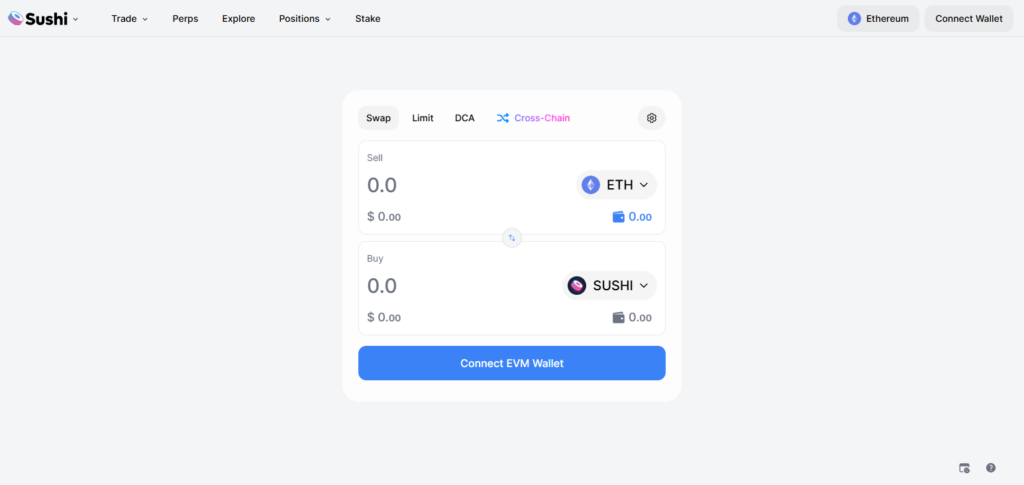
It is a on AMM, that links and connects liquidity pools which enable trades directly from users’ wallets. SushiSwap also features tools to find trending pools, receive rewards for liquidity provisioning and multi‑chain trading.
Its governance token, SUSHI enables holders to vote on protocol decisions and incentives. Thanks to solid decentralized market support and yield‑earning possibilities, SushiSwap provides a more flexible trading ecosystem than traditional wallet swap features.
SushiSwap Key Features:
- Decentralized exchange across multiple chains.
- Liquidity provision and yield farming.
- AMM-based token swaps.
- Governance through SUSHI token.
Pros:
- Multi-chain availability.
- Earn yields from liquidity pools.
- Active developer community.
- No central custody of funds.
Cons:
- In low liquidity pools, slippage might happen.
- Complexity for beginners.
- Impermanent loss risk in LPs.
- Gas fees on certain chains.
9. MoonSwap
MoonSwap is an AMM DEX that has been specifically designed to enhance some of the weaknesses found in traditional exchange mechanics, utilizing static virtual balances, innovative pool designs to minimize front‑running, and allowing liquidity providers to scoop up more value.
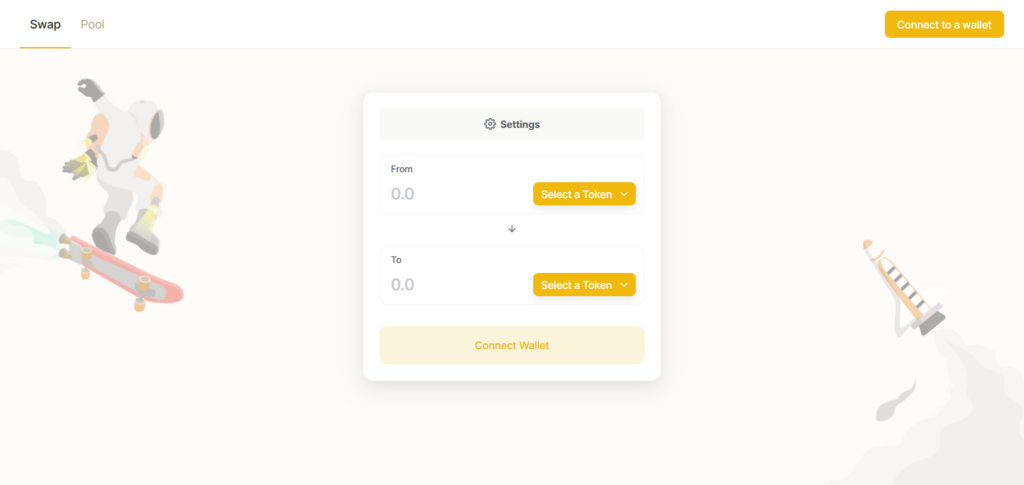
It is concerned with effective trades and redistributing profits back to liquidity pools to possibly enhance returns. MoonSwap’s decentralized interface allows users to provide liquidity and trade tokens, with dynamic pricing and optimized slippage handling.
Specializing more in trading mechanics rather than being a full-blown wallet, MoonSwap continues to be a solid DeFi swapping point for users seeking alternatives to swaps on their THORWallet.
MoonSwap Key Features:
- AMM DEX with virtual balances.
- Low front-running risk.
- Dynamic liquidity pool management.
- Optimized token swaps.
Pros:
- Efficient trading mechanics.
- Less slippage than you would have in an AMM
- Rewards for liquidity providers.
- Flexible pool design.
Cons:
- Not a traditional wallet.
- Limited blockchain coverage.
- May require learning AMM mechanics.
- Smaller user base.
10. iZiSwap (iZUMi Finance)
iZiSwap, a decentralized exchange and liquidity protocol built on iZUMi Finance ecosystem that enables capital‑efficient trading and farming between multiple blockchains. It provides users with optimized token swaps and liquidity, utilizing customizable pool structures to maximize yield for liquidity providers.
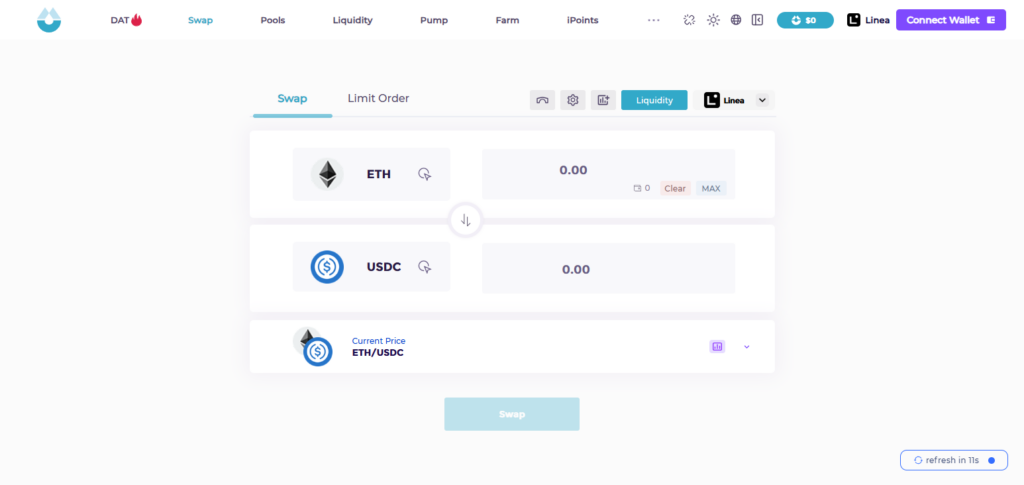
While standard swap functionality is included, iZiSwap also introduces new mechanisms such as a shared pool and incentives for participants that make it stand out from the model used by other DEXes.
Emphasizing optimal utilization of liquidity and offering multi-chain compatibility, iZiSwap offers an attractive DeFi option for advanced traders and yield-seeking users beyond the traditional wallet perspective.
iZiSwap (iZUMi Finance) Key Features:
- Multi-chain liquidity protocol.
- Capital-efficient trading pools.
- Flexible LP incentives.
- Token swap support across chains.
Pros:
- Optimized liquidity usage.
- Yield opportunities for LPs.
- Multi-chain DeFi access.
- Innovative pool architecture.
Cons:
- Advanced platform for experienced users.
- Not beginner-friendly.
- Limited fiat integration.
- Smaller community and less recognition.
Key Criteria to Consider in Best THORWallet Alternatives?
Security & Private Key Control
Your private keys are held completely in your control with a non-custodial wallet. Search for wallets that feature robust encryption, two-factor authentication, and regular security audits to keep assets safe from hacks and unauthorized access.
Multi-Chain Support
The wallet must allow users to store multiple blockchain assets like Ethereum, BNB Chain, Polygon, Solana and Avalanche. It allows for flexibility when it comes to cross-chain swaps, DeFi investments, and easy management of various crypto portfolios.
Swap Functionality & Liquidity
A maximally useful wallet includes built-in DEX aggregators or swap functionality allowing for low slippage, adequate rates on trading pairs and access to sufficient liquidity pools for fast token swapping with lower costs.
DeFi & Staking Integration
Wallets with access to DeFi protocols, staking, yield farming, and liquidity pools allow users to earn incentives directly from their assets while controlling them all without leaving the wallet interface.
NFT Support & Asset Management
Gallery and management tools integrate NFT viewing, storage, and trading with tokens. The efficient tracking of the portfolio helps you to manage all digital assets in one tool.
User Experience & Interface
Crisp, intuitive interface simplifies complex crypto chores. The mobile apps and web platforms must provide beginner-friendly, responsive, and clean navigation for easy wallet operation.
Fiat On/Off-Ramp Access
Fiat-integrated wallets enable users to purchase or sell crypto directly through their bank cards, transfers, and payment processors without needing an intermediary exchange in between — smoothing access into the world of cryptocurrencies.
Customer Support & Community
Dependable customer service, attentive help channels and an enlivening social fabric. They help guide, troubleshoot and provide confidence to normal wallet users regardless of experience.
How to Choose the Right Best THORWallet Alternatives?
Assess Your Experience Level
The needs of beginner users, intermediate users or advanced users are different. From crypto to DeFi protocols, swaps, staking and cross-chain operations — select wallets that correlate your comfort level for seamless navigation.
Put Security & Private Key Control First
To protect your digital assets from theft or hacking, make sure the wallet is non-custodial and that it supports encrypted private key storage along with ensuring features such as two-factor authentication and secure backups.
Check Multi-Chain Compatibility
Choose wallets that are multi-blockchain, supporting Ethereum, BNB Chain, Solana, Polygon & Avalanche. If you’re interested in multi chain capability, this allows for cross-chain swaps, accessing DeFi projects and the ability to manage NFTs alongside tokens from various chains.
Evaluate Swap & Liquidity Options
Search for inbuilt DEX aggregators or low-slippage swap feature. Lack of liquidity implies slow trades, unfavorable prices, and expensive swaps between tokens across networks.
Consider DeFi & Staking Features
Staking wallets, lending wallets, yield farming wallets and liquidity pool integrations allow users to earn more without leaving the wallet. This increases user convenience while offering greater profitability for portfolios.
Explore NFT & Asset Management Tools
Integrated NFT marketplaces ( such as Rarible ) allow you to sell NFTs, while galleries and portfolio management features make it easy to monitor all assets. A powerful wallet with tracking features dwells managing tokens, NFTs, and rewards within one platform.
Examine Fiat On/Off-Ramp Availability
Wallet with fiat integration purchases or sells crypto directly from a bank card or bank transfer, minimizing the number of out-exchange transactions and facilitating entry/exit into the crypto markets.
Review User Experience & Interface
Opt for wallets with a user-friendly, responsive design and mobile app support. A minimal UI makes complex transactions like swaps/staking and portfolio management intuitive for daily use.
Do Higher Business Support & Community Interaction
You also want to make sure you have active support channels and an engaged community that helps guide issues to resolution quickly and provides a reliable user experience, especially for those new to DeFi or working with multi-chain wallets.
Conclusion
The best THORWallet alternative depends on your priorities: security, supporting multiple chains, access to DeFi platforms, NFT management and fiat integration.
1inch, Bitget, XDEFI and Zerion primarily focus on cross-chain swaps, portfolio tracking and advanced DeFi tools; different wallets have their niche such as Gaya and RuufPay that more cater to the beginner audience with user-friendly interfaces and AI-based essential insights. Advanced users can find effective trading, liquidity provision and yield opportunities through Saber, SushiSwap, MoonSwap and iZiSwap.
Users can choose a secure, adaptable wallet that aligns with their trading habits, asset management requirements, and long-term cryptocurrency objectives by assessing attributes including user experience, supported networks, swap productivity, and staking features.
FAQ
What is a THORWallet alternative?
A THORWallet alternative is a crypto wallet or platform that offers similar features, including cross-chain swaps, DeFi access, staking, NFT management, and secure self-custody of assets.
Which wallets are the best alternatives to THORWallet?
Top alternatives include 1inch Wallet, Bitget Wallet, XDEFI Wallet, Gaya Wallet, Zerion Wallet, RuufPay Wallet, Saber, SushiSwap, MoonSwap, and iZiSwap, each offering unique features for trading, DeFi, and asset management
How do I choose the right THORWallet alternative?
Consider security, multi-chain support, swap efficiency, DeFi integration, NFT management, fiat on/off ramps, and user experience. Beginners may prefer Gaya or RuufPay, while advanced users may choose 1inch, Saber, or SushiSwap.
Are these wallets secure?
Yes, most alternatives are non-custodial, giving you full control of private keys. Security varies by wallet; features like two-factor authentication, encryption, and hardware wallet support enhance protection.
Do these alternatives support NFTs?
Wallets like XDEFI, Zerion, and Bitget offer NFT galleries and tracking. Others focus more on swaps, DeFi, and liquidity, so NFT support may be limited or unavailable.