
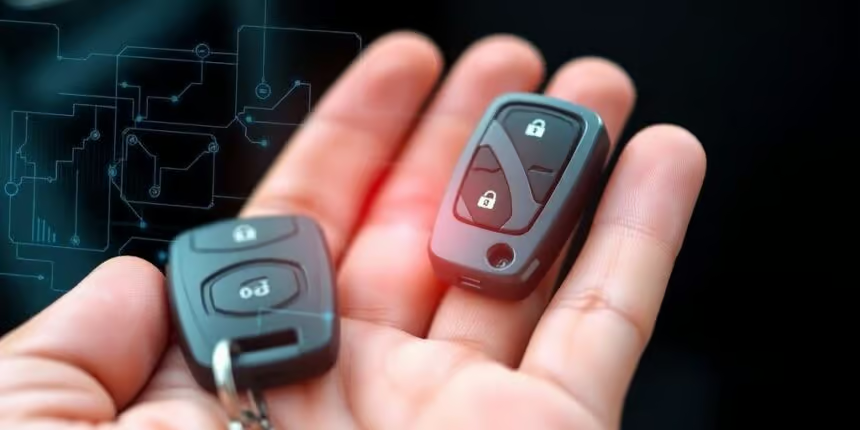
This article explores how some automotive brands are tokenizing vehicle ownership and payments. More specifically, I am examining how leading car manufacturers are utilizing blockchain technology, digital ownership models, and token-based payment systems.
I will analyze how companies like Tesla, BMW, and Mercedes are employing tokenization to facilitate vehicle ownership, payment flexibility, and transparency, while embedding new use cases in the automotive industry.
Why Choose Automotive Brands Tokenizing Vehicle Ownership & Payments
Digital Vehicle Ownership: Secure digital records of vehicle ownership promise to simplify the verification and transfer of ownership.
Payment Flexibility: Improved purchasing and financing options for vehicles are a result of the efficiency and transparency of new payment systems.

Ownership Transparency: Tokenized ownership provides a record free of alteration, providing assurance to customers, manufacturers, and financial partners.
Reduced Cost & Accessibility: The cost of vehicle ownership can be shared among multiple owners as digital tokens can facilitate shared ownership of vehicles.
Simplified Ownership Transfers: The transfer of ownership for vehicles can be streamlined when the verification of ownership can be automated and paperwork is reduced.
Payment Security: Blockchain provides a secure method of token-based payment of ownership and the record of transactions.
Innovative Services: The use of digital assets and tokens in membership and customer-based programs can provide new services to automotive brands.
Connected Ownership Experience: Tokenization can facilitate the use of digital wallets and other automated services to enhance the customer experience.
Digital Payment Systems: Vehicle ownership can be facilitated across borders with tokenized payment systems.
Next Generation Mobility Solutions: Tokenized vehicles can support the new concepts in mobility, including Web3 and connected vehicles.
Key Features Of Automotive Brands Tokenizing Vehicle Ownership & Payments
| Key Feature | Explanation |
|---|---|
| Digital Vehicle Ownership Records | Uses blockchain-based tokens to create secure, transparent, and verifiable ownership records for vehicles. |
| Blockchain-Based Payments | Enables faster and more secure vehicle payments using digital assets and decentralized payment systems. |
| Smart Contract Automation | Automates ownership transfers, payments, leasing agreements, and financing processes without manual intervention. |
| Fractional Vehicle Ownership | Allows multiple users to own portions of vehicles through tokenized ownership models. |
| Secure Ownership Transfers | Simplifies vehicle buying and selling by providing tamper-proof blockchain ownership verification. |
| Transparent Transaction History | Maintains immutable records of vehicle ownership, payments, and service history. |
| Digital Vehicle Identity | Creates unique digital identities for vehicles to track ownership, maintenance, and lifecycle data. |
| Token-Based Financing Models | Supports innovative financing options through digital tokens and blockchain-enabled lending solutions. |
| Connected Vehicle Integration | Combines tokenization with IoT technology for smarter vehicle management and user experiences. |
| Global Payment Accessibility | Enables international transactions with faster settlements and reduced payment barriers. |
| Customer Rewards & Loyalty Tokens | Allows brands to create digital rewards, memberships, and customer engagement programs. |
| Improved Data Security | Protects vehicle ownership and payment information using decentralized blockchain security systems. |
Key Point & Automotive Brands Tokenizing Vehicle Ownership & Payments
- Tesla – Exploring blockchain-based vehicle ownership, digital identity, smart contracts, and crypto-enabled in-car payment possibilities through connected EV ecosystems.
- BMW – Developing blockchain solutions for vehicle data security, digital ownership records, and transparent mobility services.
- Mercedes-Benz – Using blockchain technology for secure vehicle data management, digital collectibles, and future Web3 mobility experiences.
- Audi – Integrating blockchain concepts into digital vehicle ecosystems, ownership verification, and connected car services.
- Porsche – Exploring NFTs, Web3 communities, and tokenized digital experiences linked with vehicle ownership and brand engagement.
- Toyota – Researching blockchain for connected vehicles, smart mobility platforms, and secure vehicle identity management.
- Ford – Investigating blockchain applications for automotive supply chains, digital assets, and future vehicle payment solutions.
- General Motors – Exploring blockchain-based mobility services, connected vehicle technologies, and secure digital transactions.
- Volkswagen – Applying blockchain research for vehicle data protection, supply chain transparency, and digital mobility solutions.
- Hyundai – Developing Web3 initiatives, blockchain-powered mobility platforms, and digital ownership experiences for future vehicles.
10 Automotive Brands Tokenizing Vehicle Ownership & Payments
1. Tesla
Tesla is at the forefront of the industry, working on digital transformation with connected cars and some other innovative technologies.
As part of tokenizing vehicle ownership and payments, Tesla is going to be able to integrate some advanced solutions and will most likely offer the capability of storing ownership records, digital identities, and payment systems on a secure blockchain.
Tesla already provides advanced software that makes a car digital, tamper-proof, and offers a subscription-based service.
This provides the opportunity to seek ownership through tokens. When/if they implement blockchain technology, users will have the capability to trade a vehicle-related digital asset, trade and control their ownership history of the asset, and pay for something from inside the car using digital currency and/or smart contracts.
Tesla Features, Pros & Cons
Features
- Exceptional long-range systems and battery technology.
- AI-assisted Autopilot and driver aid technology.
- Over-the-air updates.
- Charging offered by a Supercharger network.
- Smart applications technology through a connected vehicle ecosystem.
Pros
- Exceptional innovation is exhibited.
- Exceptional battery technology and range.
- Vehicle improvements via software updates.
- Maintenance is less intensive.
- Excellent global recognition for EVs.
Cons
- Costs are greater than the competition.
- Limited service locations.
- Inconsistency in builds from model to model.
- Inconvenient charging in some locations.
- Expensive to repair after crash.
2. BMW
BMW is looking into blockchain for vehicle transparency, digital identity, and connected mobility services. Utilizing Automotive Brands Tokenizing Vehicle Ownership & Payments, BMW could digitally secure certificates on their vehicles, thus shortening and securing the transfer process for vehicle ownership.
Blockchain systems can help trace a vehicle’s history, maintenance logs, and authenticity, all while enforcing security against fraud. BMW’s premium digital, connected car, mobility platform focus can build a framework for payment systems security. This can allow customers safe digital transactions directly to/from the vehicles and the services and charging networks and vehicle capabilities.
BMW Features, Pros & Cons
Features
- Electric and hybrid luxury vehicles.
- Advanced driver aid technology and safety systems.
- Performance engineering and luxury interiors.
- ConnectedDrive services.
Pros
- Exceptional performance and driving experience.
- Global brand recognition for luxury.
- High-quality design and tech for the interior.
- Broad lineup of vehicles.
- Strong resale for popular models.
Cons
- High costs for maintenance and repair.
- Vehicle costs increase with features.
- Technology is complex and requires specialty repairs.
- Decreased reliability when compared with the competition.
- Pricey components for replacement.
3. Mercedes‑Benz
Mercedes-Benz is innovating ways to transform customer experience and build on their investments in digital mobility solutions, blockchain technology, and connected vehicles. Automotive Brands Tokenizing Vehicle Ownership & Payments suggest that Mercedes-Benz may use blockchain to digitally record vehicle ownership.
This would allow ownership transfers to occur with verified records of ownership. There may also be smart contracts that offer financing, insurance, and maintenance services. Additionally, the company’s ecosystem of high-end vehicles may offer drivers a means to pay for other services (blocked by Heiden’s system) with advanced payment options and other automotive services.
Mercedes Features, Pros & Cons
Features
- High-End Electric Vehicles
- Luxury Vehicle Interiors
- Superior Infotainment
Pros
- Extremely Comfortable
- Highly Rated Safety Tech
- Innovative Engineering
- Superior Materials
- Global Reach
Cons
- Costly Ownership/Maintenance
- Pricey Options
- Repair Complexity
- High Depreciation
- Not Designed with Value in Mind
4. Audi
Audi is adopting new technologies with an emphasis on connected vehicles, intelligent mobility, and blockchain research. Through Automotive Brands Tokenizing Vehicle Ownership & Payments, Audi is able to bring tokenized ownership to create secure digital vehicles.
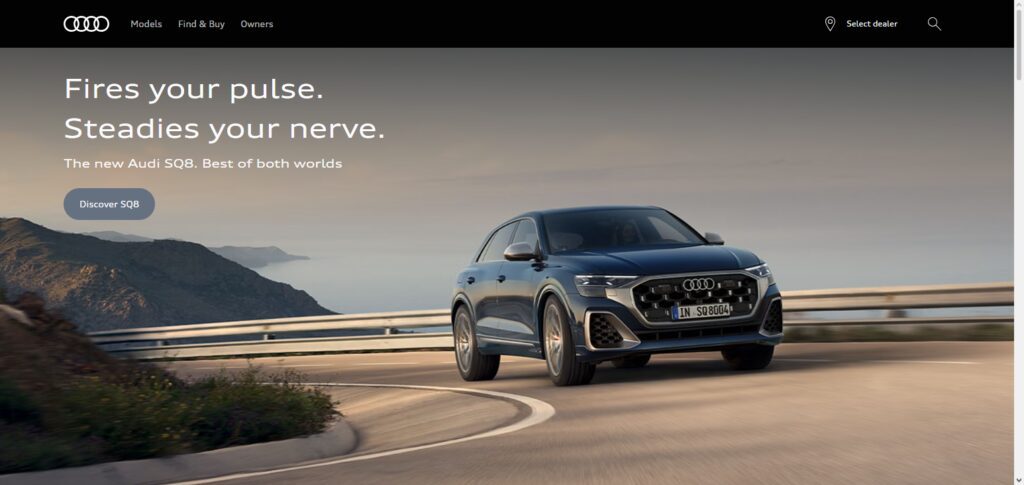
Blockchain helps Audi secure vehicle data, validate transaction histories, and build confidence for consumers. With Audi’s commitment to Electric Vehicles, they consolidate their current focus on designing Digital Cockpit Vehicles, while simultaneously developing the recently mentioned Decentralized Payment/Crypto technology in their vehicles. With the creation of an in-built payment ecosystem, payment for charging services, entertainment services, and self-driving services is done securely.
Audi Features, Pros & Cons
Features
- Quattro AWD
- Luxury e-Tron Vehicles
- Virtual Cockpit
- Driver Aids
- Luxury Designs
Pros
- Great Tech/Interior
- Strong, AWD, Performance
- Good Styling
- Comfortable
- Good Luxury Options
Cons
- High Costs for Maintenance
- High Cost of Tech Repairs
- Questions of Reliability
- Limited Charging Network
- Costly Options
5. Porsche
Porsche is considering Web3 and digital collectibles and is trying to blockchain customer engagement solutions. Porsche can leverage tokenization to link real-world vehicles and digital ownership, among Automotive Brands Tokenizing Vehicle Ownership & Payments. Blockchain can support customers with secure certificates of authenticity, digital vehicle histories, and exclusive ownership benefits.

Porsche’s premium brand positioning and tokenized assets attract collectors and automotive enthusiasts. Porsche owners may pay using their cars in the future to transact on the blockchain to access customized services, digital upgrades, and mobility solutions. This would help Porsche build a more connected and interactive luxury automotive ecosystem.
Porsche Features, Pros & Cons
Features
- Sports Car Engineering
- Taycan Tech
- Driving Dynamics
- Luxury Customizations
- Motorsports Tech
Pros
- Excellent Sports Car Tech
- Strong Luxury Reputation
- High Resale
- Great Driving
Cons
- Very High Cost
- High Maintenance Costs
- Low Family Practicality
- Highly Customization Costs
- Performance models use more fuel.
6. Toyota
Toyota expects blockchain technology to enhance connected mobility and manage vehicle information. It will also assist with smart transport. Automotive Brands Tokenizing Vehicle Ownership & Payments announces that surging vehicle sales will achieve automated ownership. Administrative simplifications may be expected. Tokenization will facilitate the transfer of an ownership stake and a vehicle in the marketplace.
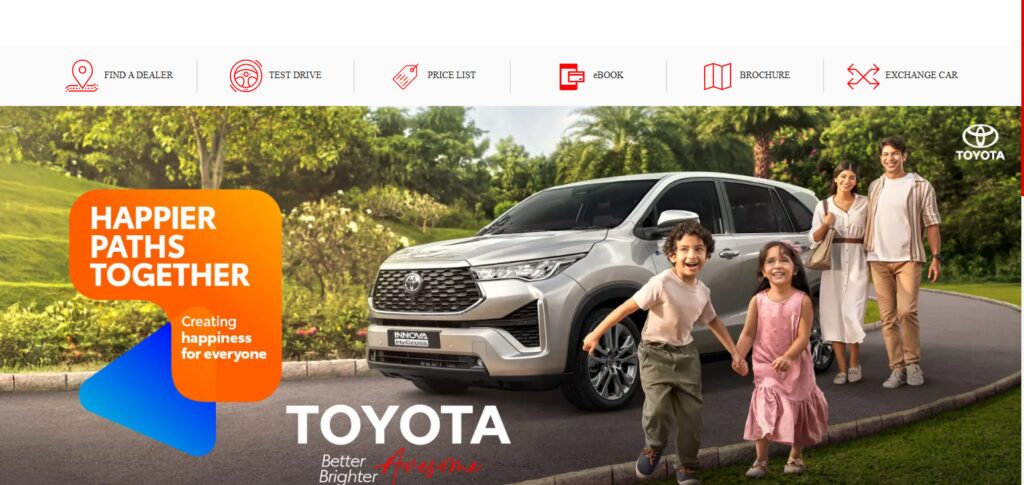
The focus on hybrid, electric, and autonomous mobility creates the perfect environment for the development of payment systems. Users will be able to pay for charging, transport services, and functionality through a digital wallet with blockchain technology integrated.
Toyota Features, Pros & Cons
Features
- Improving hybrid vehicles.
- Strong fuel-efficient line.
- Advanced Safety Sense.
- Solid engineering.
- Increasing electric vehicles.
Pros
- Reliable and Durable vehicles.
- Lower maintenance costs.
- Good resale prices.
- Affordable to own.
- Good service availability.
Cons
- Conservative styling.
- Advanced EV Lag.
- Lower grade Interiors.
- Limited Performance.
- Lagging Infotainment.
7. Ford
Ford is considering new technologies to enhance mobility, visibility in the supply chain, and the connected vehicle experience. Leveraging Automotive Brands Tokenizing Vehicle Ownership & Payments, Ford can develop blockchain-based digital certificates of vehicles, ownership, and automotive transactions.
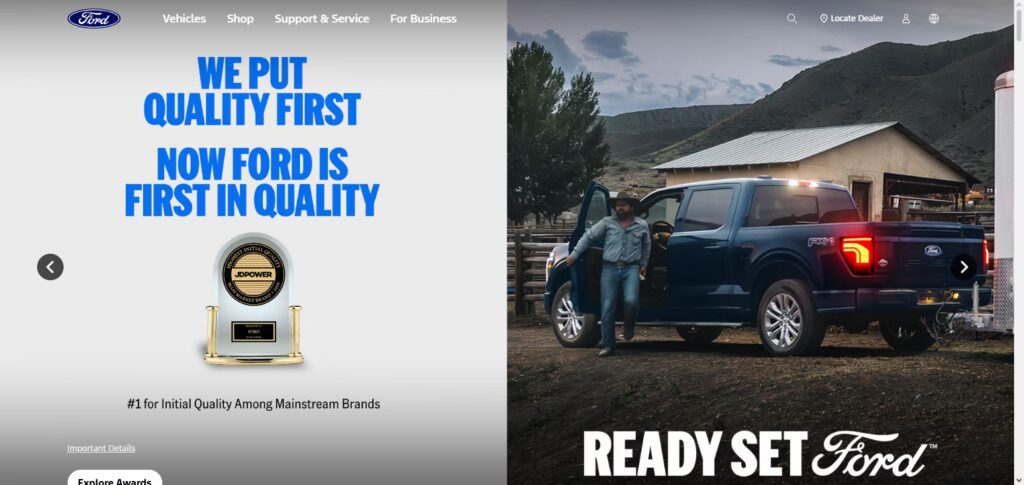
From a customer standpoint, tokenization means customers can keep trusted vehicle records and ownership transfers can happen in digital marketplaces. For Ford’s connected vehicle ecosystem, this may also mean the possibility of future in-car payment systems that let drivers pay for charging, navigation upgrades, parking, and even vehicle subscriptions through secure and convenient blockchain systems.
Ford Features, Pros & Cons
Features
- EVs Including Mustang, Mach E.
- Advanced Commercial and Vehicle Technology.
- Co-Pilot 360 Systems.
- Connected Vehicles.
- Strong Performance Heritage.
Pros
- Good Variety of Models.
- Strong Truck and SUV Line.
- Good Value.
- Good Commercial Offerings.
- Improving EVs.
Cons
- Reliability Concerns.
- Lagging EVs.
- Interior Quality Concerns.
- Increased Maintenance.
- Software Issues.
8. General Motors
General Motors drives connected car technology, electric mobility, and digital automotive services. For Automotive Brands Tokenizing Vehicle Ownership & Payments, GM can invest in blockchain systems for customer ownership to facilitate secure digital transactions.

Tokenized ownership records can provide full disclosure of a vehicle’s history and maintenance authenticity.
Additionally, GM’s new electric vehicle ecosystem can provide drivers with more options utilizing blockchain technology for payment solutions including secure and digital smart contract systems that allow for autonomous and automated transactions for charging, as well as services and vehicle features.
General Motors (GM) Features, Pros & Cons
Features
- Ultium Platform.
- Chevrolet, Cadillac and GMC.
- Advanced Driver Assistance.
- Connected Vehicles.
- Electric Trucks and SUVs.
Pros
- Good Manufacturing.
- Strong Line.
- Improving EVs.
- Strong Trucks.
- Good Dealerships.
Cons
- Transitioning to EVs is difficult.
- Problems with software development in certain models.
- Quality is uneven among products.
- Average resale values in select models.
- Complicated brand structure.
9. Volkswagen
Volkswagen is emphasizing digital transformation and electric mobility and focused on connected transportation solutions. Via Automotive Brands Tokenizing Vehicle Ownership & Payments, Volkswagen can research blockchain technologies regarding safe storage of vehicle ownership records, secured digital identities, and automotive transactions.
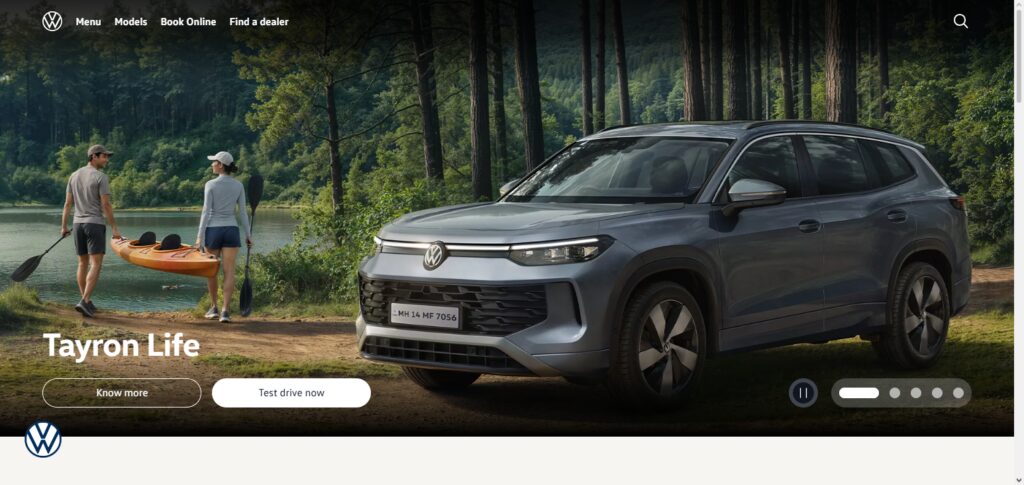
Additionally, Volkswagen can instill trust in the used vehicle market by providing clear ownership and service records. Moreover, Volkswagen’s electric vehicle platforms may also benefit from integrated mobility blockchain solutions which allow users to manage subscriptions and services directly from a vehicle. This provides customers with a more integrated ownership experience.
Volkswagen Features, Pros & Cons
Features
- Global electric ID vehicle platform.
- Engineering quality.
- Digital Cockpit.
- Engine Technologies.
- Safety Systems.
Pros
- Well designed EVs.
- Sophisticated driving.
- Practical Vehicles.
- EVs being released.
Cons
- Models can be affected by Software issues.
- Cost of Maintenance is High.
- Limited Charging Stations.
- Varies by Model.
- Expensive Higher Trim.
10. Hyundai
Hyundai is allocating funds to various technologies including blockchain, connected cars, and Web3 for customer experience. Hyundai is one of the car manufacturers tokenizing vehicle ownership and payments.
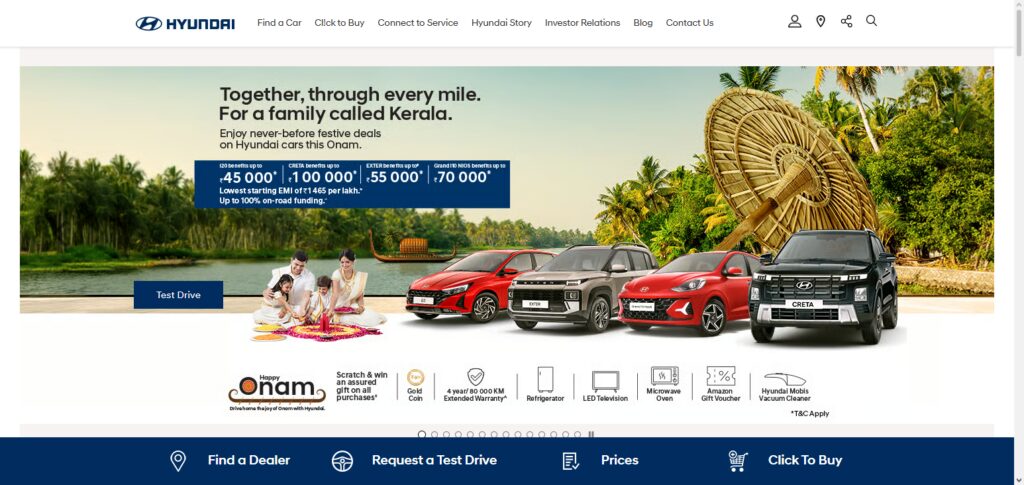
Tokenization allows Hyundai to provide Digital Ownership solutions that increase security and transparency. Implementing blockchain systems may secure maintained vehicle records, link digital assets to cars, and ease the transfer of ownership.
Smart mobility by Hyundai refers to the drive toward connected ecosystems through which drivers will access services via digital systems. In the future, drivers may be able to use a vehicle payment systems to pay for the charging and subscription/maintenance/mobility services directly.
Hyundai Features, Pros & Cons
Features
- EVs with sleek design.
- Innovative Hybrid Vehicles.
- Long Warranty.
- Smart Technology.
- Efficient Fuel.
Pros
- Great Value.
- Strong Efficiency.
- Good Warranty.
- Great Technologies.
- Low Maintenance.
Cons
- Less luxurious.
- Some models have poor resale.
- Service can be hard to find in some locations.
- Prestige is growing.
- Limited options in high performance.
Conclusion
Automotive Brands Tokenizing Vehicle Ownership & Payments embrace new digital approaches in the automotive industry with transparency and communication. Automakers such as Tesla, BMW, Mercedes, Audi, Porsche, Toyota, Ford, General Motors, Volkswagen, and Hyundai are investigating blockchain, digital identity, and Web3 to improve the vehicle ownership experience.
Vehicles with tokenized ownership can transmit secure digital records and enable ownership transfers and vehicle payment histories. Electric and connected vehicles will continue to expand. Blockchain offers customers new ways to buy, own and interact with vehicles in a more thoughtful and decentralized mobility system.
FAQ
Are automotive NFTs related to vehicle tokenization?
Yes, automotive NFTs are a form of digital asset technology that can connect vehicles with unique digital ownership experiences. Brands can use NFTs for vehicle certificates, exclusive memberships, digital collectibles, special features, and customer engagement programs.
Will cryptocurrency be used for automotive payments?
Cryptocurrency and blockchain-based payments may become part of future automotive ecosystems, but adoption depends on regulations, security standards, and customer demand. Automakers may also use digital wallets, stablecoins, or traditional payment systems integrated with blockchain technology.
What is the future of tokenized vehicle ownership?
The future of tokenized vehicle ownership is expected to include smarter vehicle marketplaces, blockchain-based identity systems, automated transactions, and connected mobility services. As electric and autonomous vehicles expand, tokenization could help create a more secure, efficient, and digital automotive ecosystem.
How do tokenized vehicles support in-car payments?
Tokenized vehicle systems can enable secure digital payment solutions inside connected cars. Drivers may use blockchain-based wallets or smart contracts to pay for charging stations, parking, tolls, subscriptions, vehicle upgrades, and other mobility services directly from their vehicles.