A good secured credit card can be a key first step in building a better credit profile and eventually qualifying for an unsecured card. But not all secured cards come with the same upgrade opportunities, fees or rewards.
In this guide, I’ll go over the Best Secured Credit Cards With a Path to an Unsecured Card, comparing their key features, deposit requirements and graduation policies. I will also talk about things to think about before you apply and how responsible credit habits can help your chances of moving toward unsecured credit.
How to Choose the Best Secured Credit Card for an Unsecured Upgrade?
Compare Upgrading Policies Find a secured credit card provider that clearly outlines the requirements for graduation, account reviews, and the opportunity to upgrade to an unsecured card without having to put down any more collateral.
Check Security Deposit Requirements: Compare minimum deposits and credit limits before applying. Choose a card with a low deposit that corresponds to your credit-building goals without stretching your finances too thin.

Check Annual Fees: You should prefer cards with no annual fees or low ongoing fees. With lower expenses, you’re able to keep your account open longer while you build credit and work toward unsecured approval.
Check Credit Bureau Reporting. Choose a card that reports payment activity to Equifax, Experian and TransUnion. Paying on time and managing your payments responsibly builds a stronger credit history with consistent reporting.
Look at interest rates: compare APRs and understand any penalties that may apply. In an effort to minimize the interest charges and to practice good credit management, you should pay your statement balance in full each month.
Compare Rewards and Benefits: Check out cashback, reward points and purchase benefits if available. Choose rewards that align with how you spend, but don’t let rewards tempt you to spend more or carry a bigger balance.
Know the Deposit Refund Terms: Ask when the security deposit will be refunded by the issuer after graduation or closing the account. Please confirm if the refund is dependent on account status, balances or any other criteria.
Check Eligibility Requirements: Before you apply please review the income requirements, credit checks and application criteria. Select a card that matches your financial situation and make regular payments to improve your chances of graduating.
10 Best Secured Credit Cards With a Path to an Unsecured Card
| Secured Credit Card | Path to Unsecured Card | Key Point |
|---|---|---|
| Discover it® Secured Credit Card | Automatic account reviews starting around 7 months | Combines cash back rewards with one of the most established graduation programs. |
| Capital One Platinum Secured | Eligible accounts reviewed for upgrade and higher credit limits | Low initial deposit requirements make it accessible for credit builders. |
| Capital One Quicksilver Secured | Periodic account reviews for unsecured upgrade | Earns cash back while providing a potential path to an unsecured card. |
| Bank of America® Customized Cash Rewards Secured | Periodic review for graduation to an unsecured card | Offers customizable rewards categories and relationship banking benefits. |
| Citi® Secured Mastercard® | May transition to an unsecured Citi card after responsible use | Good option for rebuilding credit with a major national issuer. |
| U.S. Bank Secured Visa® Card | Account reviews may lead to unsecured card eligibility | Reports to all major credit bureaus and supports credit improvement. |
| First Progress Platinum Select Secured Mastercard® | Potential eligibility for unsecured products after positive history | No credit history requirement for application. |
| OpenSky® Secured Visa® Credit Card | Eligible customers may qualify for OpenSky unsecured products | No credit check required for approval. |
| Merrick Bank Secured Credit Card | Cardholders may qualify for other unsecured Merrick products | Designed for consumers building or rebuilding credit. |
| BankAmericard® Secured Credit Card | Eligible for graduation following responsible account management | Strong choice for customers seeking a future Bank of America unsecured card. |
1. Discover it® Secured Card
The Discover it® Secured Credit Card is among the most popular secured cards for building or rebuilding credit. It requires a $200 security deposit which is usually the credit limit. The card has no annual fee and reports to all three major credit bureaus, helping users establish a solid credit history.
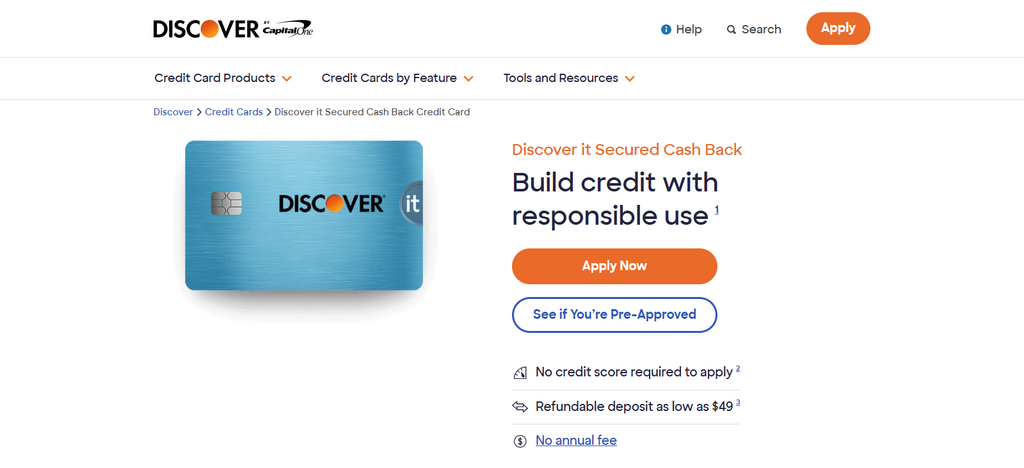
One of the major features is cash back rewards . These are rewards that you get on eligible purchases . Discover does periodically review accounts and may offer a refund of the security deposit and an unsecured card to eligible cardholders with a history of responsibility — usually after a few months of good account management.
Main Features
- Earns cash back on eligible purchases with rewards that vary based on the card’s current offer.
- Zero annual fee.
- Reports payment activity to the top three credit reporting agencies.
- Requires a security deposit, refundable.
- May offer a step-up to an unsecured card depending on account history.
Main Risks
- Requires money down for security deposit.
- Has a potentially high purchase APR.
- No guaranty of securing the upgrade.
- Having large balances and missing payments can lower your credit score
2. Capital One Platinum Secured Credit Card
If your credit history is short or poor, the Capital One Platinum Secured card is made for you. Qualified applicants may receive an initial credit line by paying a security deposit as low as $49, $99 or $200. There is no annual fee for the card and it reports to all the major credit bureaus.
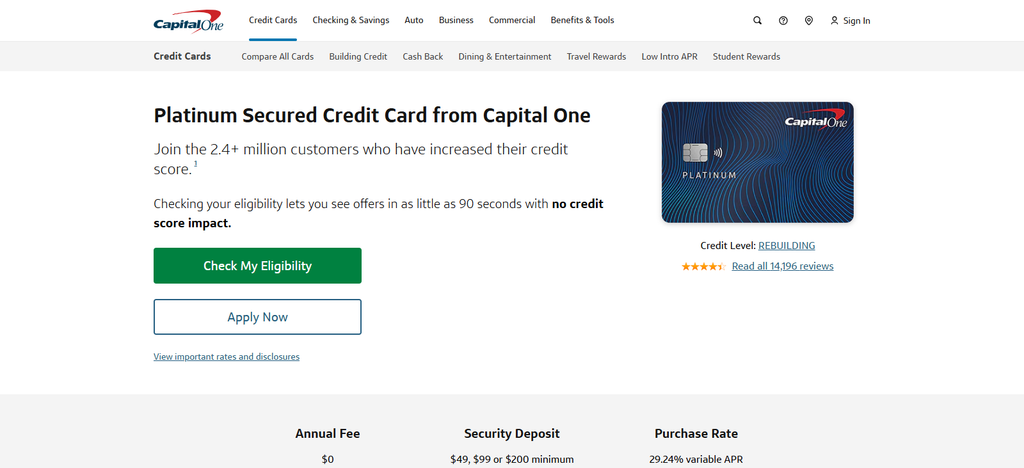
While it doesn’t provide rewards or cashback, it’s all about simple credit building. Capital One regularly reviews accounts for opportunities to increase credit limits and upgrade accounts. Responsible use may lead to cardholders eventually getting a refund on their security deposit and graduating to an unsecured Capital One credit card.
Main Features
- No annual fee
- Qualified applicants can qualify with a low minimum deposit of $49, $99 or $200.
- Provides an initial line of credit of $200 or more, once approved and funded.
- Reports activity to all three major credit bureaus.
- Responsible usage may result in a refund of deposit and an upgrade without guaranty.
Major Risks
- Security deposit required (refundable)
- Doesn’t have a standard cash-back rewards program.
- Graduation is unsecured, it is up to the issuer to determine.
- Interest may accrue if balances are not paid in full
3. Capital One Quicksilver Secured Card
Capital One Quicksilver Secured card includes rewards as well as credit-building features. It usually requires a minimum security deposit of $200 and no annual fee. The card reports payment history and account activity to the three major credit bureaus, helping users build their credit profiles.
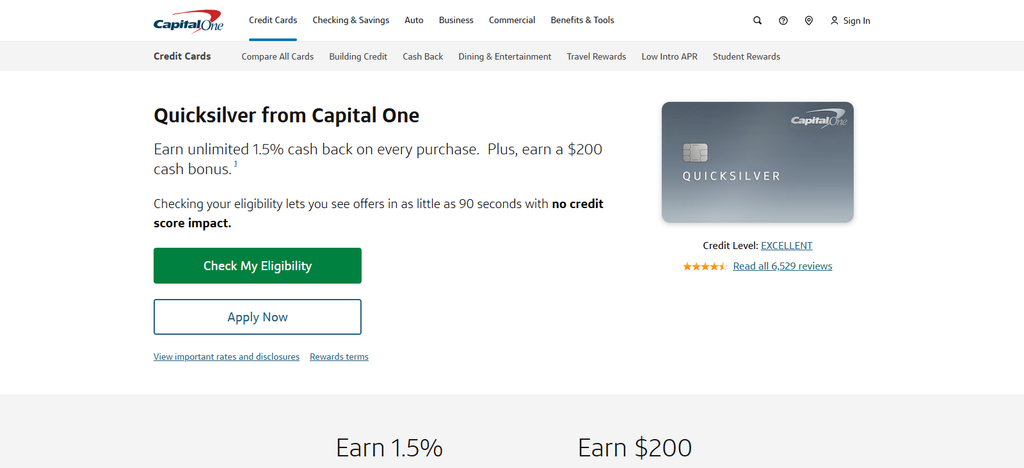
One of the key benefits is its cashback program, allowing cardholders to earn rewards on eligible purchases. Capital One also periodically checks accounts for upgrade eligibility. Customers who show responsible credit behavior may eventually get a path to an unsecured card and get their security deposit back after meeting issuer requirements.
Main Features
- Unlimited 1.5% cash back on eligible purchases.
- No annual fee.
- Requires a $200 refundable security deposit with a minimum initial credit line of $200.
- Reports payment activity to the big credit bureaus.
- Rewards-based option for building credit with responsible use.
Key Risks
- Requires upfront money as collateral.
- You may have to deposit more to get a higher credit limit.
- No upgrade without security is guaranteed.
When balances roll over, the cost of interest can outweigh the rewards.
4. Bank of America® Customized Cash Rewards Secured Credit Card
The Bank of America® Customized Cash Rewards Secured card helps you earn rewards and build credit. It generally has a $200 minimum security deposit and no annual fee. Card activity is reported to all major credit bureaus, so it’s a good way to build a positive payment history.
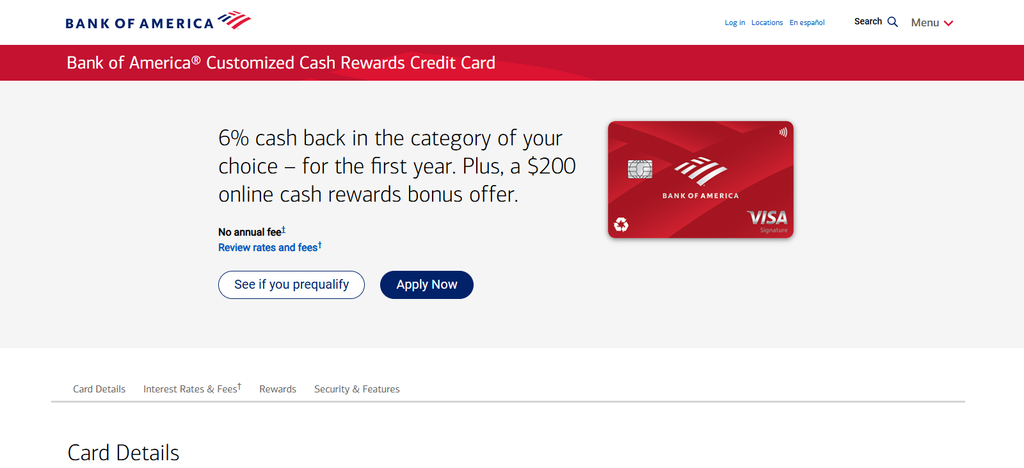
Cardholders can earn cash back on certain spending categories, which isn’t always available on secured cards. Bank of America routinely reviews accounts for graduation opportunities. If you qualify, you could receive your security deposit back and be able to transfer to a Bank of America credit card with no security.
Main Features
- Cash back in a category of the cardholder’s choice.
- Earn extra rewards at grocery stores and warehouse clubs.
- Earns cash back on other qualified purchases.
- Builds credit by reporting account activity.
- Could lead to an unsecured credit card through account reviews.
Main Risks
- A security deposit is required.
- Bonus rewards have a quarterly maximum.
- The best rewards may differ depending on the category you spend in.
It may not always be possible to upgrade to an unsecured card
5. Citi® Secured Mastercard® Credit Card
The Citi® Secured Mastercard® is primarily intended for consumers to help build or rebuild credit. Usually a minimum security deposit of $200 is required to secure the line of credit. It is often offered with no annual fee in many offers, but the terms can vary by market. Citi reports account activity to all three major credit bureaus.
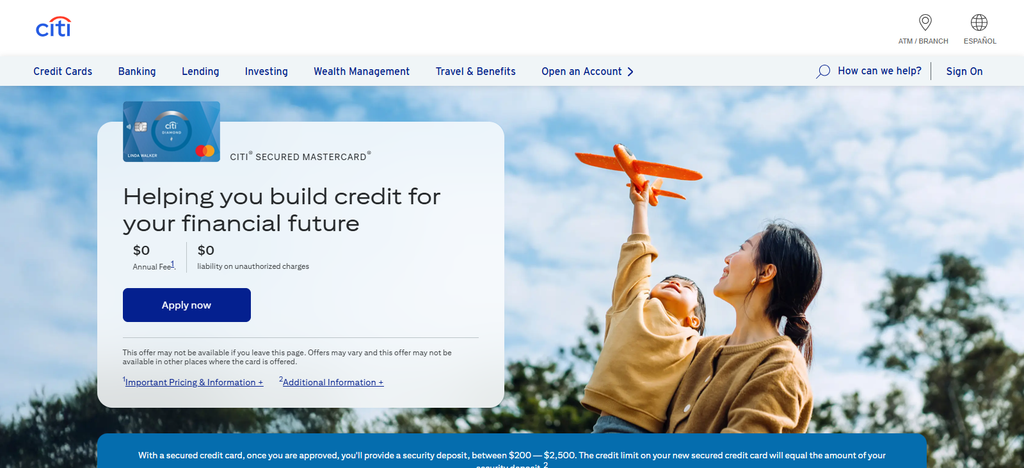
This is beneficial for you when used responsibly to build credit. The card doesn’t offer rewards or cash back benefits — just basic credit building features. If you have good payment history, you may be able to get your security deposit returned and eventually move on to an unsecured Citi card.
Main Features
- No annual fees.
- Takes refundable security deposits of $200 to $2,500.
- Equalizes the credit limit to the security deposit.
- Reports usage to the major credit bureaus.
- Access to FICO® Score and protection from unauthorized charges.
Risks
- Requires a large initial deposit.
- No standard rewards program.
• Approval is based on income, debts and other credit criteria. - Unsecured upgrade not guarantyd and subject to Citi review policies
6. U.S. Bank Secured Visa Card®
The U.S. Bank Secured Visa® Card is for consumers building or rebuilding credit through responsible borrowing. The credit limit is usually determined by a minimum security deposit of $300. As of this writing, the card has an annual fee and reports payment activity to all three major credit bureaus.
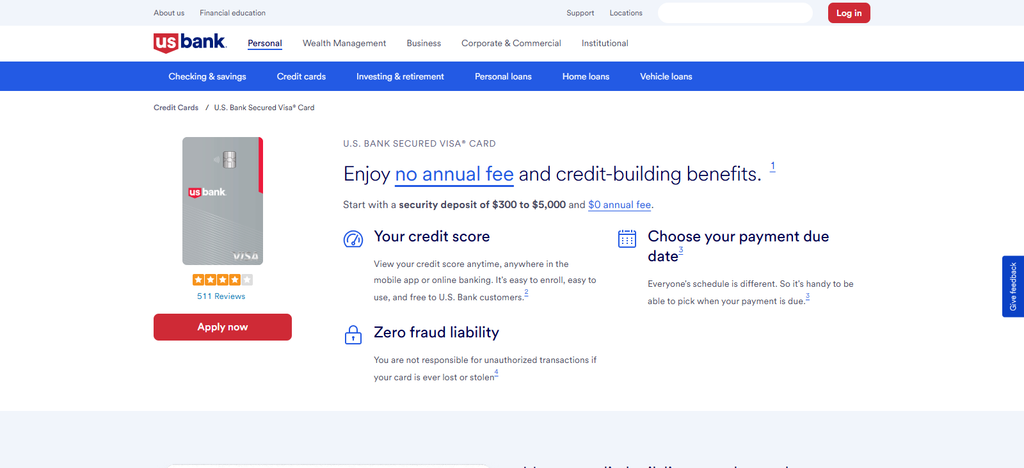
It doesn’t really have a big rewards program, but it does have reliable credit-building functionality. U.S. Bank may review accounts over time for unsecured product eligibility. If you’re a cardholder who manages your credit responsibly, you may eventually get your security deposit back and qualify for an unsecured card.
Key Features
- Offers a secured line of credit backed by a security deposit.
- Builds a credit history when you manage the account responsibly.
- provides a way to start or rebuild a credit history.
- Works on eligible everyday purchases.
- May provide access to an unsecured card, in accordance with issuer policies and eligibility.
Key Risks
- Upfront collateral required.
- Rewards may be limited or unavailable depending on the terms of the offer at the time.
- Interest and late payment charges may increase costs
- There’s no guaranty you’ll graduate to an unsecured card.
7. First Progress Platinum Select Secured Mastercard®
The First Progress Platinum Select Secured Mastercard® is a secured credit card for consumers looking for tools to help them build their credit. The card has a small yearly fee and typically a $200 minimum security deposit is required.
First Progress reports account information to all major credit bureaus to help users build a positive payment history. This card is not really about rewards and cashbacks.
Rather, it is about access to acceptance and credit enhancement. Responsible financial behavior may qualify customers for future unsecured credit products and an opportunity to get their security deposit back.
Key Features
- Builds credit history when used responsibly.
- Reports account activity to the big 3 credit reporting agencies.
- A security deposit is required and is refundable.
- Can be obtained by those with bad or damaged credit histories.
- Provides a secured line of credit for daily purchases.
Main Risks
- May charge a yearly fee.
- Requires funds to be locked in a security deposit.
- If you carry a balance, interest charges can be high.
- An unsecured upgrade may not be automatically available or within a specified time frame
8. OpenSky® Secured Visa® Card
The OpenSky® Secured Visa® Credit Card is popular for its simple approval process and generally doesn’t require a traditional credit check to review your application. The card carries a $200 minimum security deposit and annual fee. OpenSky accounts are reported to all three major credit bureaus to help customers build or rebuild their credit.
Usually no rewards and cashback benefits, as the focus is on building credit. Use your cards responsibly and you can build credit over time . Customers who qualify may eventually be eligible for unsecured products, which could mean a refund of the security deposit and access to additional credit.
Key Features
- For people establishing or reestablishing credit.
- Typically does not require a traditional credit check to approve.
- Sets the credit limit based on a refundable security deposit.
- Reports activity to all three major credit bureaus .
- Offers secured credit card access for eligible purchases.
Main Risks
- annual fee may be charged on the basis of current offer.
- Up-front security funds needed.
- May not offer cash back rewards.
No guaranty that you can upgrade unsecured, may have to apply for another card
9. Merrick Bank Secured Credit Cards
The Merrick Bank Secured Credit Card is designed for individuals looking to rebuild or improve their credit. Minimum $200 security deposit and an annual fee is usually required. The card can be useful for credit-building purposes, as Merrick Bank reports payment history and account activity to all major credit bureaus.
Typically, the card does not have cashback or rewards programs and is instead geared toward building credit. Merrick Bank cardholders who pay on time and manage balances responsibly may be eligible for other credit products offered by Merrick Bank, including a security deposit refund and unsecured credit access.
Main Features
- Secured line of credit based on a deposit.
- Can help establish or reestablish credit history.
- Establishes credit by making timely, regular payments.
- Provides a payment card for qualifying purchases.
- Can be a good option for people looking for a safer alternative to unsecured cards.
Primary Risks
- Fees and deposit requirements vary per offer.
- Interest charges may be applied on carried balances.
- Rewards can be restricted or not available.
- No guarantyd direct upgrade to an unsecured card
10. BankAmericard® Secured credit card.
The BankAmericard® Secured Credit Card is an easy way to build credit with a major financial institution. Usually it comes with no annual fee and requires a minimum security deposit of $200. The card reports activity to the three major credit bureaus, which can help users build a positive credit record.
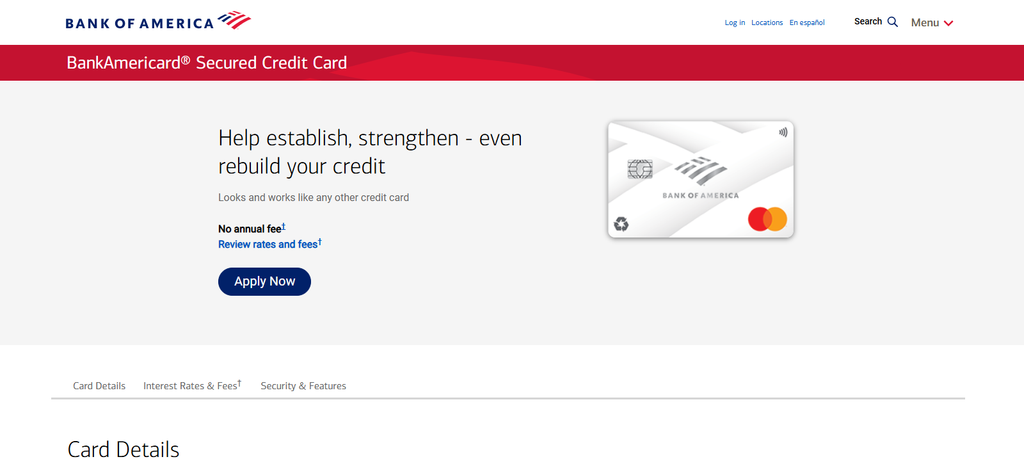
Rewards and cashback is not the main thing here but the card does have the basic credit-building features. Bank of America periodically evaluates account performance, and customers who exhibit responsible usage may be eligible for a security deposit refund and graduation to an unsecured Bank of America credit card.
Important Features
- Collateralizes the credit line with a security deposit.
- Designed to help you get or rebuild credit.
- Helps you build credit with responsible payments.
- Can serve as a starting point for building a positive credit history.
- May provide a potential path to unsecured credit, subject to issuer policies.
Important Risks
- Needs security funds upfront.
- May not offer cash-back rewards.
- The cost of borrowing can be increased by interest and late-payment fees.
Upgrade is not guarantyd to be insecure.
How to Get Approved for an Unsecured Credit Card
Pay Your Bills On Time: Always make your credit card payments on time. This shows that you borrow responsibly and builds your credit profile for future applications for unsecured credit with a record of consistent payments.
Keep Your Credit Utilization Low: Aim to use less than 30% of your credit limit. A lower utilization rate is a sign to lenders that you are a responsible credit user who doesn’t depend heavily on borrowed money.
Pay off your full statement balance: If you can, pay off your full statement balance each month. This habit reduces interest charges, keeps you from racking up revolving debt, and tells lenders that you’re good at handling your money.
Maintain Your Account Regularly: Keep your secured credit card active and in good standing. If you use it responsibly over time, the issuers will be able to see how you pay and will be able to determine whether you qualify for an unsecured upgrade.
Don’t Apply for Too Much Credit: Unless you need them, don’t apply for new credit cards. Too many applications can result in hard inquiries and lenders might be cautious about your borrowing patterns when considering future unsecured credit requests.
Check your credit reports. Look at your reports from Equifax, Experian and TransUnion for errors. Fix errors quickly . Accurate credit records enable lenders to correctly assess your creditworthiness when they look at your application .
Meet your lender’s graduation requirements: Make sure you know what your card issuer requires for unsecured upgrades. Make timely payments, keep your balances in check and abide by the guidelines of the account as each financial institution has different graduation policies.
Maintain Stable Financial Habits: Keep your income information current and manage any existing debt responsibly. A solid financial history, manageable debt, and a history of making payments on time can enhance your overall chances of qualifying for unsecured credit.
Conclusion
The right secured credit card with a path to an unsecured card can help you build credit while you work toward more financial flexibility. Compare annual fees, security deposit requirements, rewards, interest rates and whether they report to the credit bureaus before applying. While you may never be guarantyd approval, cards with clear upgrade policies can offer a more realistic path to unsecured credit.
To improve your odds, be sure to pay your bills on time, keep your credit utilization low, and manage balances responsibly. Be sure to carefully review the graduation requirements of your issuer and the conditions under which deposits are refunded. If you’re consistent with your finances, a secured credit card can be a great way to help you become more credit-worthy.
FAQ
What is the best secured credit card with a path to an unsecured card?
The best option depends on your needs, including annual fees, deposit requirements, rewards, and upgrade policies. Compare issuers carefully and prioritize cards with clear graduation criteria.
How long does it take to upgrade a secured credit card to an unsecured card?
The timeline varies by issuer and account history. Some issuers review accounts after several months, while others require longer periods of responsible credit use before considering an upgrade.
Can I get my security deposit back after upgrading?
Yes, many issuers return the security deposit when an account graduates to an unsecured card. The refund process and timing depend on the issuer’s policies and outstanding balances.
Does every secured credit card offer an unsecured upgrade?
No, not every secured credit card offers a direct upgrade path. Before applying, confirm whether the issuer reviews accounts for graduation or requires a separate application for an unsecured card.
How can I improve my chances of qualifying for an unsecured credit card?
Pay bills on time, maintain low credit utilization, pay balances responsibly, and avoid unnecessary credit applications. These habits can strengthen your credit profile and demonstrate reliable financial management.