

The right crypto on-ramp and off-ramp provider can make buying, selling and swapping digital currencies much easier. With so many options out there in the USA, it can be a challenge to choose a platform that fits your payment needs, budget and security expectations.
In this guide, I’ll share with you the Best Crypto On-Ramp and Off-Ramp Providers in the USA, Kraken, MoonPay, Transak and other top solutions. We’ll discuss their key features, supported cryptocurrencies, fees, security measures, and best use cases so you can make an informed decision.
What Are Crypto On-Ramp and Off-Ramp Providers?
On-Ramp Crypto Providers: They provide a way for users to swap fiat currency like US Dollars for cryptocurrencies like Bitcoin and Ethereum using supported payment methods.
Crypto Off-Ramp Providers: These are services that enable the conversion of cryptocurrencies into traditional currencies, enabling users to withdraw money via eligible bank accounts or other supported payment methods.

Fiat to Crypto Conversion: On-ramp providers simplify the process of buying crypto by linking payment systems to digital asset platforms, enabling users to access crypto markets without the need for complicated conversion processes.
Crypto to Fiat Conversion: Off-ramp services allow individuals and businesses to convert their digital possessions into fiat currencies, facilitating easier withdrawal, spending, and management of finances via accessible payment channels.
Payment Method Integration: Depending on their services and the location of their customers, these providers integrate different payment methods such as bank transfers, debit cards, credit cards, and digital wallets.
Security and Compliance: Trusted providers implement identity verification, transaction monitoring, fraud prevention, and regulatory compliance to ensure secure transactions and reduce the risks of financial crime.
Business and developer integration: A large number of providers offer APIs, SDKs, and payment widgets for fintech companies, cryptocurrency exchanges, and Web3 applications to embed crypto conversion services into their platforms.
Processing and Transaction Fees: On-ramp and off-ramp providers charge transaction fees that vary by payment method, transaction amount, conversion rates and network costs. Processing times depend on payment systems and blockchain confirmations.
How to Choose the Right Crypto On-Ramp and Off-Ramp Provider
Compare Transaction Fees: Look at transaction fees, exchange rate spreads, deposit fees, and withdrawal fees to understand the total cost of conversion and find a provider that has clear and competitive pricing.
Check Supported Cryptocurrencies: Select a provider that supports your preferred cryptocurrencies, stablecoins, and blockchain networks for seamless purchases, conversions, and withdrawals without any unnecessary asset restrictions.
Check Payment Methods: Find providers that offer convenient payment methods such as bank transfers, debit cards, credit cards and digital wallets based on your funding and withdrawal needs.
Check Security Standards: Look for providers that offer robust account protection, identity verification, fraud detection, transaction monitoring, and secure payment processing to minimize the risks associated with cryptocurrency transactions.
Check US Availability . Crypto services and regulations differ from state to state in the US, so ensure the provider is licensed in your state and offers the services you want.
Evaluate Transaction Speed: Compare payment processing times, blockchain confirmation requirements and fiat withdrawal settlement periods to select a provider that fits your transaction speed and operational needs.
API Integration Check: Businesses should review API documentation, SDK availability, customization options, and technical support for smooth integration of cryptocurrency conversion services into fintech applications, exchanges, and Web3 platforms.
Evaluate Customer Support: Choose a provider with responsive customer support, transparent transaction policies, and effective resolution of payment failures, withdrawal delays, account verification issues, and unexpected transaction limits.
10 Best Crypto On-Ramp and Off-Ramp Providers in the USA
| Provider | Key Point |
|---|---|
| Coinbase | One of the most trusted U.S.-based crypto platforms, offering seamless USD deposits, crypto purchases, and fiat withdrawals through bank transfers and debit cards. |
| Kraken | Well-established U.S. exchange known for strong regulatory compliance, multiple funding options, and reliable crypto-to-fiat withdrawal services |
| MoonPay | Popular global fiat gateway supporting crypto purchases and cash-outs with cards, bank transfers, Apple Pay, and Google Pay across most U.S. states. |
| Transak | Compliance-focused provider widely integrated into wallets and dApps, enabling users to buy and sell crypto through bank transfers and card payments |
| Ramp Network | Known for smooth user experience and fast crypto purchases, supporting card payments and bank transfers directly within Web3 applications. |
| Banxa | Regulated fiat-to-crypto and crypto-to-fiat gateway offering broad payment method support and integration with major blockchain ecosystems. |
| Robinhood Crypto | User-friendly platform that allows eligible U.S. customers to buy, sell, and transfer cryptocurrencies with easy bank account connectivity. |
| PayPal | Offers cryptocurrency buying, selling, and checkout capabilities within a familiar payments ecosystem for U.S. consumers. |
| Stripe Crypto Onramp | Developer-focused solution enabling businesses and Web3 platforms to onboard users into crypto using trusted payment infrastructure. |
| Alchemy Pay | Global payment gateway connecting traditional payment methods with crypto transactions and supporting both on-ramp and off-ramp services. |
1. Coinbase
Coinbase is one of the most popular cryptocurrency platforms in the US and provides a simple on-ramp and off-ramp experience for retail and professional users. The platform supports major cryptocurrencies like Bitcoin, Ethereum, Solana, XRP and many other digital currencies. Users can fund accounts with ACH transfers, wire transfers, debit cards and certain payment solutions.
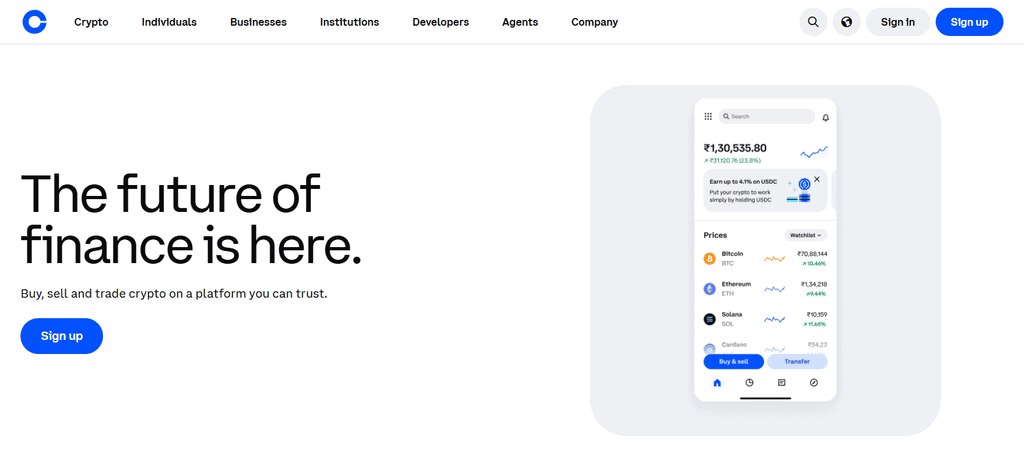
Transaction fees are dependent on payment method, order size, trading activity. Coinbase emphasizes security through the use of cold storage, encryption, two-factor authentication and regulatory compliance. It provides services in most of the U.S. states, which allows it to reach a wide user base.
Features
- Simple Crypto Transactions: With Coinbase, buying, selling and trading cryptocurrencies is easy through a simple interface, whether you’re a beginner or experienced investor.
- Multiple Cryptocurrency Options: Users may have access to Bitcoin, Ethereum, Solana, and other supported digital currencies, depending on their location and account eligibility.
- Multiple Funding Methods: Eligible customers can purchase cryptocurrency with supported bank transfers, debit cards, and other payment options.
- Security and Account Protection: To help protect users and satisfy applicable compliance requirements, Coinbase provides identity verification, account security features and transaction monitoring.
- Developer and Business Tools: Coinbase offers APIs and crypto integration products that allow eligible businesses and developers to embed crypto buying and payment functionality into their apps.
Best Cases of Use
- Individual Crypto Investors: Good for users interested in buying, selling, holding, or converting supported cryptocurrencies from a well-established trading platform.
- Fintech Use Cases: Eligible businesses can embed cryptocurrency purchase functionality into their digital applications with Coinbase integration products.
- Crypto Wallet Funding: Users can buy supported cryptocurrencies and transfer assets to supported external wallets when the feature is available.
- Digital Asset Trading: Investors can trade cryptocurrencies and supported virtual assets using the available tools.
2. Kraken
Kraken is a long-standing cryptocurrency exchange with a track record of security, transparency, and professional trading tools. It supports many cryptocurrencies like Bitcoin, Ethereum, Litecoin, XRP, Cardano and many altcoins. Deposits and withdrawals can be made via bank transfers, wire payments and supported fiat funding options.
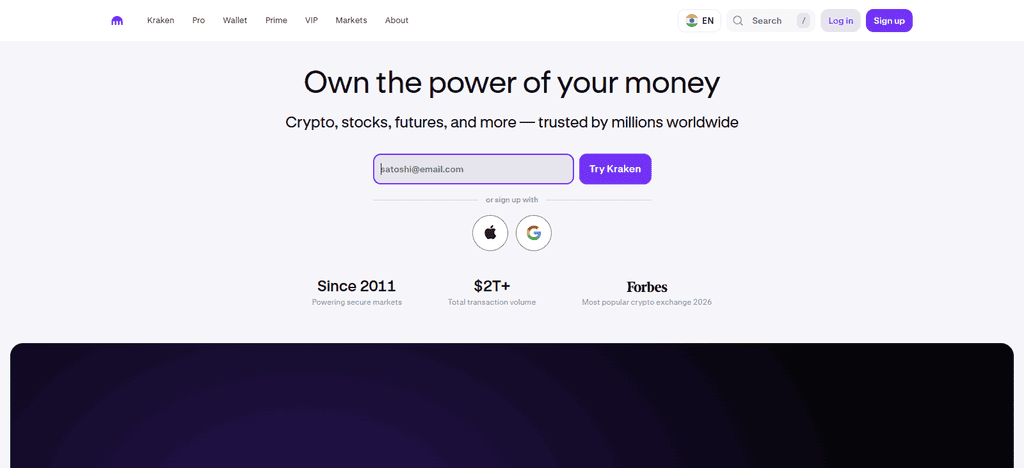
Generally, trade and transaction fees are competitive and decrease for higher volume traders. Security measures include cold wallet storage, account protection tools, regular audits and strong compliance procedures. Kraken is available in most U.S. jurisdictions and is a favorite among users looking for advanced trading features and reliable crypto on-ramp and off-ramp services.
Important Features
- Cryptocurrency Trading: Kraken allows you to buy, sell and trade in cryptocurrency via services designed for varying levels of experience.
- **Variety of Digital Assets: ** Platform offers Bitcoin, Ethereum and other cryptocurrencies. Availability varies by jurisdiction.
- Fiat Deposit Methods: Eligible users can deposit funds into their accounts by using supported banking methods and other available payment channels.
- Security Controls: Kraken employs identity verification, account protection, and transaction monitoring to facilitate secure cryptocurrency transactions.
- Embedded Crypto Buying: Kraken Ramp enables eligible businesses to integrate crypto buying directly into their applications, providing checkout interfaces, APIs and software development tools.
Best Use Cases
- Active Crypto Traders: For users that need to access crypto trading and available market tools.
- Fintech Platforms: Kraken Ramp enables businesses to incorporate crypto purchases into existing financial apps.
- Digital Wallet Providers: Wallet developers are able to integrate supported purchasing functionality to facilitate customers’ acquisition of cryptocurrency without exiting the application.
- Web3 Applications: Eligible dApps and digital marketplaces can incorporate crypto buying for a smoother customer onboarding.
3. MoonPay
MoonPay specializes in services that convert fiat currency to crypto and crypto to fiat currency and are embedded directly into digital wallets, NFT platforms and decentralized applications. The provider has many popular cryptos, including Bitcoin, Ethereum, USDC, Solana, and other major assets.
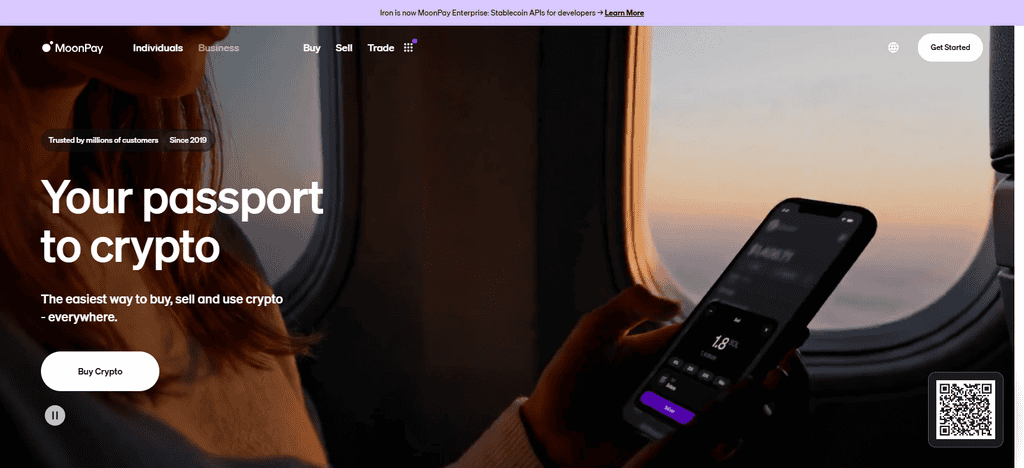
Users can buy crypto with debit cards, credit cards, bank transfers, Apple Pay and Google Pay, where available. Fees vary by payment method , transaction size and region . MoonPay has a strong focus on identity verification, anti-money laundering compliance and transaction monitoring. Its services are available in many parts of the United States, subject to regulatory requirements and restrictions at the state level.
Main Features
- Buying Crypto with Fiat: MoonPay allows eligible customers to buy supported cryptocurrencies with traditional currencies through an easy checkout experience.
- ** Crypto-to-Fiat Services:** Supported services allow eligible users to sell certain cryptocurrencies and receive fiat currency via available payout methods.
- Payments: Customers can pay via payment cards, bank transfers, digital wallets and other payment options supported based on their geography.
- Embedded Checkout: MoonPay provides purchase flows that allow customers to buy cryptocurrencies within supported apps and platforms.
- Developer Integration Tools: APIs, SDKs and customizable purchasing experiences allow businesses to integrate cryptocurrency payments without having to build out the entire payment infrastructure themselves.
Best Use Cases
- Funding a Crypto Wallet: Wallet providers can provide their customers with a convenient option to buy supported digital currencies directly within their applications.
- NFT and Web3 Platforms: Eligible NFT and Web3 platforms can help users get started by integrating options to buy crypto.
- Fintech Applications: Fintech companies can embed supported crypto buying and selling functionality into their products.
- Global Digital Asset Access: Businesses with eligible international customers may utilize MoonPay to provide localized payment experiences where available.
4. Transak
Transak is a commonly utilized infrastructure provider that enables users to purchase and trade cryptocurrencies directly within Web3 apps and wallets. The platform supports a large number of digital currencies across a range of blockchain networks like Bitcoin, Ethereum, Polygon, and many stablecoins.
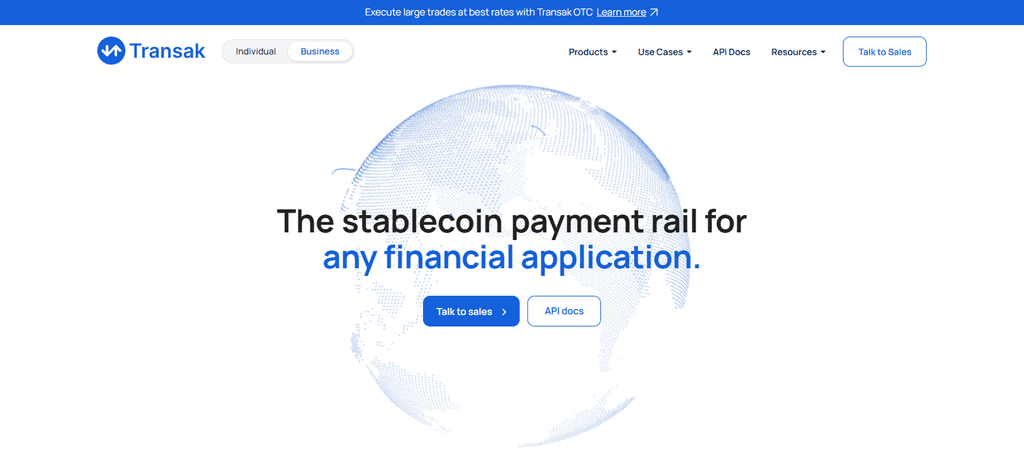
Payment options include bank transfers, debit cards, credit cards and a range of localized payment methods. Transaction fees vary based on the payment option and transaction volume.
Transak has a strong focus on security, regulatory compliance, KYC verification and fraud prevention measures. The company is present in many US states and is widely used by blockchain projects looking for frictionless onboard solutions.
Must-Have Features
- Fiat-to-Crypto On-Ramp: Transact allows users to buy supported cryptocurrencies using traditional payment methods directly within integrated applications.
- Payment Options: Payment cards, bank transfers, digital wallets, and supported local payment methods are available depending on location.
- Wide Blockchain Coverage: Transak supports digital currencies across multiple blockchain networks to give applications the flexibility to offer multiple cryptocurrency purchasing options.
- Compliance and Verification: Identity verification, anti-money laundering controls and transaction risk checks help support compliant cryptocurrency transactions.
- API and SDK integration: Developers are able to integrate cryptocurrency purchasing into wallets, decentralized applications, and fintech platforms using APIs, widgets, and SDKs.
Best Cases of Use
- Crypto Wallets: Wallet providers can integrate Transak to allow customers to buy supported cryptocurrencies without having to go to a separate exchange.
- Decentralized Applications: Web3 apps can simplify the onboarding experience by allowing users to purchase crypto in their existing application experience.
- Fintech Platforms: Companies may utilize the ability to buy cryptocurrency without having to build all the payment and verification components themselves.
- Global Crypto Payments: Apps used by users in many supported regions can offer localized payment options to eligible customers.
5. Ramp Network.
Ramp Network connects traditional finance and crypto in a seamless and user-friendly way. It supports many major assets, including Bitcoin, Ethereum, stablecoins and tokens from the major blockchain ecosystems. Customers can pay via debit card, credit card, bank transfer, Apple Pay and Google Pay (in areas supported).
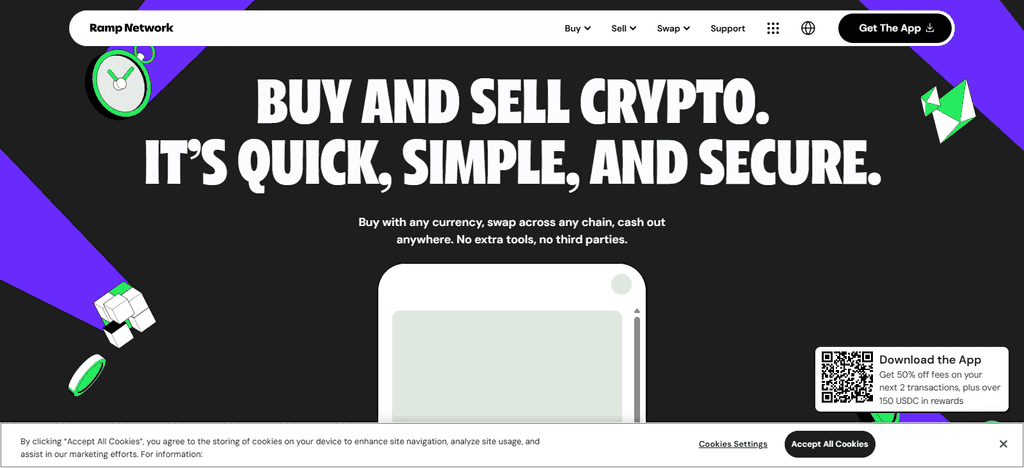
Fees are generally meant to be competitive but will vary depending on the payment method and the size of the transaction. Ramp Network places a strong emphasis on compliance controls, customer verification processes and secure transaction processing. The platform is widely available in the United States and is often embedded in wallets, decentralized applications and blockchain platforms.
Main Features
- Buy/Sell Crypto: Ramp Network allows qualified customers to buy/sell supported cryptocurrencies using the available fiat payment and payout methods.
- Payment Methods: Depending on the user’s location, supported payment methods may include debit cards, credit cards, digital wallets, and bank transfers.
- External Wallet Transfers. Customers may purchase supported digital resources for delivery to compatible wallets, subject to transaction and service.
- Integrated Payment Experience: Ramp Network’s checkout solutions enable users to complete crypto transactions within supported apps.
- Developer-Friendly Integration: Businesses can integrate crypto purchasing and related services into their platforms using APIs, SDKs and hosted checkout options.
Top Use cases
- Digital Wallet Apps: Wallet providers can offer consumers a seamless way to purchase cryptocurrencies directly through their existing interfaces.
- Web3 Platforms: With decentralized apps, it becomes easier for newcomers to acquire cryptocurrencies to use blockchain services.
- ** Crypto Selling and Withdrawals: ** Eligible customers can sell supported cryptos for fiat and withdraw via available payout methods.
- Fintech Businesses: Financial apps can bring cryptocurrency payment functionality without having to build the entire on-ramp infrastructure themselves.
6. Banxa
Banxa is a regulated payment infrastructure provider that enables users to buy and sell digital goods using traditional payment methods. The platform supports a variety of cryptocurrencies such as Bitcoin, Ethereum, Solana, and various stablecoins.
They usually accept payment by bank transfer, debit and credit cards and some local payment gateways. Fees vary depending on the source of the funding, the currency conversion required and the transaction amount.
Banxa is compliant with regulations via identity verification, compliance monitoring and anti-fraud measures. The company is widely integrated across exchanges, wallets and blockchain projects in many U.S. jurisdictions, making crypto transactions more user-friendly to the average person.
Must-Have Features
- Fiat to Crypto: Banxa enables users to purchase supported cryptocurrencies with traditional currencies through integrated payment experiences.
- Crypto-to-Fiat Capabilities: Supported services allow the sale of certain electronic assets for fiat currency in supported regions.
- **Multiple Payment Methods ** Depending on your location, we also accept bank transfers, payment cards and alternative payment methods.
- Identity Verification. We verify the identity of our customers and monitor transactions to assist with security and applicable regulatory compliance requirements.
- Business Integration Tools: Banxa provides integration solutions for crypto exchanges, wallet providers and fintechs who want to add fiat-to-crypto functionality.
Best Use Cases
- Cryptocurrency Exchanges: Exchanges can add fiat payment services so that customers can buy supported cryptocurrencies using traditional currencies.
- Digital Wallet Providers: wallet apps can offer customers more options to buy cryptocurrency through integrated payment infrastructure.
- Fintech Applications: Fintech firms can incorporate supported crypto buying and selling functionalities into their products.
- Cross-border payment platforms: If your eligible business operates in multiple markets, you can use the supported payment methods to serve customers from different regions.
7. Robinhood Crypto, the broker’s
Robinhood Crypto is bringing crypto trading to users through a familiar investing app. The platform lists popular assets like Bitcoin, Ethereum, Dogecoin, Solana and many other cryptocurrencies. Clients can also link their bank accounts to fund their accounts and use the cash balances on hand to buy digital assets as well.
Robinhood is well-known for commission-free trading, but spreads and market pricing can affect transaction costs. Security features include encryption, account verification process and multi factor authentication.
Regulatory compliance is still a big focus of the company’s operations. Robinhood Crypto is available in many states in the U.S. and is a great option for beginner and casual cryptocurrency investors.
Main Features
- Easy Crypto Trading: Qualified customers can trade supported cryptocurrencies on a simple trading platform with Robinhood Crypto.
- **Multiple Cryptocurrencies: Customers can have access to Bitcoin, Ethereum, Dogecoin and other available supported cryptocurrencies.
- Adding Funds to Your Account: Eligible users can deposit funds into their accounts through recognized payment and banking methods.
- Cryptocurrency transfers. You may transfer supported assets to and from eligible external wallets between eligible accounts, subject to any applicable restrictions.
- Unified Financial Experience: Robinhood’s cryptocurrency offerings are combined with other financial products, enabling eligible customers to handle various investment activities in a single platform.
Best Use Cases
- Retail Crypto Investors: Ideal for those looking for an easy-to-use platform to buy and sell supported crypto assets.
- Beginner Investors: It has a simple interface that can help novice cryptocurrency users to conduct basic buying and selling activities.
- Portfolio Management: Qualified customers can manage supported crypto holdings in tandem with other investments offered on Robinhood.
- External Wallet Transfers: If users’ accounts and assets support transfer functionality, users can transfer eligible cryptocurrencies to compatible wallets.
8. PayPal
PayPal’s popular financial services ecosystem lets users buy, sell and hold cryptocurrency and make payments with it. The users can trade major digital currencies such as Bitcoin, Ethereum, Litecoin, and Bitcoin Cash, subject to regional availability. Payment options include linked bank account, debit cards, PayPal balance or other supported payment tools.
Fees will depend on the size of the transaction and market conditions. PayPal uses a variety of security infrastructure, fraud monitoring, encryption technology and regulatory compliance programs. Eligible U.S. customers can use its cryptocurrency services, providing a familiar entry point for those exploring digital currencies without using traditional exchanges.
Important Features
- Buy and sell cryptocurrency: Eligible U.S. customers can buy and sell supported cryptocurrencies on PayPal’s digital payments platform.
- Digital Currencies Supported: Currently supported digital currencies include Bitcoin, Ethereum, Litecoin, Bitcoin Cash and PayPal USD, where available.
- Integrated Payment Account: Cryptocurrency features are accessible to eligible users via their existing PayPal account, providing a familiar payment experience.
- Crypto transfers: Transfer eligible crypto to eligible external wallets or other supported destinations, subject to asset and account restrictions.
- Payment Infrastructure: PayPal’s payment infrastructure enables eligible customers to easily link their digital payment activities to supported cryptocurrency services.
Best Use Cases
- Individual Crypto Buyers: Perfect for eligible users who want to buy and sell supported cryptocurrencies through a familiar payment app.
- Digital Payment Users: Current customers can take advantage of supported cryptocurrency services without having to sign up with a dedicated exchange.
- Stablecoin Transactions: Users and businesses that are able to do so can explore using PayPal USD for supported digital payment and transfer activities.
- Online Payment Ecosystems: While building digital payment experiences, businesses can explore the available PayPal payment and crypto-related capabilities.
9. Stripe Crypto Onramp
Stripe Crypto Onramp is built for developers and businesses that want to add cryptocurrency purchase functionality into their applications. The service works with certain digital resources and blockchain ecosystems depending on the region and integration requirements. Usually users can pay for purchases by cards and supported payment methods linked to Stripe’s payment network.
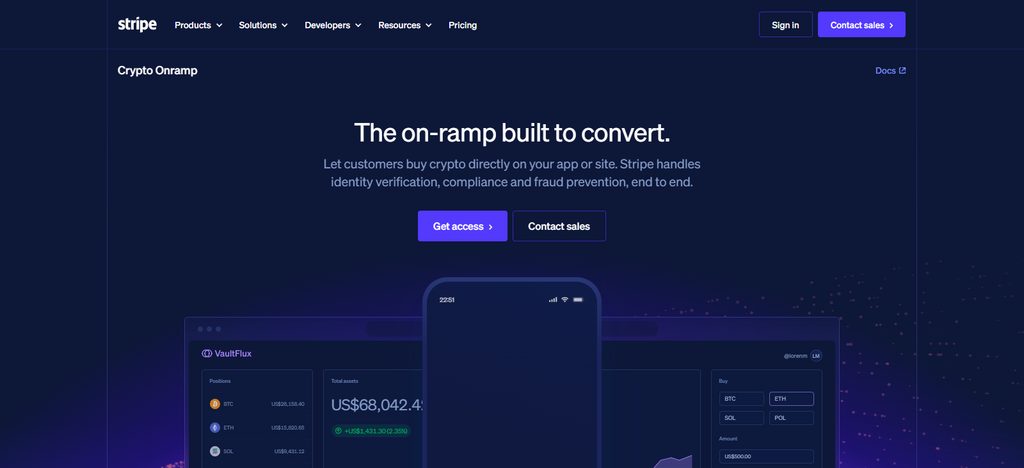
Fees will vary based on transaction processing requirements and implementation models. Stripe is all about keeping payments secure, verifying people’s identities, monitoring compliance and stopping fraud. Eligible businesses operating in supported U.S. markets can access the solution, which helps streamline the onboarding process for Web3 applications.
Main Features
- Embedded Crypto Buying: Stripe Crypto Onramp allows businesses to embed cryptocurrency buying on websites and applications with a simple checkout experience.
- Multiple Payment Methods: Where available, customers can purchase supported digital resources through eligible payment cards and other supported funding methods.
- Developer Integration APIs and integration tools make it possible for developers to embed the purchase of cryptocurrency into their existing applications, without the need to build the entire payment process from the ground up.
- Verification and Compliance: The supported verification and risk-management processes help businesses comply with applicable customer identification and transaction compliance requirements.
- Checkout that can be customized: Companies can integrate the process of buying crypto into the path their customers take, meaning that customers don’t need to move between apps.
Top Use Cases
- Fintech Applications: Financial technology companies might integrate the option to purchase cryptocurrency into their current products and customer experiences.
- Web3 Platforms: Users can purchase supported cryptocurrencies directly from the purchasing interface of the platform via blockchain applications.
- Digital Wallets: Wallet providers can embed eligible on-ramp functionality to facilitate their customers’ purchase of cryptocurrency.
- Online Marketplaces: Qualified digital marketplaces may provide built-in cryptocurrency purchasing to customers seeking supported digital resources for platform use cases.
10. AlchemyPay
Alchemy Pay is a payment gateway that connects conventional financial systems and the cryptocurrency world through on-ramp and off-ramp services. It supports a broad spectrum of digital currencies such as Bitcoin, Ethereum, stablecoins and different blockchain tokens.
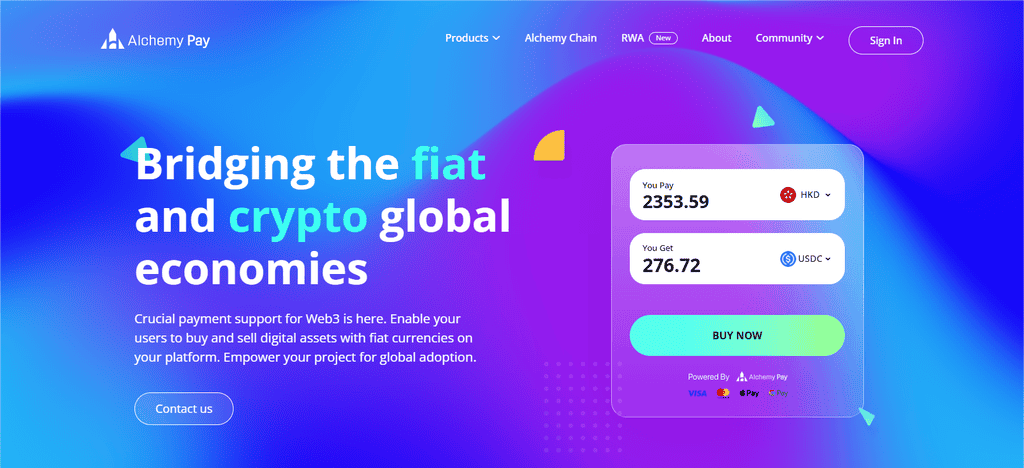
You can get crypto via bank transfer, debit cards, credit cards, mobile wallets and regional payment methods. Fees depend on the selected payment channel and transaction amount.
Alchemy Pay uses KYC procedures, compliance controls and transaction monitoring to enhance security. It covers many areas including parts of the United States . It provides services for both businesses and consumers .
Core Features
- Fiat-to-Crypto Conversion: Alchemy Pay links traditional payment methods with cryptocurrency purchasing services, enabling eligible users to purchase supported digital currencies.
- Crypto-to-Fiat Services: Off-ramp capabilities are available to eligible customers to convert supported cryptocurrencies into traditional currencies through supported payment channels.
- Various Payment Options: Users can pay through bank transfer, payment cards, digital wallets and other payment options, depending on location.
- International Payment Coverage: Alchemy Pay is integrated with payment channels in several markets, but the exact services are subject to local availability and regulatory requirements.
- Business Integration Solutions: APIs and payment integrations enable cryptocurrency exchanges, digital wallets and fintech applications to embed fiat-to-crypto functionality into their platforms.
Top Use Cases
- **Cryptocurrency Exchanges: ** Exchanges can offer fiat payment options for the buying or selling of supported digital currencies.
- Web3 Applications: Blockchain-based applications can make it easier to access cryptocurrency by embedding the payment functionality into the user’s experience.
- International Payment Platforms: Eligible businesses can use supported payment channels to serve customers in many regions.
- Fintech Startups: A startup can provide cryptocurrency purchase and assisted exchange services without developing all the payment infrastructure components.
Conclusion
The best on-ramp and off-ramp crypto provider in the USA relies on transaction fees, supported cryptocurrencies, payment methods, security and regulatory compliance. There are Coinbase, Kraken, MoonPay, Transak, Ramp Network, Banxa, Robinhood Crypto, PayPal, Stripe Crypto Onramp, Alchemy Pay and many more platforms that serve different needs of customers and businesses.
Before you decide, look at processing times, withdrawal options, geography and API integration capabilities. For businesses, it’s reliable payment infrastructure. For individuals, it’s the convenience, and the clear pricing.” Ultimately the best provider will depend on your needs, what they support and whether you qualify in the US .
FAQ
What are crypto on-ramp and off-ramp providers?
They help users convert traditional currencies into cryptocurrency and convert crypto back into fiat.
Which providers operate in the USA?
Options include Coinbase, Kraken, MoonPay, Transak, and other providers, depending on state availability.
What payment methods are supported?
Common options include bank transfers, debit cards, credit cards, and digital wallets.
How much do these services cost?
Fees vary by provider, payment method, transaction amount, and exchange-rate spreads.