

In this article, I’ll be talking about the Top Base L2 Micro-Gaming DApps for Low Gas, featuring platforms that are making blockchain gaming more affordable, accessible, and engaging. They provide a range of gaming experiences within the Base ecosystem from casual games to virtual pets, farming simulations, strategy battles, and digital collectibles. I will talk about their main characteristics, game options, transaction fees, reward programs and benefits to help readers know which platforms are worth exploring.
What Are Base L2 Micro-Gaming DApps?
Base L2 Micro-Gaming DApps are lightweight blockchain-based gaming applications that are built on or integrated with the Base Layer 2 network. They provide easy to play gaming experiences like casual games, digital collectibles, farming simulations, pet battles, mini games and strategy challenges. The apps employ blockchain technology and smart contract technology to facilitate digital asset ownership, in-game transactions, and player interaction.
The cheaper transactions on Base compared to the Ethereum mainnet make blockchain gaming activities supported on Base more affordable. Some DApps also leverage sponsored transactions or account abstraction to enable gameplay.
Players can interact with NFTs, tokens and reward systems according to each game’s functionality. However, not all gameplay actions will require a blockchain transaction and not all games will provide earnings or gas-free experiences.

How to Choose the Best Base L2 Micro-Gaming DApp?
Base Network Compatibility: Before jumping into the gaming experience, verify that the DApp is natively running on Base or supports selected Base-based assets and transactions.
Gas Fees: Compare the real costs of transactions for gameplay, NFT transfers, token swaps, and purchases, to find apps with cheap blockchain interactions.
Quality of Game: Look at the game mechanics, controls, graphics, replayability and activities on offer to find an app with an engaging game experience.
Game Types Supported: Ensure that the platform offers casual games, farming simulations, pet battles, strategy challenges, collectibles, or multiplayer experiences that match your preferences.
Token and Reward Utility: Look into native tokens, reward distribution, staking options, and in-game currencies to gage their real-world utility and long-term viability.
NFT Ownership: Check if players can own, trade, transfer, and manage digital collectibles using supported wallets and compatible blockchain marketplaces.
Wallet and Mobile Compatibility: Assess wallet connections, account abstraction, mobile access, and sponsored transactions to gage the ease of access for beginners to the gaming platform.
Security and Transparency: Before you connect wallets or commit digital resources, verify smart contract audits, transaction transparency, project documentation, team credibility, and security practices.
Top 10 Base L2 Micro-Gaming DApps
| Gaming DApp | Key Features |
|---|---|
| Cat Town | Fishing, quests, collectibles, gacha, and seasonal events |
| Pixotchi | Plant growing, land management, resource production, and upgrades |
| Fren Pet | Adopt pets, feed, train, battle, and collect rewards |
| Sunflower Land | Grow crops, craft items, expand farms, and trade |
| LandTorn | Multiple games, competition, digital assets, and rewards |
| Heroes of Mavia | Base building, army management, battles, and digital assets |
| World of Dypians | Open-world exploration, quests, combat, and digital assets |
| Parallel | Digital card ownership, deck building, and competitive matches |
| Planet IX | Virtual land acquisition, territory development, and NFT assets |
| Robots.Farm | Resource management, farming mechanics, and blockchain assets |
1. Cat City
Cat Town is a warm, browser-based onchain idle-adventure game on Base. You can play it through the Base app or Farcaster. Genre: Casual simulation, Idle Collection. It’s about a town managed by a cat. Players buy cats with ETH and each cat passively generates “floofs”. Floofs can be traded for ETH or combined to mint new cats.
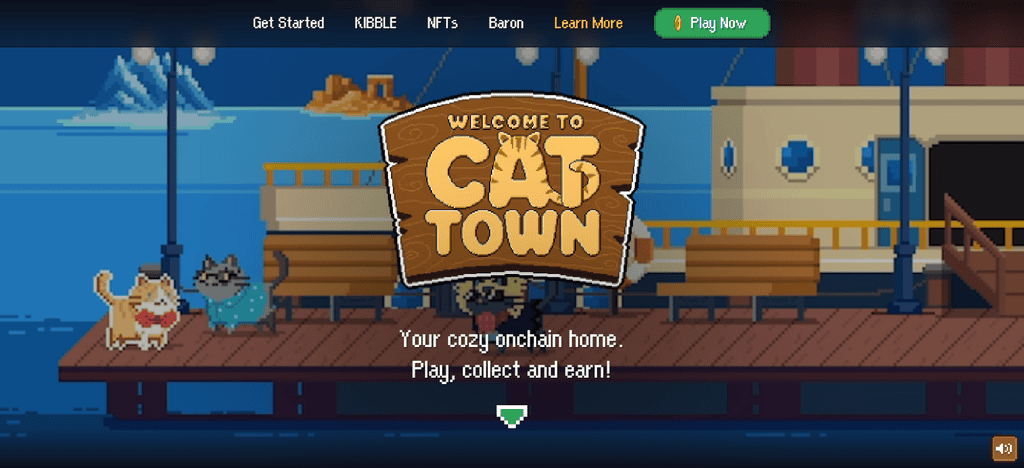
The low fees on Base make frequent interaction practical. The game also includes fishing contests, quests, founder-cat NFTs and KIBBLE staking in the Town Bank. Rewards are derived from floof production, activity-based KIBBLE distributions, daily-action bonuses and potential staking yield.
Main Features
- Casual Onchain Gameplay: Provides a virtual town where players engage in fishing, collecting, and interactive activities.
- Fishing Competitions: Offers weekly fishing competitions with onchain-verified random outcomes.
- Gacha Collectibles: You can use KIBBLE to get random items of varying rarity.
- Staking and Revenue Sharing: Enables KIBBLE staking and community revenue sharing mechanisms.
- Seasonal Events: adds new collectibles, activities, competitions and community events to the game.
Best For:
- Blockchain gamers who aren’t serious.
- Players who enjoy fishing competitions.
- Treasures and digital items for collectors.
- For those who want to play in community-based gaming economies
2. Pixotchi
Pixotchi is a pixel-art garden game on Base that lives onchain and is inspired by Fren Pet. It is a casual farming, NFT-collection, and play-to-earn game. Players mint plant NFTs, grow them and build them into lands through long-running maintenance mechanics. Base’s cheap transactions mean regular check-ins don’t come with the heavy gas costs, because it runs in browsers.
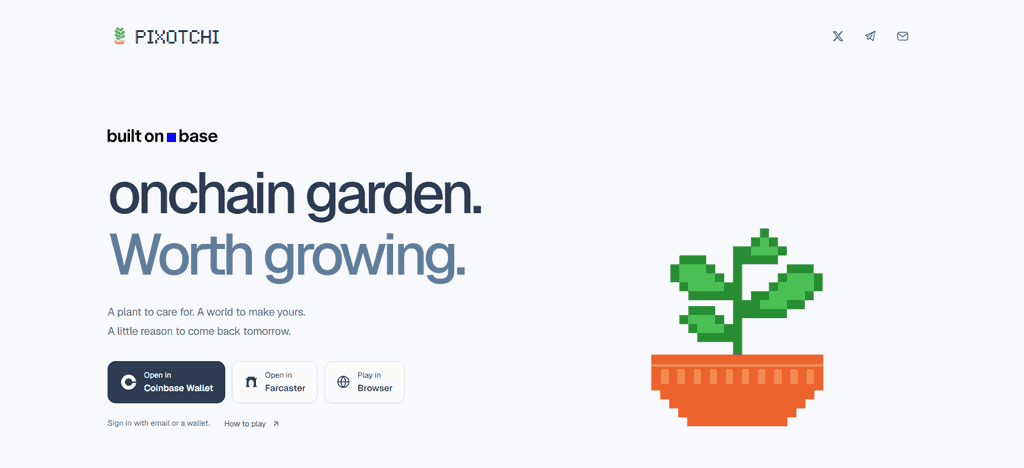
The Base app, and Farcaster, The core loop is tending plants over time so they accrue value and rewards which is good for low-effort, incremental play. Its rewards are based on plant growth, land development, and long-term NFT earning mechanics.
Main Features
- Plant Development: Players can grow plants and track their development over time.
- Pixel-Art Gardening: A digital gardening experience for you, focused on the growth and care of virtual plants.
- Resource Management: Combines gardening and item/resource management in the game.
-Base Integration: Uses Base infrastructure for supported on-chain game interactions. - SEED Token Utility: Uses SEED to buy in-game items and for supported ecosystem activities.
Best For
- Gamers who love pixel art.
- Players who like virtual gardening.
- Casual and idle gamers
- Blockchain users who want to try out lightweight Base games.
3. Fren Pet
Fren Pet is a Base based virtual-pet RPG game that mixes pet care, PvP, quests and token staking. Every 30 minutes, players feed their pets, train them and battle other players, and spin a daily wheel to fight monsters for points, gold and NFT rewards.
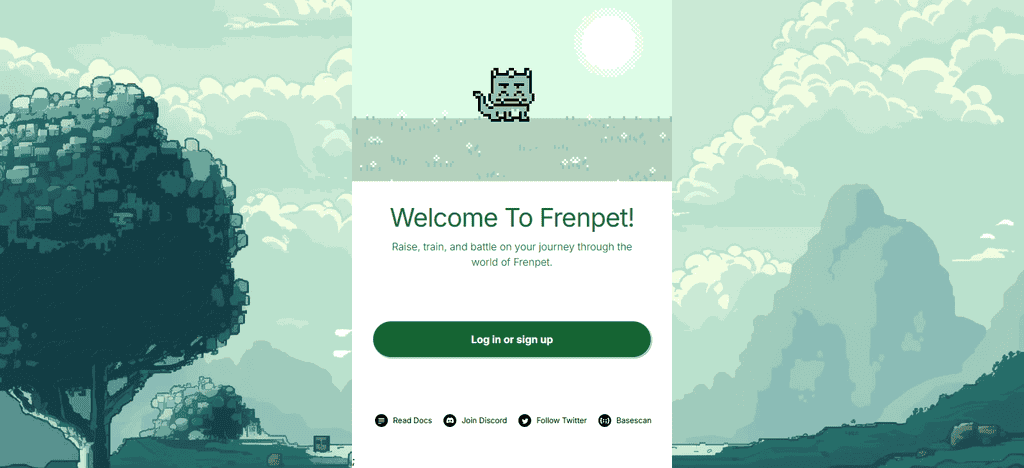
Base keeps gas low (often only a few cents), but the game limits free users to 10 transactions per day, with the option to pay for more transactions by depositing into a smart account.
Rewards are given as points, staking yields from $FP, marketplace asset trading and a share of game fees distributed to players. Best for those who like daily, competitive pet-management loops.
Key Features
- Virtual Pet Ownership: Players can have virtual pets and raise them.
- Pet Training: It includes pet development via feeding, training and skill improvement.
- Battle Mechanics: Allows for competitive pet battles and player interaction.
- Sponsored Transactions: Allows sponsored transactions via its smart-account system, based on eligibility and limits.
Idle Gaming: It combines typical pet care with gaming activities centered on progression.
Best For
- Fans of virtual pet gaming.
- Idle game players.
Users that like to battle pets competitively - Gamers looking for onchain sponsored interactions
4. Sunflower Land
Sunflower Land is a web3 farming and life simulation game on Polygon. Players can grow crops, craft items, trade with others and play with friends. It’s a casual farming/metaverse simulation game with play-to-own mechanics. Players will be able to plant crops, harvest them and then sell them for SFL, which can then be used to buy more seeds, tools and upgrades.
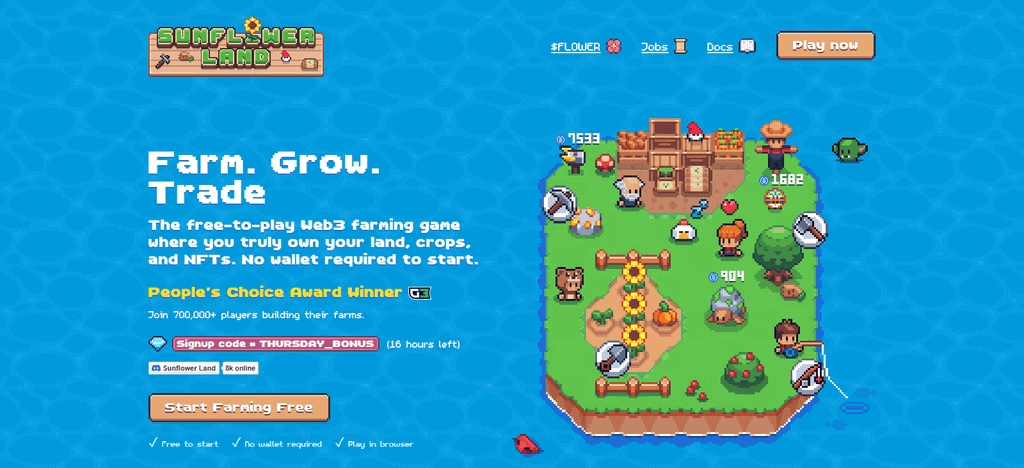
Polygon keeps transaction costs low for regular operations—officially stated as fractions of a cent—although syncing progress on-chain may still involve occasional small gas fees. The economy is burn-driven, meaning FLOWER that is spent goes back into reward pools (in-game cycles) instead of being newly minted. Players can also earn money from crafting, trading and seasonal events.
Main Features
- Virtual Farming: Let players cultivate crops and cultivate their virtual farms.
Resource Gathering: Assists in collecting materials and farming resources. - Crafting System: Players can create useful items by combining gathered materials.
- Land Development: Allows for farm growth and progression.
- Multiplayer Economy: trading and interactions within its gaming ecosystem.
Best For
- Fans of farming simulation.
- Players who like crafting games.
- Resource management gamers.
- People who like playing multiplayer blockchain economies
5. LandTorn
LandTorn isn’t a single game, but a Base native Web3 game publisher and ecosystem that unites multiple games through the $TORN token, DAO and shared economy. Its flagship title, Lorak, is an idle dungeon crawler. Players mint Settler NFTs, send them into dungeons, collect Spoils, and earn $SHARD.
Base’s inexpensive infrastructure enables frequent onchain dungeon actions and NFT interactions. $SHARD has the ability to enchant Settlers, revive fallen characters, and unlock additional runs. $xTORN can be earned through gameplay and lead to $TORN airdrops. LandTorn’s category is onchain gaming infrastructure, idle RPG and NFT meta economy.
Main Features
- Mini-Game Potential: The lightweight gaming experience is an interesting area based on the Base-centric nature of the positioning.
- Gaming Ecosystem: Seeks to combine blockchain gaming experiences.
- Blockchain Integration: Works with Base as the target ecosystem infrastructure.
- Gaming Accessibility: Links players to accessible Web3 gaming experiences.
- Digital Asset Opportunities: Gaming model can support blockchain-based ownership and game economies where implemented.
Best For
- Core gamers of the ecosystem.
- Players exploring new gaming platforms in Web3.
- Users looking for light-weight gaming experience.
- Blockchain gamers in search of new gaming ecosystems.
6. Mavia Heroes
Heroes of Mavia is a multiplayer mobile base-building strategy game, often likened to Clash of Clans, built on Base with Web3 ownership. Players will build bases, collect gold and oil, train armies, defend against raids, and attack rival bases to earn trophies and resources.
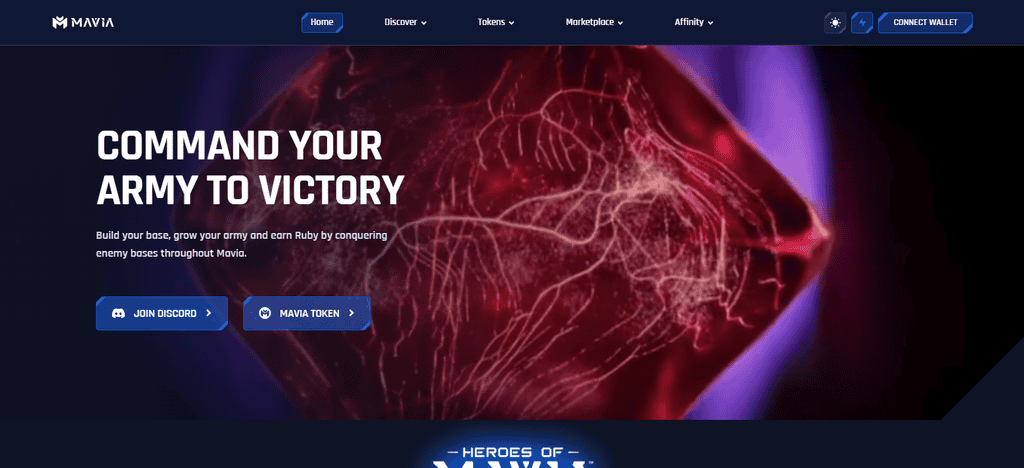
The categories are competitive strategy, tower defense, and play to earn. Base provides low fees and quick confirmations, decreasing friction for NFT and token actions.
Rewards: RUBY – for battles and missions. MAVIA – for events, tournaments, and staking. In the marketplace, players are able to buy, upgrade, lease or trade land, heroes and cosmetic NFTs.
Main Features
- Base Building: lets players create and grow tactical military bases.
- Command an army including infantry, vehicles and air units to compete in battles.
- Multiplayer Battles: Allows players to attack enemy bases and defend their own territories.
- Resource Management: Upgrades and develops the base with Gold and Oil.
- RUBY Rewards: Earn RUBY for eligible battles, challenges and game activities.
Best For
- Fans of mobile strategy games.
- Gamers who like base building games.
Competitive multiplayer gamers - Users interested in blockchain gaming economies
7. Dypian World
World of Dypians is a multi-chain Web3 MMO RPG, which combines exploration, quests, crafting, NFTs, AI-driven NPCs and DeFi. Available on platforms like the Epic Games Store, it has a 3D open world, PvE and PvP combat, daily challenges, treasure hunts and brand partnerships.
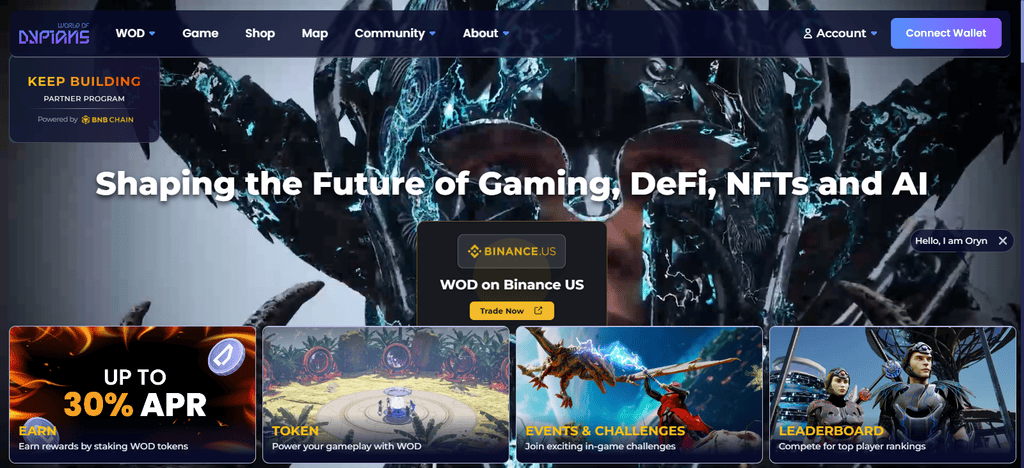
Category: immersive MMORPG, metaverse, GameFi. It is built on scalable networks like opBNB and has very low to zero gas fees for many player actions. Players earn WOD and iDYP through quests, daily streaks, events, competitions and staking, with NFT lands, items and characters adding tradable value to progression.
Important Features
- Open-World Exploration: Provides a huge virtual world for players to explore.
- Character development and multiplayer interaction are combined in MMORPG gameplay.
- Quest System: It has missions, challenges, and activities for players.
- Fighting Mechanics: Includes fights and enemy encounters as part of its gameplay experience.
- Digital Asset Integration: Connects blockchain assets and ecosystem activities to its gaming environment.
Best For
- Open world adventure game players.
- Players who like to explore with others.
- Web3 users exploring metaverse gaming
8. Parallel
Parallel is a sci-fi digital trading-card game with deep strategy, deck-building and NFT card ownership. Category: Competitive TCG and Collectible Game Economy Players build decks from five Parallel factions, battle opponents, climb ranked modes and grow their collections with NFT cards.
Ethereum and Base hold blockchain assets, with Base used for more economical transactions and lower gas. The PRIME token reward system is determined by weekly ranked performance and the number of NFT cards a player has in their deck. Parallel is a strategy-card game that emphasizes active skill-based competition, rather than passive idle earning.
Important Features
- Digital Trading Cards: Offers collectible digital cards that players can use to build competitive decks.
- Five Factions: Five unique factions, each with its own strategic playstyle.
- Deck Building: Players can create their own decks with different cards and combinations.
- Competitive Battles: Fight tactical online card battles against other players.
- PRIME Ecosystem: Links eligible gaming activities and rewards to the PRIME ecosystem.
Best For:
- Trading card game collectors.
- Players of the competitive strategy.
- Collectors of digital cards.
- Players who enjoy science-fiction gaming
9. Planet IX
Planet IX is a Web3 strategy and territory-building game. Players buy PIX land NFTs, build territories, trade assets and participate in the wider virtual-world economy. It is a strategy, land ownership, trading and staking based GameFi. Players can earn daily token rewards and better gameplay progression by combining AIX staking with in-game assets.
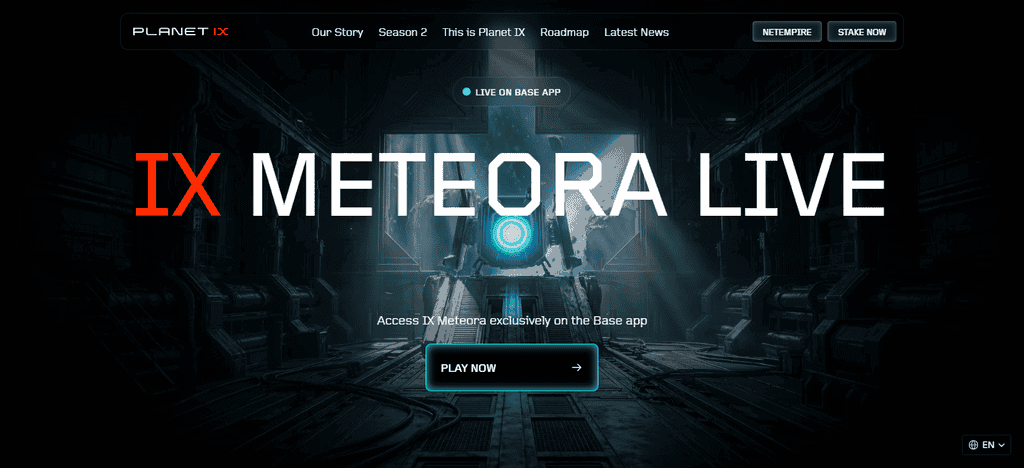
The core of the platform is Polygon, which brings the benefits of fast and low-fee transactions, making marketplace trading and asset management more accessible. There are also other rewards from completing objectives, selling PIX, staking, liquidity provision and Landmark-related raffles that grant shares of marketplace fees.
Main Features
- Virtual Land Ownership – Players can buy digital land parcels called PIX.
- Territory Development: Combine plots of land and expand virtual territories.
- NFT Assets: Includes physical assets such as land, facilities, drones, and rovers.
- Base Migration: Migrated its ecosystem from Polygon to Base to benefit from cheaper transactions.
- AIX Token Economy: AIX is used for transactions, asset activities and game-related utilities in the supported ecosystem.
Best For
- Virtual land game lovers.
- Players who want to possess NFT.
- Territory management and strategy gamers.
- Users exploring Base-driven gaming economies.
10. RobotsFarm
Robots….Farm is a gasless onchain quest and rewards game on Base, BNB Chain and Linea. It falls under the categories of Casual Questing, NFT Gathering, DeFi Gaming, and Token Farming. Players can complete daily quests, mint robot NFTs, enter Chain Wars raffles, open crates and earn RBF tokens.
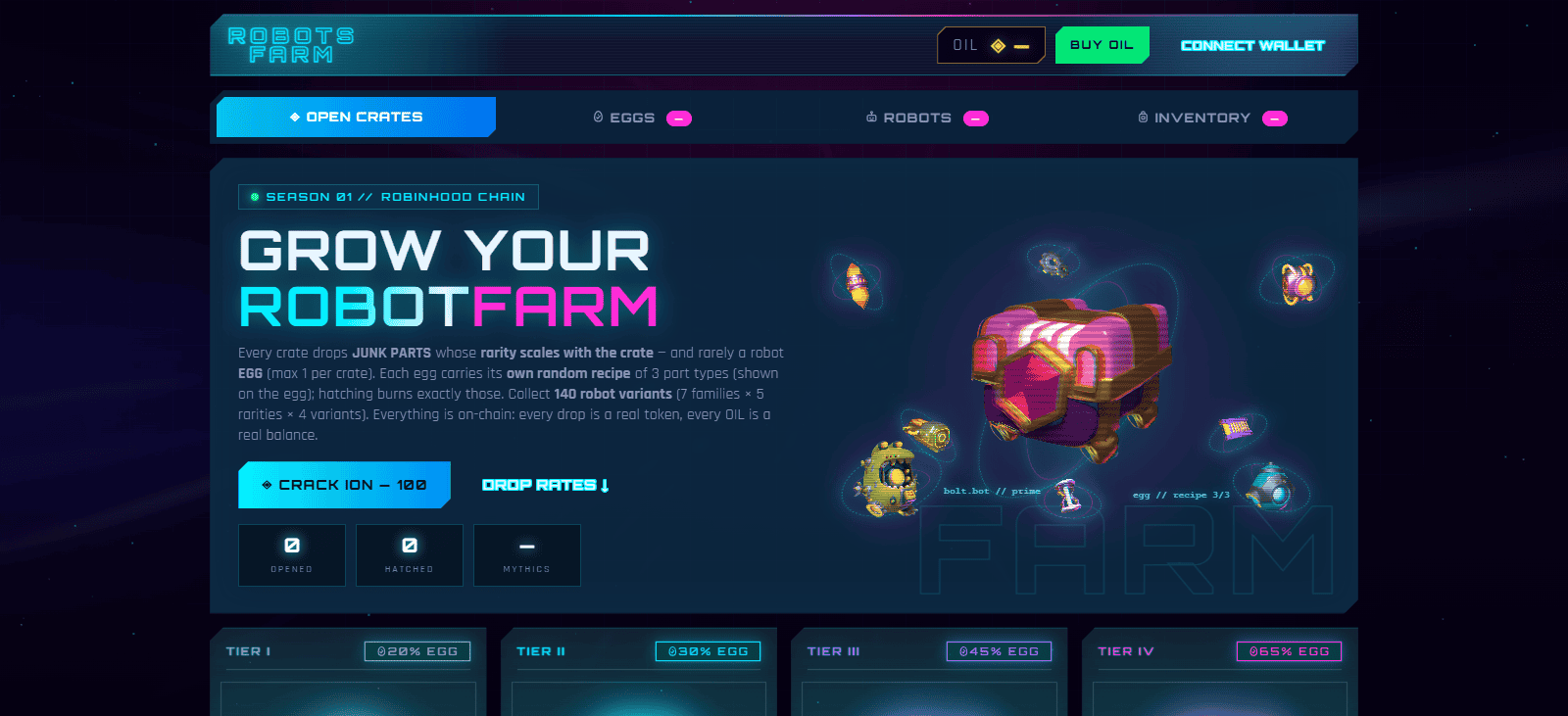
Another key advantage of its gasless design is that players can interact without paying gas for many actions directly, improving accessibility and transaction efficiency. The platform also has a built-in DEX, staking pools, and DAO governance that enables users to swap tokens, earn yield, and influence project decisions. Get rewards from quests, raffles, staking and RBF farming.
Main Features
- Robot Collectibles: Offers digital robot assets with varying attributes and tiers.
- Gamified DeFi: Incorporates gaming elements into decentralized finance operations.
- Quest system: Users can complete activities and get in-game rewards.
- Crate Rewards: provides crates with items, tokens, boosts and other rewards.
- XP Progression – experience points to unlock supported platform features and gaming actions.
Best For
- Users looking for blockchain games for trading.
- Fans of gamified DeFi.
- Collectors of digital resources.
- Those who enjoy questing and progression.
Conclusion
Base L2 micro-gaming DApps are expanding the blockchain gaming space by making supported transactions more affordable and accessible. Cat Town, Pixotchi and Fren Pet offer casual games, while Sunflower Land, Heroes of Mavia, Parallel and Planet IX bring farming, strategy, card-based and collectible gameplay.
World of Dypians and other upcoming platforms expand the gaming ecosystem. But to select the right DApp, one has to judge the real Base compatibility, gas fees, quality of gameplay, NFT ownership, token utility and security. Affordable transactions and fun gameplay can ultimately lead to wider adoption of Web3 gaming.
FAQ
What are Base L2 micro-gaming DApps?
Base L2 micro-gaming DApps are blockchain-based gaming applications that use Base Layer 2 infrastructure to support affordable transactions, digital asset ownership, casual gameplay, and interactive gaming experiences.
Which are the top Base L2 micro-gaming DApps?
Popular projects to explore include Cat Town, Pixotchi, Fren Pet, Sunflower Land, LandTorn, Heroes of Mavia, World of Dypians, Parallel, Planet IX, and Robots.Farm.
Why is Base suitable for micro-gaming DApps?
Base offers relatively low transaction costs, faster transaction processing, Ethereum compatibility, and smart contract support, making it suitable for blockchain-based gaming applications.
Can players enjoy Base gaming DApps with low gas fees?
Yes. Base generally offers affordable blockchain transactions compared with Ethereum mainnet. However, actual fees depend on network conditions, smart contract complexity, and the type of transaction.
Do Base micro-gaming DApps support NFT ownership?
Several projects support digital collectibles, virtual assets, or NFT ownership. Features vary by platform, including asset creation, collection, trading, and transfers.