

The gaming industry is changing with the help of blockchain technology and it’s creating new opportunities for players to play games and earn digital rewards. Play-to-Earn Web3 arcade games are fun to play and offer cryptocurrency tokens, NFTs, and ownership of virtual assets. In 2026, there are a variety of games that provide unique experiences such as strategic battles, virtual worlds, farming, collectible cards, and competitive challenges. In this guide, I am going to discuss the Best Play-to-Earn Web3 Arcade Games along with gameplay, earning opportunities, blockchain networks, key features, and limitations.
What Are Play-to-Earn Web3 Arcade Games?
Blockchain-Based Gaming: Play-to-Earn Web3 arcade games leverage blockchain technology to manage digital currency, record transactions, and provide players with transparent ownership of eligible in-game rewards.
Reward-Based Gameplay: Players in these games can receive digital rewards for finishing quests, winning matches, competing in tournaments, collecting resources, and reaching specific gameplay objectives.
Cryptocurrency Tokens: Many web3 arcade games have native tokens or in-game currencies that players can use to purchase, upgrade, trade, governance, or eligible withdrawal of rewards.

NFT Ownership: Players can collect, own, trade, and sometimes sell gaming assets that are based on blockchain, such as characters, virtual land, weapons, cards, skins, and other digital collectibles.
Decentralized Economies: Web3 arcade games usually create player-driven digital economies where gaming assets and tokens can be traded through supported blockchain marketplaces and platforms.
Crypto Wallet Integration: Players typically link compatible cryptocurrency wallets to access blockchain features, manage digital currencies, claim qualified rewards, and conduct supported transactions.
Competitive Gaming Opportunities: Many platforms offer multiplayer battles, leaderboards, tournaments, challenges, and contests based on achievements, providing additional avenues to earn rewards through gameplay.
Player Asset Control Unlike traditional games, blockchain-based games can provide players with verifiable ownership of supported virtual assets, allowing eligible items to be controlled outside of the game.
How to Choose the Best Play-to-Earn Web3 Arcade Game?
Quality of Gameplay: Select games with captivating mechanics, fluid controls, enjoyable challenges, and fair difficulty to make entertainment the primary motivation for engagement.
Blockchain Compatibility: Check how easily you can access gaming features by checking the supported blockchain network, transaction speed, gas fees and wallet compatibility.
Compare earning opportunities: Check out current rewards, tournament prizes, missions, and incentives based on achievements, but avoid games that promise unrealistic or guarantyd earnings.
Review Token Utility: Before evaluating its potential value, review the token’s native purpose and use cases, supply structure, trading support, and market volatility.
Know NFT Requirements: Research if you will have to buy characters, cards, land, or other assets to play, NFT ownership, if there is a marketplace available, and if there are trading options.
Free-to-Play Accessibility: Determine if the game is free to enter, has optional purchases, is mobile-friendly, and is new player friendly without requiring a large purchase upfront.
Check Security Standards: For possible blockchain risks, review wallet connection protocols, smart contract safety, transaction transparency, and account protection features.
Think Community and Development: Look for active player communities, frequent updates, communication with developers, upcoming features and long-term game development to find projects with sustainable development potential.
10 Best Play-to-Earn Web3 Arcade Games in 2026
| Game | Key Point |
|---|---|
| Axie Infinity: Origins | One of the most established play-to-earn Web3 games, allowing players to collect, battle, and trade NFT-based Axies while earning ecosystem rewards. |
| Pixels | A highly accessible Web3 game that combines resource gathering, quests, and social gameplay with token-based earning opportunities. |
| Gods Unchained | Free-to-play card battler where players own NFT cards and can earn rewards through competitive gameplay and tournaments. |
| Splinterlands | Fast-paced digital card game featuring NFT ownership, ranked battles, tournaments, and multiple reward mechanisms. |
| The Sandbox | Player-driven virtual world where users can build experiences, monetize creations, and earn through digital asset ownership. |
| Illuvium | AAA-style blockchain game featuring collectible creatures, strategic battles, NFT assets, and token-based rewards |
| Alien Worlds | Sci-fi metaverse game that rewards players for mining resources, completing missions, and participating in decentralized governance. |
| Upland | Digital property-trading game where players buy, sell, and develop virtual real estate tied to real-world locations |
| Guild of Guardians | Team-based fantasy RPG focused on dungeon exploration, hero collection, and tradable in-game assets. |
| Decentraland | Open metaverse platform where users can create experiences, own land NFTs, host events, and participate in the virtual economy. |
1. Axie Infinity: Origins
Axie Infinity: Origins is Sky Mavis’s reimagined creature-battler where players collect, breed and battle Axies. Its main mode is turn-based card combat: players deploy three Axies, draw cards generated from body parts, spend energy, and try to defeat the opposing team. The game is powered by Ronin, a chain tied to Ethereum made for fast, low-cost transactions.
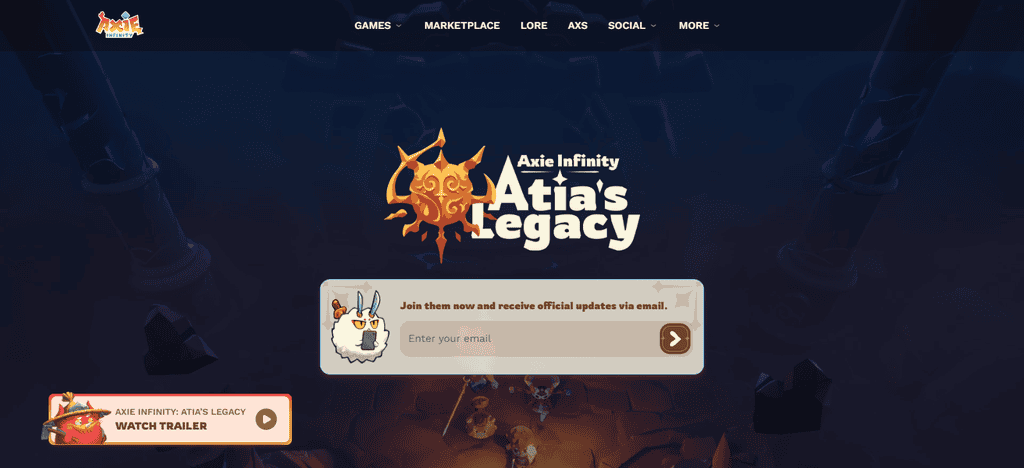
Rewards and ownership are based on NFT Axies, with AXS used for governance, staking, and breeding, and SLP previously a gameplay/breeding utility token. Origins lets you start with non-NFT Starter Axies and buying NFTs is optional for trading, breeding, and deeper ownership.
Ideal for
- Fans of turn-based card battles with strategy.
- Gamers who like creature collection and team building.
- Players in Web3 looking for token rewards.
- Competitive players who enjoy ranked games and tournaments.
- NFT fans who want to own the digital creatures.
Limitations
- Battle strategies and mechanics take time to get the hang of.
- Token reward values may vary based on market conditions.
- Some features may involve creating digital resources or wallets.
- You can earn based on your progress and the rewards available in the game
2. Pixels
Pixels is a free-to-play farming and social MMO played in a browser, set in a shared pixel-art world. Terra Villa is a place where players can plant and harvest crops, complete quests, craft goods, mine for resources, cook and socialize. It’s mostly active on Ronin, leveraging blockchain to secure ownership of assets like land, pets, and avatars.
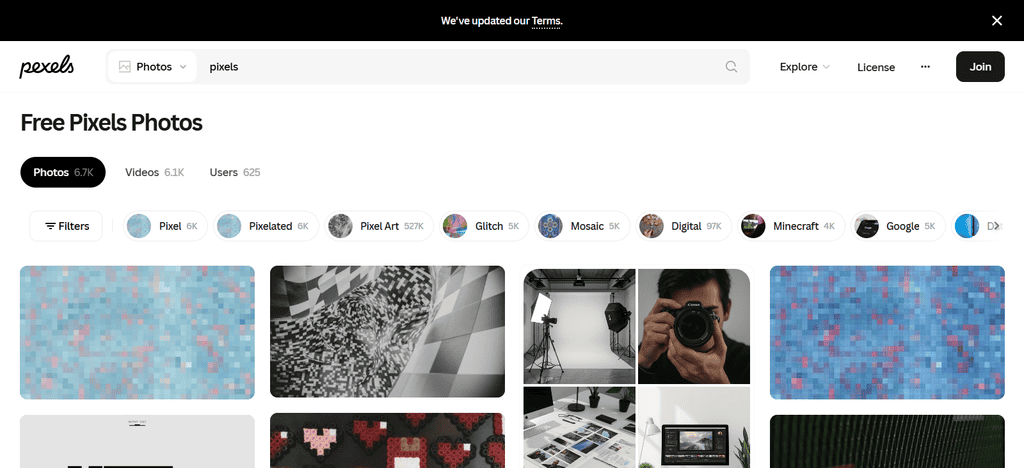
The PIXEL token is a premium currency and governance/reward token, powering VIP passes, NFT minting, guild participation and quality of life improvements. For example, new players can jump in without buying NFTs or PIXEL, the basic farming loop is available to all, and blockchain ownership and more advanced features are optional.
Best For
- Those who love farming and simulation games.
- Casual gamers who want relaxed gameplay.
- Web3 users who are interested in blockchain digital properties.
- Players who enjoy scavenging and crafting.
- Social gamers who enjoy the community.
Limitations
- Progress can be tedious grinding.
- Some activities are based on in-game resources and energy.
- Token rewards may vary with the market.
- Advanced progression may take considerable time investment.
3. Godsunchained
Gods Unchained is a free-to-play tactical card game where you build decks, choose gods, and fight against opponents in strategic PvP battles. Cards have unique stats and abilities, and good deck-building is as important as the strength of the collection. Built on Immutable, it uses Ethereum-based Layer-2 infrastructure to deliver low-cost, gas efficient NFT trading.
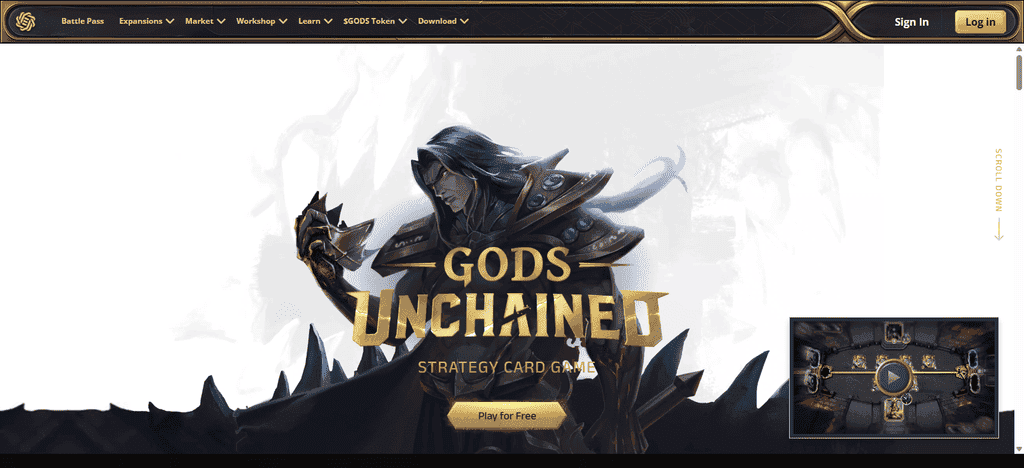
Players own eligible cards as NFTs and can trade, fuse or craft them. GODS is the native ERC-20 token used for crafting, staking, governance, and marketplace purchases. Beginner can play for free, NFT cards and GODS based features bring ownership and economic depth.
Best For
- Lovers of strategy-based card games.
- Gamers who want to play competitive card games.
- NFT collectors looking for tradable digital cards.
- For gamers who like deck-building and tactical choices.
- Players who want to own cards on the blockchain.
Limitations
- Deck quality and strategy influence match outcomes.
- Card strategies can be hard for new players to learn.
- Competitive play may require strong card collections.
- The value of tokens and NFTs may vary
4. Splinterlands
Splinterlands is a blockchain-based collectible-card game focused on fast-paced PvP battles based on skill. Players select a Summoner, build a team under a mana cap and battles are automatic, so the outcome is decided by preparation, card abilities and understanding of the ruleset.
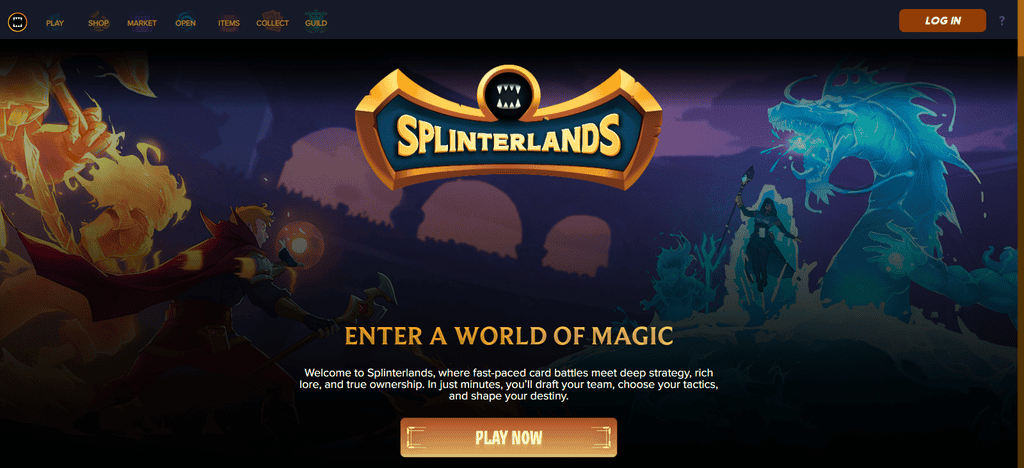
It uses the Hive blockchain to transparently record ownership and transfer of the cards. Cards are tradable digital resources that players can sell, rent, or burn for Dark Energy Crystals (DEC).
Splintershards (SPS) is the governance token and allows staked holders to vote on proposals. You can try out the game for free, but a $10 Summoner’s Spellbook provides more complete features and rewards participation.
Best For
- Fans of trading card battling games.
- Players that enjoy setting up team combos.
- Web3 gamers craving blockchain rewards
- NFT fans looking to own digital cards.
- Competitive players who love ranked battles.
Limitations
- Card abilities and strategies take time to understand.
- Some gameplay choices may require the purchase of assets.
- Rewards based on rank and performance
- NFT and token prices can fluctuate
5. The Sandbox
The Sandbox is a metaverse of user-generated-content where players can explore experiences, create assets, build games and socialize in virtual worlds. Its no-code creation tools are free and users can share experiences even without owning LAND. The platform uses Ethereum-based blockchain ownership.
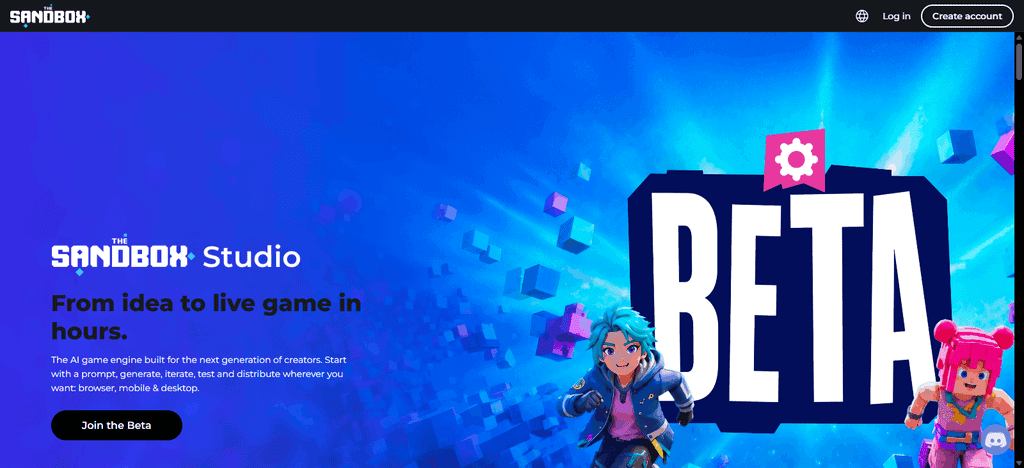
LAND parcels are NFTs that creators can develop, host events on, or monetize. Assets and avatars can also be NFTs. SAND is the utility token of the ecosystem, used for purchases, experiences and creator economy activity.
Players can earn SAND and NFT rewards thanks to Play & Earn mechanics. The client can be downloaded free of charge and many experiences can be played without spending any money.
Best For:
- Users interested in user-generated virtual worlds.
- Digital creators who like to build interactive experiences.
- NFT collectors seeking virtual land and assets.
- Gamers who like a social and multiplayer environment.
- Entrepreneurs trying out virtual experiences and digital property.
Limitations
- Experience creation may require technical or design skills.
- There may be significant costs for virtual land and assets.
- Building projects can take a long time.
- Digital resources have value because people want them
6. Illuvium
Illuvium is a connected Web3 gaming ecosystem with Illuvium Overworld, Arena and Zero. Overworld is all about exploring and catching creatures, Arena is all about competitive auto-battler combat, and Zero is all about city building and management. In 2024, the ecosystem moved to Immutable zkEVM, offering the security of Ethereum with faster, cheaper transactions.
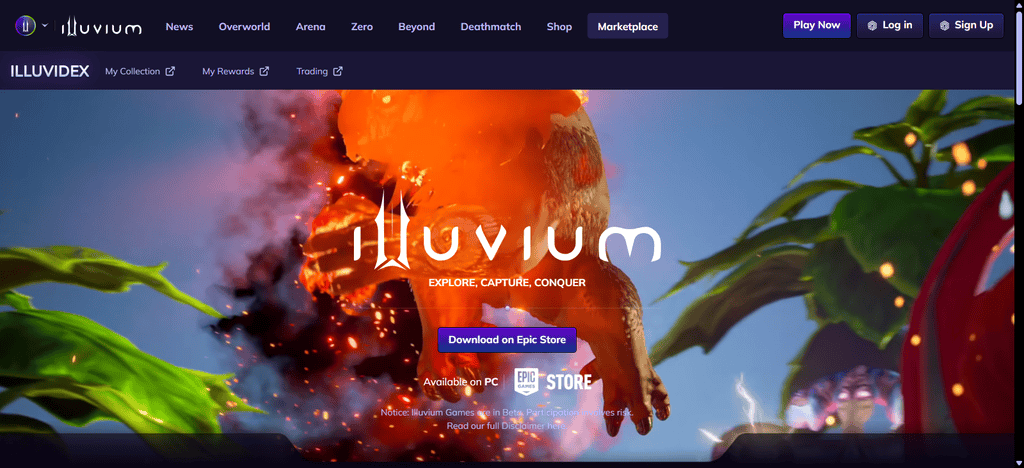
ILV acts as both a marketplace currency and a governance token and Illuvials, gear and other collectibles can be represented as NFTs. All three core games are free-to-play and Immutable Passport makes login and wallet interactions smoother, allowing players to easily jump into the games without having to immediately engage with crypto features.
Best For:
- Fans of fantasy RPG and monster collecting games.
- Players interested in exploring open world environments.
- Players who enjoy creature battles and tactical warfare.
- NFT collectors aiming to get their hands on Illuvials.
- PC gamers who want to play high-quality blockchain games.
Restrictions
- May need a capable PC hardware for graphics at high quality.
- It can be tough for starters to grasp complex gameplay.
- Development and rebuilding changes could impact the gaming experience.
- ILV and NFTs prices are volatile and subject to change.
7. Alien Worlds
Alien Worlds is a browser-based sci-fi mining and exploration game played across decentralized virtual planets. Players select a planet, pick a plot of land, equip mining tools and mine for Trilium (TLM) and occasional NFT rewards. Missions, community games and planetary DAOs broaden the experience. It runs on WAX and access and transactions are done with a WAX Cloud Wallet.
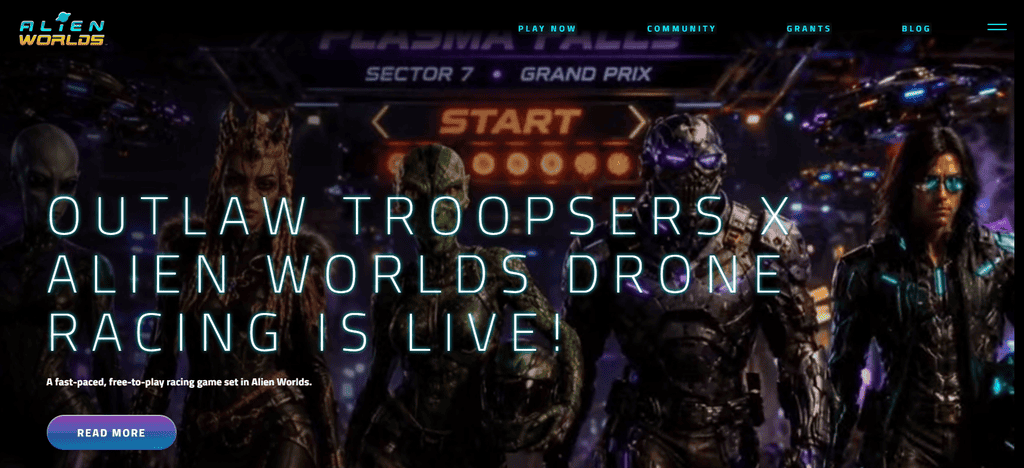
The TLM is the main reward and utility token, while tools, avatars, and other items are NFTs. Broadly, the game is accessible through a browser, although players might require a bit of WAX to access network resources, and can start off with starter tools before buying NFT equipment.
Best For
- Gamers that are interested in space themed blockchain games.
- Casual gamers who enjoy mining and resource gathering.
- Web3 users who want to earn TLM token.
- Players who are interested in owning virtual land.
- Players who like to explore and rule a community.
Limitations of the study
- Mining activities that are repeated over time.
- The size of the reward will depend on the available resources and the competition.
- To grasp the mechanics of land and NFT takes time.
- TLM token prices can be very volatile
8. Upland
Upland is a virtual city-building and real estate trading game mapped to real world addresses in cities around the world. Players buy, build and trade properties, complete collections, build structures and participate in a persistent shared economy. It is built on a dedicated Upland Appchain where real estate assets are represented as NFTs.
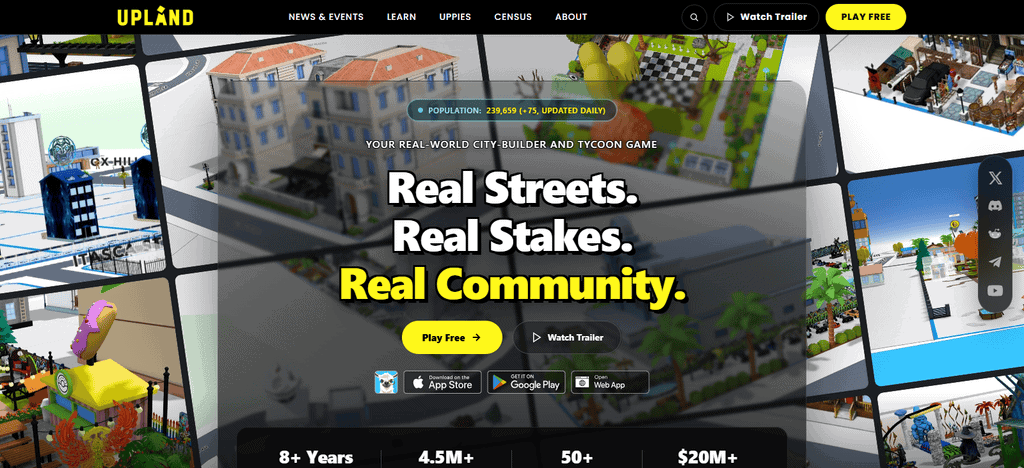
SPARKLET is an ERC-20 utility token on Ethereum and Base that fuels construction, manufacturing, vehicles and more. UPX is the core in-game currency and STEM powers the Life/farming ecosystem. Upland is free to play as a visitor and can sell eligible digital items on its regulated USD marketplace, subject to regional availability and KYC.
Best For
- Gamers who want to own virtual real estate.
- Gamers who like property trading and development.
- Digital land grabbers.
- Players who enjoy playing virtual cities and are community-minded.
- New people exploring property economies based on blockchain.
Limitations
- Major investments may be needed for valuable virtual properties.
- Property prices are affected by player demand.
- Earnings potential varies on location and activity.
Trading in property and how the market works takes time to learn
9. Guild of Guardians (GOG)
Guild of Guardians is a mobile action RPG where players build teams of Guardians, battle through dungeons, collect loot and upgrade heroes and gear. It mixes classic RPG progression with optional Web3 ownership, with heroes, gear and skins that can be NFTs on Immutable infrastructure. GOG is the ecosystem token for marketplace activity and the game’s economy. The game is a hybrid web2/web3 experience.
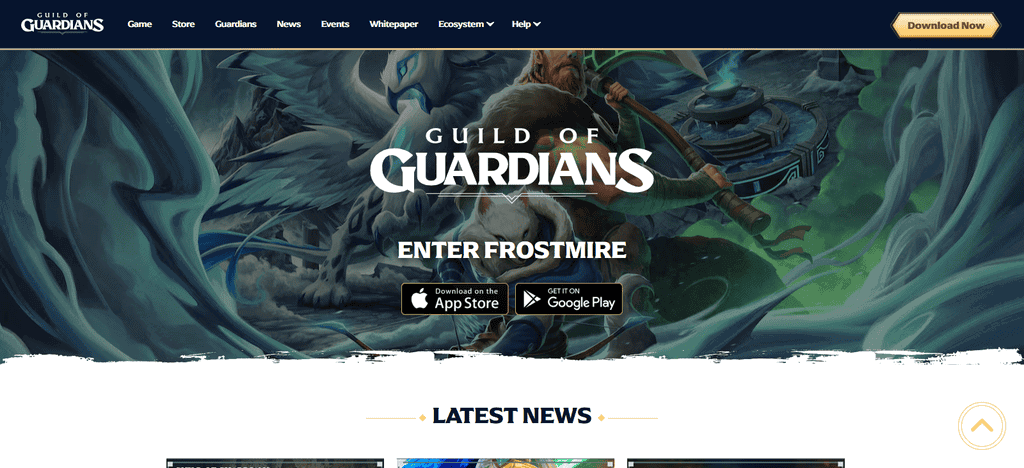
Players can use traditional payments and play for free to progress, and blockchain features are optional. Players don’t require any prior crypto knowledge as Immutable Passport can take care of wallet and blockchain interactions behind the scenes.
Who It’s Best For
- Fantasy action RPG game fans.
- Players who enjoy dungeon exploring and monster fighting.
- Gamers wanting to learn team building strategies.
- NFT lovers who are interested in trading gaming assets.
- Players who like to play co-op multiplayer.
Constraints
- Progress can take a long time to grind through.
- Higher tier content may require better heroes and better gear.
- Progression can be competitive and create differences in player levels.
- The price of a digital asset is driven by market demand.
10. Decentraland
Decentraland is a social metaverse on Ethereum where users can explore 3D worlds, attend events, play games, chat and create interactive experiences. Its economy is based on LAND parcels, Estates, wearables, names, and user-created scenes. MANA is the ERC-20 currency used to purchase LAND and digital collectibles.
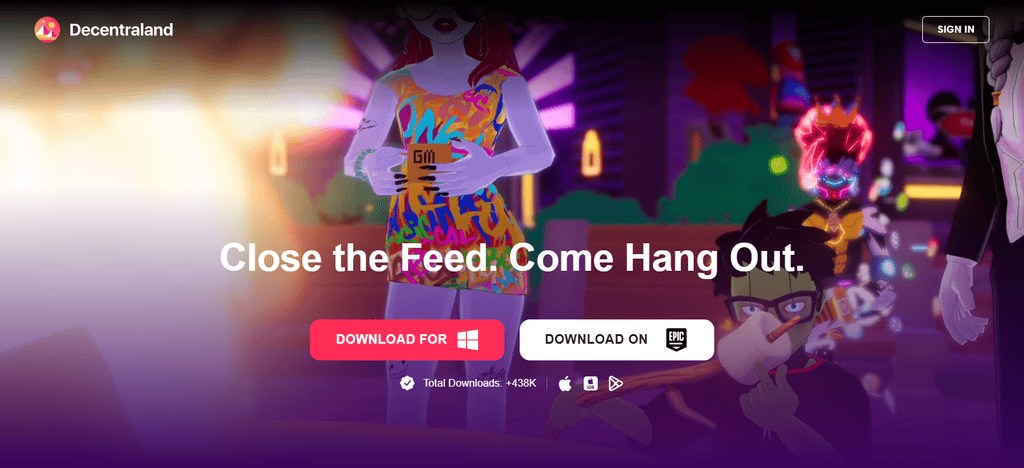
LAND and Estates are ERC-721 NFTs representing virtual property. The platform is governed by a DAO, meaning token holders can vote on how it’s developed. You can explore Decentraland for free, and most players don’t own LAND, but to buy property, wearables, or names you need MANA, and you may have to pay Ethereum gas fees.
Top use cases
- Gamers interested in exploring virtual worlds.
- Digital creators of interactive experiences.
- NFT collectors who want to own virtual land.
- People who are into social events and virtual communities.
- Entrepreneurs looking for business opportunities in the metaverse.
Restrictions
- Graphics and performance will vary per device.
- Virtual land ownership can cost you a lot.
- User activity and engagement may vary.
- technical skills may be required for interactive experiences
Conclusion
Play-to-Earn Web3 arcade games present a thrilling mix of gaming entertainment, blockchain technology, cryptocurrency rewards, and digital asset ownership. Axie Infinity: Origins, Pixels, Gods Unchained, Splinterlands and The Sandbox are just a few examples that offer a range of gameplay and earning opportunities.
But, choosing the right game will depend on how well it plays, its compatibility with blockchain, the usefulness of its tokens, the need for NFTs, its security, and the ways it allows you to earn.
Players should also consider if the game is free-to-play, has an active community and is being developed for the long term. Cryptocurrency rewards and the value of NFTs can fluctuate, so it’s best to focus on enjoying the game and consider any earnings as a potential bonus, not a guarantyd income.
FAQ
What Are Play-to-Earn Web3 Arcade Games?
Play-to-Earn Web3 arcade games are blockchain-based games that allow players to earn digital rewards through gameplay activities, competitions, missions, and achievements.
Can You Earn Real Money from Web3 Arcade Games?
Yes, some games offer tradable cryptocurrency tokens and NFTs that may have monetary value. However, earnings depend on reward availability, player performance, market demand, and withdrawal conditions.
Are Play-to-Earn Web3 Arcade Games Free to Play?
Some Web3 arcade games offer free-to-play access, while others require initial purchases, NFTs, or digital assets to unlock specific features and earning opportunities.
Which Are the Best Play-to-Earn Web3 Arcade Games in 2026?
Popular options include Axie Infinity: Origins, Pixels, Gods Unchained, Splinterlands, The Sandbox, Illuvium, Alien Worlds, Upland, Guild of Guardians, and Decentraland.
Do Web3 Arcade Games Require a Crypto Wallet?
Most blockchain-based games require a compatible cryptocurrency wallet to access digital assets, manage tokens, connect to blockchain features, and receive eligible rewards.