


As a Web3 company scales, it can become complex to manage crypto transactions, financial records and blockchain-based business operations. Cryptio provides digital asset accounting solutions, but it may not be the right fit for every business’s budget, integration needs, or reporting requirements.
That’s why it’s worth exploring the Best Cryptio Alternatives for Web3 Back-Office Books. This manual will walk you through 10 alternatives, comparing their key features, pricing considerations, pros and cons, and how to choose the right platform for your accounting needs.
How to Choose the Right Cryptio Alternative?
Assess Your Accounting Requirements Select software that suits your business needs such as crypto bookkeeping, transaction reconciliation, financial reporting, tax calculation, and digital asset management across multiple blockchain networks.
Validate Blockchain Integrations – Make sure the platform integrates with your wallets, exchanges, blockchain networks, and DeFi protocols so you can import transactions and reduce manual data entry and reconciliation errors.

Look at Pricing Plans: Check out subscription fees, transaction limits, setup fees and other charges. Choose a solution that is affordable now and will still be affordable as your business grows.
Review compliance capabilities. Check for audit trails, accurate financial records, tax reporting capabilities, and adherence to relevant accounting standards to ensure reliable documentation and regulatory compliance.
Evaluate Automation Capabilities: Opt for solutions that provide automatic transaction classification, reconciliation, cost-basis tracking, and financial reporting to minimize manual work and improve accounting efficiency.
Assess accounting integrations: Make sure the software you select integrates with your existing general ledger, ERP, and accounting platforms to keep your records in sync and simplify reporting across business functions.
Think Scalability: Choose a platform that can handle increasing transaction volumes, new entities and more blockchain operations without needing expensive software replacements or major workflow changes.
Test Usability and Support: Examine the interface, onboarding, documentation and availability of customer support. A user-friendly platform with responsive assistance helps teams solve accounting problems and maintain efficient workflows.
10 Best Cryptio Alternatives for Web3 Back-Office Books
1. Bitwave
Bitwave is a digital asset accounting platform for companies handling cryptocurrency, NFTs, treasury operations and Web3 transactions. This enables finance teams to automate bookkeeping, reconcile accounts, and generate reports, as well as to bridge blockchain activity to traditional accounting systems. The platform is often utilized by corporations, DAOs and enterprises requiring structured crypto financial management.
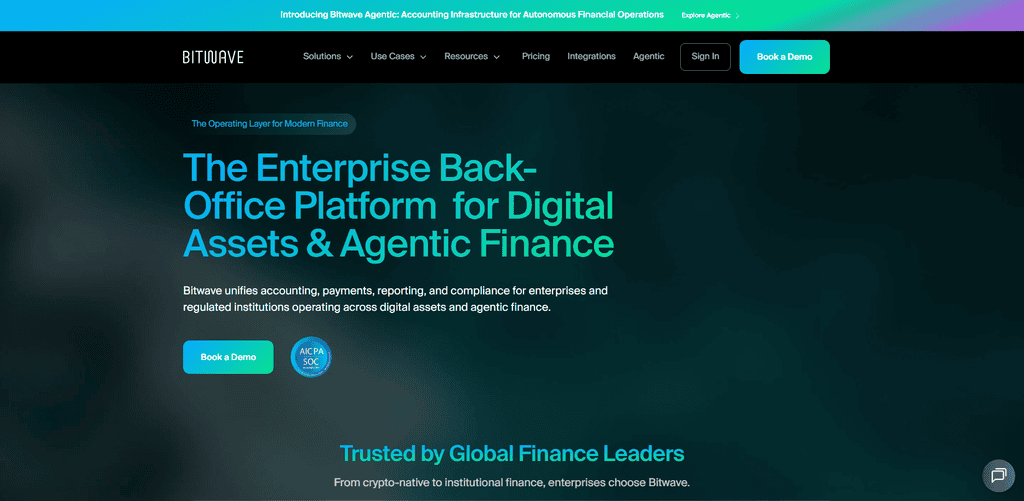
Bitwave doesn’t have fixed public plans, instead offering custom enterprise pricing. Designed mainly for corporations, finance departments and organizations that work with large amounts of digital information.
The platform supports accounting workflows based on IFRS and US GAAP and offers automated transaction classification and reconciliation capabilities to improve reporting accuracy. It also integrates with the major ERP and accounting systems which makes it a good fit for businesses that want to be audit ready with their financial records.
Benefits
- Automates crypto transaction reconciliation and accounting processes.
- Integrates with the leading ERP and accounting systems.
• Offers digital asset reporting and tax-lot tracking. - Enterprise financial controls and payment flows included.
Cons:
- Price: Not public.
Setting it up may need specialist accounting knowledge.
Its vast features can be daunting for smaller businesses - Not every advanced feature is included with every plan
2. Lukka.
Lukka is a crypto accounting and data management platform for asset managers, investment funds, custodians and financial institutions. Its services are designed to translate blockchain transaction data into a format that is suitable for accounting, reporting and operational analysis. The platform is highly popular with organizations that need professional digital asset reporting capabilities.
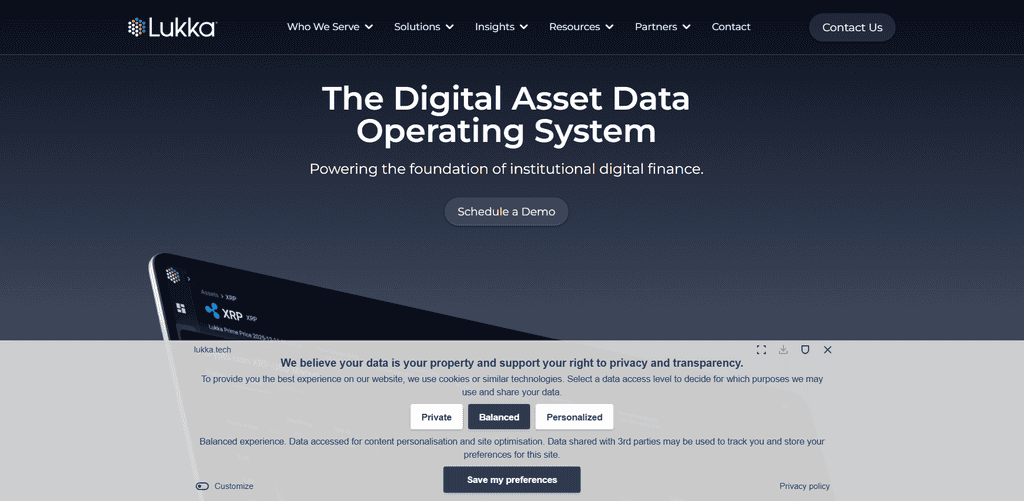
Lukka typically offers custom pricing for institutional clients. The main audience is hedge funds, exchanges, custodians and enterprises that need large-scale digital asset reporting.
The platform is IFRS and US GAAP compliant and focuses on normalized data management to guaranty financial accuracy. Its reconciliation and reporting capabilities aim to assist institutions in maintaining consistency across multiple entities and accounting environments.
Benefits
- Provides institutional grade digital asset data.
- Powers crypto accounting and tax reporting workflows.
- Provides financial institution data integrations.
- Enables transaction records to be structured for audits and reporting.
Cons
- Pricing is generally provided via custom quote.
- Too institutional-oriented for the individual investor.
- Implementation may require technical skills.
- Smaller companies don’t need all the bells and whistles
3. TaxBit
TaxBit is a crypto accounting and tax reporting platform that makes digital asset compliance and transaction management simple. The software provides automatic monitoring of cryptocurrency transactions across wallets and exchanges, and helps companies to structure accounting data for reporting purposes. The platform is frequently adopted by companies needing structured compliance workflows.
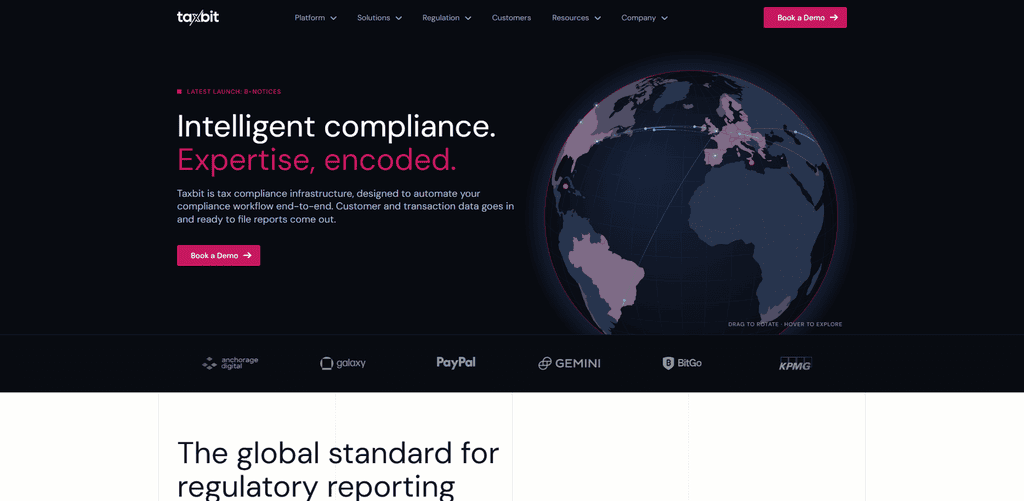
TaxBit generally provides enterprise-based pricing based on organizational requirements. Its audience: businesses, crypto platforms, financial institutions and compliance-focused organizations.
The platform is known for its support of accounting and reporting processes that are consistent with U.S. regulatory requirements. Finance teams also benefit from automated transaction aggregation and recordkeeping, improving reporting accuracy and reducing manual accounting.
Benefits
- Assists in digital asset tax calculations and tax reporting.
- Automates transaction reconciliation.
- Provides enterprise-level accounting and compliance workflows.
- Allows business to organize records for financial reporting.
Cons:
- It may be hard to compare enterprise pricing up front.
- Implementation may require technical resources.
- Some functions depend on the selected solution.
- Businesses must verify tax coverage in the appropriate jurisdiction
4. Cryptoworth
Cryptoworth is a crypto accounting platform designed for businesses that want to automate their bookkeeping and their digital property finances. It allows organizations to aggregate wallet, exchange, and blockchain transaction data in a single, centralized accounting environment. Founded in 2020, the startup is building the first crypto accounting platform for finance teams working in the Web3 space.

Cryptoworth follows the custom business pricing models usually based on company needs. It’s targeted at growing startups, Web3 companies, DAOs and finance teams. It provides reconciliation and reporting tools that improve accounting accuracy and operational efficiency. Integration capabilities enable organizations to tie blockchain activity to traditional accounting workflows and enable more trustworthy financial reporting processes.
Pros
- Automates the tracking of digital asset transactions.
- Supports crypto accounting and reconciliation workflows.
- Links blockchain activity to accounting systems.
- Organizes financial records for reporting.
Cons:
- Usually the pricing is by request from the provider.
- Complex DeFi activity might require more configuration.
• Suitability for integration will be different depending on the accounting system. - Companies should check whether their particular blockchain networks are supported.
5. TRES Finance
TRES Finance is a digital asset finance operating platform that supports multi-chain treasury management, accounting and reporting. It helps organizations aggregate information across wallets, exchanges, custodians and banking relationships into consolidated reporting systems. It’s known for serving institutions with complicated crypto operations.
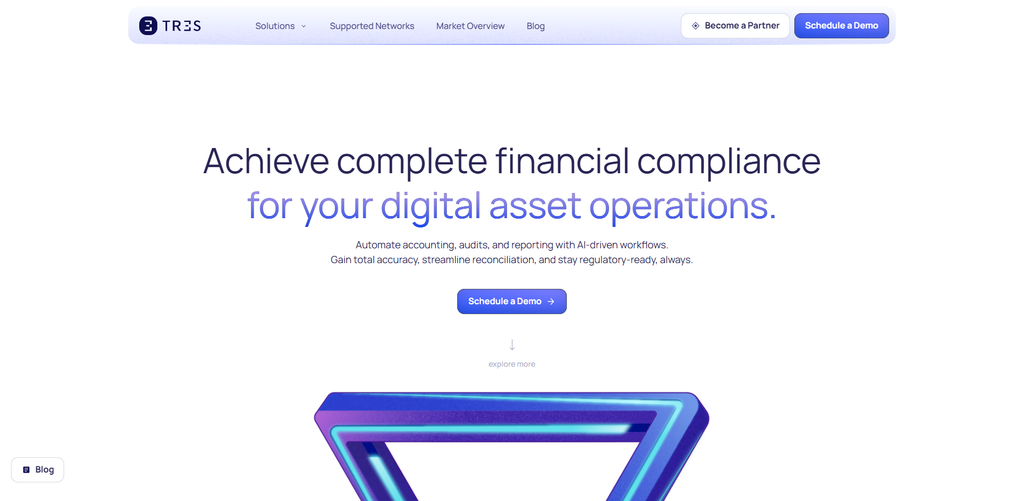
TRES Finance generally offers quote-based pricing customized for enterprise requirements. Target users are institutional investors, treasury managers, crypto-native businesses and large organizations with multiple digital asset accounts.
The platform emphasizes reconciliation, financial transparency and operational accuracy. It’s reporting features are meant to help organizations keep track of their finances in an orderly manner across multiple chains and entities.
Pros
- Aggregates blockchain transaction data
- Multi-chain crypto accounting workflows enabled.
Automates the reconciliation of transactions. - Emphasizes financial data quality and audit-ready reporting.
“Cons”
- The pricing is not usually available.
• If your accounting setup is complex, you might need implementation support. - Buyers will want to confirm that it integrates with their existing finance systems.
- Businesses need to verify current availability and product roadmap post-acquisition.
6. Ledgible
Ledgible is a cryptocurrency accounting and tax reporting platform for professional and business accounting environments. It assists users in gathering blockchain transaction data, maintaining financial records, and creating accounting reports. The platform is intended to simplify crypto bookkeeping and reporting for organizations that are engaged with digital assets of any kind.
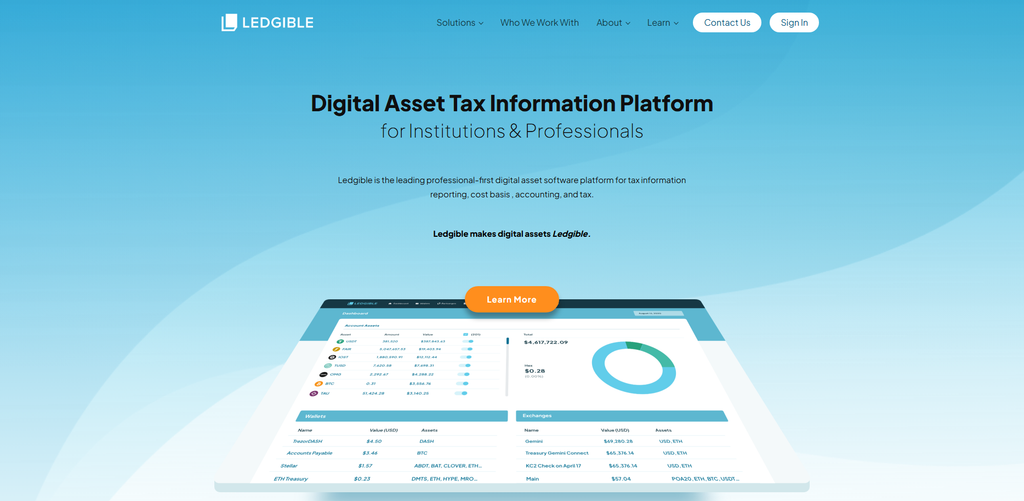
Ledgible uses quote-based pricing models that vary as per business requirements. It serves businesses, accounting firms, financial professionals and organizations managing digital asset portfolios.
The platform offers transaction reconciliation and reporting capabilities, designed to enhance financial accuracy and record management. The focus on structured accounting workflows helps organizations keep their crypto financial data organized and auditable.
Advantages
- Includes cryptocurrency tax reporting.
- Supports the workflows of accounting and tax professionals.
- Aids in organizing transaction data for tax calculation purposes.
- Offers solutions for professional and business accounting firms.
Cons
- Tax reporting features are not a substitute for a full accounting system.
- Manual review of complex blockchain activity.
- Some enterprise features are priced individually.
- Businesses should check compatibility with local tax regulations
7. Soft Ledger Finance
SoftLedger is a cloud-based accounting solution that combines conventional financial management features with digital asset accounting capabilities. It features basic accounting features like general ledger management, reporting, accounts payables and accounts receivables. It supports the financial operations related to cryptocurrencies.
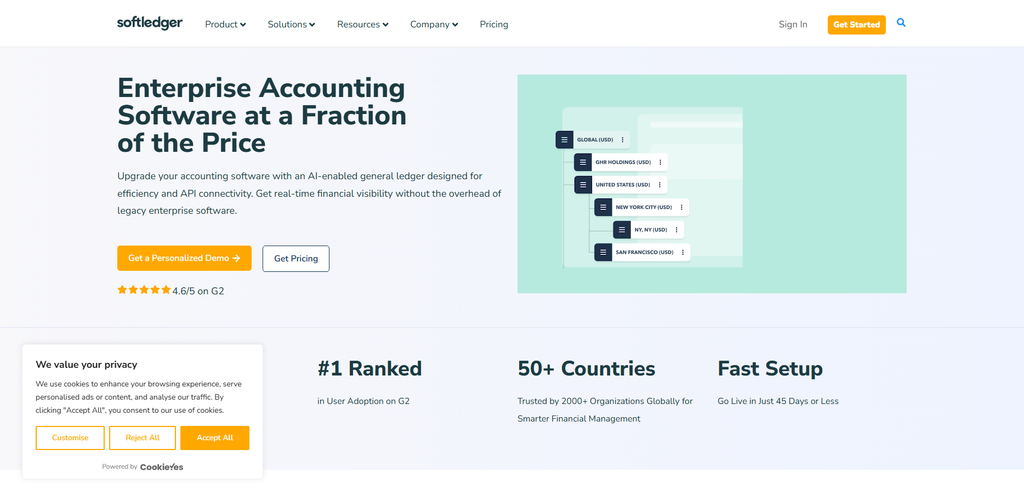
SoftLedger is priced on a per-business basis, and is typically used by organizations that need both traditional accounting and crypto accounting in one platform. Its target market is finance departments, startups and growing business.
The platform focuses on financial reporting, transaction management and operational accuracy. It merges crypto and traditional accounting workflows to help organizations keep consistent financial records and reporting standards.
Benefits
- Combines general ledger and digital asset accounting functions.
- Allows financial management across several entities.
- Provides tools for financial reporting and reconciliation.
- Helps gather accounting information from across business entities.
Cons
- Implementation may necessitate modifications to existing accounting workflows.
- Additional fees may be associated with digital asset features.
- For smaller businesses it might be overkill.
- The teams may require training on the advanced accounting functions
8. Breezing
Breezing is a crypto accounting sub ledger platform that links blockchain activity to traditional accounting systems. It helps businesses manage digital asset transactions, reconciliation processes and accounting workflows with automated integrations and financial reporting tools.
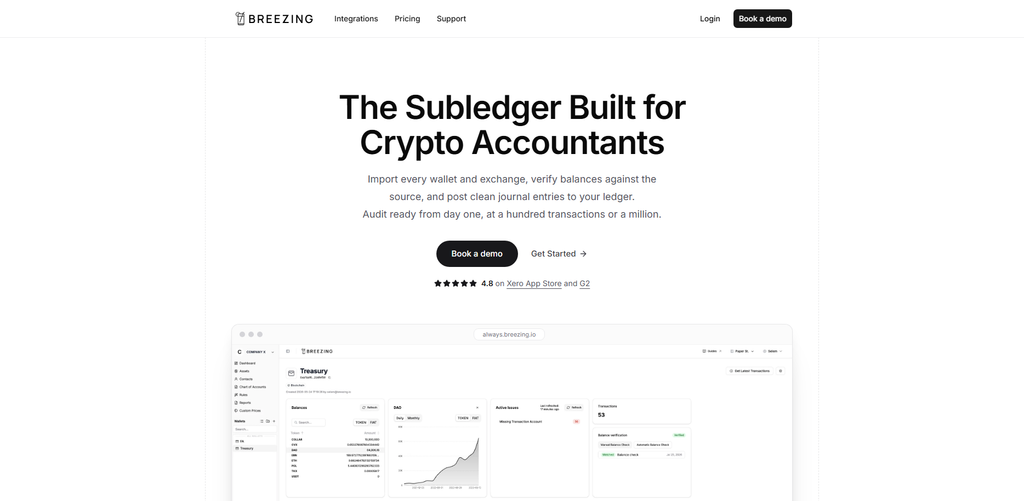
Breezing has subscription-based plans available for public consumption, but also works with larger organizations with expanded needs. It’s for small and medium-sized businesses, accounting firms and finance teams who deal with digital resources.
The platform offers automated transaction processing and reconciliation features that are designed to reduce manual effort and enhance bookkeeping accuracy. It offers integration features that simplify reporting in accounting setups.
Benefits
- transparent pricing options
- Supports automated reconciliations of crypto transactions.
- Links digital asset activity to accounting workflows
- Designed for businesses wanting to cut down on manual bookkeeping.
Cons
- Business requirements should be verified against blockchain coverage.
- Advanced enterprise integrations might be more restricted.
- Unusual transactions are subject to manual review.
- Review the reporting and compliance abilities of businesses prior to implementation
9. CoinTracking.
CoinTracking is a cryptocurrency portfolio tracking and accounting platform that aggregates transaction data from exchanges and wallets. It lets users monitor activities, keep organized records and produce detailed financial and performance reports. The platform is one of the preferred options for active cryptocurrency players that need to process many transactions.
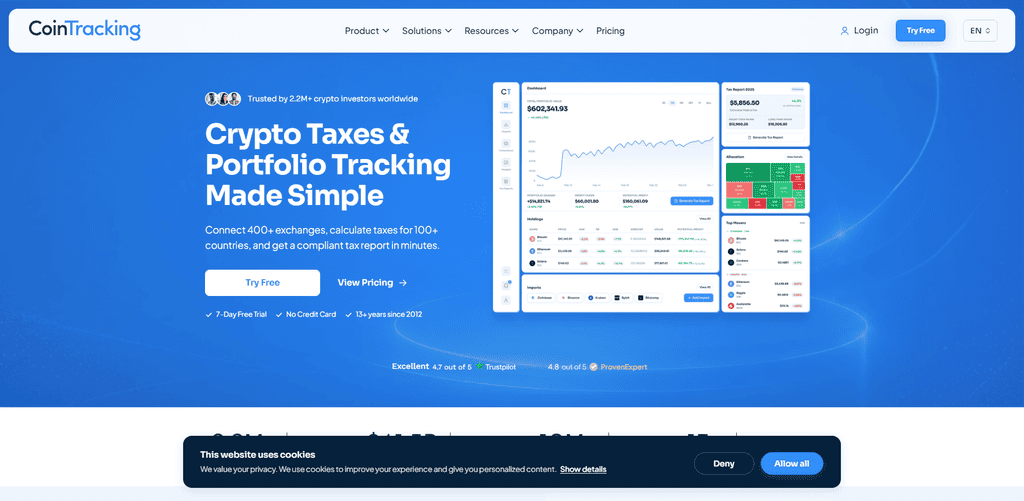
CoinTracking has free and paid subscription plans depending on features and the number of transactions you have. It is aimed at traders, investors, accountants and businesses who require tools for portfolio reporting.
The platform automates transaction tracking and record management, which helps to improve the accuracy of accounting. Reporting functionality allows users to keep organized records for financial analysis and compliance-related processes.
The Pros
- Monitors cryptocurrency portfolios across several accounts.
- Imports transactions from supported exchanges and wallets.
- Provides crypto tax reports.
- Provides portfolio analysis and transaction history tools.
Cons
- Paid plans are required for advanced features.
“Data imported may need manual corrections. - Complex DeFi transactions may require additional review.
- Not as suitable for businesses that need full enterprise bookkeeping.
10. Koinly
Koinly is a crypto accounting and transaction tracking platform that aggregates digital asset activity from multiple wallets, exchanges and blockchains. The platform is designed to make it easier to keep records and report by automating data collection and transaction organization processes.
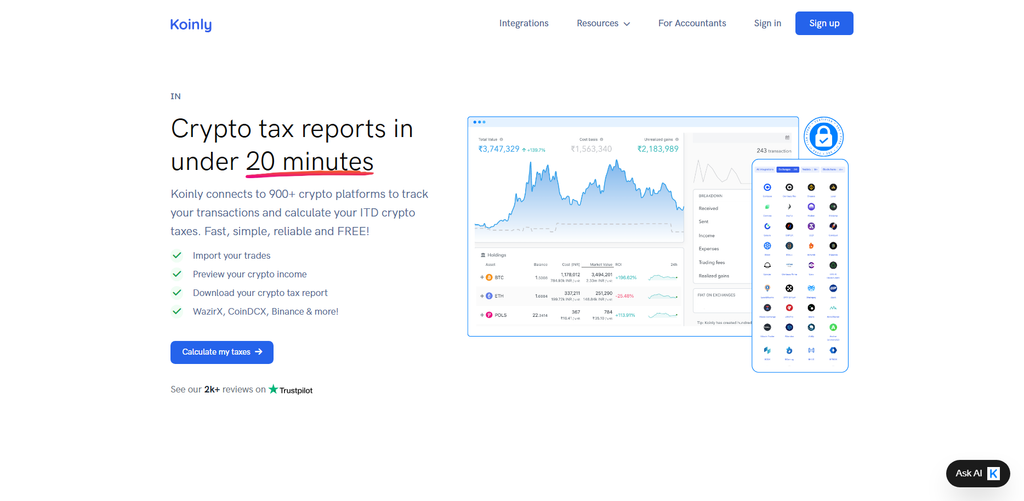
Koinly offers a tiered set of pricing plans ranging from basic to premium reporting packages. The target audience for the service is individual investors, small businesses, accountants and organizations holding cryptocurrency.
The platform can track transactions, calculate cost-basis, and export accounting data. Automated reconciliation features help enhance reporting accuracy and deliver structured financial records to users that are appropriate for their ongoing accounting and compliance needs.
Benefits
- Offers a user-friendly user interface for crypto tax reporting.
- Imports transactions from supported exchanges and wallets.
- Matches transfers between wallets to minimize duplicate records.
- Computes capital gains and losses for supported jurisdictions.
Cons
- Paid Tax Reports require a qualifying subscription.
- Missing transaction data can affect the accuracy of the calculation.
- Manual categorization of complex DeFi activity may be needed.
It’s mainly set up for tax reporting, not for complete business accounting.
Cryptio vs. Its Alternatives: What Matters Most?
| Comparison Factor | Cryptio | Its Alternatives |
|---|---|---|
| Accounting Automation | Focuses on automating digital asset accounting and reconciliation. | Automation capabilities vary by platform and business requirements. |
| Blockchain Integrations | Connects supported blockchain transaction data with accounting workflows. | Support for networks, wallets, and exchanges differs across providers. |
| Financial Reporting | Helps organize crypto transactions for financial reporting and accounting. | Some platforms emphasize enterprise reporting, while others focus on tax reports. |
| Tax Management | Supports accounting workflows involving digital asset tax data. | TaxBit, Ledgible, CoinTracking, and Koinly emphasize tax-related capabilities. |
| Enterprise Features | Designed for businesses needing structured digital asset accounting. | Bitwave, Lukka, and SoftLedger offer capabilities suited to different institutional needs. |
| Pricing | Pricing depends on business requirements and selected services. | Pricing models range from individual subscription plans to customized enterprise quotes. |
| Compliance and Auditing | Helps maintain organized financial records and accounting documentation. | Audit trails, reporting standards, and compliance features vary by provider. |
| Best-Fit Users | Web3 companies and finance teams managing digital assets. | Alternatives serve different needs, including enterprise accounting, tax reporting, and portfolio tracking. |
| Scalability | Suitable configurations depend on transaction volume and organizational complexity. | Some alternatives emphasize multi-entity accounting, while others suit individual investors. |
| Selection Priority | Evaluate integrations, reporting needs, and accounting workflows. | Compare automation, cost, supported assets, usability, and required financial controls. |
Conclusion
The best Cryptio alternative for you will depend on your business size, accounting needs, and digital asset operations. Bitwave, Lukka, TaxBit, Cryptoworth, TRES Finance, Ledgible, SoftLedger, Breezing, CoinTracking and Koinly all offer different capabilities in accounting automation, transaction reconciliation, tax reporting and financial management.
For large enterprises, consider blockchain integrations, audit trails, scalability, and general ledger compatibility. For smaller teams, affordability and usability could be key.
Before choosing a platform, compare pricing, supported networks, reporting features and compliance requirements. The best solution is one that makes bookkeeping easier, improves your financial accuracy, and helps you grow your long-term Web3 business.
FAQ
What are the best Cryptio alternatives for Web3 accounting?
Some leading alternatives include Bitwave, Lukka, TaxBit, Cryptoworth, TRES Finance, Ledgible, and SoftLedger. CoinTracking and Koinly are also options for cryptocurrency portfolio tracking and tax reporting.
Why should businesses consider Cryptio alternatives?
Businesses may explore alternatives to find better pricing, broader blockchain integrations, automated reconciliation, specialized tax reporting, or accounting features that better match their operational requirements.
Which Cryptio alternative is best for enterprise crypto accounting?
Bitwave and SoftLedger are worth evaluating for enterprise accounting workflows. Lukka may also suit institutional digital asset data and reporting needs. The right choice depends on integrations and reporting requirements.
Which Cryptio alternatives are best for crypto tax reporting?
TaxBit, Ledgible, CoinTracking, and Koinly offer cryptocurrency tax-related capabilities. Businesses should compare supported jurisdictions, transaction limits, reporting formats, and professional accounting requirements.
Are Cryptio alternatives suitable for Web3 startups?
Yes. Web3 startups can evaluate platforms such as Cryptoworth, Bitwave, and other alternatives based on transaction volume, budget, wallet integrations, and financial reporting needs.