
The Best Crypto Payment Reconciliation Software will be covered in this post, along with how it aids companies in effectively managing and monitoring bitcoin transactions.
These technologies guarantee accurate reporting, offer real-time updates, and simplify the process of reconciling payments with accounting records. For businesses managing digital assets, using the appropriate software streamlines compliance, improves financial transparency, and saves time.
Why Use Crypto Payment Reconciliation Software
Automated Cryptocurrency Reconciliation: Crypto reconciliation software matches blockchain payments with accounting records automatically to save time and eliminate manual errors.
Instant Updates: It offers live financial records by tracking transactions in wallets and exchanges in real time.
Increased Precision: Automated reconciliation ensures fewer errors to be made in the financial reports of the logs, allowing the created reports to be free of faults.
Inbuilt Compliance and Risk Mitigation: Many crypto payment reconciliation software have in-built AML, KYT, and other compliance frameworks monitoring of high-risk or suspicious transactions.
Multi-Chain and DeFi: Crypto reconciliation software today are able to successfully track transactions in multiple blockchains, DeFi, and NFT protocols.
Integration with Existing ERPs: It offers simplified sync to the current accounting or ERP software, allowing for less manual entry of book-keeping processes.
Reporting for Audits: It creates processed and organized reports that are audit-ready and, as such, able to ease the burden in tax and compliance filings.
Flexible for Different Sizes of Enterprises: It can support a variety of different account and wallet structures, and handle a lot of transactions. This is the main reason why crypto reconciliation software have gained a lot of popularity with enterprises, startups, and crypto funds.
Time and Cost Savings: With decreased errors and automated reconciliation, companies save labor costs and improve efficiency of accounting.
Key Point & Best Crypto Payment Reconciliation Software
| Platform | Key Point |
|---|---|
| TRES Finance | Real-time crypto reconciliation with ERP-ready financial reporting |
| Breezing | Automated crypto accounting and tax-ready transaction classification |
| Chainalysis KYT + Reconciliation | Real-time AML risk monitoring with transaction reconciliation |
| Elliptic | Blockchain analytics for sanctions screening and wallet risk scoring |
| CoinTracker | Simple crypto portfolio and tax tracking across wallets |
| Lukka | Enterprise-grade crypto accounting compliant with GAAP/IFRS |
| Bitwave | Automated digital asset bookkeeping with ERP integrations |
| Cryptio | On-chain data normalization and audit-ready crypto reporting |
| SoftLedger | API-driven accounting platform supporting crypto transactions |
| Gilded | Crypto-native accounting for payments, payroll, and expenses |
1. TRES Finance
As a leading software solution in crypto payment reconciliation, TRES Finance provides real-time on-chain tracking, as well as ERP accounting on the go.
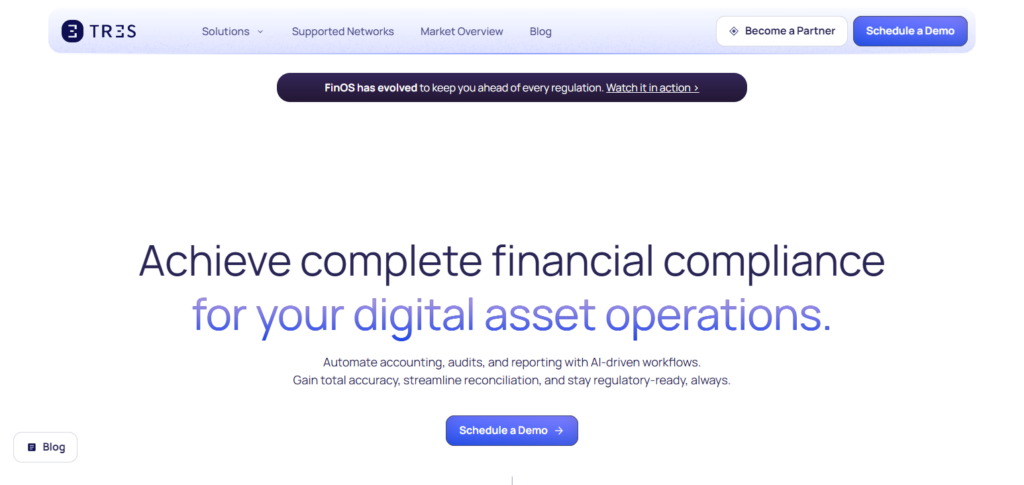
Organizations can reconcile blockchain transactions with financial records and accurate reporting across numerous wallets and exchanges. TRES Finance’s most impressive feature is the integration with enterprise systems, such as NetSuite’s support for multi-entity and multi-currency operations.
For companies in crypto reconciliation, TRES Finance provides reporting and the ability to update ledgers and analytics in real-time. Thanks to the advanced reconciliation engine, TRES Finance is one of the leading crypto payment reconciliation software solutions for institutional investors and exchanges.
TRES Finance Features, Pros & Cons
Features
- Real-time crypto payment reconciliation tracking.
- Matching crypto transactions via wallets and exchanges.
- NetSuite, Xero, and Quickbooks-integrated ERP/accounting systems.
- Supports DeFi, staking, and multi-chain assets.
- Compliance with audit reporting and controls.
Pros
- Reconciliation issues were resolved with automated systems.
- Blockchain coverage is diverse.
- A robust compliance audit trail provides protection.
- Reporting is enterprise-level.
- Significant improvement in accounting.
Cons
- Cost is unclear.
- Aimed at larger enterprises.
- Complex has a high chance of expert help.
- Advanced features are complex and take time to master.
- Documentation is limited.
2. Breezing
Breezing is a crypto accounting and reconciliation technology that streamlines the tracking of company finances for businesses with digital assets. It automatically classifies blockchain transactions, including DeFi and NFT transactions, and produces reports that are properly formatted for tax submissions.

Breezing’s reconciliation functionality confirms that payments and deposits across a range of wallets are properly accounted for within company books to mitigate manual input errors.
Its built-in real-time reporting and sync self-service functionality result in the software being ideal for most crypto-focused companies, particularly in the small to mid-size range. This software is one of the best crypto payment reconciliation solutions on the market, built for companies that value speed, accuracy, and compliance.
Breezing Features, Pros & Cons
Features
- Sync transactions automatically from wallets and exchanges.
- Automatic transaction groupings.
- Accounting systems journals are generated automatically.
- Transaction spam filters.
- Supports DeFi and popular crypto assets.
Pros
- A straightforward and simple software solution.
- Efficiency is affected positively due to automation.
- Works well for small and medium enterprises.
- Errors made while manual reconciliation are reduced.
- Support for many wallets and exchanges is numerous.
Cons
- Compliance features are lacking.
- Advanced data is limited.
- Less enterprise capability for large corporates.
- Coverage of chains is not as deep.
- Less robust audit trail.
3. Chainalysis KYT + Reconciliation
Chainalysis KYT (Know Your Transaction) integrated with reconciliation functions offers seamless blockchain transactions compliance monitoring and risk assessment in real-time. It empowers companies to flag payments that are considered suspicious or of high-risk, and automatically reconciles them into the financial systems of the organization.
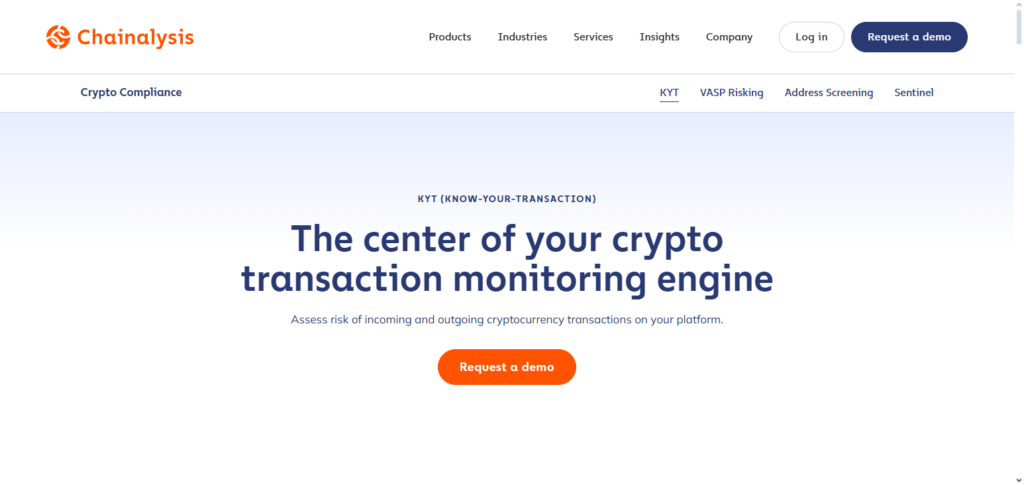
This combined service fulfills the dual requirements for AML compliance and correct bookkeeping. The functionality of the platform is broad and also accommodates a variety of digital assets, making reconciliation across different exchanges and wallets a frictionless process.
Chainalysis KYT + Reconciliation integrated compliance monitoring feature and its functionality are the main reasons why it is one of the best solutions for crypto firms and VASPs in need of a comprehensive solution for high-risk transactions.
Chainalysis KYT + Reconciliation Features, Pros & Cons
Features
- LoT monitoring of transactions.
- Adherence to AML/KYT risk assessment.
- Sanctioning and screening of wallets.
- Reconciliation.
- Dashboard of blockchain analysis.
Pros
- Detection of compliance risk is of high.
- Analysis of the blockchain is thorough.
- Assists in the mitigation of fraud and other suspicious activities.
- Popular among exchanges and governmental institutions.
- Risk alerts are notified by automated systems.
Cons
- Costs are high for the smaller businesses.
- More onboarding support is needed.
- More of a focus on risk than on pure accounting.
- Complexity of the interface.
- Integration can require support on the developing side.
4. Elliptic
Reconciling crypto payments with financial records is one of the many services Elliptic offers. While Elliptic is mainly known for blockchain analytics and AML compliance, its reconciliation features help businesses track the movement of multiple blockchain-based payments and records.
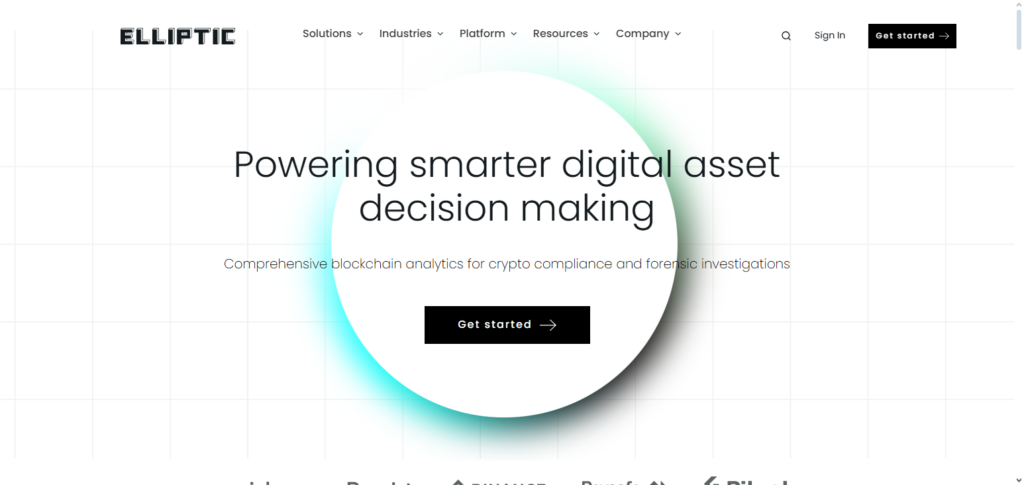
Elliptic enables businesses to track the movement of funds across multiple blockchain networks in a transparent and compliant manner and helps businesses track the flow of funds to compliant wallets. Elliptic is best crypto reconciliation software for enterprises who need combined payment reconciliation with risk management.
Elliptic Features, Pros & Cons
Features
- The blockchain is assessed for risk.
- Risk assessment of wallets and transactions.
- Screening for sanctions.
- Configurable alerts.
- Visual tracing of transactions.
Pros
- Targeted for risk and compliance teams.
- Covers a wide range of chains and digital assets.
- Forensic tools are strong.
- Assistance in meeting compliance and regulatory standards.
- Monitoring is done in real-time.
Cons
- Accounting focus is lacking.
- Primarily not intended for reconciliation.
- Consultations are needed for pricing and setup.
- Intended for risk teams more than for accountants.
- Journal automation is not deep.
5. CoinTracker
CoinTracker is a portable management tool for crypto portfolios that is able to simplify payment reconciliation and tax tracking simultaneously. It also automatically downloads transactions for deposits, withdrawals and trades.

CoinTracker also evaluates capital gains and provides fully operational reports for auditing in terms of its record-keeping. The reconciliation process is simplified for businesses, even those with multiple wallets, due to the automated features and the ease with which the reports are presented.
The margin for small businesses and individual investors in the crypto space is, in terms of ease of use and real time financial reporting, CoinTracker is one of the best for payment reconciliation in crypto space.
CoinTracker Features, Pros & Cons
Features
- Wallets and exchanges can be auto-imported.
- Automation is used for scanning transactions.
- Reports generated are tax-ready and capture gains/losses.
- Support is available for NFTs and DeFi.
- Dashboard catalog and manage a portfolio.
Pros
- Individuals and SMBs can benefit from this.
- Provides adequate tax reporting functionality.
- Strong asset range.
- The automated reconciliation process minimizes mistakes.
- Numerous self-service guides available.
Cons
- Overall analytics not enterprise level.
- Free tier is too restricted.
- Chain coverage might trail behind new networks.
- Compliance features are not heavily detailed.
- Integrations accounting functions are rudimentary.
6. Lukka
Lukka is a crypto accounting and reconciliation platform with a focus on enterprise-grade compliance and reporting. Lukka is the only platform that is compliant and supports special reconciliations with both GAAP and IFRS, making reconciliations of crypto payments into financial systems seamless and audit-ready.

Additionally, Lukka’s automation of reporting and updating ledgers with valuations and transactions across wallets, exchanges, and blockchains increases the efficiency and accuracy of reporting. For hedge funds, asset managers, and crypto enterprises that require seamless reporting from highly compliant payment reconciliations, Lukka is deemed one of the best for crypto payment reconciliations.
Lukka Features, Pros & Cons
Features
- Enterprise-grade crypto reconciliation.
- Automated data ingestion.
- Reporting compliant with GAAP/IFRS.
- Control and traceability for quality data.
- Linkage with custodians and cryptocurrency exchanges.
Pros
- Ideal for institutional-level accounting.
- Compliance is done thoroughly.
- Workflows for data are ready for audits.
- Suitable for asset and fund managers.
- High-level exchange access.
Cons
- Provisions for DeFi/staking are slim.
- Possessing accounting knowledge is required.
- Pricing is structured for larger businesses.
- Novice users may find it challenging.
- The rate of rolling out new functions is low.
7. Bitwave
Bitwave is an all-in-one solution for digital asset accounting and payment reconciliations including tax compliance. Bitwave provides automation of categorization of transactions for reconciliations between wallets and exchanges. Integration into enterprise resource planning and accounting systems is seamless.

Bitwave can process transactions in both the decentralized and centralized finance ecosystems and provides real time updates on balances in financial ledgers. By removing the need for a separate reconciled audit trail, Bitwave eliminates the significant manual effort for audit compliance.
By assimilating bookkeeping and compliance with digital asset transactional activity, Bitwave ranks as one of the best in the crypto payment reconciliation software area for businesses with significant transactional volume in digital assets.
Bitwave Features, Pros & Cons
Features
- Multi-chain automated reconciliation.
- Integration with ERP’s like NetSuite, QuickBooks, and Xero.
- Reporting compliant with GAAP/IFRS.
- Detection of internal transfers and stablecoins.
- Security measures for traceability and audits.
Pros
- Enterprise features are substantial.
- Blockchain reconciliation is very advanced.
- Audit automation is done very well.
- Helps reduce errors with data.
- Support and documentation are great.
Cons
- Pricing is for enterprises.
- Small teams may have a hard time streamlining.
- Some issues might require a manual review still.
- Requires training for advanced features.
- Integrations may need developers.
8. Cryptio
As a company that focuses on on-chain data normalization and real-time crypto payment reconciliation, Cryptio connects to a variety of wallets, exchanges, and blockchain networks. They automatically sync transactions with accounting systems. Their platform makes certain that every payment, deposit, and transfer is accurately positioned to company ledgers, resulting in maintaining correct financial information and an audit-ready report.

Cryptio is great for funds and custodians, because of the support for DeFi, NFTs, and complicated treasury operations. With real-time reconciliation and transparent reporting, Cryptio is one of the best crypto payment reconciliation software for businesses that need precision and financial oversight.
Cryptio Features, Pros & Cons
Features
- Audit‑ready reconciliation
- Exchange/custodian integrations
- GAAP/IFRS compliance
- Multi‑asset support
- Reporting dashboards
Pros
- Good enterprise reconciliation
- Strong audit controls
- Reduces manual workload
- Reliable data quality
- Useful for funds and institutions
Cons
- Less DeFi coverage
- Setup requires accounting knowledge
- Limited public pricing
- Not ideal for small teams
- Features require configuration
9. SoftLedger
The accounting platform SoftLedger is cloud-based, API-first, supports multi-entity accounting, and crypto payment reconciliation.
SoftLedger allows businesses to automate the function of transaction tracking across wallets and exchanges, and log entries and reconciliation in real time.

SoftLedger provides reporting, audit trails, and integration with other ERP systems, which is great for enterprises with complicated financial structures to manage. It’s API-led interface allows to seamless connection with crypto exchanges and wallets.
SoftLedger is one of the best crypto payment reconciliation software available, especially for SaaS companies, crypto-enabled businesses, or enterprises that need reliable reconciliation software.
SoftLedger Features, Pros & Cons
Features
- Cloud accounting + crypto support
- Real‑time auto‑reconciliation
- Multi‑entity consolidation
- API‑first integrations
- Detailed financial reporting
Pros
- Real‑time insights
- Strong API automation
- Good for multi‑entity firms
- Cloud‑native, scalable
- Easy GL/ERP sync
Cons
- Crypto features not as deep as specialists
- Some manual categorization may be needed
- Learning curve for full use
- Less AML focus
- Lower advanced analytics
10. Gilded
Gilded specializes in crypto-native accounting, payments, and treasury management. Gilded automates crypto invoicing, payroll, and expense management while streamlining payment reconciliations across wallets and exchanges. Gilded keeps crypto transactions in order with real-time ledger updates, audit-ready reporting, and ERP integrations.
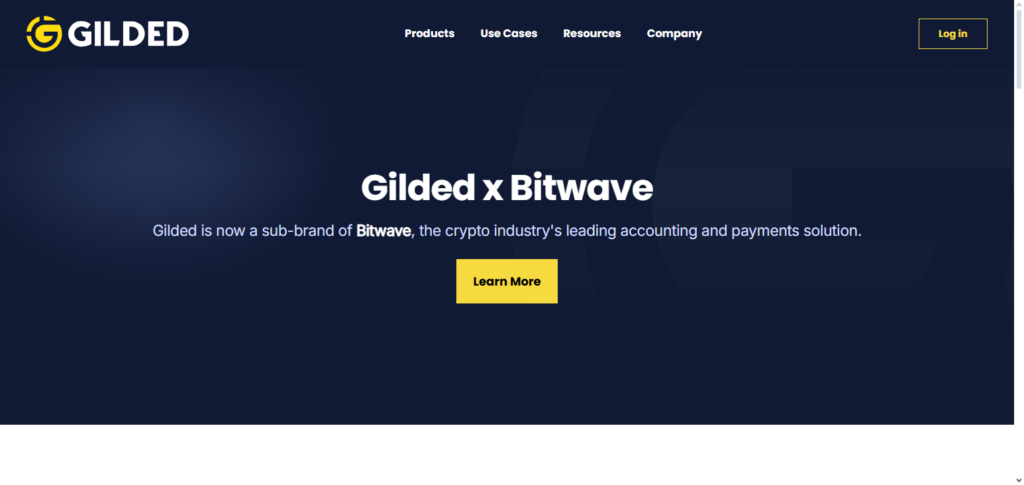
Gilded serves remote teams, DAOs, and Web3 startups making reconciliation and reporting simple and scalable. With crypto accounts, accounting automation, and reporting all in one place, Gileded is one of the best crypto payment reconciliation software for businesses seeking transparency and efficiency.
Gilded Features, Pros & Cons
Features
- Crypto payment automation
- Invoicing & payroll reconciliation
- QuickBooks/Xero/NetSuite sync
- Crypto reporting
- Audit trails
Pros
- Good for operational teams
- Integrates with major accounting platforms
- Supports crypto payroll workflows
- Saves time on payments
- Simple interface
Cons
- Not explicitly reconciliation first.
- Fewer advanced enterprise capabilities.
- Lacks in compliance depth.
- Less coverage of DeFi.
- Full accounting requires additional add-ons.
Conclusion
For companies, exchanges, and funds handling digital assets, choosing the appropriate cryptocurrency payment reconciliation software is crucial.
Comprehensive solutions to automate transaction tracking, reconcile payments across wallets and exchanges, and produce audit-ready financial records are offered by platforms such as TRES Finance, Breezing, Chainalysis KYT + Reconciliation, Elliptic, CoinTracker, Lukka, Bitwave, Cryptio, SoftLedger, and Gilded.
Some excel in enterprise-grade accounting and compliance, while others prioritize tax reporting and user-friendliness.
All things considered, the finest crypto reconciliation software ensures transparency, efficiency, and regulatory compliance in managing cryptocurrency payments by combining accuracy, real-time updates, smooth connections, and robust reporting.
FAQ
What is crypto payment reconciliation software?
Crypto payment reconciliation software automatically matches blockchain transactions (payments, deposits, transfers) with a company’s financial records. It ensures accuracy in books, reduces manual errors, and provides audit‑ready reporting for accounting and compliance.
Why do businesses need crypto reconciliation software?
As crypto transactions occur across multiple wallets, exchanges, and chains, manual reconciliation is time‑consuming and error‑prone. Reconciliation software automates tracking, ensures accurate reporting, supports compliance, and simplifies tax preparation.
Is reconciliation software the same as crypto tax software?
Not exactly. Tax software focuses on calculating gains/losses for tax filings, while reconciliation software ensures financial records align with actual blockchain payments, often including accounting, reporting, and audit features.
Which software is best for enterprise crypto reconciliation?
Platforms like TRES Finance, Lukka, Bitwave, Cryptio, and SoftLedger provide enterprise‑grade features, including ERP integrations, multi‑entity reporting, and compliance workflows.