


I will examine the Stable Emerging Market Currencies for 2026 Gains and their impact on global portfolio diversification. With regard to risk and return, some emerging currencies have proven resilient, have a robust economic foundation and strong growth potential.
Given the right frameworks, investors can manage the uncertainty of the time and optimize their investments in the wide range of fast-growing economies across the world.
What is Stable Emerging Market Currencies?
Emerging market currencies are classified as stable if their levels of currency volatility are significantly lower than their competitors because of economic fundamentals, sound monetary policy, and sufficient foreign reserves. Growth and inflation are consistently controlled, and political environments are stable.
Although they are riskier than developed market currencies, they are perceived by investors as providing a good risk-reward opportunity to invest, as they are less volatile and provide a higher expected return compared to developed market currencies.

Key Point & Stable Emerging Market Currencies for 2026 Gains
| Currency | Key Points |
|---|---|
| Chinese Yuan (CNY) | Strong government control; growing global trade use; relatively stable vs peers; influenced by policy shifts; rising role in reserves |
| South African Rand (ZAR) | High liquidity in Africa; commodity-driven; volatile but offers high yield; sensitive to global risk sentiment; strong carry trade appeal |
| Turkish Lira (TRY) | Highly volatile; impacted by inflation; policy uncertainty; potential high returns; sensitive to political and economic changes |
| Indonesian Rupiah (IDR) | Stable growth economy; supported by commodities; managed by central bank; moderate volatility; attractive for long-term investors |
| Thai Baht (THB) | Tourism-driven strength; relatively stable; strong foreign reserves; sensitive to global demand; low inflation support |
| Philippine Peso (PHP) | Remittance-backed stability; steady economic growth; moderate volatility; resilient domestic demand; central bank support |
| Colombian Peso (COP) | Oil-dependent currency; high yield potential; volatile; sensitive to commodity prices; influenced by political changes |
| Chilean Peso (CLP) | Copper-driven economy; cyclical performance; exposed to global demand; moderate volatility; strong fiscal framework |
| Mexican Peso (MXN) | Highly liquid EM currency; strong trade ties with US; attractive carry trade; relatively stable; reacts to US economic trends |
| Brazilian Real (BRL) | Commodity-linked; high interest rates; volatile but rewarding; influenced by fiscal policy; strong carry trade opportunities |
1. Chinese Yuan (CNY)
The Chinese Yuan (CNY) is regarded as one of the most heavily managed emerging market currencies and is an impacted by the People’s Bank of China strong control of the commercial bank system and their large export economy.
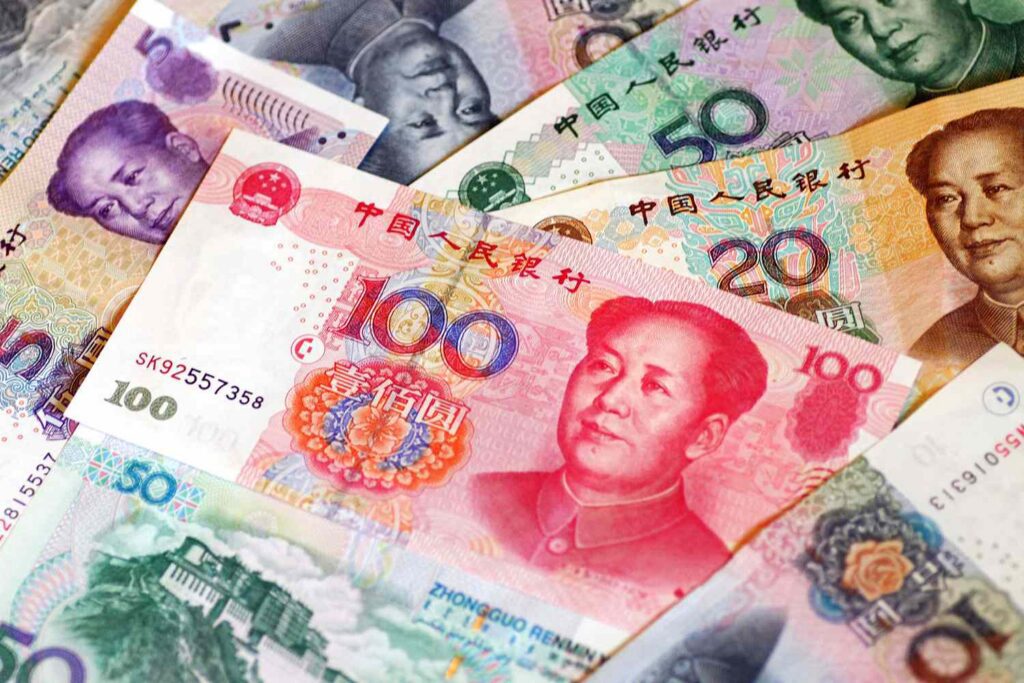
China’s considerable foreign exchange reserves and increasing position in global trade settlements provides the use of CNY in cross border transactions.
CNY is not entirely freely convertible, yet it is used more in cross border transactions and as part of central bank reserve currencies. In the global portfolio strategy, CNY is included in Stable Emerging Market Currencies for 2026 Gains for its strong position, policy underpinning, gradual openness, and resilient reason to include it as part of diversification.
Chinese Yuan (CNY) Features, Pros & Cons
Features
- Managed floating exchange rate
- Central bank controls are significant
- The global trade currency is increasing
- Large foreign exchange reserves
- Growing cross-border payment currency
Pros
- With other EM currencies, it is more stable
- A strong economy supports it
- Reserve currency status increasing
- Volatility is lower
- Exports support it strongly
Cons
- It’s not freely convertible
- There is a lot of governmental intervention
- There is a lack of transparency
- Capital controls are limiting
- Geopolitical tensions are sensitive
2. South African Rand (ZAR)
The South African Rand (ZAR) is regarded as one of the most liquid and most traded currencies in Africa. It usually mirrors the global appetite for risk and the prices of certain commodities, particularly gold and platinum.
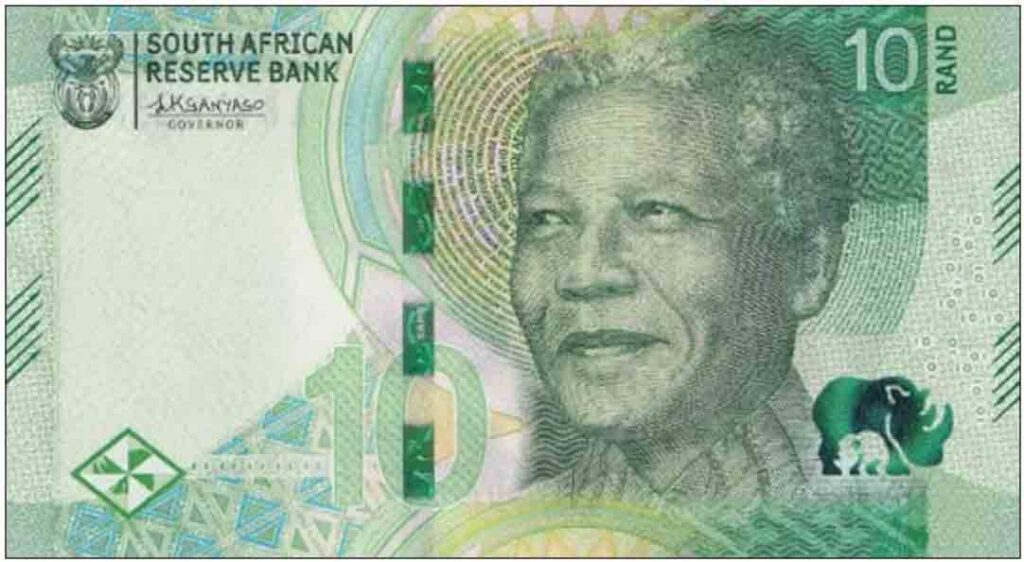
It is typically known for exhibiting a large amount of price volality. The price of gold and platinum usually attracts a large amount of carry trade investors. The rand is particularly sensitive to domestic issues such as supply issues of power and political instability.
Nevertheless, its deep financial markets offer the most accessibility for investors. The Emerging Markets for 2026 Gains will include ZAR for its overall return possibilities Thanks to the global commodities cycle, the overall return offers of ZAR will provide the strategy with a positive outcome at the onset of the global commodity cycles.
South African Rand (ZAR) Features, Pros & Cons
Features
- There is a free floating currency
- It is commodity-linked (gold, platinum)
- There is high liquidity in Africa
- It is sensitive to global risk sentiment
- It is active in carry trades
Pros
- There is high yield potential
- There is a high volume in trading
- It is accessible to investors globally
- It benefits from commodity booms
- It is attractive for short-term gains
Cons
- It is highly volatile
- There are risks of political uncertainty
- There are issues with power and infrastructure
- It is sensitive to inflation
- It is dependent on global sentiment
3. Turkish Lira (TRY)
Unconventional monetary policies, high inflation, and geostrategic pressures have resulted in extreme volatility for the Turkish Lira (TRY). However, due to extreme fluctuations in price, it also presents opportunities for short-term trading.
Attempts to fight inflation and changes in interest rates (due to central bank policy changes) influence pricing. If economic structural changes occur, the Turkish Lira may have a more positive long-term outlook.
The TRY may be included for speculative purposes in the Emerging Market Currencies for 2026 Gains. However, it remains a risky asset. Proper preparation, including timing for risk management, is required to diversify the asset appropriately.
Turkish Lira (TRY) Features, Pros & Cons
Features
- Free floating but policy driven
- It is a high inflation environment
- There is strong domestic usage
- There are frequent interventions by the central bank
- It is sensitive to geopolitical considerations
Pros
- There are high short-term trading opportunities
- There is potential for rapid gains
- It is attractive for speculative trades
- There is a large domestic economy
- Interest rates are high
Cons
- There is extreme volatility
- Inflation persists
- There is policy unpredictability
- There is a depreciating trend of the currency
- There is a lack of confidence by investors
4. Indonesian Rupiah (IDR)
The Indonesian Rupiah (IDR) is backed by a steadily growing economy, increasing domestic demand, and natural resources such as coal and palm oil.
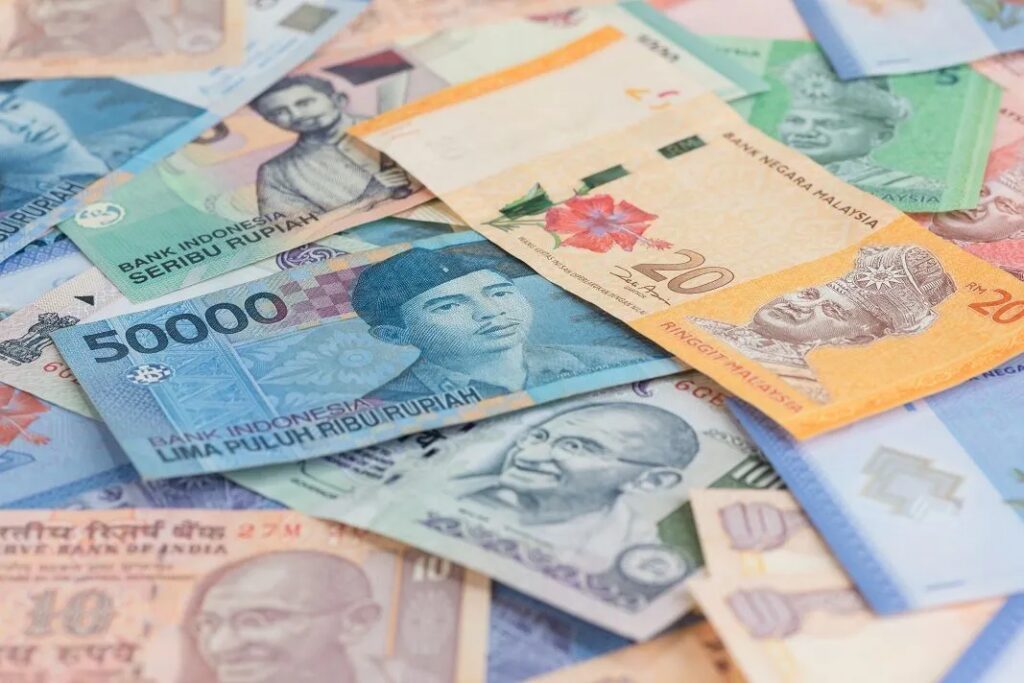
The Bank of Indonesia controls the stability of the currency through interventions, as well as a tiered monetary policy. The IDR is less volatile in comparison to other emerging market currencies and is more appealing to long-term investors.
As the economy of Southeast Asia continues to grow, the IDR is more likely to grow in value. The IDR is often included in the Emerging Market Currencies for 2026 Gains, as it is a good balance of growth and policy control relative to the other market currencies.
Indonesian Rupiah (IDR) Features, Pros & Cons
Features
- There is a regime of a managed float
- Market-driven economy
- FDI-driven growth
- Developed services
- Export-oriented
Pros:
- Increased FDI in services
- Resilient economic growth
- Fewer recessionary periods
- Strong economic outlook
- Limited public indebtedness
- Free-market economy
Cons:
- Increased economic inequality
- Illiquidity of domestic markets
- Reliance on foreign economies
- Increase in poverty
- Environmental degradation
5. Thai Baht (THB)
Among several Southeast Asian currencies, the Thai Baht (THB) has the strongest stability. They receive support and positive indicators from a strong tourism and foreign exchange reserve industry.
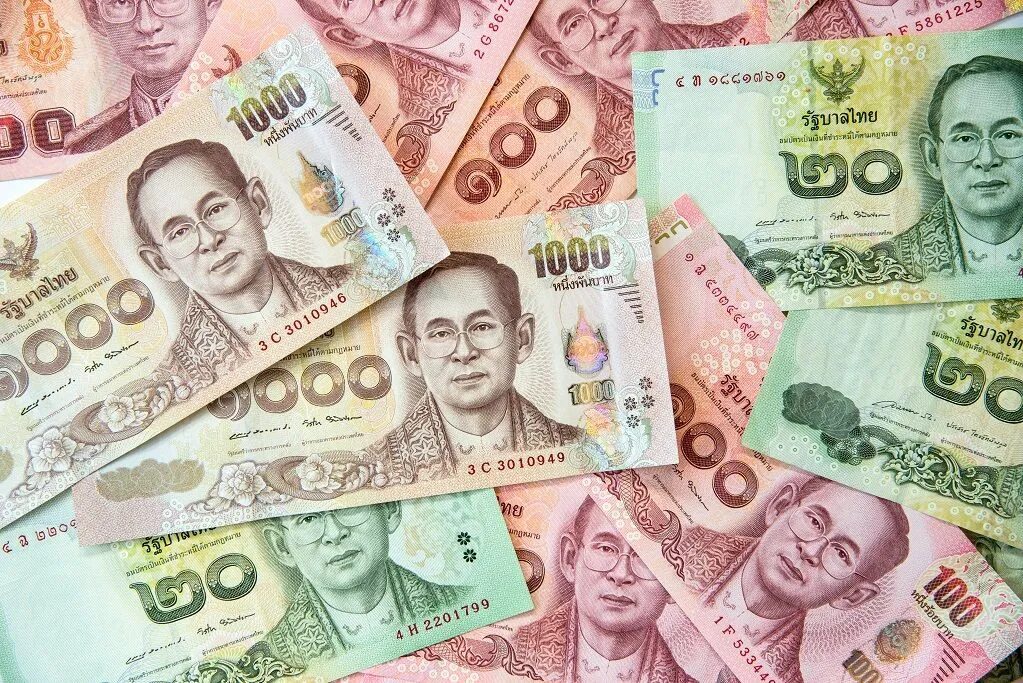
Current account stability also increases the resilience of the currency. With the lower levels of inflation, the environment is more attractive for the investors. THB is also included in the Stable Emerging Market Currencies for 2026 Gains for its defensive and stable qualities, being stable during global uncertainties while providing the opportunity for economic growth in the region.
Thai Baht (THB) Features, Pros & Cons
Features:
- Relatively stable currency
- Tourism-driven economy
- Strong foreign reserves
- Managed float system
- Export-oriented
Pros:
- Low inflation environment
- Strong reserve backing
- Stable compared to peers
- Good for defensive portfolios
- Consistent current account
Cons:
- Tourism dependency
- Political uncertainty
- Export sensitivity
- Limited yield advantage
- Slower growth phases
6. Philippine Peso (PHP)
The Philippine Peso (PHP) is boosted by constant overseas worker remittances, which is a very dependable foreign currency supply. When overseas remittances, vigorous domestic supply, and a developing services sector are combined, the measure experiences moderate stability.
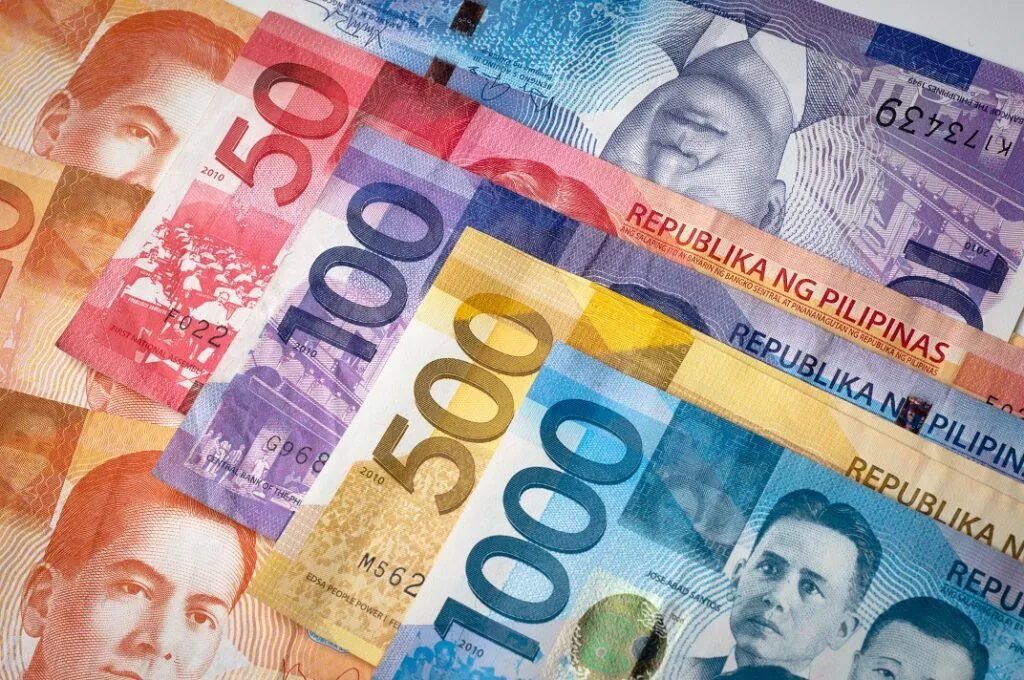
To keep stability in the currency market and inflation levels, the Bangko Sentral ng Pilipinas is significant. Though PHP is not global risk immune, it is more resilient than its rival currencies. In global diversification plans for remittance and economic fundamentals, Stable Emerging Market Currencies for 2026 Gains regularly emphasizes the peso for providing inflow support.
Philippine Peso (PHP) Features, Pros & Cons
Features:
- Remittance-supported currency
- Consumption-driven economy
- Managed float system
- Strong central bank
- Growing service sector
Pros:
- Stable remittance inflows
- Resilient domestic demand
- Moderate volatility
- Consistent economic growth
- Strong policy support
Cons:
- External shock exposure
- Trade deficits
- Limited global liquidity
- Inflation pressures
- Slower export growth
7. Colombian Peso (COP)
The Colombian peso (COP) shows its strength with rising oil prices as it exports oil, which makes it sensitive to the prices of oils globally. Its volatility is evident when prices of fuel fall.
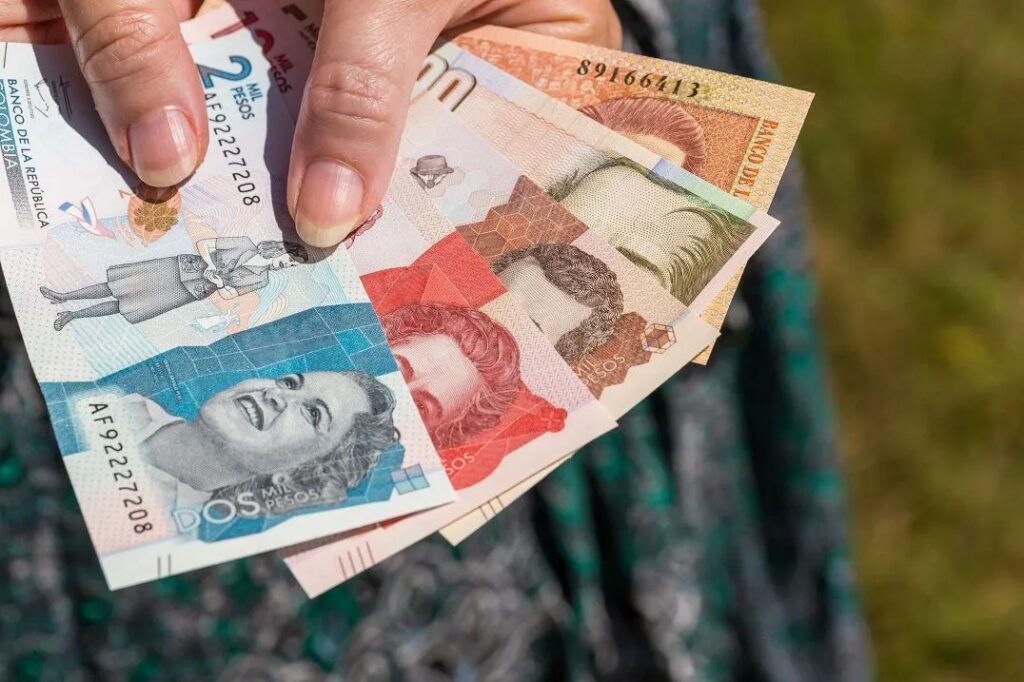
Political climates and fiscal policies are then put into consideration, and investor confidence is assessed. Returning positive outcomes though risky, the Colombian peso (COP) is positive but uncertain. In Stable Emerging Market Currencies for 2026 Gains the peso is seen as a positive because of its supposed cyclical aspects.
Colombian Peso (COP) Features, Pros & Cons
Features:
- Oil-export dependent
- Free-floating currency
- High yield potential
- Sensitive to commodity cycles
- Influenced by fiscal policy
Pros:
- Strong returns in oil booms
- High interest rates
- Attractive carry trade
- Growing economy
- Investment opportunities
Cons:
- High volatility
- Oil price dependency
- Political risks
- Inflation fluctuations
- Currency instability
8. Chilean Peso (CLP)
The Chilean peso (CLP) shows its strength in the export of copper as Chile is one of the largest exporting countries for copper. This makes it sensitive to demand for industry and commodities. Clear and fiscal policies for economically stable Chile create an ease of use for confidence in investors.
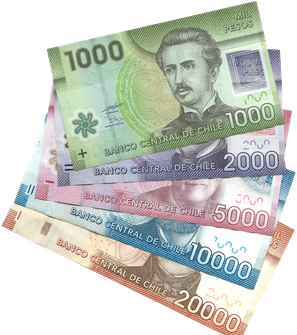
In time the peso is known to gain a clearer but positive confidence Cycle. In a split positive strategy, Stable Emerging Market Currencies for 2026 Gains includes CLP due to its overall economy and as one of the stable countries in South America, Chile.
Chilean Peso (CLP) Features, Pros & Cons
Features:
- Currency backed by copper.
- System of exchange rates that are free to float.
- Strong fiscal restraint.
- Economic policies that are easily understood.
- Economy based on exporting.
Pros:
- Stable policies.
- Support from institutions is strong.
- Potential rise in value of commodities.
- Environment is friendly to investors.
- Stability in the long run.
Cons:
- Dependence on copper prices.
- Sensitivity to external demand.
- Moderate to relatively high volatility.
- Risk of political reform.
- Limited factors.
9. Mexican Peso (MXN)
The Mexican Peso (MXN) has one of the most liquid and traded currencies in the emerging markets, thanks to its liquidity and trade links to the United States (US) via the USMCA. Emerging markets currencies have higher interest rates, making them an appealing option to investors for carry trade strategies.
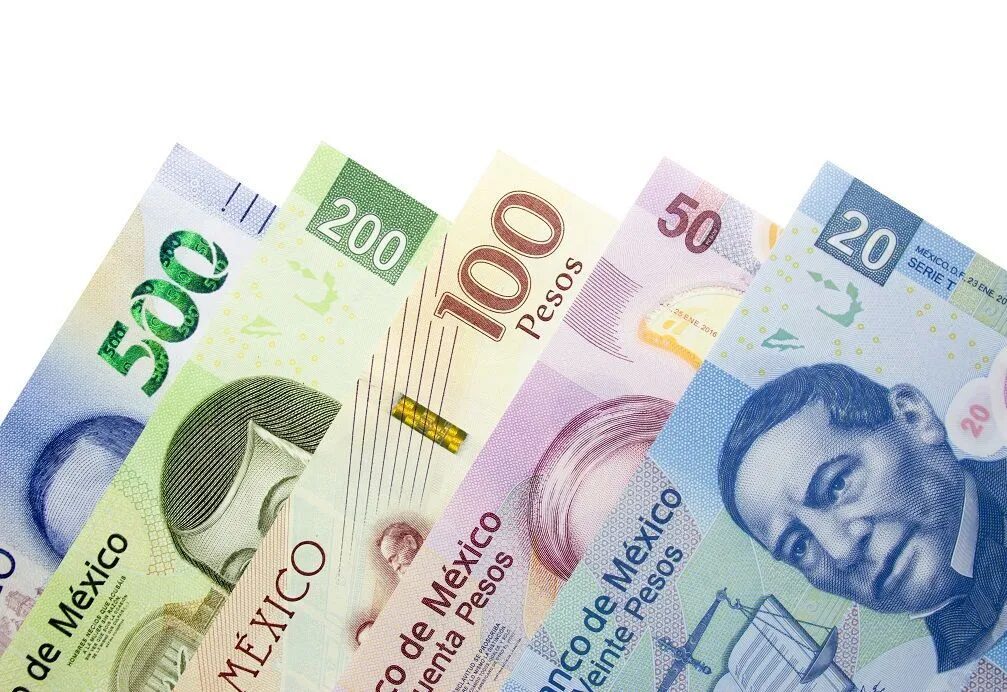
The Peso responds to US economic indicators and Federal Reserve interest rate decisions. It has its share of volatility, but investors still remain bullish. Within the framework of Stable Emerging Market Currencies for 2026 Gains, the Peso is often mentioned due to its liquidity, yield, and the trade relations with North America.
Mexican Peso (MXN) Features, Pros & Cons
Features:
- Currency of emerging markets with high liquidity.
- Strong trade relations with the U.S.
- Free-floating exchange rate.
- Interest rates are high.
- Forex markets are active.
Pros:
- High liquidity.
- Strong appeal to carry trade.
- Close economic connection to the U.S.
- High interest rate is attractive.
- High level of trade.
Cons:
- Dependence on the U.S.
- High volatility in the event of a global economic crisis.
- Political instability.
- High inflation.
- Sensitivity to the external market.
10. Brazilian Real (BRL)
The Brazilian Real (BRL) is sensitive to the export of major commodities such as soybeans, iron ore, and oil as well as to the country’s domestic fiscal and political environment. Due to the high-interest rates in Brazil, foreign investors seeking yield often enter the country, but the volatility in the currency due to economic uncertainty can be frightening.
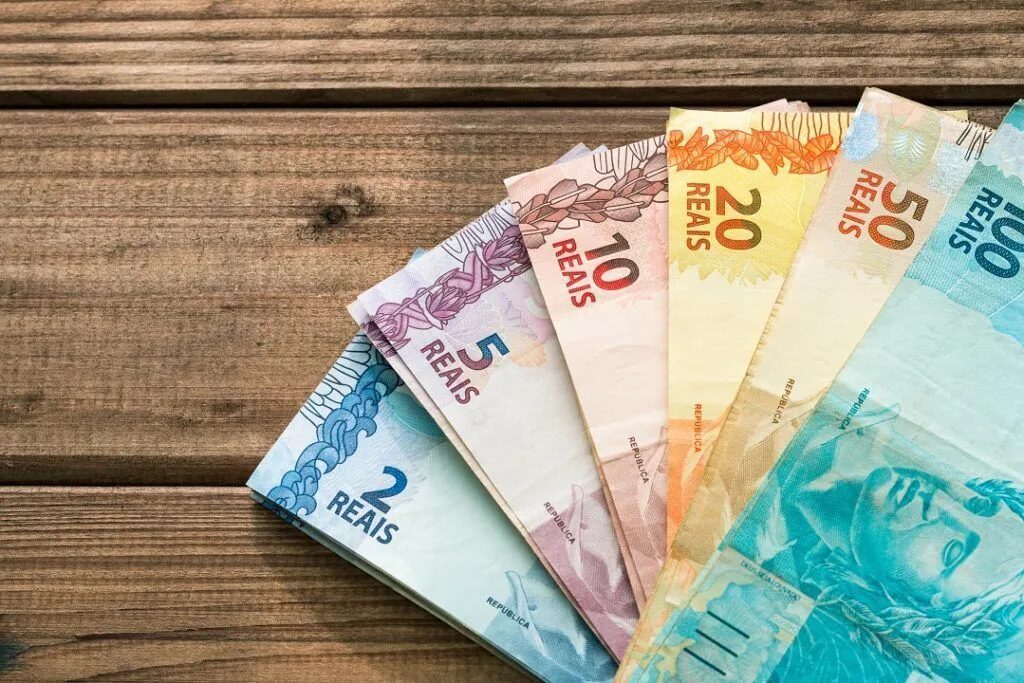
The long-term potential of the currency is determined by structural reforms and fiscal discipline. The Real has historically provided strong returns, including in uncertain emerging markets. Within the framework of Stable Emerging Market Currencies for 2026 Gains, the Real is often included due to the high carry trade opportunities it provides.
Brazilian Real (BRL) Features, Pros & Cons
Features:
- Currency that is linked to commodities.
- Free-floating exchange rates.
- High interest rates.
- Large domestic market.
- Active participation in the foreign exchange market.
Pros:
- High interest rate.
- Strong export of commodities.
- Large market.
- Carry trade is an attractive option.
- Potential for growth.
Cons:
- High volatility.
- Political instability.
- Fiscal deficits.
- High inflation.
- Fluctuating currency.
Conclusion
Overall, investing in Stable Emerging Market Currencies for 2026 Gains provides diversification, yield, and access to rapidly growing economies.
While each currency presents risks, such as dependence on certain commodities or policy changes, the effects of disciplined central banking, trade surpluses, and the fundamentals of central banking and trade surpluses are supportive.
Combining higher and lower risk options, such as the Chinese Yuan and Thai Baht or Mexican Peso and Brazilian Real, is likely to optimize overall portfolio robustness. With the right choices and risk management, investing in emerging market currencies is likely to yield steady gains.
FAQ
What are stable emerging market currencies?
Stable emerging market currencies are those from developing economies that show relatively lower volatility, supported by strong economic fundamentals, consistent monetary policy, and healthy foreign reserves compared to other emerging peers.
Why invest in emerging market currencies for 2026?
Investing in emerging market currencies offers diversification, higher yield potential, and exposure to fast-growing economies. In 2026, improving global trade and regional growth trends may further support these currencies.
Which factors make a currency stable in emerging markets?
Key factors include low inflation, strong central bank policies, political stability, trade balance strength, foreign exchange reserves, and consistent economic growth.
Are stable emerging market currencies risk-free?
No, they are not risk-free. Even relatively stable currencies can be affected by global economic shocks, geopolitical tensions, and commodity price fluctuations.
How can investors gain exposure to these currencies?
Investors can access them through forex trading, currency ETFs, international mutual funds, or bonds denominated in emerging market currencies.