

Reducing transaction latency faster is critical for providing smooth user experience in today’s fast-paced digital economy and keeping the company competitive. Best Systems for Payment Latency Optimization — Spatial systems ensure payment process is minimal using the latest technology like Edge Computing, Smart Routing& Fast Data.
These systems guarantee swift payment approvals with higher reliability and scalable performance, even as transaction volumes increase, businesses can maintain speed and security while meeting customer expectations.
| System / Technology | Key Point (Latency Optimization Benefit) |
|---|---|
| Content Delivery Network (CDN) | Reduces latency by caching payment assets closer to users, minimizing server round-trip time. |
| Edge Computing | Processes transactions near the user’s location, significantly lowering response delays. |
| Load Balancing Systems | Distributes payment traffic across servers to prevent overload and reduce response time. |
| In-Memory Databases (e.g., Redis) | Speeds up transaction processing by storing data in RAM instead of slower disk storage. |
| Message Queuing Systems (e.g., Kafka) | Ensures asynchronous processing, reducing delays during peak payment loads. |
| API Gateway Optimization | Streamlines API calls and reduces unnecessary processing layers for faster transactions. |
| Network Protocol Optimization (HTTP/2, gRPC) | Improves data transfer efficiency and reduces latency in communication between services. |
| Real-Time Payment Processing Engines | Enables instant transaction validation and settlement with minimal delay. |
| Database Sharding & Indexing | Improves query performance by splitting and optimizing large transaction datasets. |
| Autoscaling Cloud Infrastructure | Dynamically adjusts resources during high demand to maintain low latency performance. |
1. Content Delivery Network (CDN)
In order to combat payment latency, a CDN caches the static and semi-dynamic assets closer to the user making the transaction in question thereby minimizing round-trip time and improving transaction speed. It speeds up API calls, scripts, and the loading of payment page globally while providing consistent performance even during traffic spikes.
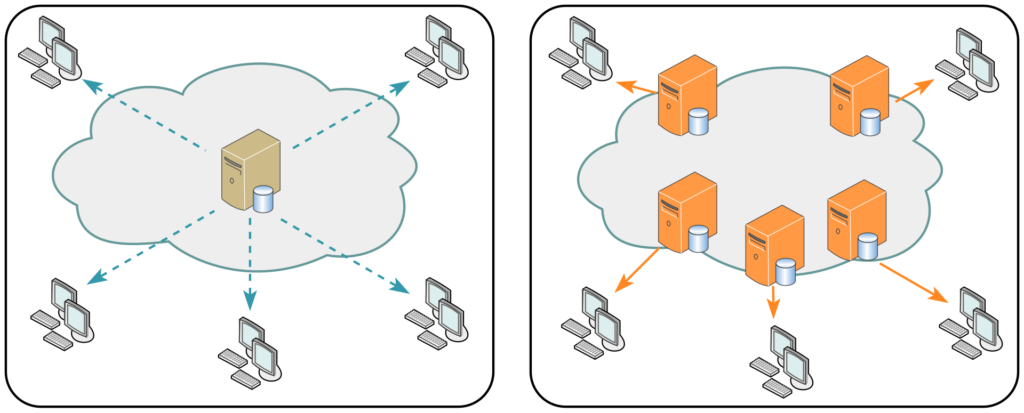
In the middle layer,* The *Best Systems for Payment Latency Optimization Disk 1 Helpers build on advanced CDN providers like Cloudflare CDN and Akamai to optimize routing paths and reduce packet loss.

As well as edge security and TLS optimisation, that’s essential for handling secure payments. Doing so enables speedier checkout experiences, reduced abandonment rates and increased global payment reliability.
Content Delivery Network (CDN) Key Features
- PoPs (Point-of-Presence) servers across the globe for faster access
- Smart caching and content replication
- DDoS protection and SSL/TLS Offload
- Intelligent routing and traffic management
Pros:
- Speedier payment processing and page load
- Better availability and uptime across the globe
- Reduced origin server load
- Enhanced security for transactions
Cons:
- Cost grows with traffic scale
- Cache invalidation complexity
- *[Dynamic content] are only marginal benefits.
2. Edge Computing
Edge computing allows payment data to be processed closer to the geographic vicinity of the user, reducing reliance on centralized servers and significantly decreasing latency. By performing computations at the edge — like fraud checks or tokenization — it prevents long-distance data transfers.
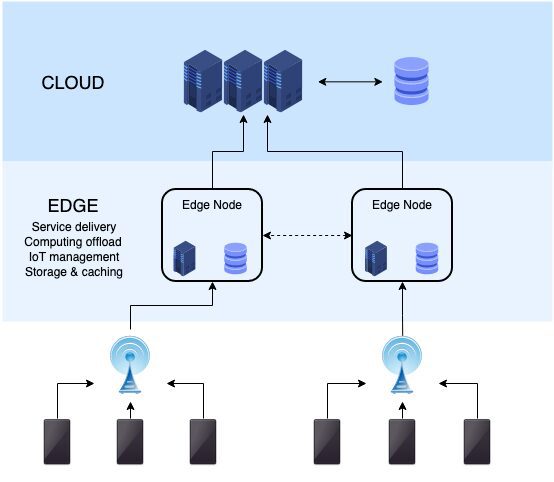
In the architecture, Best Systems for Payment Latency Optimization bring together solutions like AWS Lambda@Edge and Fastly Compute@Edge that facilitate real time processing.
It also increases the speed of payments approval, helping improve user experience. If rapid transaction speeds are the avant-garde of global payment infrastructures, localized compliance and data-handling enables these systems to cavort across borders without raising a red flag.
Edge Computing Key Features:
- Data processing at the closest location to users
- Real-time computation and analytics
- Less dependence on central servers
- Data sovereignty and compliance at the edge
Pros:
- Payment authorization with ultra-low latency
- Improved user experience globally
- Reduced bandwidth usage
- Improved resilience and fault tolerance
Cons:
- Complex deployment and management
- Higher infrastructure costs
- • Edge nodes have low processing power
3. Load Balancing Systems
Failed transactions lead to loss of your money and campaign battle to please for the user. They adjust the traffic by taking real-time factors like health of server, proximity to geographic location and load on an individual server into account resulting in a persistent performance during high transaction times.
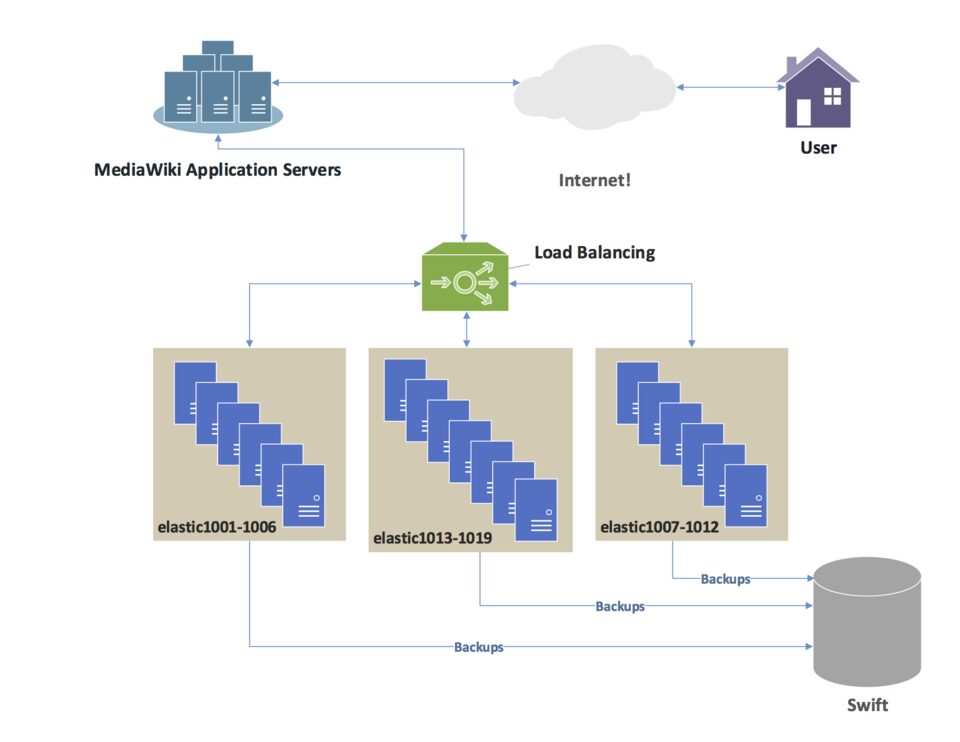
Best Systems for Payment Latency Optimization mid-architecture: Some systems will implement caching tools (NGINX, Server-, etc.)(HAProxy). RCS agents/solutions supplement this process, thereby eliminating response delays and system saturation to ensure seamless payment flows.
Load balancers take it a step further by offering advanced functionality such as SSL termination (reducing the need for a local site to manage SSL connections with third parties) and session persistence, which is critical in high-volume payment infrastructures.
Load Balancing Systems Key Features:
- Load Balancing across various servers
- Health checks & failover mechanisms
- Session persistence support
- SSL termination capabilities
Pros:
- Prevents server overload
- Ensures high availability
- Improves response time
- Enables horizontal scaling
Cons:
- Configuration complexity
- Additional infrastructure cost
- If misconfigured, single point of failure potential
4. In-Memory Databases (e.g., Redis)
Instead, in-memory databases store frequently accessed data in RAM instead of on disk drastically speeding up data retrieval times. This is important for payment systems that require split-second timing, such as managing transactions in one session (caching the state of a transaction) or fraud detection.

The mid-layer contains Best Systems for Payment latency optimisation which include Redis and Memcached for extremely lower access time on the data. These technologies bring down latency far lower than traditional databases and support real-time processing.
They also cater towards ensuring high throughput and scalability of payment systems so that they can process large volumes of transactions in an efficient manner without compromising on speed or performance.
In-Memory Databases (e.g., Redis) Key Features:
- Storing data in the RAM memory for faster access
- Key-value data structure
- In-time caching and session storage
- Durchsatz und geringe Latenz
Pros:
- Extremely fast data retrieval
- Reduces database load
- Ideal for real-time transactions
- Scales efficiently
Cons:
- Data volatility risk
- Higher memory costs
- Limited storage capacity
5. Message Queuing Systems (e.g., Kafka)
Message queuing systems are used for decoupling payment processing components, enabling asynchronous communication between parties and reducing system bottlenecks. They buffer requests and process them sequencially ensuring the transaction is processed reliably even under heavy load.
Systems for Minimization of Payment Latency: This type supported by the system core, work in real time based on platforms like Apache Kafka and RabbitMQ Such systems are more fault tolerant and scalable while keeping low latency.
These features of message queues facilitate parallel processing and event-driven architectures, allowing payment processing to be both steady and continuous during peak demand.
Message Queuing Systems (e.g. Apache Kafka) Key Features:
- Asynchronous communication between services
- High-throughput message streaming
- Fault-tolerant data pipelines
- Event-driven architecture support
Pros:
- Improves system scalability
- Prevents processing bottlenecks
- Ensures reliable data delivery
- Enables parallel processing
Cons:
- Complex setup and maintenance
- Message processing queues latency
- Requires monitoring and tuning
6. API Gateway Optimization
The entry point for payment requests is an API gateway, which handles routing, authentication and rate limit. API gateways optimization can reduce processing overhead and lead to faster request handling of API requests.
Pay Latency Optimization Systems: * Midlayer Layer Kong, Amazon API Gateway Which can be proven tools for the communication optimization of services– Best Systems These gateways help caching, request aggregation, and protocol translation that drastically reduce the latency.
Designed and well suited API gateways for the payment system will help in creating a secure, fast and efficient interaction for this process, leading to better overall performance of the system.
API Gateway Optimization Key Features:
- Centralized request routing
- Authentication and authorization handling
- Rate limiting and throttling
- Request/response transformation
Pros:
- Simplifies API management
- Enhances security
- Reduces backend load
- Improves response efficiency
Cons:
- Adds additional processing step
- Slower speeds if not properly optimized
- Configuration complexity
7. Network Protocol Optimization (HTTP/2, gRPC)
Multiplexing, header compression, and persistent connections supported by modern network protocols (HTTP/2 or gRPC) provide better communication usage. The features also reduce latency by decreasing the number of network round trips needed for payment processing.
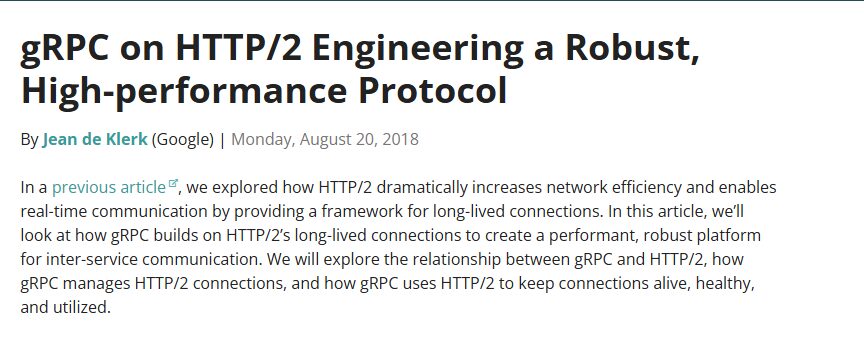
Best Systems for Payment Latency Optimization — In the system stack, they use HTTP/2 and gRPC to optimize transport data. gRPC uses binary serialization in particular to speed up the communication.
These protocols enhance throughput and response time; thus, they are designed for real-time payment systems that demand high-speed and low-latency communication.
Optimization of Network Protocol (HTTP2, gRPC) Key Features:
- Multiplexed connections
- Header compression
- Persistent connections
- Binary data transfer (gRPC)
Pros:
- Faster data transmission
- Reduced network overhead
- Improved throughput
- Better performance in microservices
Cons:
- Compatibility limitations
- Requires infrastructure upgrades
- Debugging complexity
8. Real-Time Payment Processing Engines
Instead of waiting for hours or even days, real-time payment processing engines process and validate transactions while authorizing funds instantly to settle immediately without suspending transfer batching intervals.

The systems are optimized for high throughput and low latency offering instant transaction finality. Processing power: Payment Processors like Stripe Payments and Adyen that allow for real-time capabilities in core infrastructure: Best Systems for Payment Latency Optimization.
They link up with banks networks and card schemes to process payments in real time. This minimizes wait times, improves client satisfaction, and allows for smooth transfers of money in worldwide markets.
Real-Time Payment Processing Engines Key Features:
- Instant transaction processing
- Real-time authorization and settlement
- Integration with banking networks
- High-throughput architecture
Pros:
- Immediate payment confirmation
- Enhanced customer experience
- Reduced transaction delays
- Supports global payments
Cons:
- High implementation cost
- Complex integration
- Requires strong security measure
9. Database Sharding & Indexing
In database sharding, large databases are broken into smaller, more manageable data segments that are spread over multiple servers to increase query speed and scalability. Thus, indexing improves speed and also helps it retrieving the data faster.

Backend Layer: At the backend layer, Best of Systems for optimizing payment latency are powered by technologies like MongoDB and MySQL with sharding indexed techniques. These methods decrease query execution time and avoid bottlenecks in the database.
As a result, how dynamic data management allows payment systems to process large volumes of transactions while still having low latency and high reliability.
Database Sharding & Indexing Key Features:
- Horizontal data partitioning (sharding)
- Used indexing to tune the query performance
- Distributed database architecture
- Load distribution across nodes
Pros:
- Improved scalability
- Faster query execution
- Reduced database bottlenecks
- Improved speed on the large dataset
Cons:
- Complex implementation
- Data consistency challenges
- Difficult maintenance
10. Autoscaling Cloud Infrastructure
Autoscaling cloud infrastructure dynamically provisions compute resources according to demand, helping maintain performance during traffic spikes. It automatically scales up or down to avoid system overload and ensure consistent levels of latency.
In the infrastructure layer, Best Systems for Payment Latency Optimization run on services such as Amazon Web Services and Google Cloud Platform that take care of scaling. These platforms offer elastic resources, load balancing, and monitoring tools.
With autoscaling, your payments continue to get processed seamlessly in an efficient manner without any latency during peak transaction times – it is a crucial feature for modern payment ecosystems.
Autoscaling Cloud Infrastructure Key Features:
- Automatic resource scaling
- Load-based scaling policies
- Integrated monitoring and alerts
- Dynamic compute and storage resources
Pros:
- Handles traffic spikes efficiently
- Reduces downtime risk
- Cost savings with auto scaling
- Ensures consistent performance
Cons:
- Unpredictable cost spikes
- Requires proper configuration
- Dependency on cloud providers
Conclusion
This has to do with payment latency optimization and it’s an important part of the wider offering of fast, reliable and seamless transaction experiences in the modern digital ecosystem. Using sophisticated systems such as content delivery networks, edge computing, load balancing and in-memory databases such as Redis substantially reduces processing delays.
Message streaming using Apache Kafka, optimized APIs, and modern protocols such as HTTP/2 and gRPC are also making communication faster and more efficient. Integrated with scalable cloud infrastructure and real-time processing engines, these systems ensure high performance, reduced downtime and superior user experience in the operation of payments.
FAQ
What is payment latency optimization?
Payment latency optimization refers to the use of advanced technologies and architectures to reduce delays in transaction processing, ensuring faster authorization, processing, and settlement of payments.
Why is low latency important in payment systems?
Low latency improves customer experience by enabling faster checkouts, reduces transaction failures, and increases conversion rates, especially in high-volume and real-time payment environments.
How do in-memory databases improve payment speed?
In-memory databases like Redis store data in RAM, allowing near-instant data access and significantly reducing delays compared to traditional disk-based databases.
What role do message queuing systems play in latency optimization?
Message queuing systems such as Apache Kafka enable asynchronous processing, reducing bottlenecks and ensuring smooth handling of large volumes of transactions.
How do modern protocols enhance payment performance?
Protocols like HTTP/2 and gRPC improve communication efficiency through multiplexing and faster data transfer, reducing overall latency.