
Cross-chain sniping requires speed of execution, broad blockchain coverage as well as reliable access to decentralized liquidity. Shuriken is built for fast crypto trading but traders might also want to look at other platforms that offer other chains, fees, automation tools and token-discovery features.
In this article, I will cover Best Shuriken Rivals for Cross-Chain Sniping, such as BullX, GMGN, Based, Maestro, Banana Gun, and Sigma. I’ll compare their core characteristics, supported networks, trading features, fees, use cases, and key differences to help you understand each solution.
What Is Cross-Chain Sniping?
Cross-chain sniping is a crypto trading strategy that involves rapidly purchasing new or popular tokens across different blockchain networks. Specialized bots or trading terminals are used by traders to keep track of token launches, liquidity additions, market activity and to execute transactions rapidly when opportunities arise.
They are compatible with many different DEXs and networks, such as Ethereum, Solana, Base and BNB Chain. Cross chain sniping is about speed of execution, low latency, transaction prioritization, slippage control and sufficient liquidity on the supported chains.

Why Look for Shuriken Rivals?
Wider Chain Coverage: Shuriken rivals may support a greater number of blockchain networks, enabling traders to monitor and trade across multiple ecosystems without needing to use different tools for each chain.
Faster Execution: Certain options feature low-latency execution, optimized transaction routing, and priority-fee controls, enabling traders to act swiftly when new tokens are released or liquidity becomes available.
Lower trading costs: Alternative platforms may have different transaction fees, platform fees and execution costs, so that traders can compare the pricing structures before choosing a suitable cross-chain trading tool.
Enhanced Token Discovery: Some competitors offer advanced token scanners, trending-token dashboards, wallet tracking, and smart-money analysis to help traders find newly launched assets and active opportunities more efficiently.
Advanced Automation: Trading bots can offer features like sniping, copy trading, limit orders, stop-losses, take-profit orders, and automated strategies, reducing the need for constant manual monitoring.
More DEX Integrations: Rivals will be able to integrate with other decentralized exchanges and launchpads, giving traders better access to liquidity pools, new token launches and trading opportunities across multiple blockchain ecosystems.
Enhanced MEV Controls Some of the alternatives offer anti-MEV mechanisms, customizable slippage, private transaction routes, and priority settings, giving traders more control when executing trades in highly competitive market conditions.
Multiple User Interfaces: Shuriken alternatives provide an array of interfaces, including Telegram bots, web terminals, analytics dashboards, and mobile-friendly workflows, allowing traders to choose an interface suited to their preferred trading style.
Key Points
1. BullX
BullX is a multi-chain crypto trading terminal created for fast meme-coin discovery, trading and sniper.
Launch Year: BullX was launched in 2024.
Supported Networks Its ecosystem is built around networks such as Solana, Ethereum, BNB Chain, and Base, with availability based on the particular BullX product.
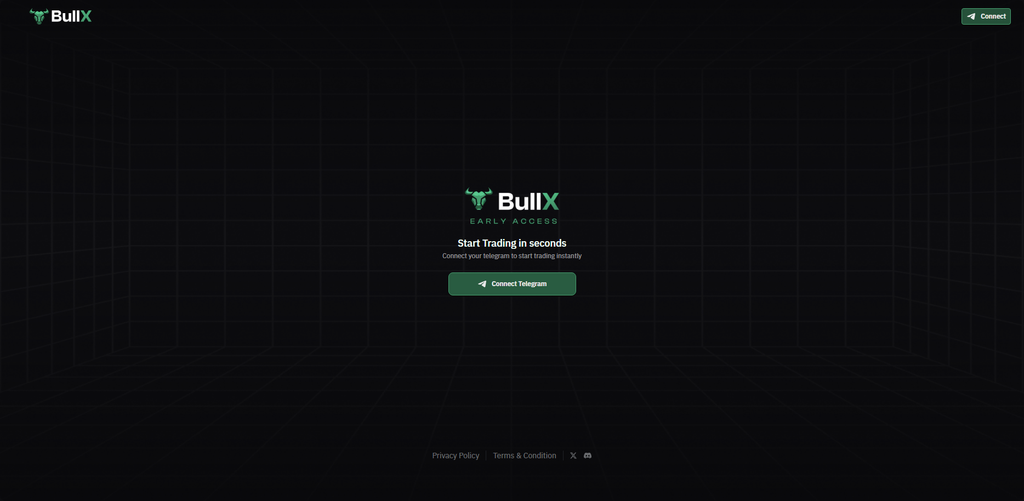
Speed is a major part of the equation and BullX Neo is built with fast transaction execution and optimized transaction infrastructure. Supported Tokens/Markets: It focuses on new and trending tokens on supported DEX and launchpad markets.
Users can discover tokens, check their wallets, use limit-style trading tools and configure automated trading. Fees: BullX Neo documentation says there’s a 1% platform fee for buys and sells, on top of fees for the underlying protocol.
Best Use Cases
- Meme coin trading across chains
- Sniping and Finding New Tokens
- Smart money wallet tracking
- Rapid DEX trading
- Copy trading & Automated execution
Key Differentiators
- Trading Terminal Multi-chain
- Useful tools for token-discovery
- Trader tracker and smart-wallet
- Execution focused interface
2. GMGN .
GMGN is a crypto trading and analytics platform, dedicated to meme-coin discovery, smart-money tracking, wallet analysis, and automated trading. Year of launch: GMGN was brought to prominence as a meme-coin trading platform in the 2024 market cycle. Supported Chains: It supports major ecosystems like Solana, Ethereum, Base, and BNB Chain.
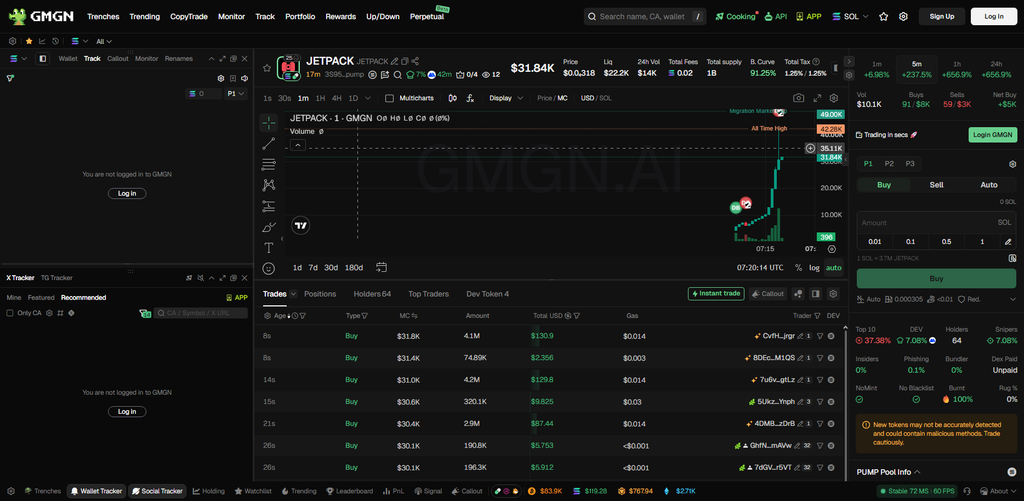
GMGN offers fast transaction execution, with adjustable priority and tip fees, and its anti-MEV submission options enable traders to balance speed and protection. it targets newly launched and trending tokens that are actively traded across the DEX markets it supports.
smart-money tracking, token discovery, copy trading, limit orders, anti-MEV settings. Fees: GMGN has a 1% transaction handling fee. This does not include network and other third party fees.
Best Use Cases
- Finding meme coins
- Smart money tracking
- New-token snipe
- Copy trading by wallet
- Multi-chain DEX trading
Key Differentiators
- Analytics for smart money
- Wallet & trader tracking
- Anti-MEV trading possibilities
- Good meme coin discovery
3. Ave Bot
Ave Bot is a crypto trading and on-chain analytics platform on Telegram for traders who want token discovery, market monitoring, and fast execution in one place. Launch Year: The Ave Bot was created in the last wave of Telegram crypto trading tools, but a verifiable launch date is not well-documented.
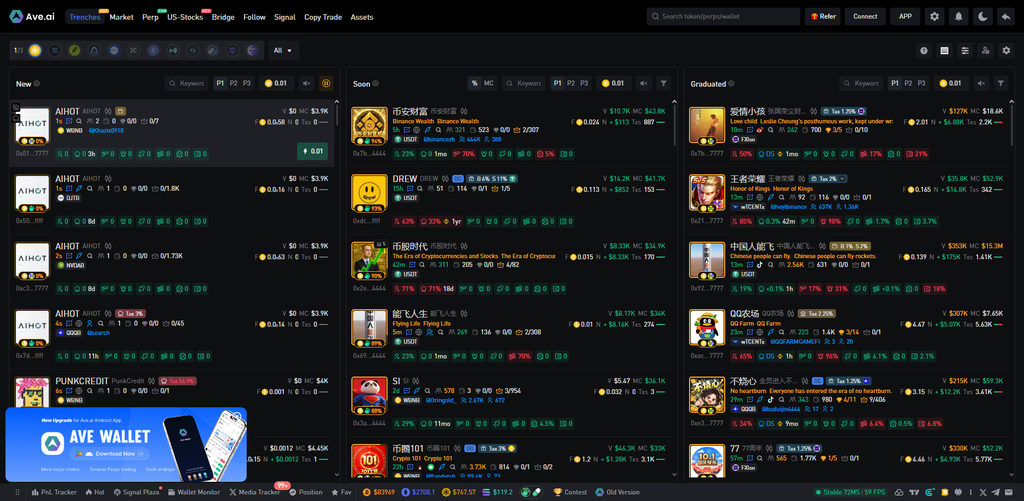
Supported Chains: It is available on popular EVM and non-EVM ecosystems for meme-coin and DEX trading. Specific chain coverage changes over time. Sniping Speed: Designed for quick token discovery and trading, not traditional long-term investing. Supported Tokens/Markets: It supports newly launched tokens and actively traded tokens in connected DEXes.
Token analytics, wallet tracking, trading automation and market discovery. Fees: The specific platform fees can vary based on the transaction and service, so traders should review the current fee schedule before execution
Best Use Cases
- Rapid token discovery
- Trading meme coins
- On-chain market surveillance
- Track wallet activity
- DEX Trading bots
Key Differentiators
- Telegram trading flow
- Token Analytics Integration
- Market monitoring in real time
- One interface for trading and discovery
4. DBot (DBot Dex)
DBot or also known as DBot Dex, a decentralized trading-bot platform for automated DEX trading and rapid token markets. Launch Year: DBot is one of the newer Telegram/Web3 trading bot ecosystems, but there is no adequately reliable source that publicly documents a consistent launch year.
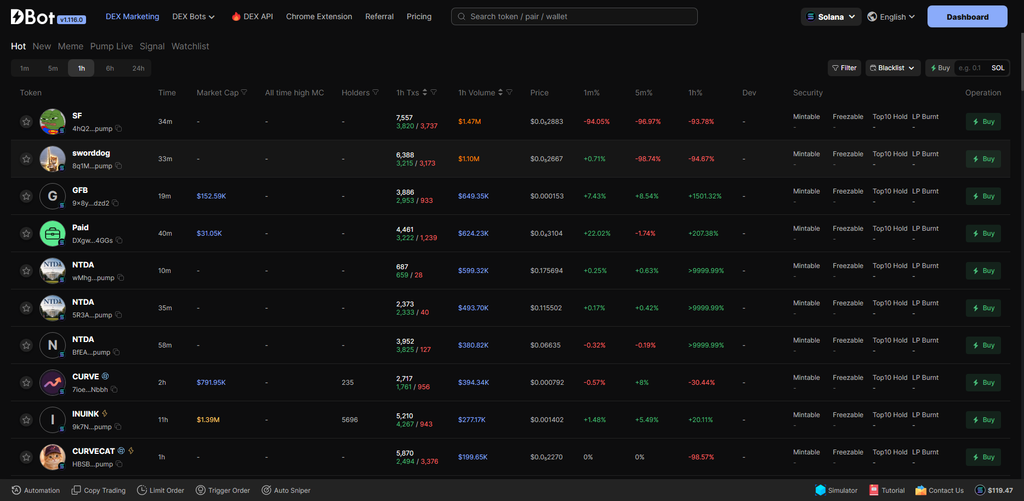
Supported Chains: It’s designed for trading on multiple DEX chains, supported networks depending on the current DBot deployment. Sniping Speed: Fast execution and automated transaction handling are the core of its use case, especially for new launched tokens.
DBot is primarily concerned with tokens from supported DEX liquidity pools and new meme-coin markets. Trading Features: Basic features are token buy/sell, sniping, wallet management, automated execution and trading controls. Fees: Check the current fee before trading as transaction costs (platform charge of DBot, network gas, DEX fees, optional priority costs)
Best Use Cases
- New Token Sniping
- Automated trading on DEX
- Trade meme-coins
- Fast Token Buying/Selling
- Interchain Trading
Key Differentiators
- Bot-centric trade execution
- Automated processing of transactions
- Infrastructure for DEX trading
- Built for fast-paced markets
5. Based Bot
Based Bot is a multi-chain telegram trading bot and web terminal for DeFi and meme-coin trading. Launch Year: Based went live in June 2024. Chains supported: Its present network coverage includes: Ethereum, Base, BSC, Solana, Avalanche, Arbitrum, Abstract, HyperEVM, Ink, Story, X Layer, Unichain, Plasma, Monad, MegaETH, Tempo, Robinhood Chain, Arc, Stable.
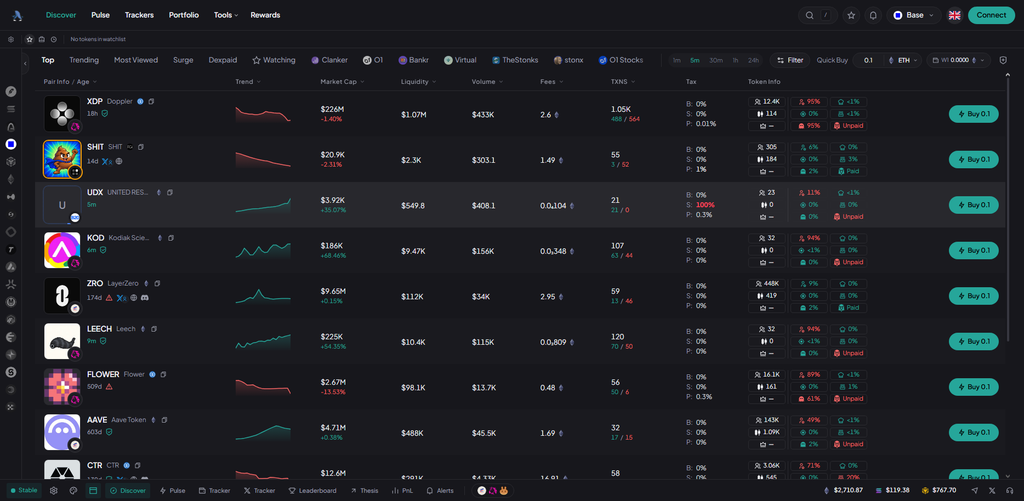
Sniping Speed: The platform highlights fast transaction execution and provides sniper and migration-sniping features. Supported Tokens/Markets: It integrates with many DEXs and launchpads on its supported networks.
Trading Features: Copy trading, limit orders, stop-loss, take-profit, DCA, wallet tracking, anti-MEV protection. Fees: Fixed fees 1% transaction fee, no charge if no trade is executed.
Best Use Cases
- Cross-chain token trading
- Meme Coin Sniping
- Copy trading 4. Limit order strategy
- Automated DCA trades
Key Differentiators
- Extensive blockchain coverage
- Different automated trading tools
- Copy-trading feature
- Characteristics of sniping and migration-sniping
6. DeBotAI
DeBotAI is a crypto trading bot that focuses on fast token execution and automated trading, especially in the Solana ecosystem. Launch Year There is no clear information about the exact original launch year of DeBot in the current official documentation.
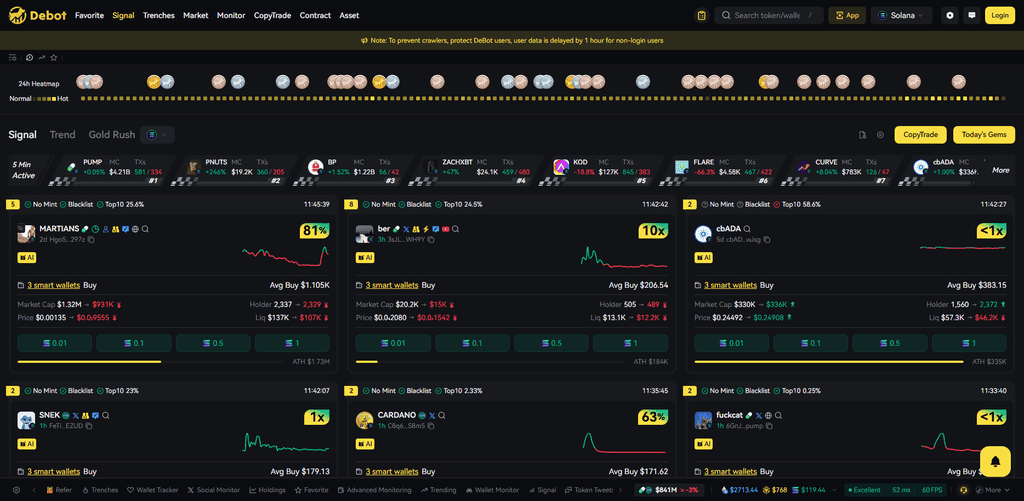
Its primary function is highly associated with Solana where users can exchange tokens through supported decentralized liquidity markets. Execution Speed: DeBot’s trading model relies heavily on execution speed, achieved through configurable priority and bribe fees to increase its transaction-processing speed during congested times.
Supported Assets/Markets: It supports tokens from connected Solana DEX and launchpad markets, including newly issued assets. Trading Features: Automation of buy, sell, priority fee controls, slippage settings and fast execution are important features.
DeBot tracks a 1% default trading fee. Additional fees may be levied on the total transaction cost including priority, bribe, gas/rent, and token-launch fees.
Best Use Cases
- Sniping Solana tokens
- New token trading
- Quick meme-coin execution
- Automatic token collection
- Transaction execution based on priority
Key Differentiators
- Solana-centric trading functionality
- Adjustable priority fees
- Bribery and Execution Controls
- Automated fast trades
7. Blum
Blum is a Telegram-based Web3 platform that assists users in discovering and trading tokens, running mini-apps, and accessing emerging crypto markets. Launch Year: Blum was launched in 2024 as a Telegram-native crypto platform.

Networks Supported Its ecosystem has grown around a few blockchain environments, with trading and token availability depending on the current Blum product and integrations. Sniping Speed: Blum isn’t a dedicated ultra-low-latency sniper, but it’s built for easy in-app trading. Supported Tokens/Markets: It offers access to crypto assets and new tokens via its supported trading infrastructure and decentralized-market integrations.
Telegram-based trading, token discovery, Web3 applications, community features, wallet functionality, and more. Fees: The fees depend on the trading function, network and route of the transaction. We recommend checking the current fee information in the app before proceeding with the transaction.
Best Use Cases
- Crypto trading on Telegram
- Finding Tokens
- Accessing Web3 Applications
- Investigating new tokens
- Crypto in-app management
Key Differentiators
- Native Telegram Experience:
- Trading apps + Web3
- Ecosystem oriented to community
- Mobile-first workflow simplified
8. Maestro
Maestro is a crypto trading bot on Telegram, designed for speedy token trading, automated execution, and the meme coin markets. Year Launched: Before the 2024 expansion of meme-coin trading tools, Maestro was one of the first major Telegram trading bots.

Supported Networks Its ecosystem has been home to major networks such as Ethereum, BNB Chain and Solana, with availability dependent on the specific product at the time. Sniping Speed: Speed is a central element, especially for automated purchases during new token launches and liquidity events.
Maestro is targeting new token launches, meme coins, and DEX markets. Trading Features: Key features include sniping, automatic buys, sell controls, copy trading, wallet tracking and transaction customization. Rate: Maestro usually charges trading fees on transactions, but users can also be charged network gas, DEX and priority fees. Exact rates vary by chain and product.
Best Use Cases
- Meme coin snipping
- New token launches
- DEX trading with automation
- Copy Trade
- Watching the wallet
Key Differentiators
- Configure Telegram trading bot
2.Functionality related to sniping - Cross-chain trading support
- Automated trading controls
9. Banana Gun
Platform Name: Banana Gun is multi-chain trading bot with fast token execution, sniping and automated trading. Launch Year: Banana Gun was founded publicly during the 2023-2024 Telegram trading-bot boom. Chains Supported: It has recorded DEX coverage for Ethereum, Solana, BNB Chain, Sonic, Base and Unichain.
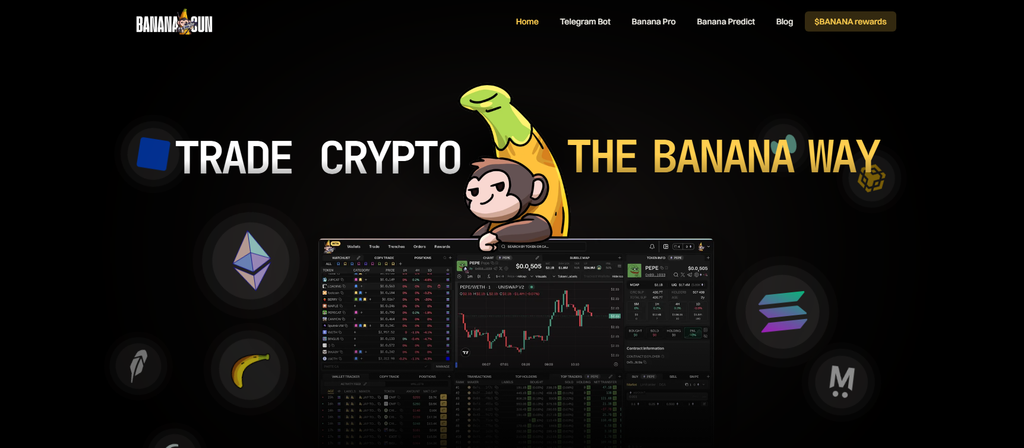
Solana sniping is only available on select DEXs like Raydium, Meteora and PumpSwap, whereas EVM trading works across all listed DEX integrations. Supported Tokens/Markets: It includes meme coins, newly listed tokens and DEX liquidity on the networks we support.
Core to the platform are Sniping and automated trading, transaction-speed controls. Fees: Fees for Banana Gun services vary and depend on the network used. Blockchain gas and DEX fees may also apply. Its docs say it has deep DEX integration across multiple chains.
Best Use Cases
- Hunting new tokens
- Meme-coins trading
- Trade on Multi-chain DEXs
- Quick token execution
- Algorithmic trading strategies
Key Differentiators
- Trading infrastructure on multiple chains
- Dedicated sniping features
- Wide DEX integrations
- Experience of trading through Telegram
10. Sigma Sigma
Sigma is a multi-chain crypto trading bot that allows fast token trading/sniping on EVM chains and Solana. Launch Year: The current documentation for Sigma does not explicitly state a definitive original launch year.

Supported Chains: Its published fee structure includes Ethereum, Avalanche, BNB Chain, Unichain, Base, Berachain and Solana. Snipe Speed: Sigma is built for fast action, especially for new token launches and DEX opportunities. Supported Tokens/Markets: It aims at tokens traded through supported DEX and launchpad ecosystems across its connected chains.
Trading Features: The main features are sniping and automated trading with the ability to execute on a chain-specific basis. Fees: Sigma’s docs list 1% for sniping and trading on Ethereum, Avalanche, BNB Chain, Unichain, Base and Berachain, while Solana is listed as 0% trading and no sniping fee shown.
Best Use Cases
- Token sniping across chains
- New-token trading now available
- Trading Meme-Coins
- Automated DEX execution
- Rapid speculative trading
Key Differentiators
- Cross-chain execution
- Targeting particular functionality
- Chain-wise fee structure
- Quick trading workflow
Conclusion
Shuriken competitors provide different ways to perform cross-chain sniping. Some such as BullX, GMGN, Ave Bot, DBot, Based, DeBot, Blum, Maestro, Banana Gun, and Sigma focus on fast execution, finding tokens, automation, and access to multiple chains on DEXs. They differ in terms of supported blockchain networks, trading features, execution controls, DEX integrations, and fee structures.
Some are more geared toward tracking and analyzing smart money and others geared more toward sniping or automated trading. Among these platforms, traders should consider chain coverage, execution speed, access to liquidity, transaction costs, slippage controls, MEV protection, and automation features to discover the right tool for their particular cross-chain trading needs.
FAQ
What is cross-chain sniping?
Cross-chain sniping involves using trading tools or bots to quickly identify and purchase newly launched or trending tokens across multiple blockchain networks and decentralized exchanges.
What are the best Shuriken rivals?
BullX, GMGN, Ave Bot, DBot, Based, DeBot, Blum, Maestro, Banana Gun, and Sigma are notable alternatives to consider for different cross-chain trading and sniping requirements.
Which Shuriken rivals support multiple blockchains?
Platforms such as BullX, GMGN, Based, Maestro, Banana Gun, and Sigma provide multi-chain trading capabilities, although their exact supported networks and features can change over time.
What features should I compare in a Shuriken alternative?
Compare supported chains, execution speed, DEX integrations, token discovery, trading fees, slippage controls, MEV protection, automation, copy trading, and transaction-priority options.