

This article will look at the Best Solana-Based P2P Gaming Platforms that are revolutionizing the way gamers engage with blockchain-powered games. These platforms connect players through multiplayer competitions, skill-based challenges, tournaments and digital rewards.
I will discuss their main features, supported tokens, wallet integration, NFT integration and gaming options. I will also compare their pros and cons to help readers understand which platforms offer better gaming experiences, transparency, security, and opportunities for competitive play.
What Are Solana-Based P2P Gaming Platforms?
Solana-based P2P gaming platforms are blockchain-based gaming applications that allow players to compete against each other directly through multiplayer games, skill-based challenges and tournaments. These platforms use the Solana blockchain to process transactions, handle digital currencies, and distribute rewards in a transparent manner.
Players can connect supported crypto wallets, use SOL or other supported tokens, and participate in various gaming activities. Some platforms also have NFTs, intelligent contracts, and automated payouts. Solana-based P2P gaming can offer more transparency in transactions and digital asset ownership than traditional gaming systems. But gameplay features and reward mechanisms can vary from platform to platform.

How to Choose the Best Solana-Based P2P Gaming Platform?
Game Variety: Find platforms that provide a variety of games, including PvP battles, arcade games, card games, racing, and strategy games to suit your tastes.
P2P Gameplay: Verify if the platform supports direct player-versus-player matches, private challenges, competitive tournaments, and transparent matchmaking for a better multiplayer experience.
Wallet Compatibility: Ensure compatibility with popular Solana wallets like Phantom and Solflare for seamless wallet connections, deposits, withdrawals and transaction management.
Tokens Supported: Check supported cryptocurrencies such as SOL, USDC and other available tokens to understand payment options, entry requirements and reward distribution.
Fees and Transactions: Look at and compare the platform fees, network transaction costs, deposit requirements, and withdrawal conditions before you start paid competitions or token-based gaming.
Security and Transparency: Explore smart contract security, transaction verification, escrow services, and randomness to learn how platforms safeguard player funds and maintain fairness.
NFTs and Electronic Assets: See whether the platform includes NFTs, collectibles, gaming gear, and transferable digital resources, and how these are actually used in gameplay and what the ownership rules are.
Availability of Platforms: Check the current operational status, devices supported, geographical restrictions, community engagement, and customer support before selecting a platform for regular gaming.
Key Points
| Platform | Key Point |
|---|---|
| Sol2P | Offers skill-based player-versus-player games, including Tower Rush, Neon Racer, and Hex Clash, with SOL-based competition and rewards. |
| ChainPot | Provides real-time multiplayer games, including Snake and Football, with SOL entry fees, pooled prizes, and on-chain payouts. |
| Quip | Supports skill-based gaming duels with USDC or $PHYS stakes, player matchmaking, escrow, and on-chain settlement. |
| BattleFrens | Features turn-based PvP battles where players use characters, strategic moves, and SOL wagers to compete. |
| Timba | Enables multiplayer games through web and Telegram, with equal stakes, verifiable results, and Solana-based payouts. |
| Agentino | Offers peer-to-peer AI agent casino games, including coinflip, blackjack, and Texas Hold’em, with Switchboard VRF verification. |
| flip.bet | Focuses on peer-to-peer coin-flip gaming using Solana and verifiable randomness. |
| ChainPlay | Develops a social gaming arcade focused on wallet-based access, player-versus-player competitions, wagers, and tournaments. |
| Supersize | Provides multiplayer on-chain gaming with entry fees, token collection, competitive gameplay, and withdrawals. |
| Panzerdogs | Offers competitive PvP tank battles with NFT-based commanders and multiplayer game modes on Solana. |
1. Sol2P
Sol2P seems to be a peer-to-peer gaming concept built on Solana, however, search results did not produce enough reliable public documentation to confirm its specific games, token, wagering mechanics, or current status.
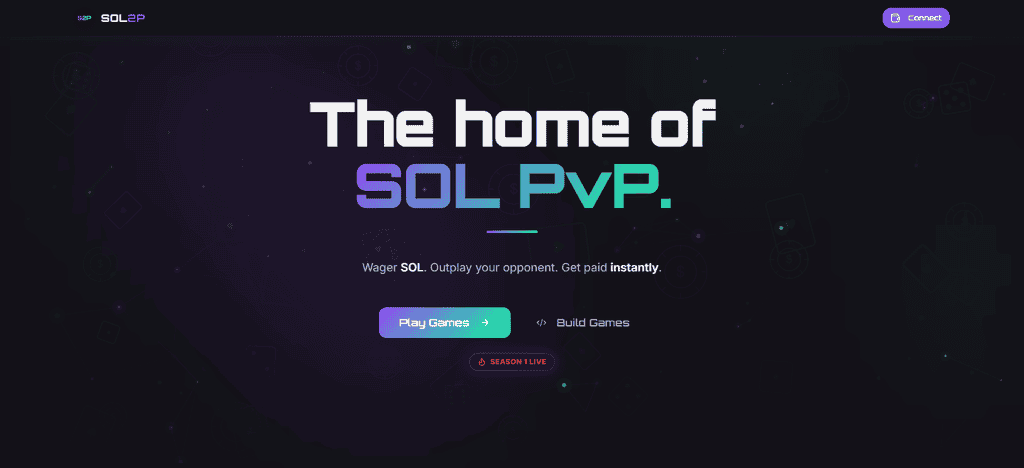
From the name and category, it’s probably meant to pair up Solana players for head-to-head competitive games and wallet-based stakes. Before using it , please check if it is live ( check its official site , X/discord , program address , audits , community activity ) and how payouts are secured .
Pros:
- Provides skill-based PvP games including Tower Rush, Neon Racer, and Hex Clash.
- Enables SOL PvP competitions.
- Uses the same random seeds for both players, guaranteeing fair play.
- Allows browser gaming with no need for game installation.
Disadvantages
- The game library is somewhat small.
- Players need to hold SOL to play wager-based matches.
- Winning is about finding the right opponents.
- Its relatively new ecosystem has limited demonstrated public adoption
2. ChainPot
ChainPot is a real-time, on-chain multiplayer gaming platform on Solana based on “last-one-standing” competition . Players pay a SOL entry fee, enter a live snake arena against other humans, and the winner takes the pot, with settlement handled by a Solana program.
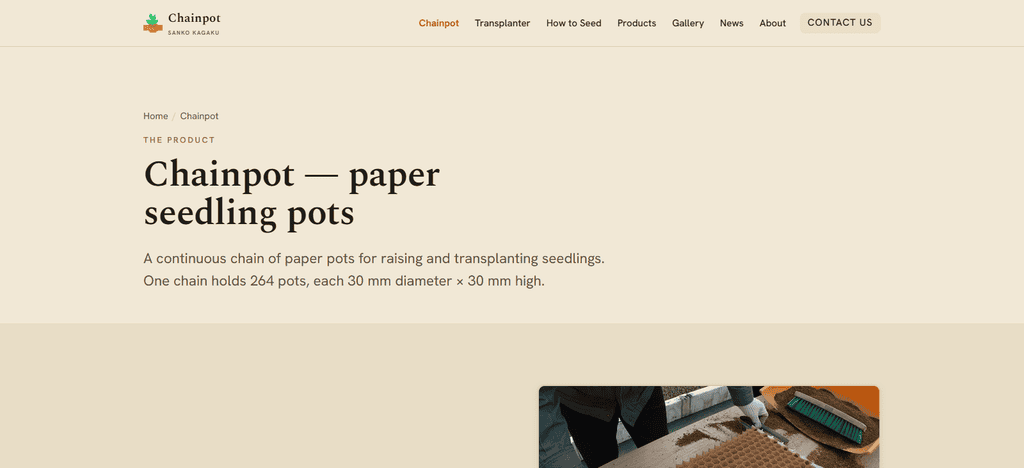
It supports 1v1 duels, arenas with up to 20 players, and a Cashout room where participants can leave with banked value. There are also football-style team modes. Entry fees and pots are displayed before joining.
Pros
- features real time multiplayer Snake and Football games.
- Has 1v1 and bigger multiplayer games.
- On-chain escrow for entry fees and prize distribution.
- Provides automatic SOL payouts upon the completion of matches.
Cons
- Requires SOL to pay for the gaming rooms.
- has a platform fee on completed games.
- The game selection is a bit small right now.
- Live gaming needs a stable internet connection.
3. Quip
Quip is a real money skill gaming platform on Solana, with a focus on 1v1 competition. It uses deterministic physics, so the outcome is based on the player’s timing, inputs and decisions, and not on random number generation.
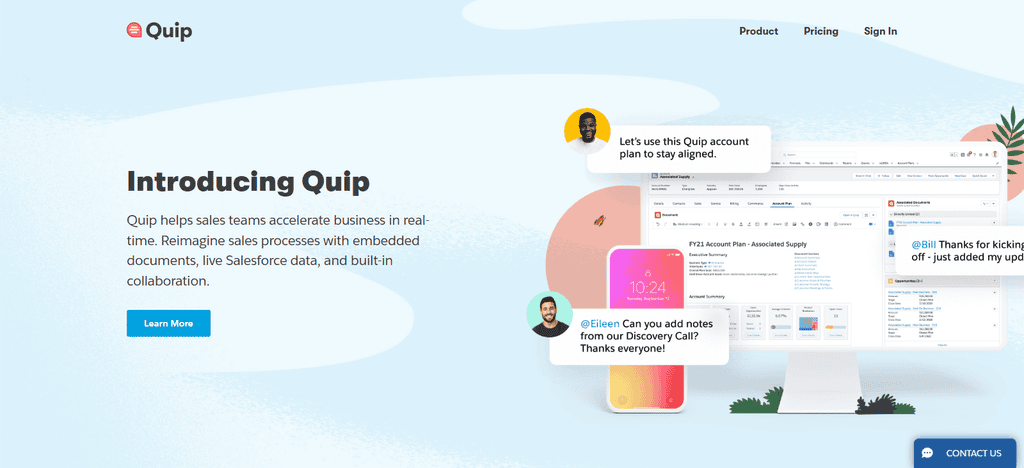
Games include Slingshot Sumo, Sumo Duel 1D, Rebound Rush and Turf Rush. Play for free Earn $PHYS by playing and checking in daily Obtain verifiable game results Players can compete with $PHYS or USDC.
Pros
- Provides physics-based contests for skills.
- Offers USDC and $PHYS staking options.
- Includes deterministic gameplay and server-side match verification.
- Escrow payouts and match history that can be played again.
Cons
- Its portfolio of games is still being developed.
- Players should be aware of wallet and token transfers.
- The players can suffer financial losses from staking games.
- The matchmaking quality is based on the opponents available.
4. BattleFrens
BattleFrens is a free to play turn based PvP strategy game on Solana. Players will mint Fren NFTs, collect Materialia, craft jewelry and gear, and engage in match-based combat where strategy and timing will determine winners.
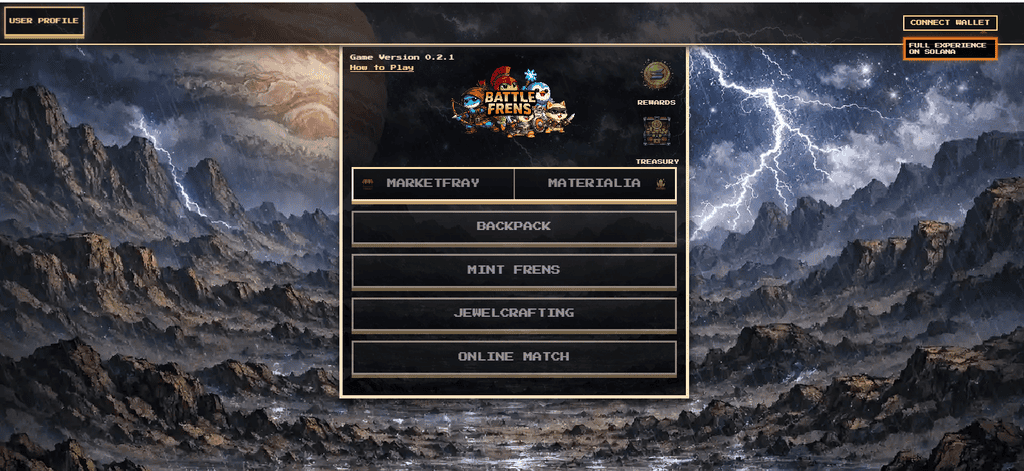
Battle-to-earn game: Wins can also provide SOL, NFTs, crafting items, and other on-chain rewards for upgrades and stronger builds. It has an in-game market and Trench Pool and treasury-based incentives in its economy.
Pros
- Includes strategic turn-based PvP battles.
- Provides collectible NFT characters with various abilities.
- Supports competitive duels with bets in SOL.
- Has crafting, equipment and player-driven asset trade.
Disadvantages
- Some competitive features require to mint a Fren NFT.
- Battle outcomes can be affected by character statistics.
- Its strategic combat system may be a bit slow to get the hang of.
- There are additional costs and market risks with owning NFTs
5. Timba
Timba appears to be tied to the Solana gaming space, but the available public search results did not contain enough verified data to detail its gameplay, tokenomics, wallet flow or wagering model accurately.
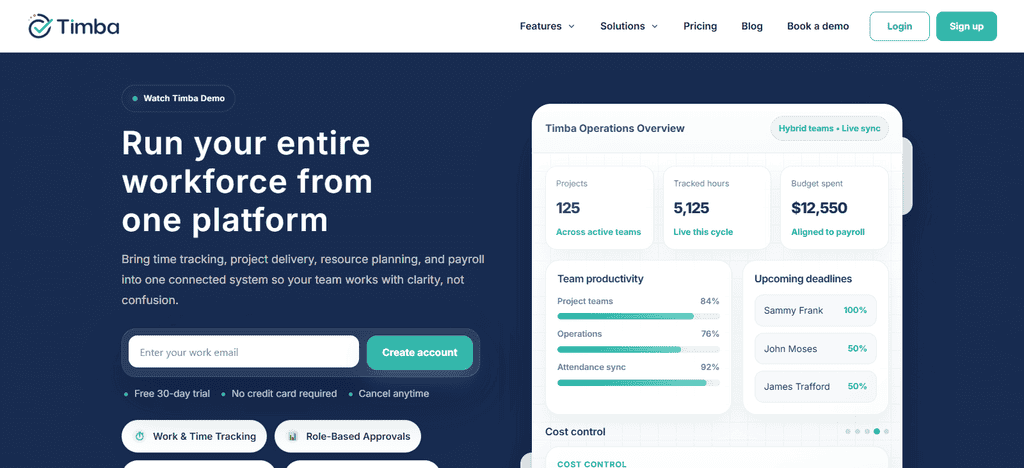
This could be a brand-new project or a project that is not visible, so users should do their due diligence on the project’s website, social media channels, smart-contract address and audit status before connecting a wallet or depositing funds. Do not take unsubstantiated promotional claims as established platform features.
Advantages
- supports multiplayer games on Web and Telegram
- Accepts SOL, USDC, USDT and other supported token options.
- It uses commit-reveal verification to verify game results.
- Provides transparent logs of on-chain settlement and payouts.
Disadvantages
- Has a small selection of games at the moment.
- If you’re using a Telegram wallet, be careful with your private keys.
- The platform charges a fee for finished games.
Activity stats, displayed publicly, have little completed game history
6. Agentino
There is also insufficient verifiable public documentation in the sources reviewed to determine whether Agentino Agentino is a live Solana game, its genre, reward structure, or on-chain mechanics. A name that might hint at some AI-agent or character based gaming concept, but don’t assume it is until the company officially confirms it.
By checking out the project’s official channels, contract addresses, token disclosures, team transparency, and community reputation before getting involved, you minimize exposure to unpolished or misleading Web3 projects.
Benefits
- Powers AI-agent competitions on Solana.
- Features Coinflip, Blackjack and Texas Hold’em.
- Uses Switchboard VRF to obtain verifiable randomness.
- Offers API and MCP integrations for AI agents.
Cons
- Technical knowledge needed for agent integration.
- Its primary competitors are AI agents, not human players.
- Game results are based on verifiable randomness rather than player skill alone.
- Most human users are spectators rather than direct gameplay controllers.
7. flip.bet
flip.bet flip.bet (also known as Flip.gg) is a Solana-based crypto gambling site, not a PvP game of skill. It has lootbox openings, player battles, crash, wheel, mines, and an upgrader and accepts wagers in SOL and select SPL tokens like BONK and JUP.
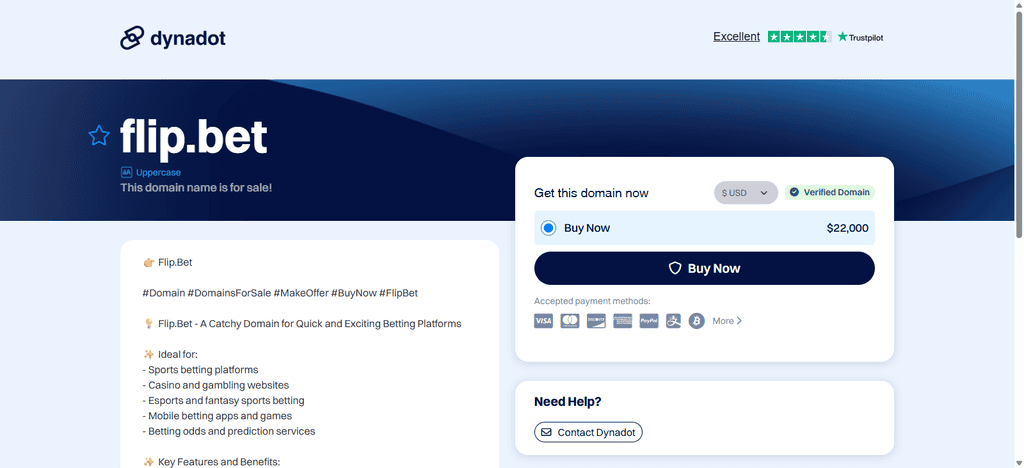
The platform is marketed as provably fair, with instant deposits and withdrawals, and low minimum stakes. Because results are random, bankroll limits and knowledge of risk are important.
Advantages
- Switchboard VRF for randomness verification.
- focus on coin-flip contests in a peer-to-peer setting.
- Offers a simple and familiar game format.
- Uses Solana for blockchain game settlement.
Cons
- Limited variety of games.
- A coin-flip has a random outcome.
- Now all bets are off.
- Broader platform features and current adoption are not well documented
8. ChainPlay
Results show ChainPlay has two separate identities. ChainPlay.games is a Solana Web3 arcade where users connect a wallet, deposit SOL and choose from familiar arcade games to compete or wager peer to peer.
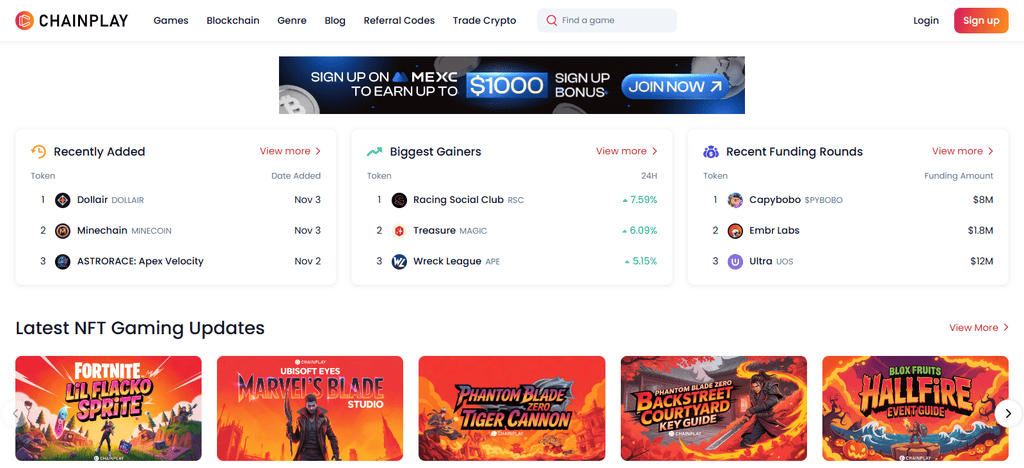
They are planning on cross game tournaments, rankings, XP, live spectating and esports style features. ChainPlay.gg, in contrast, is a blockchain-gaming media and discovery platform offering game reviews, analytics, NFT tracking and play-to-earn guides across multiple chains.
Advantages
- The focus is on social and competitive arcade gaming.
- Supports competitions with friends, peer-to-peer.
- Includes competitive gameplay based on tournaments.
- Plans for cross-game leaderboards and esports functionality.
Disadvantages
- It’s yet to be decided what the full game library will be.
- Early access is now live on the platform.
- Some tournament features planned may not be fully available.
- It has a developing long-term player community
9. Super size me
Supersize is a real-time multiplayer action game on Solana with an agar on chain.io-style “eat to grow” loop. Players pay a fee to participate . They compete to collect tokens . They can leave and cash out their score .
The project is focused on transparent on-chain activity, and claims to run without centralized servers, linking gameplay outcomes to Solana’s public ledger. Its model is a fusion of casual arcade mechanics with real-crypto stakes and direct withdrawal of earned value.
Advantages
- Logs game actions and outcomes on Solana.
- It supports real-time multiplayer gaming on-chain.
- Utilizes a zero-centralized-server gaming architecture.
- Enables token based gameplay and player withdrawals.
Negatives
- It has a limited selection of games available.
- Users may need to understand blockchain transactions for on-chain gameplay.
- Risk of financial in competition with tokens.
- Smart-contract vulnerabilities are not eliminated by the absence of centralized servers.
10. Panzerdogs
Panzerdogs is a fast-paced PvP tank brawler, built originally on Solana. Players control customizable tanks in top-down arena combat. There is skill based shooting and dodging with modes like deathmatch, capture the flag, team deathmatch and survival.
Players can own, upgrade and use NFT Dog Commanders and Tank Parts in PvP or PvE battles. Game is browser and mobile friendly. NFT ownership is optional for new players. Later reporting indicates some asset activity moved to Sui.
Pros
- Features competitive multiplayer tank combat.
- Includes various game modes and battle maps.
- Customizable tanks and NFT-based gaming assets.
- Offers team based gameplay and progression features.
Cons
- Additional purchasing costs for NFT assets
- It takes a while to customize and advance your tank.
- Its ecosystem is not restricted to Solana anymore.
- It needs to validate its current Solana-specific features and marketplace support.
Key Benefits of P2P Gaming Platforms on Solana
Peer-to-Peer Gameplay: Players can directly challenge other players to multiplayer matches, skill-based challenges, private duels, and competitive tournaments without fully relying on traditional centralized gaming systems.
Integration with Solana Blockchain: These platforms rely on the Solana blockchain infrastructure to process transactions, record supported gaming activities, and enable digital asset transfers while offering relatively fast confirmation times and low network fees.
Crypto Wallet Connectivity: Players can connect compatible Solana wallets, such as Phantom and Solflare, to manage supported tokens, authorize transactions, participate in games, and claim eligible rewards.
SOL and Token Payments: Depending on the platform’s payment system, they may allow SOL, USDC, or other tokens for entry fees, in-game transactions, player wagers, and reward distribution.
Smart Contract Settlement: Some platforms use on-chain programs or intelligent contracts to manage escrow, verify match outcomes, distribute prizes and record transactions according to predefined rules.
NFTs in Gaming Assets: Some platforms embed NFTs like characters, collectibles, gear or other digital resources that players can own, use, trade or customize in the supported games.
Competitive Gaming Systems: Leaderboards, matchmaking, multiplayer tournaments, player rankings, and skill-based challenges foster competitive environments and promote participation in different gaming categories.
Transparent Transactions & Rewards: The blockchain transaction history allows players to verify the payments, transfers and payouts themselves. This guaranties financial transparency but doesn’t ensure fair gameplay or remove platform risks.
Conclusion
New possibilities are opening up for multiplayer contests, skill-based challenges and blockchain-enabled gaming thanks to Solana-based peer-to-peer gaming platforms. Examples of various approaches to player competition, token payments, and rewards include platforms like Sol2P, ChainPot, Quip, BattleFrens, and Timba.
Features like wallet connectivity, smart contract settlements, NFT integration, and transparent transactions are making the gaming ecosystem interesting. But before participating, players must consider the platforms’ availability, supported tokens, transaction fees, security, and wagering conditions. Ultimately, the best platform will depend on individual gaming preferences, gameplay quality, transparency and the level of security provided.
FAQ
What Are Solana-Based P2P Gaming Platforms?
Solana-based P2P gaming platforms are blockchain-powered applications that allow players to compete directly through multiplayer games, skill-based challenges, and tournaments using Solana infrastructure.
How Does P2P Gaming Work on Solana?
Players connect compatible crypto wallets, join available matches, compete against other players, and use supported blockchain transactions for entry fees, escrow, and eligible reward payouts.
Which Tokens Are Used on Solana Gaming Platforms?
SOL is commonly used across Solana gaming ecosystems. Some platforms also support USDC, USDT, or platform-specific tokens for payments and gaming activities.
Do Solana P2P Gaming Platforms Support NFTs?
Yes, selected platforms integrate NFTs as collectible characters, gaming equipment, digital assets, or other in-game items with different ownership and utility features.