

In this article, I will discuss the Best Web3 GameFi Platforms with Liquidity Staking, combining blockchain gaming, NFT ownership and decentralized finance opportunities. These platforms enable users to test various games and participate in token-based ecosystems and liquidity pools, with the potential for staking rewards.
From Axie Infinity and DeFi Kingdoms to Aavegotchi and Immutable, each platform has unique features and earning mechanisms. I will also cover the tokens they support, staking options, gaming features, and the biggest risks to be aware of.
What Are Web3 GameFi Platforms with Liquidity Staking?
Web3 GameFi platforms with liquidity staking are online gaming ecosystems that are built on blockchain technology and combine online gaming, NFT ownership, cryptocurrency rewards, and decentralized finance (DeFi) features. These platforms offer players the ability to play blockchain games and provide liquidity to the pools of tokens they support.
Users add acceptable pairs of cryptocurrency to the liquidity pools and can receive liquidity provider (LP) tokens for their share. Sometimes you can stake these LP tokens to earn extra rewards. Users can also access NFT marketplaces, token swapping, yield farming and play-to-earn activities depending on the platform.

Key Components:
Blockchain Gaming: Games that are decentralized, where in-game assets and transactions are stored on Blockchain networks.
Liquidity Pools: Users deposit supported crypto pairs into pools to provide liquidity for decentralized exchanges.
LP Tokens: Liquidity providers are rewarded with LP tokens, which are a representation of their share in a liquidity pool.
Liquidity Staking: Eligible LP tokens can be staked in staking contracts to receive additional incentives.
Native Gaming Tokens: The platforms employ native tokens for staking, governance, marketplace payments, and gaming activities.
NFT Ownership: Players can buy, sell and use characters, cards, land and other digital items on the blockchain. 7. Staking Rewards: Based on the platform’s reward structure, users can earn token incentives, trading fees or other rewards.
DeFi Integration: Gaming ecosystems incorporate decentralized exchanges, token swaps, yield farming, and other financial services.
How to Choose the Best Web3 GameFi Platform with Liquidity Staking?
Verify if liquidity staking is available: Opt for platforms that provide real liquidity staking via LP tokens or dedicated liquidity programs. Check the minimum deposit, the staking period, the reward payout, and the withdrawal terms before participating.
Check out Supported Tokens: Take a look at the supported cryptocurrencies, native gaming tokens, and qualifying liquidity pairs. Select platforms that provide enough token utility, trading volume and easy-to-access liquidity for your preferred gaming and staking activities.
Compare Staking Rewards: Look at APY, how often you get rewards, what tokens you get rewarded in, and incentive structures. Token emissions and market prices can affect your actual earnings, so don’t just pick platforms based on high advertised returns.
Review Pools: Review the available trading pairs, the pool depth, trading volume, and liquidity provider fees. Opt for platforms that clearly state the pool they are going into and have sufficient liquidity to reduce potential problems with withdrawals and price-impact.
Check Blockchain Networks: Check supported networks, transaction fees, confirmation speed, and scalability. Select platforms that are built on the reliable blockchain infrastructure that makes it convenient to carry out gaming transactions, token swaps, and staking activities.
Check Security and a Smart Contract: Review smart contract audits, security procedures, wallet permissions and past vulnerabilities. Choose those with transparent contracts and demonstrated security practices to mitigate technical risk.
Check The Gaming Features and Utility of NFTs: Check out the games supported, quality of gameplay, ownership of NFTs, marketplace features, and functionality of digital resources. Select ecosystems where the gaming activities provide real utility beyond token earning opportunities.
Understand DeFi Integration and Risks: Check out decentralized exchanges, yield farming, wallet compatibility and token withdrawal options. Understand impermanent loss , token volatility , changing rewards , and smart contract risks before committing funds .
Key Points
| Platform / Ecosystem | Key Point |
|---|---|
| Axie Infinity | A leading play-to-earn game ecosystem where AXS can be staked for rewards, while SLP supports breeding and in-game progression. |
| DeFi Kingdoms | Combines a fantasy RPG with DeFi: users can stake JEWEL in “The Gardens” and earn rewards. |
| Aavegotchi | A gamified DeFi ecosystem where Aavegotchi NFTs hold deposited crypto and generate yield, alongside GHST-based game rewards. |
| Splinterlands | A blockchain card game with SPS and DEC token utility; staking and land upgrades are part of its GameFi economy. |
| Vulcan Forged / Elysium | A Web3 gaming ecosystem using PYR and LAVA, where players stake or use tokens for land upgrades, gameplay rewards, and ecosystem participation |
| Planet IX | A strategy GameFi platform where PIX tokens can be staked on land to generate in-game resources and unlock assets |
| GameFi.org | A Web3 gaming launchpad and hub offering token sales, NFT trading, staking, and yield-related services. |
| WINR Protocol | An on-chain casino liquidity protocol where liquidity providers and WINR stakers receive revenue distributions from gaming operators. |
| Immutable | A major Web3 gaming infrastructure platform supporting game economies, NFT trading, and reward systems across a large ecosystem of games. |
| The Sandbox | A metaverse gaming platform where SAND is used for assets, experiences, and creator rewards; its economy supports NFT ownership and participation incentives |
1. Axie Infinity
Axie Infinity is one of the most popular blockchain gaming ecosystems and is mainly built on the Ronin Network, an Ethereum-compatible sidechain, which was built to facilitate fast and low-cost transactions. The platform lets players collect, breed, battle, and trade NFT-based creatures called Axies, while engaging in a player-owned economy.
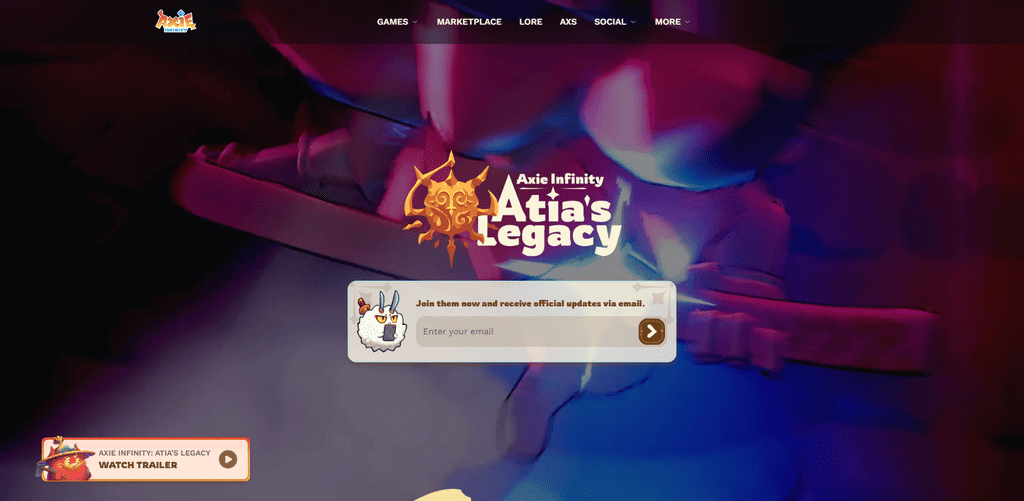
Axie Infinity has tokens like AXS (Axie Infinity Shards) and SLP (Smooth Love Potion) for governance, rewards, and in-game activities. AXS holders can stake AXS and earn rewards while helping to secure the ecosystem and there are mechanisms for liquidity staking of AXS. DeFi integration brings decentralized exchanges, NFT marketplaces, and liquidity pools to the Ronin ecosystem, enhancing token utility and player participation.
Best For:
- Players interested in creature battles and NFT ownership in the blockchain space.
- Gamers who enjoy strategy gameplay and collecting digital characters.
- users who want to stake AXS tokens and participate in the ecosystem governance
- NFT collectors interested in gaming digital content.
- Players exploring Ronin blockchain gaming ecosystem.
Best Use Cases
- Competing in creature battles.
- Axie NFT collecting, breeding and trading.
- Earn eligible rewards by staking your AXS tokens.
- Exploring NFT economies in gaming.
- Participating in Ronin-based DeFi and token liquidity opportunities.
2. DeFi Kingdoms
DeFi Kingdoms is a unique play-to-earn ecosystem combining decentralized finance with fantasy gaming. The platform was initially launched on Harmony and later expanded to the DFK Chain powered by Avalanche, and revolves around hero NFTs, quests and kingdom building mechanics. The main token that is supported is JEWEL, and there are other assets in the ecosystem to trade and earn rewards.
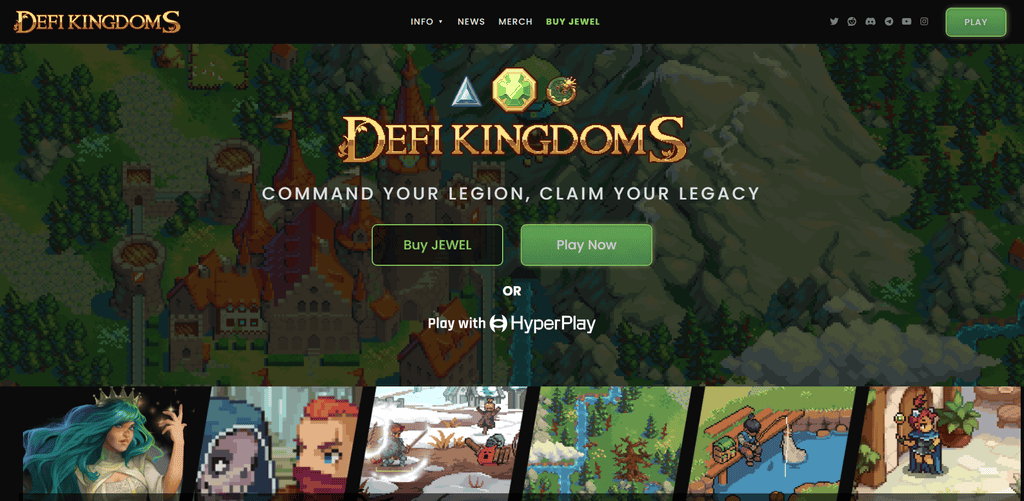
The game has big liquidity pools where players can provide liquidity for token pairs and earn yield farming rewards. Liquidity staking continues to be a central function that enables users to earn staking rewards while assisting in supporting liquidity to the market.
The DeFi integration includes decentralized exchanges, yield farming, governance participation and cross-chain asset management, providing a seamless connection between gaming and decentralized finance.
Best suited for:
- Gamers who want to combine fantasy RPG gameplay and DeFi.
- Users who want to farm LP tokens
- Gamers who like NFT heroes and character development.
- Liquidity providers who want to be incentivized with gaming tokens.
- Users looking at decentralized exchanges in gaming ecosystems.
Ideal Use Cases:
- Liquidity to the token pairs that are supported.
- Farming rewards by depositing LP tokens in Gardens.
- Completing quests and growing NFT heroes.
- Trade ecosystem tokens on DEXs.
- Fantasy gaming and DeFi
3. Aavegotchi
Aavegotchi is a blockchain gaming platform that utilizes DeFi features and collectible NFT ghosts, called Gotchis. The game runs on the Polygon Network and uses decentralized finance to allow NFTs to be backed by yield-generating crypto assets.
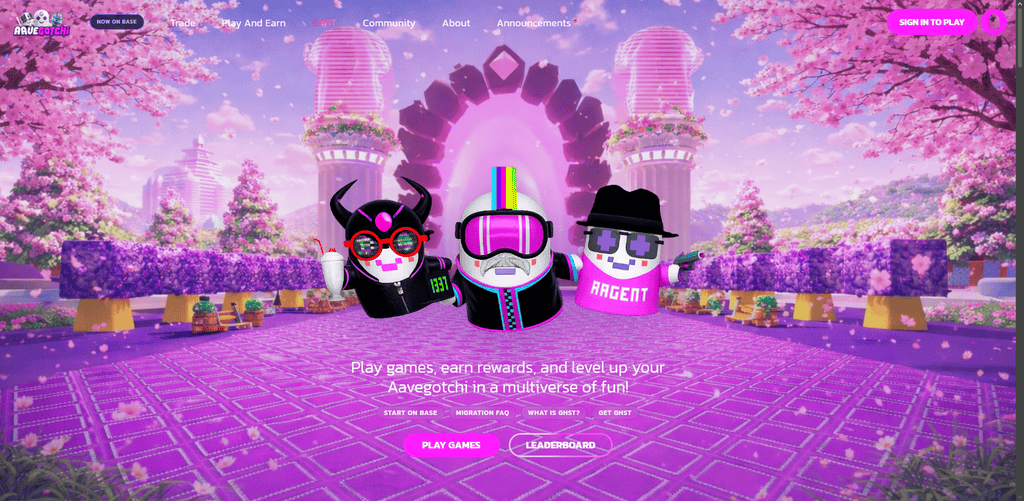
The main token GHST powers purchases, governance, staking and marketplace transactions. Aavegotchi allows users to participate in liquidity mining and staking, and be rewarded for their contribution to the ecosystem. Players can join liquidity pools and get incentives from DEXs (decentralized exchanges) that are integrated into the platform.
The game’s deep DeFi integration connects directly with lending protocols and staking systems, making each NFT a productive on-chain asset while delivering an engaging gaming experience.
Best For:
- NFT fans looking to add DeFi-powered digital characters to their collection.
- Players navigating virtual land and metaverse experiences.
- Users who want to stake GHST tokens and provide liquidity.
- Gamers looking for collectible NFT games.
- DeFi actors looking for gaming-related reward systems.
Best Use Cases:
- Activities and virtual land in Gotchiverse.
- Collecting and breeding Aavegotchi NFT characters.
- Provide liquidity for the supported GHST trading pairs.
- Taking part in qualifying GLTR liquidity incentive programs.
- Exchange gaming tokens and handle digital collectibles
4. Splinterlands
Splinterlands is a popular collectible card game on the Hive Blockchain. In competitive play, players build strategic card decks, fight opponents, and collect digital rewards. Supported tokens are SPS (Splintershards) and DEC (Dark Energy Crystals). Both of these tokens are important for governance, rewards and marketplace transactions.
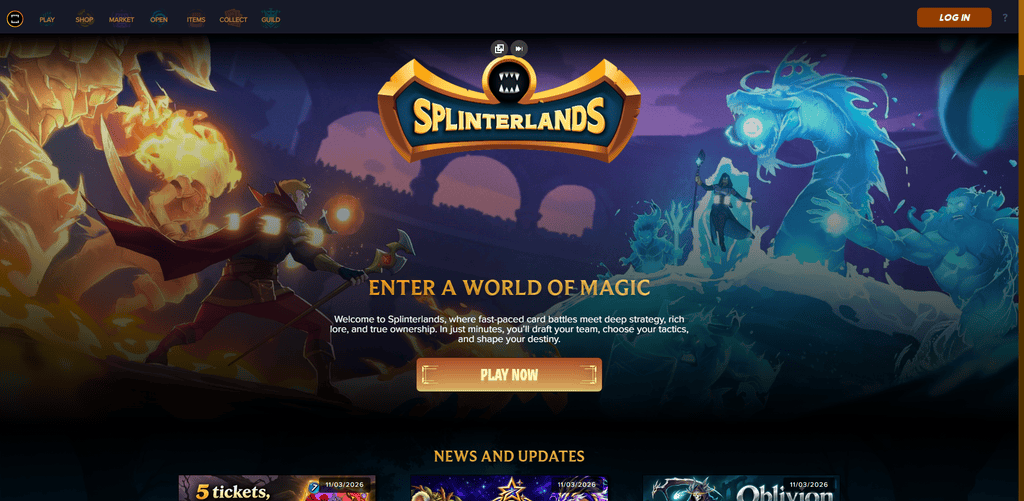
Holders of SPS tokens can stake them and gain additional ecosystem rewards and governance rights. Token holders are provided earning opportunities through external decentralized finance partnerships with liquidity pools.
Splinterlands combines the ideas of blockchain ownership and tokenized economies with fast and cheap transactions, making it one of the most accessible GameFi projects for both new and experienced crypto gamers.
Best Suitable For:
- Players who like strategic collectible card battling.
- Players that want to own cards through NFTs.
- Users considering SPS staking and governance participation.
- Competitive players looking to get into tournaments and guild wars.
- Blockchain gamers receive token-based gaming rewards.
Best Use Cases:
- Construct strategic decks of cards for combat.
- Competing in ranked matches and tournaments.
- Stake SPS for eligible ecosystem rewards.
-Trading collectible cards on the NFT marketplace. - Providing liquidity to supported token pairs where possible
5. Vulcan Forged / Elysium
Vulcan Forged is a blockchain gaming ecosystem that includes various play-to-earn games, NFT marketplaces and metaverse experiences powered by its proprietary Elysium Blockchain. PYR is the core utility token of the platform and is used for staking, governance, NFT transactions and game rewards.
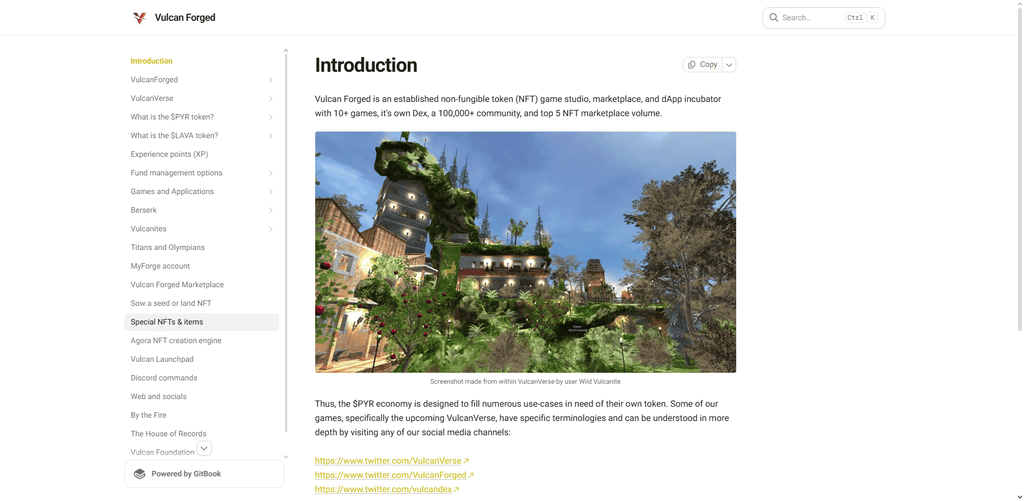
Vulcan Forged also has liquidity staking programs that allow token holders to earn passive yields while helping the ecosystem grow. Liquidity pools enable token trading and decentralized finance activity across the network.
The ecosystem comprises games, virtual land ownership, digital asset trading and NFT management solutions. DeFi integration allows users to stake tokens, provide liquidity and participate in decentralized governance, while remaining active in a wide gaming environment.
Best For:
- Gamers who are into fantasy worlds on the blockchain.
- Players exploring several games within one ecosystem.
- NFT collectors interested in gaming assets and virtual lands.
- Users interested in PYR staking and liquidity opportunities.
- Blockchain game infrastructure developers
Best Use Cases:
- Check out other games in the ecosystem, like VulcanVerse.
- Trading of gaming NFTs and digital collectibles.
- Lock eligible PYR tokens.
- Engaging in supported liquidity farming opportunities.
- Leverage the decentralized exchange capabilities for ecosystem tokens
6. Planet IX
Planet IX is a GameFi metaverse strategy platform operating on the Polygon Blockchain. The game has a focus on the themes of digital land ownership and environmental restoration. Players buy virtual land NFTs called PIX, merge territories and engage in resource-driven gameplay.
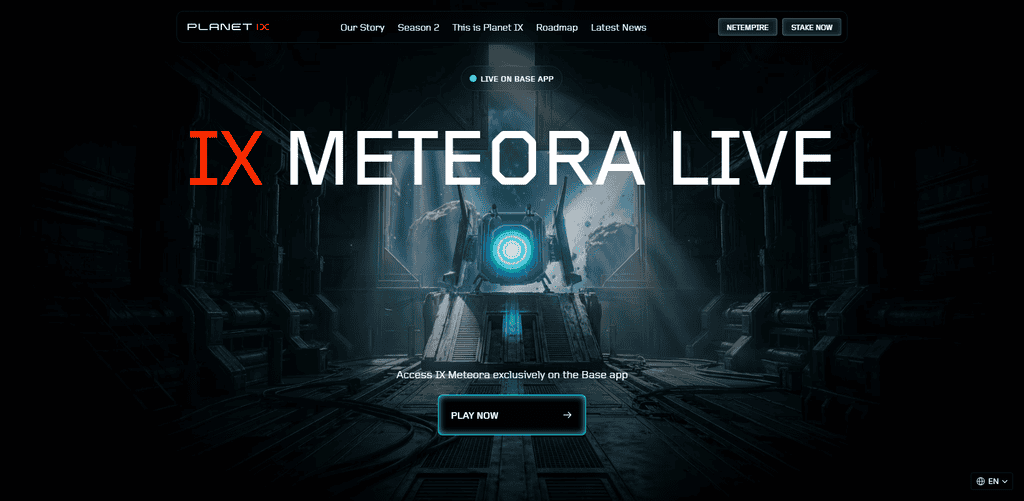
The IXT token is used within the ecosystem for governance, transactions, staking, and distribution of rewards. Planet IX has staking options where token holders can earn returns and support the network’s activity.
Liquidity pools are the mechanism that keep markets efficient and enable decentralized trading. The platform integrates DeFi features directly into its metaverse economy, giving users the chance to earn rewards, own digital possessions, and participate in decentralized governance structures.
Best For:
- Gamers who are interested in the strategy of owning virtual land.
- NFT collectors looking for gaming assets based on digital property.
- People who are looking to stake AIX token.
Gamers who enjoy territory development and resource management. - DeFi users looking at token economies around gaming.
Best Use Cases:
- Acquire and level up PIX land NFTs.
- Creating virtual territories and managing digital resources.
- Taking part in eligible AIX staking programs.
- Seeking supported token liquidity options.
- Trading and managing digital collectibles within the game
7. GameFi.org
GameFi.org is an all-in-one blockchain gaming hub that brings together players, investors, guilds, and developers into one ecosystem. The platform is based on multiple blockchain networks and supports a variety of GameFi projects and decentralized applications.
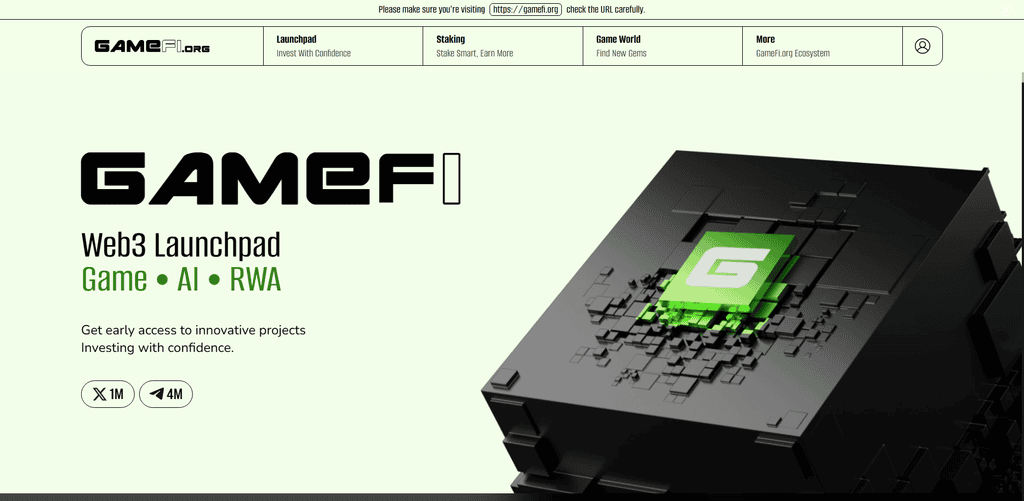
Its native GAFI token powers governance, staking, access to the launchpad and ecosystem rewards. Liquidity staking programs incentivize token holders to lock up assets and earn yield while supporting the growth of the project.
The platform offers liquidity pools for efficient token swapping and investment opportunities. GameFi.org has a strong DeFi integration, to access staking products, yield farming, NFT marketplaces, project launchpads and decentralized governance. It is a central infrastructure platform for blockchain gaming enthusiasts.
Best For
- Users who discover new blockchain gaming projects.
- Investors are looking for Web3 gaming launchpad opportunities.
- GAFI token holders who want to stake.
- Gamers seeking multiple blockchain gaming ecosystems.
- Users interested in participating in gaming projects and getting early access.
Best Use Cases:
- Identifying the next blockchain gaming projects.
Participate in launches of eligible gaming projects. - Stake your GAFI tokens and gain benefits on the platform.
- Looking into NFT gaming opportunities.
- Combining Web3 gaming investments with token participation
8. WINR Protocol
WINR Protocol is a decentralized gaming infrastructure solution for blockchain-based betting, gaming applications and reward systems. It primarily functions within Arbitrum and Ethereum-compatible ecosystems, offering transparent gaming frameworks driven by smart contract technology.
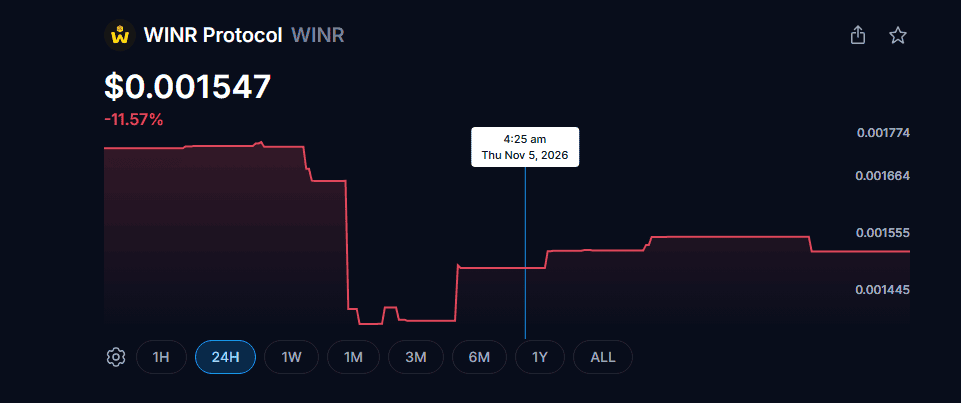
WINR tokens are used for governance, staking and ecosystem participation in the protocol. Liquidity staking mechanisms incentivize users to loan out assets to facilitate decentralized gaming operations.
Liquidity pools enable seamless token swaps and platform sustainability through decentralized finance incentives. WINR’s DeFi integration enables developers and players to enjoy transparent reward distribution, decentralized governance, yield generation, and interoperable blockchain gaming services focused on ownership and trustless participation.
Ideal For:
- Users focused on the on-chain gaming infrastructure.
- Liquidity Providers who want to participate in the bankroll.
- Developers creating blockchain-based gaming applications.
- Players looking for transparent smart contract gaming.
- DeFi participants exploring liquidity models based on gaming revenue.
Best Use Cases:
- Providing liquidity to the common gaming bankroll.
- Engaging in gaming experiences that are supported on-chain.
- Considering how to split the bankroll and revenue distribution.
- Integration of gaming applications to shared liquidity infrastructure.
- Transparent gaming transactions on blockchain monitoring
9. Immutable
Immutable is a leading blockchain gaming infrastructure provider built on Immutable X and Immutable zkEVM, built specifically for NFT and gaming use cases. Its ecosystem supports a diverse range of Web3 games with scalable and low cost transactions. Its native token, IMX, powers governance, staking, fee payments and ecosystem incentives.
Users can participate in staking programs that reward while contributing to network operations. Liquidity pools and decentralized finance collaborations help to facilitate token utility and market liquidity. Immutable combines Layer-2 technologies with NFT marketplaces, gaming assets and developer tools to become a leading blockchain network for large-scale GameFi and digital asset ecosystems.
Best For
- Game developers in blockchain looking for scalable infrastructure.
- Gamers looking for NFT gaming ecosystems
- Players playing Ethereum-enabled Web3 games.
- Developers creating digital asset ownership experiences.
- Users interested in learning about IMX token utility and staking opportunities.
Best Use Cases
- Creating and launching blockchain games.
- Buying and selling gaming NFTs and digital collectibles.
- Exploring games like Gods Unchained and Guild of Guardians.
- Staking in eligible staking programs on IMX.
- Incorporating blockchain-based asset ownership into the gaming experiences
10. The Sandbox
The Sandbox is a decentralized virtual world and metaverse platform powered by the Ethereum Blockchain that enables users to create, own and monetize digital experiences using NFTs and virtual land. The ecosystem revolves around the SAND token which is used for transactions, staking, governance and marketplace.
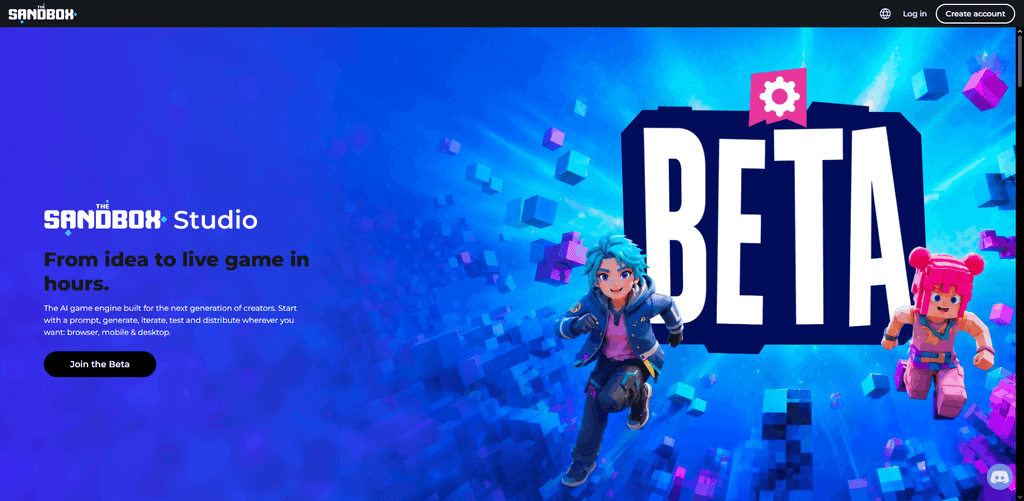
Players can engage in staking programs that offer token rewards and ecosystem benefits. Liquidity pools provide SAND holders with decentralized trading and yield-earning opportunities.
The Sandbox combines DeFi features such as staking services, NFT ownership, decentralized governance and digital asset monetization to create a complete metaverse ecosystem where players and creators actively participate in a user-owned economy.
Best For:
- Creators who want to build virtual gaming experiences.
- Players are checking out social gaming in the metaverse.
- NFT collectors who want to own virtual LAND.
- Developers of voxel-based blockchain games.
- Users who want to build and monetize digital resources.
Best Uses:
- Creating and publishing user-generated gaming experiences.
- LAND NFT purchase, sale and management.
- Building and sharing digital resources in voxel format
- Creating virtual experiences for community engagement
- Diving into past SAND staking and liquidity programs that concluded in June 2025.
Conclusion
Web3 GameFi platforms with liquidity staking combine blockchain gaming, NFT ownership, cryptocurrency rewards and opportunities in a world of decentralized finance. The WINR Protocol is all about shared liquidity, unlike games like Axie Infinity, DeFi Kingdoms, Aavegotchi, and Splinterlands that have different gaming and token participation models.
Each ecosystem has different features, staking methods and DeFi integrations. Users should compare the supported tokens, liquidity pools, reward structures, blockchain networks and smart contract security before deciding on a platform. It is equally crucial to understand impermanent loss and token volatility to make informed decisions in the evolving GameFi ecosystem.
FAQ
What Are Web3 GameFi Platforms with Liquidity Staking?
Web3 GameFi platforms combine blockchain gaming, NFTs, cryptocurrency tokens, and DeFi features. Liquidity staking allows eligible users to provide liquidity and stake LP tokens to earn additional rewards.
How Does Liquidity Staking Work in GameFi Platforms?
Users deposit supported cryptocurrency pairs into liquidity pools and receive LP tokens. They can stake eligible LP tokens in supported contracts to earn incentives or trading-related rewards.
What Is the Difference Between Token Staking and Liquidity Staking?
Token staking involves locking native cryptocurrencies to earn rewards, while liquidity staking generally requires depositing token pairs into liquidity pools and staking the resulting LP tokens.
Which Web3 GameFi Platforms Support Liquidity Staking?
DeFi Kingdoms and Aavegotchi offer documented LP staking opportunities. Vulcan Forged and other ecosystems provide different liquidity or farming mechanisms, depending on available programs.
What Are LP Tokens in GameFi?
LP tokens represent a user’s proportional share of a liquidity pool. They may also be deposited into eligible staking contracts to receive additional incentives.