

Web3 gaming is connecting different blockchain networks, digital currencies, and gaming experiences to open up new possibilities for casual players. In this article, I will talk about the Best Cross-Chain Web3 Game Hubs for Casual Players, focusing on the platforms that make it easier to discover and play blockchain games.
I will talk about their main features, supported networks, wallet compatibility, NFT options, and gaming experiences so that readers can know which platforms offer better accessibility, flexibility, and entertainment for everyday gaming.
What Are Cross-Chain Web3 Game Hubs?
Cross chain Web3 game hubs are gaming platforms that connect players to blockchain-based games across multiple blockchain networks. They allow casual gamers to discover games, get access to digital resources, link their wallets, and explore multiple gaming ecosystems without being tied to one blockchain. Their main purposes are:
Multi-Chain Game Access: These hubs help players find and join blockchain games across different networks, expanding the range of gaming options available within interconnected Web3 ecosystems.

Game Discovery – They provide curated gaming libraries for users to explore various genres, explore available titles, and discover games that suit their interests.
Wallet Integration: Most platforms allow connection to Web3 wallets so that players can manage eligible digital resources and connect with blockchain-powered gaming applications.
NFT Ownership: Eligible Games allow players to own, collect, use and trade eligible NFTs including characters, equipment, skins and other in-game collectibles.
Cross-Chain Compatibility: Some hubs offer infrastructure or integrations that enable users to interact with other blockchain networks, but asset transfers and compatibility depend on the platform.
Casual Gaming Experience: intuitive interfaces, easy onboarding, and accessible game categories help non-technical players discover blockchain gaming.
Rewards and Quests: Some platforms provide gaming missions, achievements, leaderboards and promotional rewards to boost participation and community engagement.
Gaming Ecosystem Connectivity: These hubs link players, developers, blockchain networks, and gaming communities, providing opportunities to explore different Web3 gaming experiences.
How to Choose the Best Cross-Chain Web3 Game Hub for Casual Players?
Supported Blockchain Networks: Select a hub that supports multiple blockchain networks, enabling you to explore different games, access compatible ecosystems, and enjoy more freedom in switching gaming platforms.
Game Selection: Check out the kind of games the site has, like arcade, strategy, racing, RPG and card games, to make sure there are fun games that you like and enjoy playing.
Wallet Compatibility: Check that the platform is compatible with mainstream Web3 wallets to allow for simple connection, secure authentication and easy management of digital assets as well as enabling a smooth gaming experience across compatible networks.
Cross-Chain Compatibility: Ensure that the platform supports multiple blockchain ecosystems, compatible assets, and cross-chain functionality, and do not assume that all games or NFTs will run seamlessly on all networks.
User-Friendly Design: Seek out platforms that provide easy navigation, simple registration, clear instructions, and easy game discovery features to allow new users to explore Web3 gaming without needing extensive technical knowledge.
Transaction Fees: Compare network gas fees, marketplace fees and other gaming-related costs before selecting a platform to avoid unexpected costs when buying, transferring or managing digital property.
NFT and Asset Support: See if supported games feature NFT ownership, collectible trading, and in-game asset management. Review ownership terms and marketplace compatibility prior to buying.
Security & Rewards: Assess wallet security, account protection, smart contract transparency, gaming quests, and reward conditions to find reliable platforms that offer engaging experiences without unnecessary financial risks.
Key Points
| Web3 Game Hub | Key Points |
|---|---|
| HyperPlay | Combines Web3 game discovery, multiple game libraries, wallet integration, and gaming quests. |
| Elixir Games | Provides a desktop game launcher, curated game catalog, and gaming community features. |
| GameSwift | Offers one-click game access, integrated wallet functionality, and cross-chain asset management. |
| Immutable Play | Features game discovery, quests, leaderboards, player rewards, and simplified account access. |
| Ronin / Mavis Hub | Provides access to blockchain games, gaming communities, and digital asset management. |
| Gala Games | Combines blockchain games, digital collectibles, player ownership, and an interconnected gaming ecosystem. |
| Open Loot | Combines game access, embedded wallet functionality, digital collectibles, and an integrated marketplace. |
| Treasure | Connects blockchain games through shared ecosystem infrastructure, gaming assets, and community experiences. |
| CROSSx | Offers an integrated wallet, game asset management, and trading features through one application. |
| The Clubhouse | Combines arcade games, poker, racing, leaderboards, quests, and shared gaming activities. |
1. HyperPlay
HyperPlay is a Web3 game store and launcher that brings native blockchain functionality to traditional game distribution. It supports native desktop games and browser titles, all in one application, with discovery, installation, and in-game wallet access. The main differentiator is a MetaMask/WalletConnect overlay that lets players transact without leaving a game.
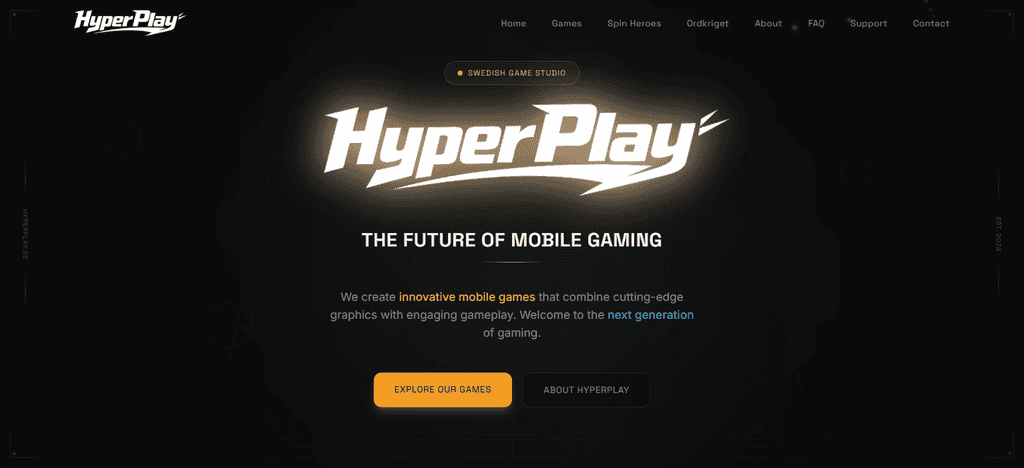
HyperPlay supports EVM compatible and MetaMask supported networks and MetaMask Snaps extends the support to non EVM chains such as Solana and Sui. It directly embeds NFTs, tokens and wallet portfolios into the gameplay, making it beginner friendly for users who know MetaMask but also reducing friction for Web3 onboarding.
Main Features
- Comes with a desktop launcher to discover and launch Web3 games.
- Supports multiple blockchain gaming ecosystems.
- Incorporates Web3 wallets to handle gaming assets.
- Game discovery and library management features.
- Supports games with NFTs & blockchain based ownership.
Best For
- Casual gamers trying out various web3 games.
- PC gamers looking for a one-stop game launcher.
- Gamers who are into blockchain-based digital collectibles.
- Users want to access gaming through their wallet
2. Elixir Games
Elixir Games is a Web3 game distribution platform and PC launcher for players to discover, download, update and manage blockchain games. It marries a game library with tournaments, seasonal events, developer SDK/API tools, and a launchpad for token launches and game promotion.
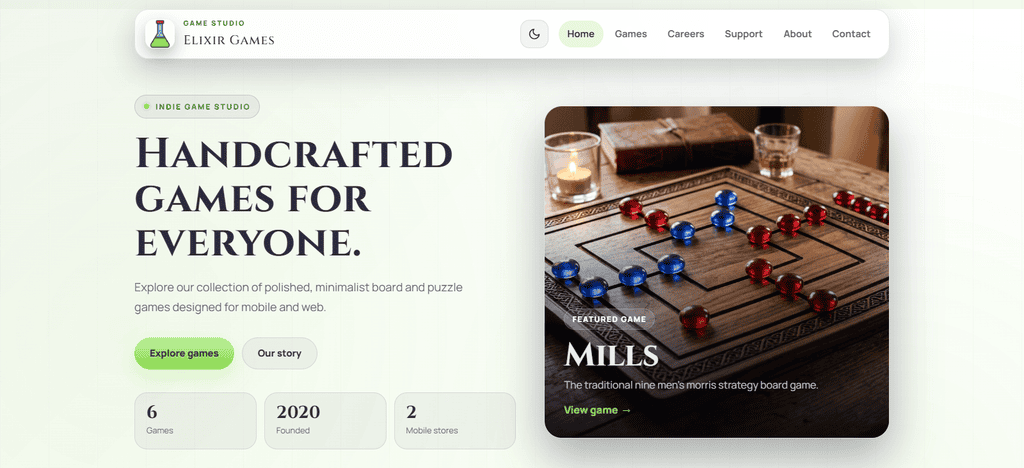
The platform is described as multichain with support for Ethereum, EVM networks, Cosmos, Solana, Starknet and Sui. Its wallet strategy is focused on non-custodial, account-abstraction gaming wallets, including gas-fee sponsorship to ease play. Elixir aims to bring Web3 games to mainstream players with its unified client and cross-platform experience, and is designed to support NFT ownership and digital-asset management.
Key Features:
- Offers a dedicated launcher to browse Web3 games.
- Curated blockchain games.
- Promotes player engagement and gaming communities.
- Access to games across various Web3 ecosystems.
- Provides game distribution and promotion opportunities.
Best For
- Casual gamers discovering new blockchain games.
- Gamers who want a centralized game library.
- Players engaged in different Web3 gaming experiences.
- Users interested in blockchain gaming communities.
3. Game Swift
GameSwift is a Web3 gaming ecosystem built on the GameSwift Chain, which is a modular Layer 2 in the Superchain ecosystem. It offers a gaming platform with more than 120 titles spanning strategy, adventure and other genres and infrastructure for developers to launch and scale games. Its G-BUCKS payment system is built for smooth in-game transactions, and one-click sign-on and “no wallet required” onboarding make crypto easy for newcomers.
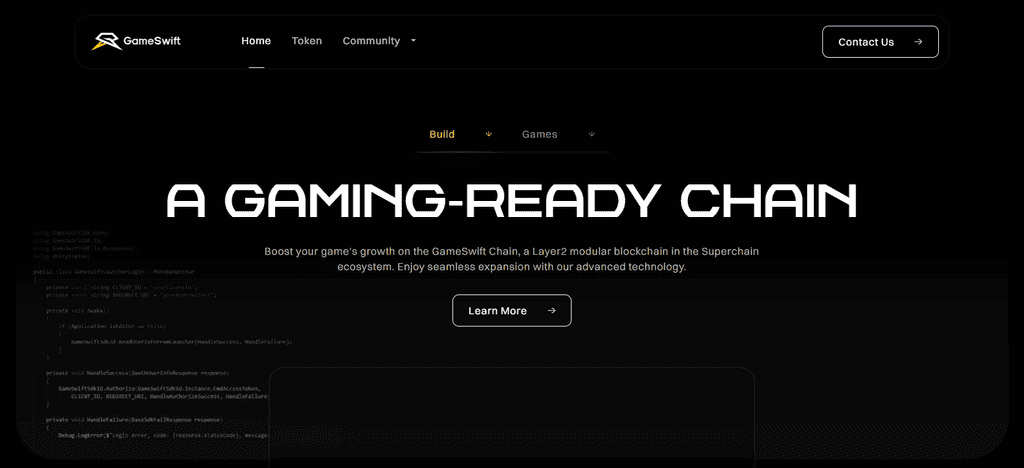
GameSwift is cross-chain interoperable, enabling developers to share in-game resources across chains, while its integrated wallet holds Web3 assets accumulated through play. The platform deals with NFTs and electronic assets, making ownership and cash-out easier.
Main Features
- Provides the infrastructure to access Web3 games.
- It supports gaming ecosystems based on blockchain.
- Provides integrated wallet functionality.
- It is all about making it easy to access blockchain games.
- Supports management of electronic assets in gaming.
Best For
- Beginners entering Web3 gaming
- Casual players who want a simplified entry into the game.
- Players exploring blockchain gaming ecosystems.
- Users interested in digital gaming assets
4. Immutable Play
Immutable Play is the consumer-facing storefront of the Immutable ecosystem, focused on discovery and play of games built on Immutable Chain, a gaming-optimized Ethereum Layer 2. Players will be able to browse trending and new titles, complete quests across multiple games, and manage their Passport wallet — all from one interface.
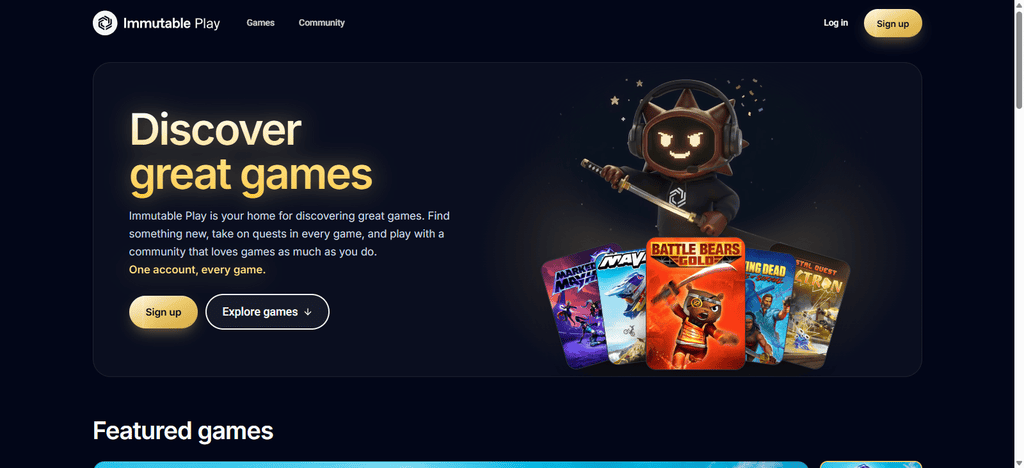
Immutable Passport solves common Web3 problems by allowing login with email or social, auto wallet creation, key management and gas fees. It supports Ethereum based assets like ETH, IMX and game tokens along with tools to send, receive, fund and audit transactions.
It is very beginner-friendly with its Unity and Unreal SDKs and allows developers to add wallets, payments and on-chain assets.
Key Features
- Provides a place to discover blockchain games.
- Provides gaming quests and player engagement activities.
- Gaming achievements and leaderboards included.
- Participating gaming experiences that enable rewards.
- Links players to games within the Immutable ecosystem
Ideal for
- Casual gamers wanting to explore Web3 games.
- Quests and challenges for the gamers.
- Gamers looking for NFT gaming experiences.
- Users who are into gaming achievements and rewards
5. Ronin / Mavis Hub
Ronin is a gaming-oriented blockchain developed by Sky Mavis, the team behind Axie Infinity, and Mavis Hub is its game-distribution and ecosystem app. Mavis Hub provides players with a central location to download, update and access Ronin games, discover new launches and interact with NFT marketplaces and collection tools.
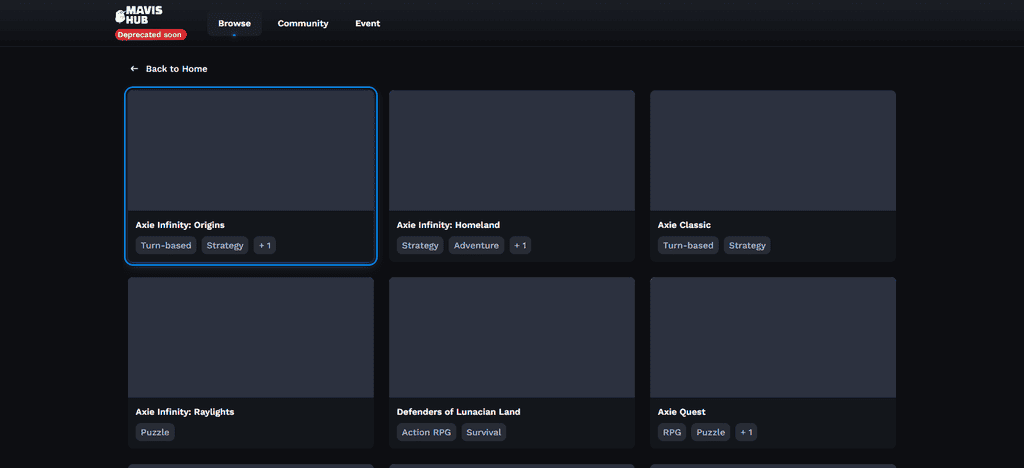
Ronin Wallet is the main wallet for onboarding and the “boarding pass” into the ecosystem, enabling tokens, NFTs, and Web3 login. The ecosystem is focused on play-to-earn, player ownership and community-driven games, as well as a marketplace to trade digital resources. Its beginner experience is fairly smooth as wallet, games, marketplace and asset management are tightly integrated within the Ronin environment.
Main Features
- Provides access to gaming within the Ronin ecosystem.
- Provides gaming experiences powered by block chain.
- Manages ownership and administration of digital resources.
- Links players to gaming communities.
- Launch games via the Mavis Hub launcher.
Best for:
- Casual players looking at Ronin games.
- Players interested in blockchain collectibles
- Players seeking a community-driven gaming experience.
- Anyone looking for play-and-earn game models
6. Gala Games
Gala Games is a blockchain entertainment ecosystem that publishes games, music and film experiences, with gaming at its historical core. GalaChain is a purpose built Layer 1 optimized for gaming transactions at scale, and GALA is the utility and rewards token for the ecosystem.
The catalog includes titles like Town Star, Spider Tanks, Mirandus, and Last Expedition, spanning genres from farming to strategy, shooters, tower defense, and RPGs. Players hold, send and manage assets and NFTs on GalaChain using Gala accounts and the Gala Wallet.
Gala started on Ethereum, but its infrastructure has been transitioning to GalaChain. NFT-compatible standards allow for interoperability with assets based on Ethereum.
Main Features
- Features a portfolio of games based on blockchain technology.
- Support of player ownership of selected digital resources.
- Offers a variety of gaming genres and experiences.
- Uses GalaChain infrastructure for its gaming eco-system.
- Bridges gaming experiences to digital collectibles.
Best For
- Casual gamers who want to try out different game genres.
- Gamers who want to own their digital possessions.
- Gamers looking for blockchain gaming experiences.
- Users who wish to contribute to a community-driven game ecosystem
7. Open Loot
Open Loot Loot is a Web3 gaming platform and marketplace making player-owned economies easier for studios and players. It offers a PC launcher, NFT marketplace, fiat and crypto payments, KYC/AML, fraud controls, customer support and developer APIs.
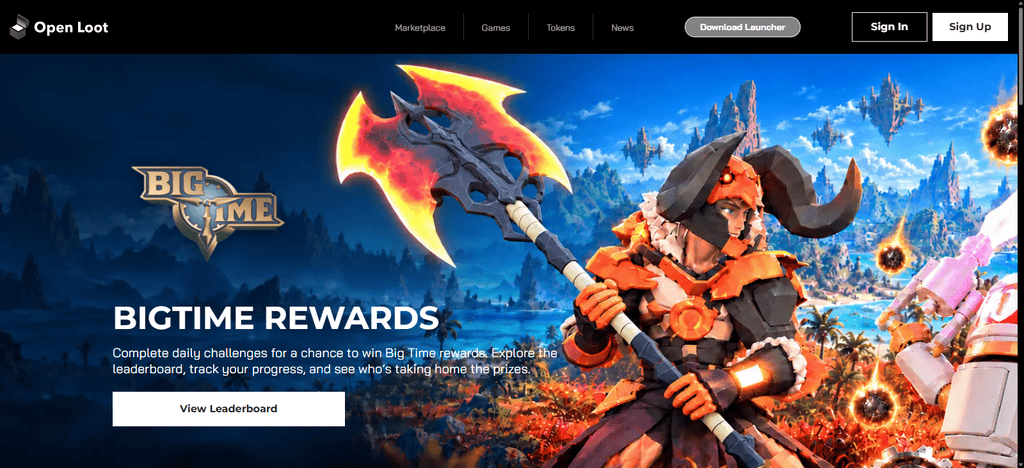
Its Vault system employs custodial accounts to enable newcomers to start with an email rather than immediately managing a wallet, and gas-free NFT buying, selling and renting reduces the friction of transactions. Open Loot currently supports Ethereum and Polygon assets, with more chains planned.
It’s $OL token powers discounts, rewards and ecosystem utility. It’s a very beginner friendly experience as wallets, compliance, payments and asset trading are all bundled into one experience.
Main Features
- Offers a platform to discover Web3 games.
- Provides integrated wallet functionality.
- Support for digital collectibles and in-game assets.
- Has a marketplace of eligible gaming items.
- Links the gaming experience with blockchain-based ownership.
Most Suitable For
- Casual gamers finding Web3 game titles.
- Gamers who are into digital collectibles.
- Players managing blockchain gaming assets.
- Users who want gaming and marketplace functionality in one place
8. Treasures
Treasure is a decentralized gaming ecosystem powered by Web3. The MAGIC token connects games, NFT infrastructure, a marketplace and developer tooling. It originally came about around Arbitrum based games and projects such as Bridgeworld and the Smolverse. Later it developed Treasure Chain as a dedicated gaming network.
Through cross-chain infrastructure, Infinity Chains and connections, Treasure has been moving toward an interoperable multi-chain model including support for Arbitrum and Ronin. Its ecosystem is composed of Magicswap, a decentralized exchange, and tools for studios developing on-chain games.
Players can own, trade, and use NFTs across titles in the ecosystem, but it’s generally more Web3-native and community-driven than fully simplified for absolute beginners.
Main Features
- Integrates blockchain games into one gaming ecosystem.
- Supports digital resources for games.
- Provides the infrastructure for decentralized gaming.
- Promotes collaboration between games and communities.
- utilizes the Arbitrum ecosystem for its blockchain gaming infrastructure.
Best for:
- Web3 games linked together for casual players to discover.
- Gamers entering decentralized gaming ecosystems.
- Players who are into blockchain gaming assets.
- Gamers seeking community-powered gaming experiences
9. CROSSx
CROSSx is the self-custody wallet and Web3 access layer for the CROSS gaming ecosystem for the crypto gamers. It enables users to store and manage tokens and NFTs, log in to Web3 services, and connect across supported blockchain networks, including those based on BNB Chain.
CROSS itself runs an EVM-compatible Layer 1 optimized for gaming, allowing for fungible token & NFT transactions via CROSSx on the CROSS Mainnet. CROSS Play is an NFT marketplace, DEX, on-ramp, rewards, shop, explorer and AI-assisted user experience tools in the broader ecosystem.
CROSSx is convenient for mobile-first users as it brings together wallet security, asset management and game access in one app.
Properties
- Offers an integrated environment for Web3 gaming.
- Allows for digital asset management in gaming.
- Provides wallet functionality to interact with the blockchain.
- connects players to gaming ecosystem assets.
- Provides gaming access across the ecosystems.
Best suited for
- Casual players with Web3 gaming applications.
- Gamers who want to manage their digital possessions.
- Players who want integrated wallet functionality.
- Users finding blockchain gaming ecosystems
10. Clubhouse
Clubhouse is a Web3 social-gaming platform and “Discord for Web3” with community interaction, skill games, NFT staking and cross-chain token economy. It’s live on Solana, Base, and Polygon, with more chains on the way, and works with NFTs and tokens in those ecosystems.
These include Rejected Idol, Rejected Rumbles and GM Life, which are based on the gameplay styles of talent-competition, battle-arena and social-simulation.
Specifically, its Solana-based features are backed by wallets such as Phantom and Solflare. It’s user-friendly for NFT communities but best for users with basic Web3 wallet experience. Players can mint exclusive NFTs, stake assets, and join community activities.
Key Features
- Merges multiple casual gaming experiences.
- Contains arcade-style gaming activities.
- Contains experiences related to poker and racing.
- Includes competitive gaming and leaderboards.
- Encourages player involvement through community events.
Best For
- Casual gamers looking for games that are easy to play.
- Gamers who want to have fun with arcade-style entertainment.
- Gamers who love competitive multiplayer.
- People who want to play games with other people.
Conclusion
Multi-Chain Web3 game hubs are connecting disparate gaming ecosystems, digital resources and blockchain networks to make blockchain gaming more accessible. Platforms like HyperPlay, Elixir Games, GameSwift, Immutable Play, Ronin and Gala Games offer different experiences in terms of game discovery, wallet integration, NFTs and community features.
However, they differ in terms of blockchain compatibility and gaming options. Casual players should consider factors like supported networks, game variety, transaction fees, wallet security, and beginner-friendly features when selecting a platform. Getting the right hub can lead to a more flexible, fun and accessible Web3 gaming experience.
FAQ
What are cross-chain Web3 game hubs?
Cross-chain Web3 game hubs are platforms that help players discover and access blockchain games across different networks, with features such as wallet integration, NFTs, and digital asset management.
Which are the best cross-chain Web3 game hubs for casual players?
Popular options include HyperPlay, Elixir Games, GameSwift, Immutable Play, Ronin / Mavis Hub, Gala Games, Open Loot, Treasure, CROSSx, and The Clubhouse.
Can I play Web3 games without buying NFTs?
Yes. Some Web3 games offer free-to-play experiences without requiring NFT purchases. However, certain games may require digital assets or purchases to access specific features.
Do cross-chain Web3 game hubs support multiple blockchains?
Some hubs provide access to multiple blockchain ecosystems, while others focus on specific networks. Actual compatibility depends on the platform and individual game.
Are cross-chain Web3 game hubs beginner-friendly?
Many platforms provide game discovery tools, wallet integration, and simplified interfaces to help beginners explore blockchain gaming without extensive technical knowledge.