

Smart move to enter the business world with an established brand and a structured business model is choosing the right franchise. But it takes careful research to find an opportunity that fits your budget, experience and long-term goals.
In this article, I will walk you through the Best Franchise Investment Opportunities with internationally acclaimed brands in food, retail, fitness, real estate and hospitality. I will also talk about the important features, limitations, investment considerations and other important factors to help you make an informed decision.
What Are Franchise Investment Opportunities?
Franchise investment opportunities enable individuals or businesses to invest in an established brand and operate a business under the company’s name, products, services, and proven business model.
The franchisee pays an initial franchise fee and may pay continuing royalties or marketing charges to the franchisor. Investors, in turn, get brand recognition, operational guidance, staff training, marketing support and access to existing business systems.
You can get these opportunities in fast food, retail, fitness, real estate, shipping and hospitality industries. However, the investment costs, eligibility requirements, franchise agreements and possible returns depend on the brand, location and business model.
How to Choose the Best Franchise Investment Opportunity?
Assess the Initial Investment: Compare franchise fees, property costs, equipment costs, staffing needs and working capital to see if the total investment is within your financial reach.
Research Brand Reputation: Pick a franchise that has a strong reputation, is well-recognized by customers, has a good market reputation, consistent product quality, and a credible track record across its operating locations.
Understand Franchise Fees Before you commit financially, review the contract for franchise fees, franchise royalties, advertising fees, renewal fees, and other fees.
Analyze Market Demand Examine the local consumer tastes, buying power, industry patterns, target audience, competitors, and whether there is sufficient demand for the franchise in your chosen market.
Assess Training and Support: Assess the franchisor’s training program, operational support, marketing support, technology support, and ongoing support offered to franchisees.
Analyze Franchise Agreements: Analyze the franchise agreement terms, including the duration, renewal options, territorial rights, termination clauses, operational restrictions, and financial obligations before signing the franchise agreement.
Assess Profit Potential: Look for realistic revenue figures, operating expenses, cash flow requirements, break-even projections and financial risks not promises of guarantyd profits or returns.
Identify Expansion Opportunities: Assess the long term viability of the business by looking at the brand’s market presence, availability of franchises, ability to scale, territory protection and opportunities for future expansion.
Key Points
| International Franchise Brand | Key Investment Opportunity |
|---|---|
| McDonald’s | Established restaurant franchise model |
| KFC | Chicken-focused restaurant operations |
| Subway | Sandwich and quick-service restaurant model |
| Domino’s Pizza | Pizza restaurant and delivery operations |
| Dunkin’ | Coffee, beverages and baked goods |
| 7-Eleven | Convenience store operations |
| Anytime Fitness | Membership-based gym business |
| The UPS Store | Shipping, printing and mailbox services |
| RE/MAX | Real estate brokerage operations |
| Hampton by Hilton | Hotel ownership and franchise operations |
1. MCDonald’s
McDonald’s is the world’s leading quick-service hamburger brand with standardized operations, iconic products, real-estate control and very strong global brand recognition. The company’s franchise model is highly systematized. Franchisees run restaurants based on McDonald’s recipes, supply chains, training, technology, marketing, and strict quality standards.
The initial investment is a big chunk of change, typically ranging from $1.47 million to $2.81 million in the U.S. This covers equipment, build-out and working capital. The initial franchise fee is about $45,000. Ongoing costs generally include a 5% royalty plus contributions to marketing and rent, where McDonald’s owns or controls the property.
Prospects need to have strong financial capacity, disciplined operation and the willingness to work within a tightly controlled system. Its products include burgers, fries, chicken, breakfast, beverages, desserts and localized menu options. McDonald’s has a great market presence with over 40,000 restaurants around the world. Digital ordering, delivery, drive-thru modernization, loyalty programs and international expansion still have strong growth potential.
Features
- Global Brand Recognition: McDonald’s is recognized worldwide, customers trust the brand, and a recognizable fast food business model in many markets.
- Proven Operating System: Franchisees are given standard operating procedures, restaurant management protocols, training, and operational support.
- Diverse Menu: The menu comprises burgers, fries, drinks, breakfast items, desserts and region-specific food options.
- Marketing Support: National and international marketing campaigns maintain brand visibility and help bring in customers.
- Varied Revenue Sources: Dine-in, takeaway, drive-through, delivery and digital ordering provide different avenues to serve customers.
Restrictions
- High Initial Investment: The initial outlay for setting up a restaurant, including equipment, property costs, and franchise fees, can be substantial.
- Strict Operating Standards: Franchisees must adhere to stringent brand standards concerning food quality, service, cleanliness, and restaurant operations.
- Ongoing Expenses: Profitability can be impacted by royalties, rent, advertising contributions, and other operating expenses.
- Competitive Market: The quick-service restaurant industry is highly competitive with local and international food chains.
2. KFC
KFC is a global quick-service restaurant chain that specializes in fried chicken. KFC is known for its Original Recipe chicken, chicken sandwiches, buckets, sides and value meals. Its franchise business model includes a proven operating system, supply chain support, staff training, restaurant design, digital ordering and national advertising.
KFC restaurants need a high initial investment including commercial kitchen equipment, real estate, construction and inventory. Published estimates often place startup investment in the U.S. between $2.1 million and $4.2 million, with a franchise fee around $45,000. The ongoing fees are usually royalties and advertising contributions. Some of the disclosures show total royalty plus advertising obligations at about 10.8%.
Franchisees must have restaurant management experience, capital, operational capability and a commitment to brand standards. KFC serves fried chicken, grilled chicken, burgers, wraps, rice bowls, drinks and desserts. It has a presence in over 145 countries and is one of the largest chicken QSR brands. Strong growth potential in emerging markets, delivery, drive-thru formats and premium chicken innovation.
Key features
- Global Brand Recognition: KFC is a trusted global brand with international recognition and a long-standing name in the quick-service restaurant industry.
- Specialized Food Offering: The business centers on fried chicken, chicken-based meals, burgers, sides and other menu categories.
- Uniformity of Operations: Franchisees use established systems for food preparation, quality control, and customer service.
- Marketing Resources: Customer awareness and brand positioning are supported by global campaigns and localized promotions.
- Diverse restaurant formats: Diverse restaurant formats and service channels can support expansion into the right markets.
Limitations
- Capital Requirements: Building a restaurant, buying kitchen equipment, hiring staff and paying for franchise fees can be capital intensive.
- Food Safety Responsibilities: Continued supervision is necessary to ensure hygiene, food handling standards and consistent product quality.
- Supplier Dependency: Consistent availability of chicken and quality of ingredients are critical for uninterrupted operations.
- Competition: KFC faces competition from other chicken restaurants, fast food chains and independent restaurants.
3. Subway
Subway is the world’s largest quick-service sandwich franchise, built on the concept of made-to-order subs, wraps, salads, cookies and beverages. The franchise model is attractive, since stores can be somewhat small, operations are simpler than full-service restaurants and the brand offers recipes, supplier networks, training, marketing and store-design support. Initial investment is usually less than McDonald’s or KFC, with recent U.S. estimates ranging from $230,000 to $540,000 with a $15,000 franchise fee.
There are also ongoing fees which are usually 8% for royalties and also contributions toward advertising. Total effective fees may be higher depending on the agreement. Franchisees should possess customer service skills, basic business management skills, adequate capital and a high traffic location with good visibility.
Subway’s products are made-to-order sandwiches, fresh ingredients, in-store baked bread and perceived healthier alternatives to fried food. Subway has a huge market presence with more than 20,000 U.S. units and a large international footprint. Growth potential is from smaller non-traditional locations, digital ordering, delivery and menu innovation.
Main Features
- Established Global Brand: Subway is an established global brand in the sandwich and quick service restaurant industry.
- Customizable Menu: Customers can customize sandwiches, wraps, salads, bread, toppings and sauces as per their choice.
- Diverse Store Formats: Its franchise model enables various restaurant sizes and locations depending on market requirements.
- Standardized Training: Franchisees are provided with operational guidance, including food preparation, customer service and restaurant management.
- Flexible Food Offering: Sandwiches, salads, snacks and beverages give the business the ability to meet a wide variety of customer tastes.
Limitations:
- Location Dependent: Sales can be very hit or miss depending on foot traffic, local competition and customer demographics.
- Food Cost Variability: The prices of bread, vegetables, meat and other ingredients can affect operating costs.
- Franchise Compliance: Franchisees must adhere to brand standards in all aspects of their business, including menu preparation, ingredient sourcing, customer service and restaurant presentation.
- Local Competition: Demand by customers can be impacted by sandwich shops, coffee shops, bakeries and other quick service restaurants.
4. Domino’s Pizza
Domino’s Pizza, Inc. is a leading global pizza delivery and carryout brand, with its technology, speed, delivery infrastructure and value-oriented menu. Its franchise model is designed for high-volume, delivery-centric stores with centralized supply chains, standardized recipes, online ordering, driver management systems and national marketing.
The initial investment is typically more accessible than with larger burger or chicken QSR brands, with published U.S. estimates ranging from roughly $200,000 to $700,000, and franchise-fee structures vary by market and store type. The ongoing costs are usually a royalty of about 5.5% plus contributions to advertising and technology.
The rates will vary depending on the agreement. Franchisees need operational rigor, food-safety compliance, delivery management skills and enough working capital. The products include pizzas, sides, desserts, drinks and specialty crusts. Domino’s has more than 21,000 locations worldwide, and a very robust digital-ordering ecosystem. “Delivery expansion, carryout densification, international markets and continued investment in technology provide a lot of growth potential.”
Main Features
- Brand Presence: Domino’s is a pizza brand with global reach and a strong franchise presence in a variety of markets.
- Delivery Centric Model: The business is about pizza delivery, takeaway and easy customer ordering.
- Digital Ordering: Customers can easily place orders via online ordering portals, mobile apps, and order tracking technology.
- Standardized Operations: Standardized food preparation, menu standards and operating systems ensure consistent service.
- Different Menu Sections: There are different product options for pizza, sides, desserts, beverages, and meal combos.
Limitations
- Operational Complexity: Daily food preparation, delivery, inventory and customer service require supervision for effective management.
- Delivery Costs: operating costs for delivery personnel, transport, packaging and logistics may increase.
- Brand Compliance: Franchisee shall conform to specified product quality, service standards and operating procedures.
- Competitive Pressure: Local pizza shops and international restaurant chains can make it hard to price competitively and attract customers.
5. Dunkin’
Dunkin’ is a leading franchise brand of coffee and baked goods, with a blend of beverages, donuts, breakfast sandwiches and quick-service convenience. Its franchise model focuses on morning-daypart traffic, drive-thru efficiency, mobile ordering, loyalty programs, and standardized food-and-beverage preparation. Initial investment is moderate to high, as locations require beverage equipment, food preparation areas, seating or drive-thru infrastructure and good staffing.

Recent U.S. estimates range from about $530,000 to $1.8 million, with a $40,000 franchise fee. The existing franchise agreement has ongoing fees of about 5.9% in royalties plus advertising and technology fees. Franchisees must possess retail-management experience, customer-service capability, financial strength and ability to operate high-volume morning peak periods.
We serve iced and hot coffee, espresso beverages, frozen drinks, donuts, muffins, bagels, sandwiches and snacks. Dunkin’ has thousands of stores in the United States and in international markets. Growth potential supported by beverage loyalty, drive-thru growth, delivery and premium coffee innovation.
Main Features
- International Brand Recognition: Dunkin’ is a name that is well recognized in the coffee, beverage and quick service food industry.
- Coffee Business: It serves hot coffee, iced drinks, espresso-based drinks, and other specialty beverages.
- Complementary products: Donuts, sandwiches, bakery products and snacks help to diversify the menu.
- Quick Service Format The business model focuses on easy ordering, takeaway and fast customer service.
- Established marketing:** Customer involvement is driven by brand campaigns, seasonal beverages and product promotions.
Restrictions
- Sensitivity to location: The success of a store is influenced by factors such as footfall, access, local demand and the proximity of competitors.
- Perishable Inventory: Bakery products, dairy ingredients and other fresh items must be carefully managed.
- Franchise Standards: Menu, store design, equipment and operating procedures must conform to brand requirements.
- Competitive Beverages Market: Other beverage chains, coffee shops, and independent cafes compete for similar customers.
6. 7-Eleven
7-Eleven is the world’s largest convenience-store franchise, providing 24/7 access to retail, fuel in many markets, ready-to-eat food, beverages and everyday essentials. As a franchise, it can have both company-owned and franchisee-run stores, with the franchisor providing branding, purchasing power, inventory systems, technology, training and operational support.
The initial investment cost varies greatly depending on the store format, location and whether fuel is included. Recent U.S. estimates range from $46,000 to $1.2 million with an initial franchise fee of about $50,000. The economics are market and deal specific and are often gross profit based payments, purchase arrangements, shared operating costs, and not a simple royalty.
Franchisees need to have good cash management discipline, experience in retail operations, staffing capability and the desire to follow detailed merchandising standards. We have snacks, drinks, ready-to-eat food, coffee, groceries, personal-care products, lottery (where permitted) and fuel (where applicable). 7-Eleven has a huge global footprint and excellent neighborhood footprint. Strong growth potential in foodservice, private label, delivery, digital payments and smaller urban formats.
Main Features
- Global Retail Brand: 7-Eleven is a convenience store brand that is known all over the world for its retail presence.
- Staples: Stores stock snacks, drinks, packaged foods, household supplies and other convenience products.
- Retail Format: The retail format emphasizes accessibility, quick purchasing, and convenient shopping experiences.
- Multiple Revenue Sources: product diversification is supported by packaged goods, ready-to-eat food, beverages and selected services.
- Retail Systems in Place: From inventory management and merchandising processes to standardized store operations, all these systems are in place to facilitate daily business operations.
Limitations
- Stock Management: Keeping optimal stock level of various product categories requires constant attention.
- Operating Expenses: Rent, utilities, employee wages, inventory and security can add up to a significant amount of recurring costs.
- Retail Competition: Supermarkets, local convenience stores and online retailers fight for everyday consumer spending.
- Location Dependence: The store’s performance can vary a lot depending on accessibility, population density and customer traffic.
7. Anytime Fitness
Anytime Fitness is a 24/7 boutique fitness franchise that provides members with 24/7 access to gyms, coaching, digital fitness tools and a supportive community. Its franchise model is relatively lean, with clubs smaller than traditional big-box gyms, often using keycard access and able to be run with a small staff or manager-run operating structure.
The initial investment is modest, with recent U.S. estimates ranging from $381,000 to $793,000, including a franchise fee of about $42,000. Royalties are normally a flat monthly fee, not a percentage of revenue, and usually $842/month for one to nine gyms on current disclosed terms. Franchisees must have sales ability, local-community engagement, fitness industry interest and capital for leasehold improvements and equipment.
Products and services: Strength and cardio equipment, personal training, small group coaching, app-based workouts and membership management. There are thousands of Anytime Fitness gyms around the world, and strong brand equity in convenience fitness. Growth potential continues to be sound, thanks to health-conscious consumers, flexible gym access, corporate wellness and multi-unit ownership opportunities.
Main Features
- International Fitness Brand: Anytime Fitness is an international brand in the health and fitness industry.
- 24/7 Access Model: Its 24/7 gym access model gives members more flexibility in when they work out.
- Membership Revenue: Recurring membership subscriptions are a proven revenue model for fitness club operators.
- Fitness Equipment: Clubs offer strength training machines, cardio equipment, and workout facilities to suit a range of fitness requirements.
- Franchise Support: Includes brand standards, operational guidance, and support for club development in the franchise model.
Limitations
- Cost of Equipment: Gyms have to invest in exercise machines, flooring, interiors and maintenance.
- Member Retention: The most important factor in recurring revenue and business stability is keeping members on a consistent basis.
- Facility Costs: Rent, electricity, equipment maintenance, cleaning, and staffing all add to the ongoing costs.
- Local Competition: Independent gyms and premium fitness clubs and low cost fitness centers may affect the growth of membership.
8. UPS Store
The UPS Store is the world’s premier retail franchise for shipping, postal, printing and business service. Its franchise model is service-based, not food-based, which is attractive to owners who want weekday business hours, less food complexity and repeat customer relationships. The startup investment is moderate, with recent estimates ranging from about $222,000 to $606,000 and a franchise fee of about $40,000.
The current U.S. franchise FAQ says ongoing fees are 5% royalty on adjusted gross monthly sales and 3.5% marketing contribution, for a total of 8.5%. Franchisees need solid customer-service skills, local-business networking skills, staff-management skills and comfort with retail operations.
Products and services include parcel shipping, packing, mailbox rental, printing, copying, document services, notary services (in some locations), and business support solutions. The UPS Store has thousands of locations and utilizes the global UPS logistics network. E-commerce shipping, small business services, print demand and multi-unit ownership support growth potential.
Main Features
- Recognized Service Brand: The UPS Store is a recognized brand in the shipping, printing and business services industry.
- Services in Multiple Fields: It provides shipping, packaging, printing, mailbox services and document related solutions.
- Business Customer Base: The demand for its service categories is filled by small businesses, entrepreneurs and individual customers.
- Retail Service Format: Its model is store-based, offering customers convenient shipping and business support services.
- Training of the Franchisee: The franchisee shall be trained and guided on how to operate the business, customer service, store management and business operations.
Limitations
- Equipment needs Initial and continuing investment is required in printing machines, packaging supplies, computers and other equipment.
- Service Competition: Independent shipping centers, print shops and digital services all compete in the same market.
- Operational Accuracy: Shipping documents, package handling and customer data must be carefully managed.
- Demand Variation: Store revenue may vary based on local business activity, shipping demand, and seasonal customer needs.
9. RE/MAX
RE/MAX is a top global real estate brokerage franchise with an agent-centric culture, high commission splits, international brand recognition and entrepreneurial franchise ownership. The franchise model enables qualified brokers to run a RE/MAX office, recruit agents, provide brokerage infrastructure and earn revenue from agent fees, commissions and office services.
While startup costs are usually lower than restaurant or hotel franchises because the business is office-based, costs can vary widely depending on the market, office size, staffing and technology requirements. Ongoing fees generally include franchise fees, brand-marketing contributions, technology charges and per-agent fees, depending on the agreement and country.
Franchisees should have real estate brokerage experience, leadership ability, recruiting strength, local market knowledge and sufficient capital. Products and services include residential and commercial brokerage, agent training, referral networks, marketing tools, CRM technology and transaction support. RE/MAX is well known in North America and has a strong international presence in many countries. Growth drivers are agent recruitment, positioning in the luxury market, technology adoption and international expansion.
Main Features
- International Real Estate Brand: RE/MAX is a well-known international brand in residential and commercial real estate brokerage.
- Brokerage Business Model: The franchise model serves real estate offices and independent property professionals.
- Agent Network: A large network of real estate agents can help enhance local market coverage and customer reach.
- Marketing Resources: Branding, property marketing tools, and promotional support help real estate offices attract clients.
- Different Property Types: Residential sales, commercial properties, rentals and other brokerage activities represent different business opportunities.
Limitations:
- Market Dependency: Business performance is dependent on the demand for properties, economic conditions, interest rates, and local real estate activity.
- Recruiting Agents: Consistently recruiting and retaining productive real estate professionals requires consistent management and relationship building.
- Revenue Volatility: Brokerage revenue is based on commissions from completed transactions, and is not a guarantyd recurring sales business.
- Regulatory Requirements: Compliance with real estate licensing, professional standards, and local property regulations is ongoing.
10. Hampton By Hilton
Hampton by Hilton is Hilton’s upper-midscale hotel brand, focused on delivering consistent guest experiences, comfortable rooms, free breakfast, reliable service, and strong business and leisure demand. Its franchise model is capital intensive. Owners develop and operate the hotel; Hilton provides brand standards, reservation systems, loyalty-program access, revenue management, training, procurement support and quality assurance.
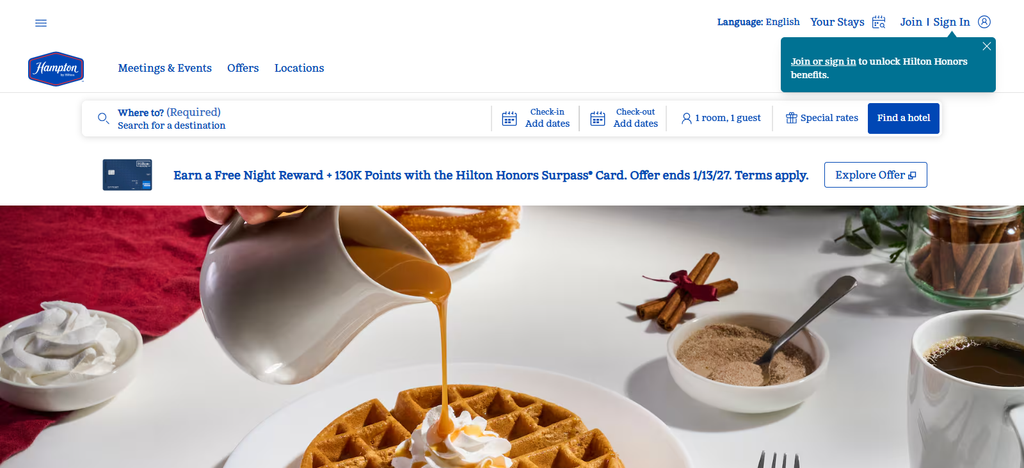
The initial investment is very high and includes the purchase of land or a building, construction, furnishings, technology and working capital. A 2026 disclosure estimates the cost of an 89-room hotel (not including land) to be between $17.0 million and $24.7 million. The franchise fee is typically $100,000 plus $400 per room over 150 rooms with a 6% royalty on gross rooms revenue and a 4% program fee.
Franchisees must have experience in hotel development, strong financing, professional management and the ability to invest long term. Products & Services include guest rooms, meeting facilities, breakfast, fitness facilities, business services and benefits of Hilton Honors. Hampton is a strong global player in the Hilton portfolio. “We see strong growth potential in select-service lodging, corporate travel recovery, leisure travel and markets where branded hotel supply is limited.
Main Features
- Internationally Recognized Hospitality Brand: Hampton by Hilton is a member of the world-renowned Hilton hospitality family.
- Standardized Hotel Concept: The business model is built on uniform standards of accommodation, guest services and hotel operations.
- Brand Recognition: Customers gain exposure and recognition of an international brand when becoming part of Hilton.
- Business and Leisure Guests: Its accommodation model is for business, family and leisure visitors.
- Hospitality Support: Franchisees get access to brand standards, hotel management support, reservation systems, and hospitality-related resources.
Limitations
- Capital Intensive: Hotel development requires huge capital to be invested in land, construction, interiors, furniture and operational infrastructure.
- Preventive Maintenance: Rooms, facilities, equipment and guest amenities need to be maintained and renovated regularly.
- Occupancy Fluctuations: Hotel revenue is influenced by the occupancy rate, seasonal travel trends, and local tourism demand.
- Strict Brand Standards: Franchisees must adhere to Hilton’s requirements for property design, guest experience, service quality and hotel operations.
Conclusion
To pick the best franchise investment opportunity, you need to do your research, plan your finances and know what the market wants. International brands like McDonald’s, KFC, Subway, Domino’s Pizza, 7-Eleven and Anytime Fitness provide opportunities across multiple sectors and business models. However, each franchise has different requirements for investment, operational responsibilities, fees and restrictions.
Initial costs, royalty structures, reputation for the brand, training support, franchise agreements and profitability potential are all worth considering before investing. Last, choosing a franchise that fits your financial capacity, business experience, and long-term vision can contribute to building a sustainable business and growing in the future.
FAQ
What are the best franchise investment opportunities in 2026?
Some leading international franchise investment opportunities include McDonald’s, KFC, Subway, Domino’s Pizza, Dunkin’, 7-Eleven, Anytime Fitness, The UPS Store, RE/MAX, and Hampton by Hilton.
Which industries offer franchise investment opportunities?
Popular franchise industries include fast food, restaurants, convenience retail, fitness and wellness, real estate, shipping and business services, and hospitality.
How much money is required to invest in a franchise?
Investment requirements vary by brand, country, location, and business format. Costs may include initial franchise fees, property expenses, equipment, inventory, staffing, and working capital.
Are international franchise investments profitable?
International franchises can offer business opportunities through established brands and operating systems. However, profitability depends on market demand, operating costs, competition, location, and management.
What are the major benefits of investing in a franchise?
Major benefits include established brand recognition, business model guidance, franchise training, marketing support, standardized operations, and access to existing products and services.