I will review the crypto-friendly banking services emerging in Brazil and how Revolut, Coinbase, Binance, and Mercado Bitcoin are shaping finance with Law 14,478/2022. The banks integrate traditional offerings with digital assets and provide PIX integration along with Drex CBDC connectivity and custody and compliance solutions.
Competing for clients, they boot off retail, freelancer, and institutional customers with high interest, multi-currency accounts, and debit cards. This review evaluates each feature, pros, cons, and the growing function of crypto banking in the economy of Brazil.
What Makes a Bank Crypto-Friendly in Brazil?
Brazil’s new crypto law requires that Brazilian crypto banks operate as a Sociedade Prestadora de Serviços de Ativos Virtuais (SPSAV). Brazil’s Central Bank (BCB) oversees this law. Such banks must have provisions for the segregation of assets, capital, and independent auditing to ensure compliance.
These banks must also provide connectivity for instant PIX payments and Drex CBDC to allow for seamless fiat-to-crypto transactions. Strong AML/KYC protocols and the travel rule help secure transactions.

The typical services offered by these banks include trading, crypto custody, tokenization, and stablecoin payments. These banks’ transparent low fees and spreads provide an advantage to both retail and institutional investors.
How to Choose the Right Crypto-Friendly Bank in Brazil
Regulation Compliance: Ensure the bank has Law 14,478/2022, authorization from the BCB and compliance with the CVM oversight of tokenized assets. This will ensure the bank has legal protection and provides a transparent regime of governance.
PIX Integration: Select banks with connected Drex CBDC and PIX to facilitate instant transfers between fiat and crypto at low cost, and integration with Brazil’s national payment system.
Security Standards: Select banks which provide proof of reserves, independent audits, and custody with segregated funds.
Crypto Services: Check for trading, staking, lending, tokenization, and accounts for stablecoins to see which services fit your investment goals and crypto preferences.
Fee Transparency: Check for trading spreads, withdrawal fees, and foreign transaction fees. Select banks which have reasonable pricing so no surprise costs will be incurred.
User Experience: Check for mobile app functionality, ease of use for the crypto debit card, support for multiple languages, and the responsiveness of customer service.
Yield Options: Look for banks which have a high savings interest offer, and a stable coin yield for staking, or offer high stablecoin yields, while maintaining a reasonable risk.
Global Access: Select banks that have international access, multi-currency IBANs, and Visa/Mastercard, which allows flexibility of crypto-fiat transactions.
Key Points
| Bank/Platform | Key Point (2026) |
|---|---|
| Revolut | Hybrid neobank with full fiat + crypto integration; MiCA compliant, multi‑currency IBAN, supports 200+ coins. |
| Coinbase | Beginner‑friendly US crypto bank; FDIC insured USD balances, 350+ coins, debit card access in Brazil. |
| Crypto.com | Strong card rewards; BCB PSP license in Brazil; supports crypto‑backed loans and 350+ coins. |
| Binance | Largest exchange with Binance Pay and Card; 600+ coins; PIX integration for Brazilian users. |
| Ledn | Bitcoin‑focused bank; proof‑of‑reserves verified; offers 8.5% APY on BTC savings and crypto‑backed loans. |
| Mercado Bitcoin | Brazil’s oldest crypto exchange (2013); CVM registered; strong local trust and fiat on/off ramps. |
| Bitso Brasil | LatAm leader; offers stablecoin accounts, PIX transfers, and regulated custody under BCB PSAV. |
| Foxbit | Local crypto bank; strong compliance, fiat‑crypto gateway, and SME‑friendly integrations. |
| Wirex | Hybrid Web3 neobank; Visa card with crypto spending; supports stablecoin accounts and DeFi access. |
| Gnosis Pay | Web3 native payment bank; integrates stablecoin rails (USDC) with Visa debit card for Brazilian users. |
1. Revolut
Launched in 2015 in London and expanded to Brazil in 2023 with the SCD license of Banco Central. Revolut integrates fiat and crypto with PIX, multi‑currency IBANs, and more than 200 cryptocurrencies. Compliance is strong with FCA, Banco da Lituania, and BCB. Services include crypto trading, savings, crypto, and debit cards.
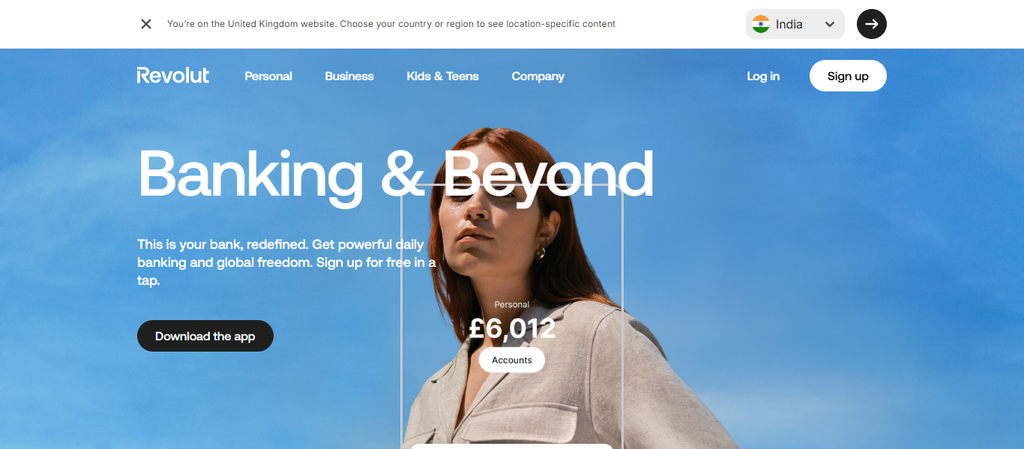
Fees include a spread of zero FX, limits are FX charges of 0.5% – 1%, and withdrawals are free up to limits, and a charge of 2% is applied to withdrawals after the limit is reached. Revolut is ideal for freelancers, high‑income users, and multi‑currency travelers.
Key Features
- UK founded neobank in 2015, entered Brazil in 2023.
- Multi-currency IBAN, PIX.
- 200+ currencies and crypto, staking, and savings.
- FCA, Banco da Lituania, BCB regulation.
- Global usage of debit card.
Pros
- Excellent regulation and compliance.
- Effortless fiat to crypto conversion.
- No hidden costs in Foreign Exchange.
- Savings at a great yield.
Cons
- Few free withdrawals.
- Premium account for top rates.
- Fees of multiple tiers.
2. Coinbase
Coinbase was launched in the USA in 2012 and reached Brazil in 2023 with full operations expected by 2026. Coinbase is licensed under Law 14,478/2022 and supervised by the BCB. Along with PIX integration, Coinbase has an Ebanx partnership for BRL withdrawals/deposits.
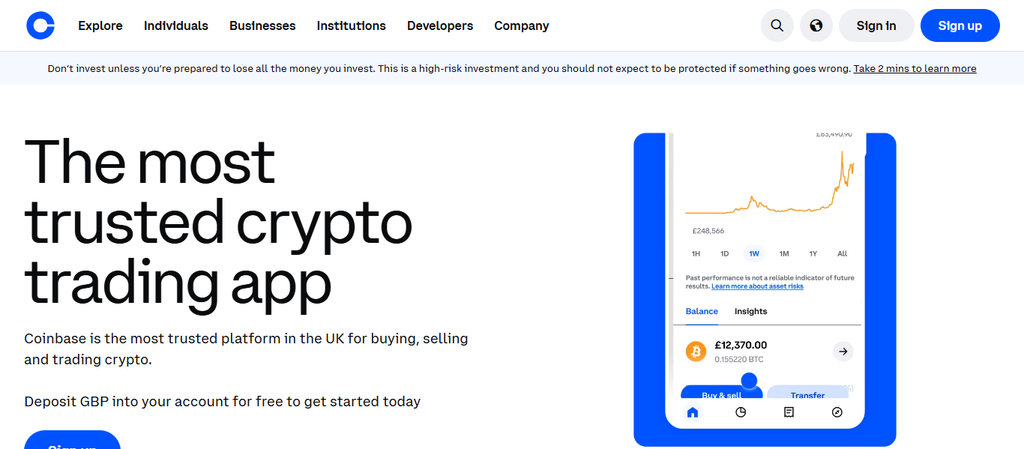
There is strong AML and KYC and a 24 hour retention of transfers under Resolution 584. Coinbase offers crypto trading, custody, tokenized stocks, and access to a debit card.
There is a trading spread of roughly 0.5% and PIX withdrawals are free, and the costs of FX are visible. This is ideal for beginners and retail investors looking for USD balances that are FDIC insured and local support.
Key Features
- US founded exchange in 2012.
- PIX in Brazil in 2023.
- Insured FDIC balances in USD.
- 350+ currencies and a debit card.
- CVM + BCB regulation.
Pros
- The interface is easy to use for Beginners.
- Excellent compliance and audits.
- No hidden costs in the fees.
- Trust in the brand globally.
Cons
- Spreads are higher than Binance.
- Limited tools for advanced trading.
- Variable costs in BRL/USD.
3. Crypto.com
Crypto.com was founded in 2016 and reached Brazil in 2025 under the Payment Institution (EMI) license from BCB. Regulations provide the services of a fiat wallet and the compliance with Law 14,478/2022. Crypto.com offers integration with PIX, crypto backed loans, card spending, and Visa integration.
There is AML, compliance, and audits. Crypto.com provides trading of 350+ coins, staking, savings, and card rewards. FX charges are low, and Crypto.com has flexible fees for spending and withdrawals. This is ideal for retail users looking for rewards, institutional custody, and compliant fiat‑crypto bridges.
Key Features
- Founded in 2016.
- Global exchange, Brazil license in 2025.
- 350+ currencies, staking, and loans.
- Cashback Visa card.
- BCB EMI regulation.
Pros
- Top notch card rewards.
- Integration of PIX.
- Excellent compliance.
Cons
- High withdrawal fees.
- Complicated rewards structure.
- Limited tools for large enterprises.
4. Binance
Founded in 2017, Binance has 325M global users and is the largest exchange in Brazil. Regulation: Member of ABcrypto and under the BCB PSAV framework. Connectivity: PIX, Binance Pay, and Binance Card. Compliance: Proof of Reserves, AML, Governance.
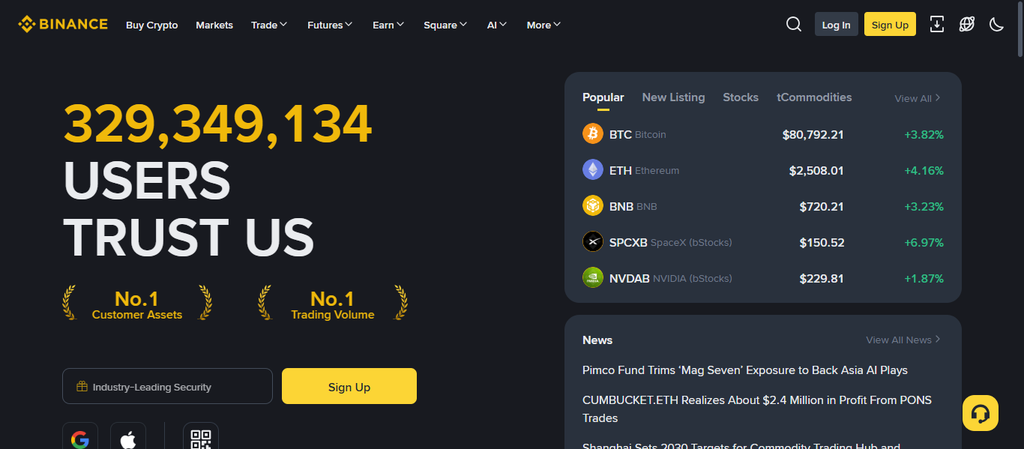
Services: 600+ coins, stablecoin “Binance Rende+” yielding 120% CDI, tokenization, superapp features. Fees: trading 0.1% , FX spread minimal, withdrawal fees vary by asset. Best for advanced traders, institutions, and yield-seeking retail investors.
Key Features
- Founded in 2017, the largest exchange.
- Operations in Brazil under ABcripto.
- 600+ currencies, Binance Pay, Card.
- Verifications of proof of reserves.
- Integration of PIX.
Pros
- 0.1% trading fees.
- Selection of coins.
- Great liquidity.
- Yield (Rende+).
Cons
- Regulation issues.
- Interface problems.
- Withdrawal fees inconsistent.
5. Ledn
Founded in 2018 in Canada, Ledn operates in Brazil under BCB’s licensing regime. Regulation: Proof of Reserves verified, AML compliance. Connectivity: PIX, BRL on/off ramps. Services: BTC savings with 8.5% APY, crypto-backed loans, and custody.
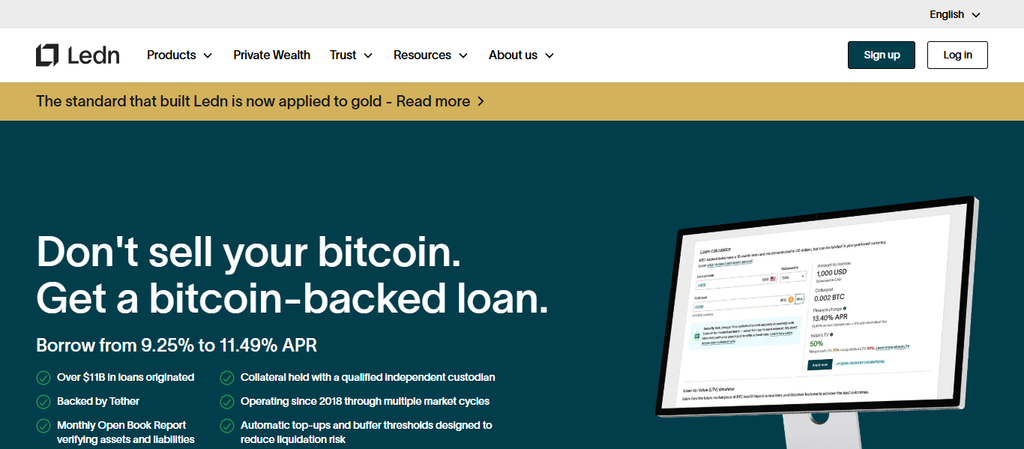
Fees: loan interest transparent, spreads competitive, withdrawal fees apply. Best for Bitcoin-focused savers and institutional clients seeking audited custody.
Key Features
- 2018 Canada founded.
- Recently entered Brazil under BCB license.
- 8.5% Bitcoin savings.
- Crypto loans.
- Proof of reserves audits.
Pros
- Strong BTC savings focus.
- Custody transparency.
- High yields.
- Institutional trust.
Cons
- Limited coin savings.
- Loan interest fees.
- Limited retail trust.
6. Mercado Bitcoin
Founded in 2013, Mercado Bitcoin is the oldest exchange in Brazil. Regulation: CVM registered, BCB PSAV authorization required by Oct 2026. Connectivity: PIX, Drex CBDC integration, tokenization.
Compliance: AML, Governance, Institutional Custody. Services: Crypto trading, tokenized assets, ETFs, and payments. Fees: Spreads competitive, withdrawal via PIX low cost. Best for local retail and institutions seeking trusted domestic exchange.
Key Features
- 2013 Brazil founded. –
- CVM registered. BCB PSAV license.
- Integration of Drex CBDC and PIX.
- Tokenized Assets.
- Local Trust.
Pros
- Local trust.
- Excellent compliance.
- Tokenization services.
- Minimal PIX fees.
Cons
- Limited services outside Brazil.
- Limited coins.
- Wide spreads compared to Binance.
7. Bitso Brasil
Founded in 2014 in Mexico, Bitso shifted in 2026 to an institutional focus in Brazil partnering with Mercado Bitcoin for retail. Regulation: BCB PSAV license, strong compliance.
Connectivity: PIX, stablecoin rails, LatAm payments. Services: Institutional custody, cross‑border payments, stablecoin accounts.
Fees: Spreads competitive, transfer fees low. Best for enterprises and institutional clients needing LatAm payment infrastructure.
Key Features
- 2014 Mexico founded.
- Brazil entry under BCB license.
- Stablecoin accounts with PIX transfers.
- Institutional custody.
- Payment rails in LatAm.
Pros
- Excellent Stablecoin integration.
- Strong institutional focus.
- LatAm presence.
- Minimum transfer fees.
Cons
- Limited focus on retail.
- Limited coins.
- High transfer fees.
8. Foxbit Infra
Established in 2014, Foxbit Infra received the BCB PSAV authorization and CVM crowdfunding license and added services focused on financial regulatory compliance in 2026. These include services for connectivity (PIX, APIs to connect banks and fintechs), and compliance (SOC2, ISO 27701, AML).
It offers services covering crypto-as-a-service, a liquidity engine, institutional custody, and payments. Fees include pricing with competitive spreads, while crypto transfers are subject to fees. Foxbit Infra serves fintechs, SMEs, and institutions which need crypto infrastructure.
Key Features
- 2014 Brazil founded.
- CVM and BCB PSAV licenses.
- Crypto as a service with PIX.
Pros
- Compliance.
- Services for small and medium enterprises.
- Strong API focus.
- Good governance.
Cons
- Retail focus is lacking.
- Complex pricing.
- Low liquidity.
9. Wirex
Wirex was established in London in 2014 and has users distributed among 8+ countries. Wirex focuses on regulations and stablecoins. Connectivity includes PIX, multi-currency accounts, and crypto cards.
Compliance is achieved through chained settlements and AML. It offers Wirex One (its neobank), stablecoins with a yield of up to 9.75% p.a., and tokenized equities. Wirex offers zero FX and charges no fees for ATM withdrawals, and has low spreads. It serves global customers seeking a neobank experience using stablecoins.
Key Features
- Established in 2014 in the UK.
- Visa and Mastercard principal member.
- Supports PIX.
- Offers multi-currency accounts.
- 9.75% APY on stablecoin savings.
- All services in one app.
Pros
- No foreign exchange fees.
- Cards can be used around the world.
- Gain yield on stablecoins.
- Supports multiple currencies.
Cons
- Small local presence.
- Withdrawal limits.
- Limited crypto offerings.
10. Gnosis Pay
Gnosis Pay was started in 2021, and provides self-custodial Visa cards. Gnosis Pay partnered with Picnic and is integrated with Brazil’s regulatory framework. It offers connectivity with PIX and the BRLA stablecoin, along with Visa’s acceptance.
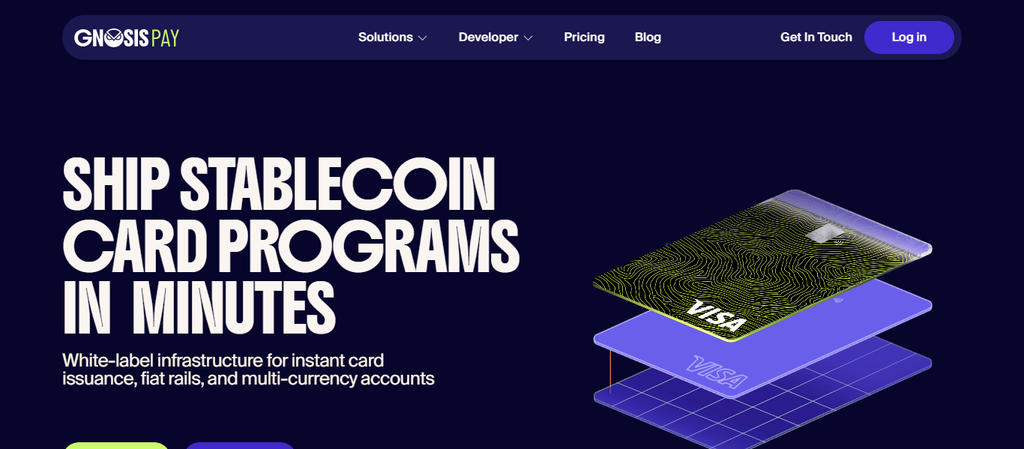
Services include non-custodial smart contracts and AML checks. Users can spend stablecoins and earn cashback of up to 5% in GNO. It has 0% FX, and 0% transaction fees. Gnosis Pay serves Web3 users integrating self-custody and DeFi.
Key Features
- Established in 2021.
- Web3 Payments.
- Regulated by the FCA in Brazil through Picnic.
- Self-custody Visa card.
- Stablecoins (BRLA, USDC).
- GNO token cashback.
Pros
- Designed for Web3.
- Self-custody.
- No foreign exchange fees.
- High integration with DeFi.
Cons
- Small user adoption.
- Expensive to issue a card.
- Small ecosystem.
Who Should Use a Crypto-Friendly Bank?
A crypto‑friendly bank is used by companies and people who interact with digital assets and regular banking.
- Retail Investors: Easy crypto trading with safe asset custody and PIX integration for buying/selling cryptocurrencies.
- Freelancers: Instant fiat conversion, multi‑currency accounts, and debit card spending all in one package.
- Businesses: SMEs and new tech company startups who can use compliance, liquidity services, and a reliable crypto to fiat gateway.
- Institutional Clients: Funds and corporations can use regulated custody to secure assets and services that support digital asset tokenization and audited reserves.
- Frequent World Travelers: multi‑currency IBANs, stablecoins that can be used to make purchases, and Visa/Mastercard that provide easier international transactions.
Conclusion
Bank supervision coupled with Law 14,478/2022 are merging traditional finance with crypto in Brazilian banks by 2026. Banks are beginning to offer services that integrate crypto custody and PIX payments, with CBDC (Drex) and fully transparent compliance. Offerings include cross-border accounts, staking, tokenized spending, and debit card services.
These banks offer their services to retail and institutional clients spanning the globe. While fees and regulatory environments vary, security, accessibility, and innovation are the primary drivers of competition in this field. These banks are essential to the new infrastructure of Brazil’s burgeoning crypto economy.
FAQ
What makes a bank crypto‑friendly in Brazil?
A crypto‑friendly bank complies with Law 14,478/2022, integrates PIX and Drex CBDC, offers secure custody, trading, and payments, and follows strict AML/KYC and proof‑of‑reserves standards.
Which banks are considered crypto‑friendly in 2026?
Top names include Revolut, Coinbase, Crypto.com, Binance, Ledn, Mercado Bitcoin, Bitso Brasil, Foxbit, Wirex, and Gnosis Pay, each offering regulated crypto‑fiat services.
Are crypto transactions taxed in Brazil?
Yes. Gains above R$35,000/month are taxed at 15–22.5%, with mandatory reporting to the Receita Federal.
How do fees work in crypto‑friendly banks?
Fees vary: spreads (0.1–0.5%), withdrawal charges, FX costs, and transfer fees. Transparent pricing is a key factor in choosing the right bank.
Is PIX integration important for crypto banking?
Absolutely. PIX enables instant fiat‑crypto transfers, low‑cost payments, and seamless integration with Brazil’s national payment system.
Do these banks support Drex CBDC?
Yes. By 2026, most crypto‑friendly banks integrate Drex for tokenized payments, bridging fiat and digital assets.