

The selection of a suitable Top Tenderly Alternatives for Smart Contract Monitoring depends on the monitoring, debugging, security, automation and infrastructure requirements of a Web3 project. OpenZeppelin Defender is well known for safe contract management and automation, meanwhile Forta, Hexagate and Hypernative concentrate on threat detection and real-time security. Alchemy and QuickNode are blockchain infrastructure solutions that provide APIs and monitoring tools.
Chainlink Automation is for decentralized smart contract execution. Custom indexers with Grafana gives teams more flexibility to build custom dashboards and analytics. Blockdaemon targets enterprise infrastructure Ankr Advanced APIs offers wide-ranging multi-chain data access You’ll want to evaluate supported networks, alerts, integrations, scalability and pricing to find the best fit.
What to Look for in a Tenderly Alternative?
Real-time Monitoring: Seek a platform that monitors intelligent contracts, transactions, events, and on-chain activity in real-time, offering immediate visibility into significant changes, failures, anomalies, and unexpected contract behavior.
Blockchain Compatibility: Make sure the platform supports the blockchain networks your application depends on, particularly Ethereum and prominent EVM-compatible chains, while also providing robust multi-chain monitoring for future growth.

Smart Contract Debugging: Seek out transaction tracing, error detection, execution analysis, simulation, and debugging tools that enable developers to quickly understand failed transactions and resolve contract issues.
Custom Alerts: Allow customizable alerting to help teams identify specific contract events, transaction conditions, suspicious activities, and thresholds, with alerts sent through preferred communication channels.
Automation Capabilities: Determine if the platform can automatically trigger actions based on predefined conditions, minimizing manual effort and supporting scheduled tasks, incident management, and contract operations.
Security Monitoring: Consider advanced threat detection, anomaly identification, exploit monitoring and risk alerts to detect suspicious blockchain activity before it becomes a serious security incident.
API & Integrations: Look for a solution that provides reliable APIs, webhooks, dashboards, and integrations that connect monitoring data to existing development, analytics, notification, security, and operational workflows.
Pricing & Scalability: Examine free tiers, pay-as-you-go pricing, enterprise plans, monitoring limits, and scalability considerations to ensure the alternative will remain cost-effective and reliable as transaction volumes and project requirements increase.
Key Points
| Platform | Key Point |
|---|---|
| OpenZeppelin Defender | Automated smart contract monitoring, alerts, and operational actions such as pausing contracts and executing predefined responses. |
| Forta | Decentralized real-time threat detection network using custom detection bots for on-chain monitoring. |
| Alchemy | Provides transaction simulation, blockchain monitoring, enhanced APIs, and webhook-based alerts for smart contracts. |
| QuickNode | Offers blockchain event notifications, smart contract monitoring, and real-time infrastructure across multiple chains. |
| Hexagate | Web3 security monitoring platform focused on detecting exploits, protocol attacks, and suspicious on-chain activity. |
| Hypernative | Real-time risk detection and predictive security monitoring for DeFi protocols, bridges, and smart contracts. |
| Chainlink Automation | Enables automated execution and monitoring of smart contract conditions without centralized infrastructure. |
| Grafana + Custom Indexers | Self-hosted monitoring stack that allows teams to build custom dashboards, alerts, and blockchain observability workflows. |
| Blockdaemon | Enterprise-grade blockchain infrastructure with monitoring, node health tracking, and alerting capabilities. |
| Ankr Advanced APIs | Provides blockchain data monitoring, RPC infrastructure, and event-based tracking across multiple networks. |
1. OpenZeppelin Defender
Web3 security and operations platform for monitoring, managing and automating smart contract activity. Its main features include transaction monitoring, security alerts, access management, and automated actions using its automation features. It supports major EVM-compatible networks, which makes it useful for multi-chain applications.
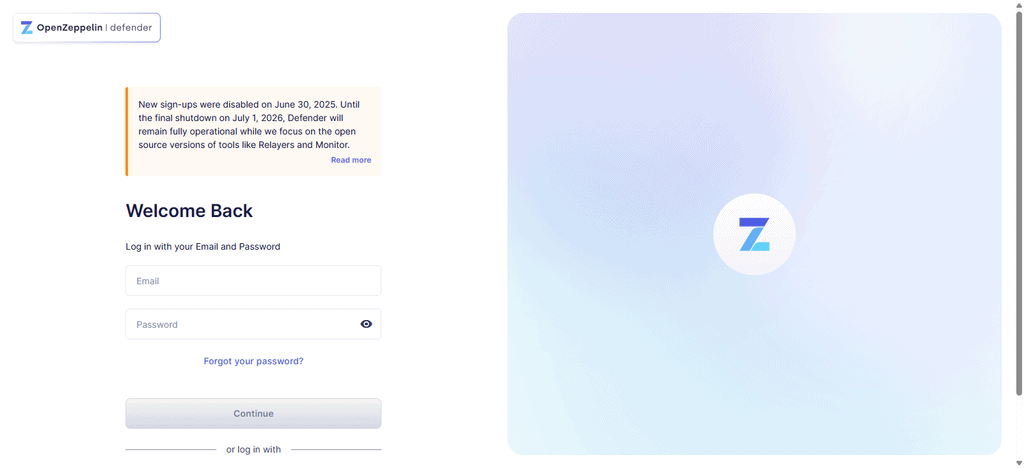
Defender is useful not only for debugging transactions, but also for teams that need secure smart contract administration. Automation can trigger predefined actions according to contract conditions or schedules. Pricing depends on which Defender services you choose and your usage, and availability and limits vary by product and plan.
Who will this work best for?
- Teams developing intelligent contracts
- Developers of DeFi protocols
- Web3 security squads
- Protocol operations teams
- Enterprises with upgradeable contracts
What makes them unique:
- Strong smart contract security and governance
- Performance of transactions and automated contract operations
- Access control and role management features
- Built specifically for secure smart contract life-cycle management
2. Forta
Forta is a decentralized blockchain detection and monitoring network, designed to detect security threats, anomalous transactions, scams, exploits and suspicious contract activity. It employs detection bots that analyze blockchain activity and generate real-time alerts as part of its monitoring infrastructure.
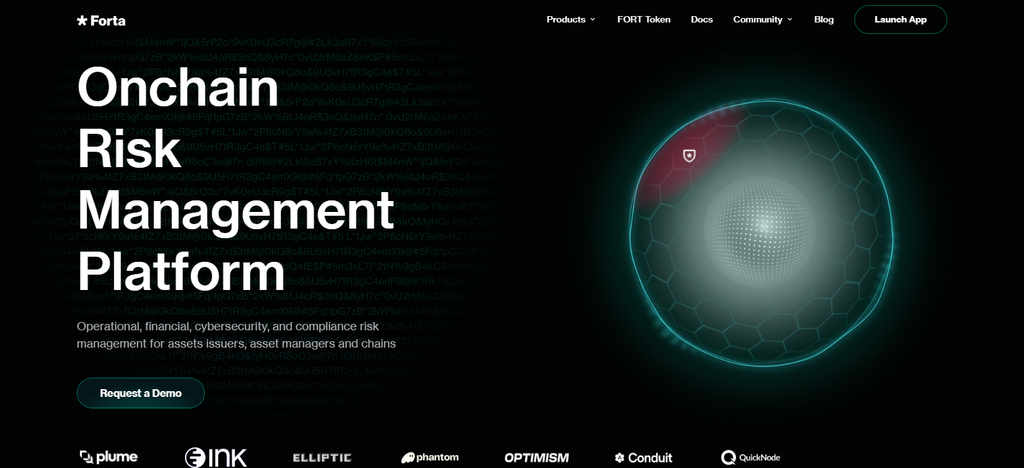
Forta supports a variety of blockchain ecosystems, including major EVM-compatible networks and other supported chains. Forta’s focus is more on security intelligence and threat detection, rather than Tenderly’s debugging for developers and simulation of transactions.
Detection and response workflows offer automation depending on implementation. Forta pricing is tied to network activity, services and specific data or security needs.
Best fit users:
- DeFi security teams
- blockchain threat research specialists
- Security engineers of the protocol
- Cryptocurrency exchanges
- Web3 incident response teams
What makes us different:
- Distributed network for real-time threat detection
- Detection bots to detect suspicious blockchain activity
- Heavy focus on exploits, scams and anomalies
- Community-powered security intelligence
3. The Alchemy
Alchemy is a blockchain development infrastructure platform providing APIs, node infrastructure, monitoring, debugging, and developer tools for Web3 applications. Its monitoring capabilities help developers track application and blockchain activity, inspect transactions, monitor APIs, and identify infrastructure problems.
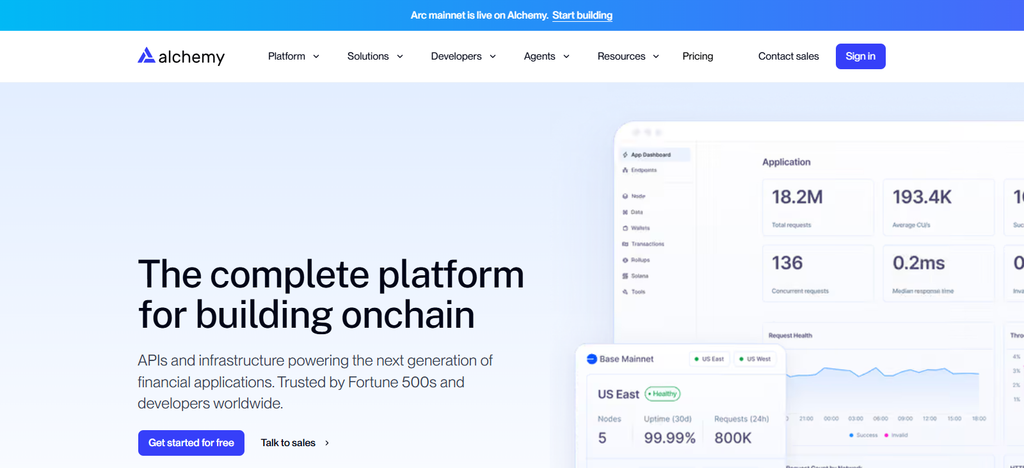
Alchemy supports many major networks including Ethereum, Polygon, Arbitrum, Optimism, Base and other supported ecosystems. Its debugging and observability tools are useful for diagnosing RPC and application-level problems, but it has a different focus than Tenderly’s transaction simulation environment.
Alchemy offers free and paid plans and also has a usage-based pricing structure. Custom plans may be needed for higher-volume applications.
Best-fit users:
- Web3 developers
- DApp dev teams
- Blockchain infra teams
- Developers of wallets
- Major Web3 apps
Key differentiators:
- Large blockchain infrastructure & API ecosystem
- Robust RPC and chain data infrastructure
- Observability and monitoring developer tools
- High-volume, scalable infrastructure applications
4. QuickNode
QuickNode is a blockchain infrastructure provider that offers a simple and reliable way to access blockchain networks. It provides developers with a fast and secure way to build and deploy applications on blockchain networks.
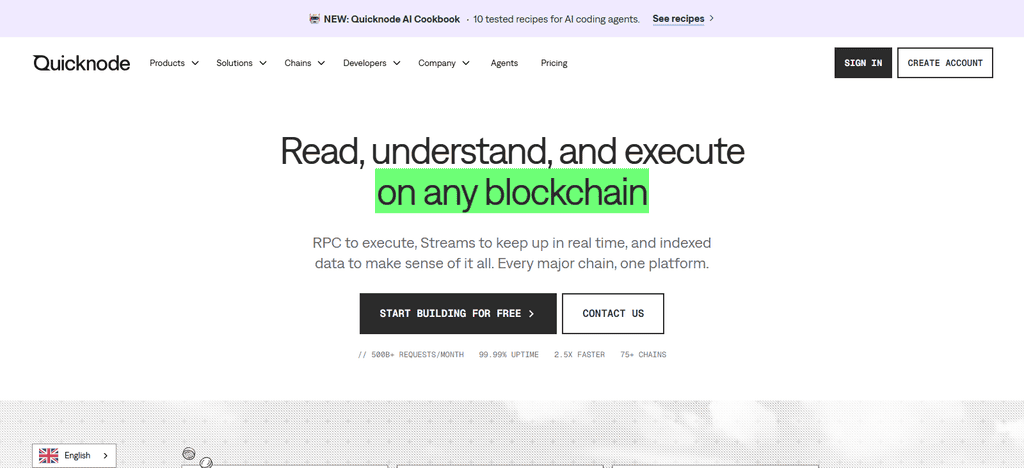
QuickNode provides blockchain infrastructure, RPC endpoints, APIs, data services and developer tools to apps that need dependable blockchain connectivity and monitoring. Key features include access to blockchain data, monitoring of transactions and the network, logs, webhooks, and APIs to help developers track smart contract activity.
QuickNode has deep industry experience and supports a variety of blockchains, making it a good choice for multi-chain apps. It provides useful debugging via inspection of transaction and blockchain data, but is more infrastructure focused rather than a direct Tenderly style debugging environment. Pricing is generally based on usage, endpoints, add-ons and other selected infrastructure features.
Best fit users:
- Developers of DApps
- Blockchain infra teams
- Web3 startups 4.
- Multi-chain app builders
- Business Blockchain developers
Main differences:
- Broad portfolio of blockchain infrastructure services
- Multi-chain RPC & API connectivity
- Blockchain event monitoring and webhooks
- Scalable Web3 infrastructure
5. Hexagate
Hexagate is a Web3 security platform that offers real-time threat detection, attack prevention, and monitoring of the blockchain ecosystem. It reviews on-chain activity to identify suspicious transactions, exploits, vulnerabilities and potential security incidents before they can cause significant damage.

“The platform is particularly relevant for DeFi protocols, exchanges and organizations that need constant monitoring of blockchain security. It has more security-focused features than Tenderly’s developer debugging and simulation tools.
Hexagate can provide automated security responses and incident workflows based on the detected threats. Pricing is usually enterprise-oriented and may differ depending on the assets, networks and services that are monitored.
Best-fit users:
- DeFi protocols
- Security teams in Web3
- Cryptocurrency exchanges
- Blockchain risk management groups
- Digital asset institutions of institutional type
What Sets Us Apart:
- Detect Web3 threats in real-time
- Automatic detection of suspicious on-chain behavior
- Heavy focus on prevent exploit and attack
- Continuous surveillance through blockchain security operations
6. Hypernative
Hypernative is a Web3 security and risk-monitoring platform designed to detect threats across blockchain networks, intelligent contracts, wallets, protocols and decentralized applications. Core monitoring capabilities include: real-time threat intelligence, anomaly detection, risk alerts, exploit detection and continuous ecosystem monitoring.
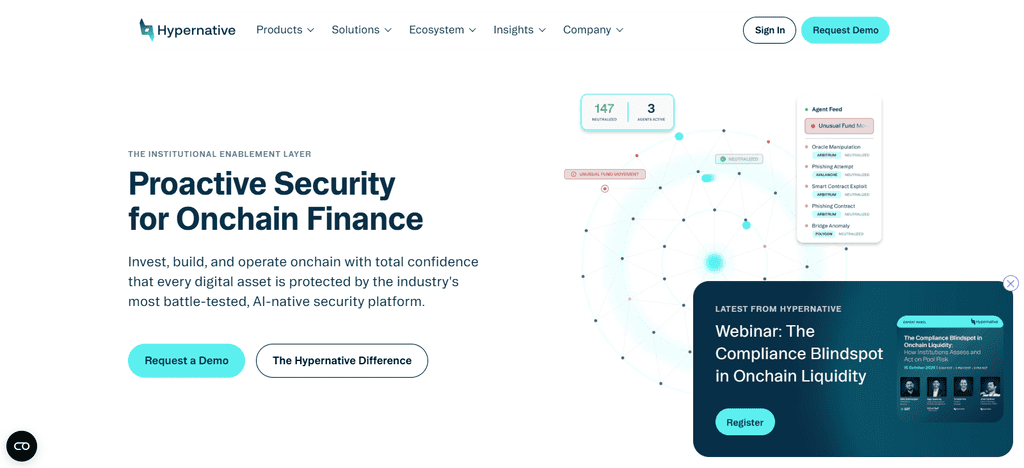
Hypernative supports many blockchain networks and is built for organizations that operate in multiple Web3 environments. Tenderly is developer-centric, Hypernative is risk and security-centric with a proactive approach.
Its platform can have automated response mechanisms to assist teams in responding to identified threats. The pricing is targeted more toward enterprise and institutional needs rather than just for developer use.
Best-fit users:
- Security teams of DeFi
- Cryptocurrency Exchanges
- Web3 institutional entities
- Protocol risk teams
- Security operations teams for Blockchain
Unique Selling Points:
- Forward-looking blockchain threat monitoring
- Risk and anomaly detection in real time
- Broad coverage of wallets, protocols and intelligent contracts
- Security response capabilities that are automated
7. Chainlink Automação
Chainlink Automation is a decentralized automation service that allows intelligent contracts to automatically execute predefined functions when specific conditions are met. Its primary use case is dependable on-chain task execution e.g. time-based, price-triggered functions, liquidations, rebalancing and periodic protocol operations.
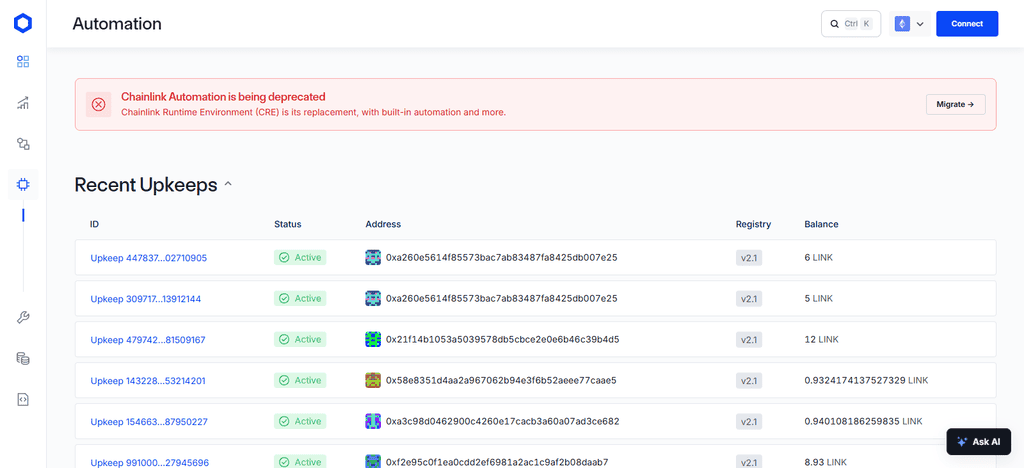
It supports a number of blockchain networks in the Chainlink ecosystem. Unlike Tenderly, Chainlink Automation is not mainly a debugging/monitoring platform for intelligent contracts, but its core strength is decentralized execution.
Developers are able to integrate it with Chainlink data services and other monitoring systems. The pricing is generally based on blockchain network, gas costs and automation usage.
Best-fit users are
- Developers of DeFi Protocols
- Developers of intelligent contracts
- Lending and Borrowing Mechanisms
- Automate trading apps
- On-chain execution protocols with scheduled execution
Key differentiators:
- Smart agreements – decentralized automation
- Execution on a time or condition basis
- Integration in the Chainlink oracle ecosystem
- Secure automatic execution of on-chain transactions
8. Grafana + Custom Indexers
Grafana + custom blockchain indexers give teams a flexible monitoring and observability solution with full control over their smart contract data and dashboards. Custom indexers can pull contract events, transactions, balances and protocol metrics and Grafana can visualize that information in customizable dashboards and alerts.
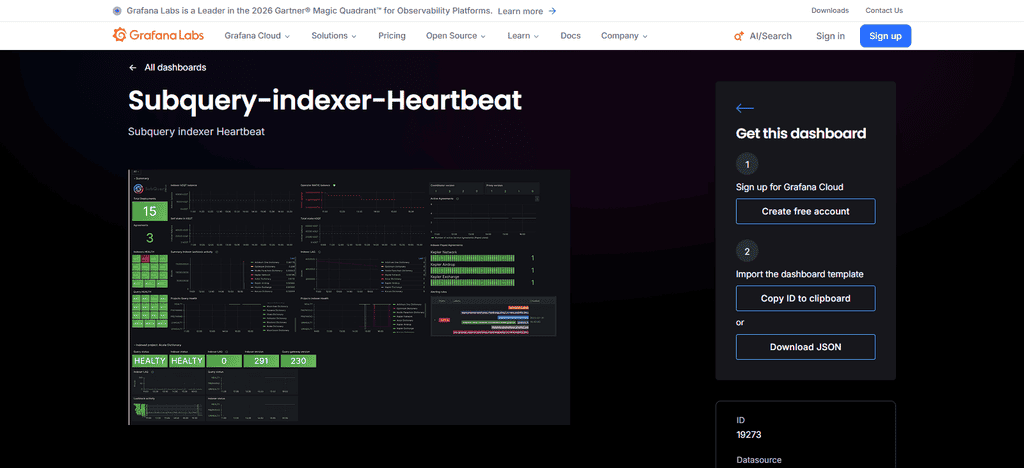
With blockchain support, teams can track any network supported completely up to the indexers and data infrastructure they choose. You can connect transaction and event data to dashboards for debugging, but development requires more engineering than Tenderly. Costs depend on hosting, infra for indexing, databases and grafana deployement.
Ideal users:
- Teams creating the blockchain infrastructure
- Large teams of engineers in Web3
- Analytics teams for protocols
- Data engineering groups
- Organizations that need custom monitoring dashboards
Key differentiating factors:
- Monitoring dashboards that are highly customizable
- Complete access to indexed blockchain data
- Custom metrics and alerting features
- Can monitor application specific events and infrastructure
9. Blockdaemon
At Blockdaemon, we provide enterprise-grade blockchain infrastructure, APIs, nodes, staking, wallet infrastructure and blockchain data services. It offers monitoring capabilities to help organizations track performance of nodes, blockchain activity, transactions and health of infrastructure across supported networks.
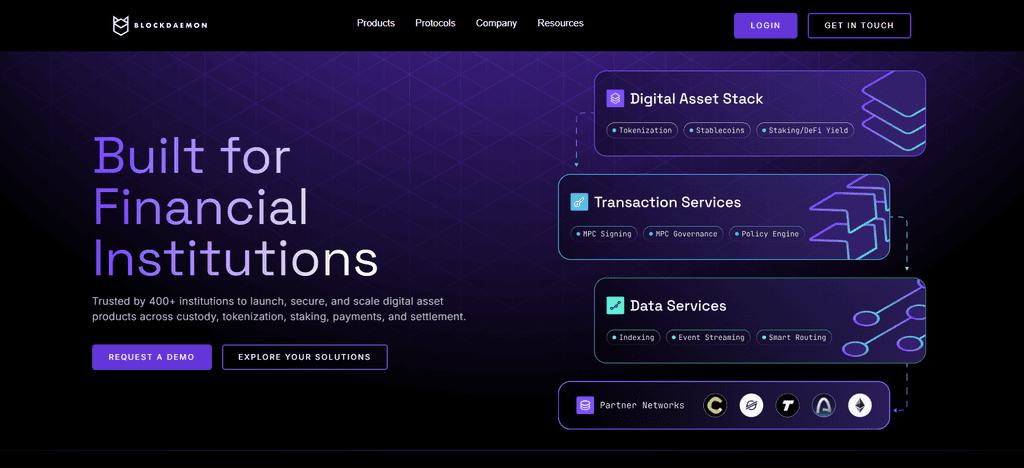
Blockdaemon has broad support for major blockchain ecosystems, making it a good option for enterprises and institutions running multi-chain operations. Its debugging capabilities are infrastructure, APIs, nodes, and blockchain transaction focused rather than Tenderly-style smart contract simulation.
You can build automation with integrations and APIs for infrastructure. Generally, the price is based on the services, network requirements, usage and enterprise deployment needs you choose.
Best-fit users
- Banking institutions
- Cryptocurrency exchanges
- Institutional teams for blockchain
- Web3 applications for the enterprise
- Providers of infrastructure for electronic assets
Key Differentiators:
- Enterprise-grade blockchain infrastructure
- Wide coverage of nodes and network infrastructure
- APIs and blockchain services of enterprise grade
- Allows for a broader digital-asset infrastructure than smart contract systems.
10. Ankr Advanced APIs
Ankr Advanced APIs offers blockchain data and infrastructure services to developers building Web3 applications, analytics platforms, wallets, and decentralized applications. It supports blockchain RPC calls, indexed data, transaction details, token data, NFT data and other blockchain APIs useful for monitoring app activity.
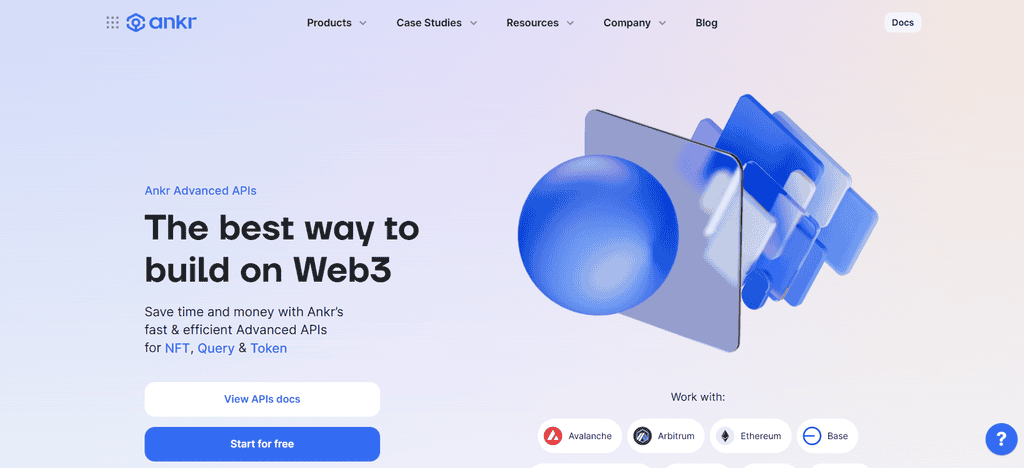
Ankr supports dozens of blockchain networks, giving teams the multi-chain option they need to get wide data coverage. It is not a smart contract debugging platform like Tenderly but its APIs can be used by developers with custom monitoring and automation systems. Pricing is based on usage of the API, supported services, volume of requests and selected infrastructure requirements.
Best-fit users
- DApp developers
- Web3 data developers
- Wallet development teams
- Block chain analytics platforms
- Developers of cross-chain applications
Differentiators:
- Blockchain data API for multiple chains
- Token and blockchain data indexed
- API infrastructure that is developer friendly
- Ideal for creating custom monitoring and analytics systems
Quick Comparison: Tenderly vs. Its Alternatives
| Platform | Primary Use Case | Monitoring | Debugging | Automation | Blockchain Support | Best For |
|---|---|---|---|---|---|---|
| Tenderly | Smart contract development & monitoring | Real-time | Advanced | Yes | Multi-chain | Developers & Web3 teams |
| OpenZeppelin Defender | Contract security & operations | Strong | Strong | Advanced | EVM chains | Protocol security teams |
| Forta | Threat & anomaly detection | Advanced | Limited | Response-focused | Multi-chain | Web3 security teams |
| Alchemy | Blockchain infrastructure & APIs | Strong | Good | Via APIs | Multi-chain | DApp developers |
| QuickNode | RPC, APIs & blockchain infrastructure | Strong | Good | Via webhooks/APIs | Multi-chain | Web3 applications |
| Hexagate | Web3 threat prevention | Advanced | Limited | Advanced | Multi-chain | DeFi & security teams |
| Hypernative | Risk & threat monitoring | Advanced | Limited | Advanced | Multi-chain | Institutional Web3 |
| Chainlink Automation | Smart contract automation | Trigger-based | Limited | Advanced | Multiple chains | DeFi protocols |
| Grafana + Custom Indexers | Custom monitoring & analytics | Highly customizable | Custom | Custom | Depends on indexers | Engineering teams |
| Blockdaemon | Enterprise blockchain infrastructure | Strong | Infrastructure-focused | Via APIs | Multi-chain | Institutions |
| Ankr Advanced APIs | Blockchain data & APIs | Good | Data-focused | Via integrations | Multi-chain | DApp & data developers |
Conclusion
The selection of a suitable Tenderly alternative depends on the monitoring, debugging, security, automation and infrastructure requirements of a Web3 project. OpenZeppelin Defender is well known for safe contract management and automation, meanwhile Forta, Hexagate and Hypernative concentrate on threat detection and real-time security.
Alchemy and QuickNode are blockchain infrastructure solutions that provide APIs and monitoring tools. Chainlink Automation is for decentralized smart contract execution. Custom indexers with Grafana gives teams more flexibility to build custom dashboards and analytics.
Blockdaemon targets enterprise infrastructure Ankr Advanced APIs offers wide-ranging multi-chain data access You’ll want to evaluate supported networks, alerts, integrations, scalability and pricing to find the best fit.
FAQ
What is the best alternative to Tenderly?
There is no single best alternative for every project. OpenZeppelin Defender is strong for contract security and operations, Forta for threat detection, Alchemy and QuickNode for blockchain infrastructure, and Hypernative or Hexagate for advanced Web3 security monitoring.
Which Tenderly alternative is best for smart contract security?
OpenZeppelin Defender is a strong choice for smart contract security, administration, access management, and automation. Forta, Hexagate, and Hypernative are better suited when the primary requirement is real-time threat and anomaly detection.
Which alternative is best for blockchain monitoring?
Forta, Hexagate, and Hypernative are particularly useful for continuous blockchain and security monitoring. Alchemy and QuickNode also provide monitoring-related infrastructure, APIs, webhooks, and blockchain data services for development teams.
Which Tenderly alternative is best for smart contract automation?
Chainlink Automation is specifically designed for decentralized smart contract automation. It can execute predefined contract functions based on conditions or schedules, making it suitable for DeFi protocols and applications requiring automated on-chain operations.
Are there Tenderly alternatives for custom monitoring dashboards?
Yes. Grafana combined with custom indexers provides highly customizable dashboards, metrics, alerts, and blockchain analytics. It is particularly suitable for engineering teams that need control over the data collected and how monitoring information is displayed.
Which Tenderly alternatives support multiple blockchain networks?
Several alternatives offer multi-chain capabilities, including Alchemy, QuickNode, Forta, Hypernative, Hexagate, Blockdaemon, and Ankr Advanced APIs. However, the exact networks and features vary by platform, so network compatibility should be checked before choosing a solution.