The world is demanding more reliable energy storage as renewable energy, electric infrastructure, and electricity use continue to grow. Battery storage companies are playing a leading role in the transition with their advanced power storage and management technologies. In this article, I will cover the Best Battery Storage Investment Companies, their key business strengths, future growth opportunities, and potential risks, to help investors understand this evolving industry and find companies worth researching for long-term investment opportunities.
Key Factors to Consider When Investing in Battery Storage Companies
Battery Manufacturing Capacity: Analyze the company’s production capacity, manufacturing facilities and expansion plans to assess its ability to fulfilll growing demand for energy storage products in global markets.
Battery Technology and Innovation: Identify investments in lithium-ion, sodium-ion, solid-state, and long-duration storage technologies that are working on developing efficient, reliable, and commercially viable battery solutions.
Financial Performance: Analyze revenue growth, operating margins, profitability, cash flow, and debt levels to determine the company’s financial health and its capacity to finance future business growth.
Market Demand and Growth: Evaluate demand from renewable energy projects, electric utilities, commercial facilities and residential customers to gage the company’s long-term market opportunities and revenue growth potential.
Global Presence: Assess the company’s international footprint, production facilities, distribution networks, and regional partnerships to understand its capacity to serve the growing energy storage markets worldwide.
Supply Chain Stability: Assess availability of lithium, nickel, graphite and other key battery materials, as shortages, geopolitical constraints and price volatility can impact manufacturing costs.
R&D Expenditure: Look at spending in battery innovation, energy density gains, safety, recycling and production efficiency to find companies developing sustainable tech advantages.
Competitive Edge & Partnerships: Assess strategic alliances, key customer contracts, product differentiation, and market positioning to gage a firm’s competitive ability and its capacity to maintain market share.
Future Growth Opportunities in the Battery Storage Industry
Grid-Scale Storage Needed: Growing electricity demand and renewable energy production are driving the demand for grid-scale battery systems to stabilize power grids, balance energy supply, and enhance electricity reliability.
Expansion of Renewable Energy Projects: The growing number of solar and wind projects presents opportunities for battery storage companies to provide reliable electricity storage, manage intermittent generation, and optimize the use of renewable energy.
Rising Demand for AI Data Centers: As AI infrastructure and cloud computing services expand, the need for dependable electricity supply grows, presenting opportunities for battery storage systems that offer backup power and grid flexibility.
Residential Energy Storage Growth: Increasing interest in energy independence, rooftop solar and backup electricity solutions could drive household adoption of battery storage systems in both developed and developing markets.
Development of long-duration energy storage: Advances in zinc-based, flow, sodium-ion and other battery technologies can provide for long-duration storage of electricity and help with grid reliability.
Battery Tech Improvements: Enhancements in battery chemistry, energy density, charging efficiency, durability and safety can lower storage costs and boost commercial adoption across several energy applications.
Electric Grid Infrastructure Expansion: Upgraded electricity networks and increased investment in smart grids drive demand for advanced battery systems that can help manage peak loads and balance the grid.
Battery Recycling and Material Recovery As battery production and replacement demand grows, the opportunities for recycling companies to recover valuable materials, reduce the environmental impact, and strengthen battery supply chains are emerging.
Key Points
| Company Name | Key Investment Point |
|---|---|
| Tesla | Offers utility-scale Megapack and residential Powerwall battery storage systems. |
| Fluence Energy | Specializes in grid-scale battery storage, energy management software, and storage integration. |
| CATL | Manufactures large-scale lithium-ion and energy storage batteries for global markets. |
| BYD Company | Develops battery energy storage systems, battery cells, and integrated energy solutions. |
| LG Energy Solution | Supplies lithium-ion batteries and energy storage solutions for utility and commercial applications. |
| Samsung SDI | Develops advanced battery cells and stationary energy storage systems. |
| Sungrow | Provides battery energy storage systems, power conversion technology, and renewable energy solutions. |
| Wärtsilä | Provides grid-scale energy storage systems and energy management technologies. |
| Eos Energy Enterprises | Develops zinc-based battery storage technology for long-duration energy storage applications. |
| Enphase Energy | Offers residential battery storage systems, solar inverters, and home energy management solutions. |
1. Tesla
Tesla is a vertically integrated clean energy and technology company that makes electric vehicles, batteries, solar products and grid software through its Energy segment. Its flagship utility-scale product, the Megapack, combines battery modules, inverters, thermal management and an AC interface in a single factory-built unit. Each Megapack can store up to 3 MWh and deliver up to 1.5 MW of inverter capacity.
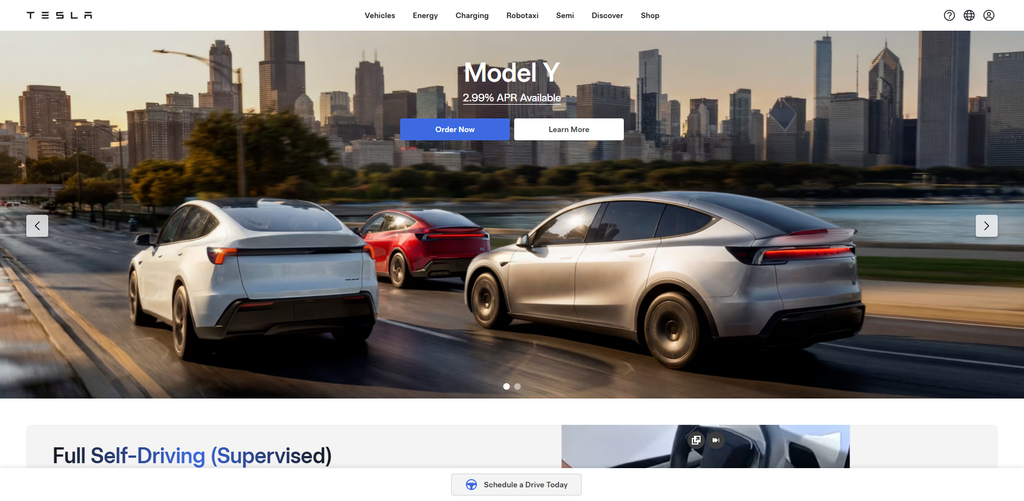
Tesla says it has deployed more than 10 GWh of Megapacks for utilities and has the ability to build projects at the gigawatt-hour scale. Megapack can be directly paired with solar, enabling renewable capacity firming, peak shifting and grid services. Its Autobidder software optimizes market participation. Tesla is spending a lot on capital expenditures and R&D in energy, manufacturing and AI-related technologies.
Opportunities for Growth Ahead
- Megapack Expansion: Expanding Megapack production capacity could allow Tesla to meet rising demand for utility-scale battery storage.
- AI Data Center Demand: The rising electricity demand from AI data centers presents opportunities for utility-scale battery storage and grid stabilization solutions.
- Residential Energy Storage: More Powerwall sales will solidify Tesla’s position in the residential solar and backup power markets.
- ** Battery Tech Innovation** Improvements in battery chemistry, energy density, durability and manufacturing efficiency can reduce production costs.
- International market expansion: Greater manufacturing and distribution capabilities can support sales of energy storage to international markets.
Key Risks
- Dependence on Battery Supply: The availability of battery cells and raw materials is limited and may affect production capacity and delivery times.
- Intense competition: Competition from CATL, BYD and other battery makers could pressure pricing and profit margins.
- Regulatory Changes: Changes in government incentives, tariffs and energy policies could lead to higher costs or lower demand from customers.
- Manufacturing Issues: Factory expansion, production delays and higher capital requirements could affect profitability and growth.
2. Fluence Energy
Fluence Energy is a global provider of grid-scale energy-storage technology and services, born of Siemens and AES know-how. Its core products are Gridstack, Gridstack Pro and Smartstack, which combine batteries, power conversion, controls and software for utility, commercial and industrial applications. Gridstack Pro offers 2.4 MWh in a 40-foot container and 4.9-5.6 MWh in a 20-foot enclosure.
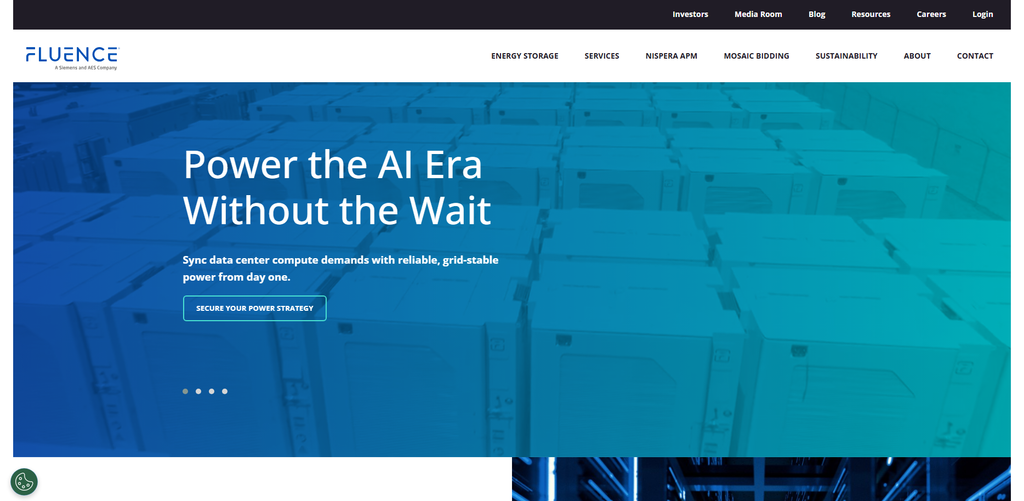
Fluence IQ has the ability to handle projects from 2 MW to over 500 MW. In its 2026 quarterly filing, the company reported 7.4 GW of deployed storage capacity and a big contracted backlog. Fluence’s systems are used for frequency regulation, flexible peaking, transmission support and renewable integration, and the company invests heavily in product development, systems engineering and R&D.
Opportunities for Future Growth**
- Utility-Scale Storage Demand: Increased demand for grid-scale battery systems provides opportunities for large infrastructure projects.
- Energy Management Software The growth of digital optimization and energy management services may result in greater recurring revenue.
- Renewable Energy Integration: With growing numbers of solar and wind power installations, there is a need for more battery systems to offset the intermittent nature of electricity generation.
- International Expansion: Growing into additional international markets may result in greater project opportunities and a wider range of sources of income.
- Long-Term Service Contracts: Longer-term relationships with our customers will be built by expanding maintenance, monitoring and optimization contracts.
Major Risks
- Supplier Concentration: Project delivery can be impacted by dependence on a few suppliers of battery cells, inverters and components.
- Project implementation: Increased costs due to construction delays, problems with equipment and installation difficulties.
- Competitive Pressure: Strong competition from battery manufacturers and storage integrators can compress contract margins.
- Trade and Tariff Exposure: International trade restrictions and tariffs and regulatory changes could impact procurement costs and project economics.
3. CATL
CATL (Contemporary Amperex Technology) is a Chinese leader in battery and energy-storage, offering cells, cabinets, containers and full system integration worldwide. Its storage portfolio comprises EnerOne, EnerC, EnerD, EnerX and the TENER family.
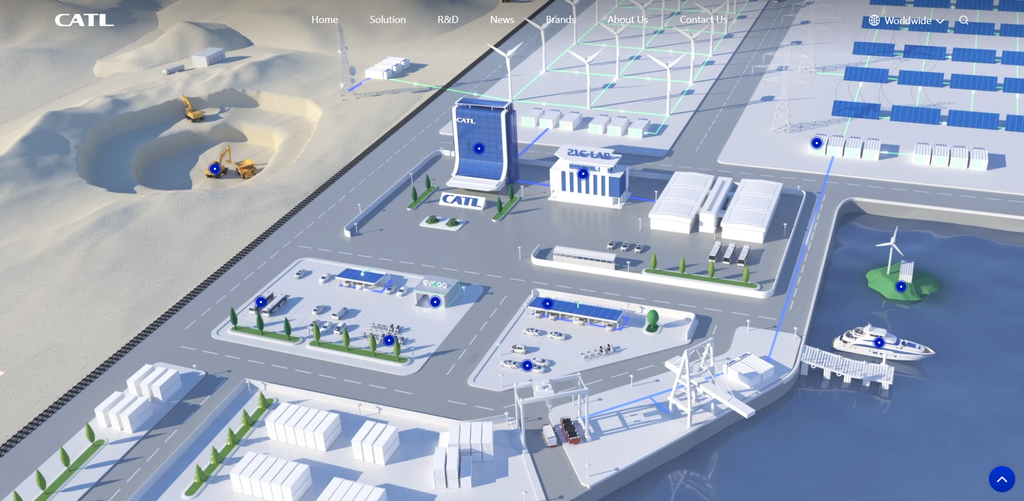
The TENER provides 6.25 MWh per container and the TENER Stack up to 9 MWh. CATL has over 3,000 energy-storage projects globally, and over 17 GWh installed in Australia, demonstrating a large grid-scale deployment.
It’s liquid-cooled, high-density systems support solar and wind integration, frequency regulation, peak shaving and grid stability. R&D is the core of its strategy. CATL has six global R&D centers, 24 battery factories and has spent nearly EUR 1.2 billion on sodium-ion battery research in the last decade
Potential for Future Expansion
- Global energy storage demand: The growth of stationary battery demand might be beneficial for CATL’s energy storage battery business.
- Increasing Production: Increasing production capacity worldwide can lead to greater supply capacity and international presence.
- Advanced Battery Chemistry: The development of sodium-ion, lithium-ion and other advanced battery technologies may also bring commercial opportunities.
- AI Infrastructure: CATL’s energy storage systems could benefit from surging electricity requirements of data centers.
- Battery Recycling: Enhancing recycling and material recovery activities can support resource efficiency and supply chain development.
Material Risks
- Market Competition: Competition from BYD, LG Energy Solution, Samsung SDI among other producers may weigh on margins.
- Volatility in Raw Material Prices: The prices of lithium, nickel, and other materials can affect production costs.
- Geopolitical Constraints: Export restrictions and barriers to markets may hinder growth in international markets.
- Technology Development: A company that fails to keep up with technology risks losing its long-term position in the market.
4. BYD Company Limited
BYD is a Chinese producer of cars, rechargeable batteries, electronics and renewable-energy systems. The company’s energy-storage business utilizes its self-developed Blade Battery LFP technology and consists of modular products such as MC Cube-T BESS and Haohan systems. MC Cube-T produces 5,010-6,437 kWh per unit, Haohan ranges from 7,284 kWh to 14,568 kWh per unit, supporting projects ranging from commercial to large utility scale.
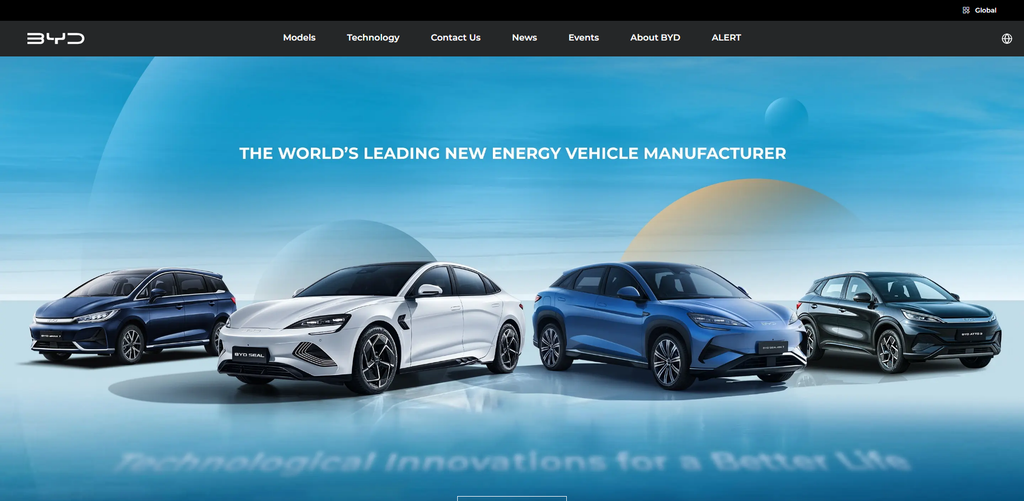
BYD’s vertically integrated cell-to-system model allows for cost control, quality assurance and rapid deployment. Its storage solutions allow to firm variable solar and wind output, provide peak shaving and deliver grid-support services. BYD says it invested CNY 63.4 billion in R&D to support advancements in battery chemistry, safety, system design and renewable-energy integration.
Opportunities for Future Growth
- Growth in Battery Storage: BYD’s energy storage business benefits from the increasing demand for utility-scale and commercial battery storage.
- Blade Battery Technology: Continued development of its battery technology can enhance safety, durability, and energy storage performance.
- Global Market Expansion: Expanding into new markets could drive demand for BYD’s integrated battery and energy solutions.
- Renewable Energy Integration: The expansion of solar and wind installations creates opportunities for battery storage products.
- Integrated Manufacturing: Integration of battery manufacturing, power electronics and energy storage systems can enhance product competitiveness.
Principal Risks
- Intense Competition in the Industry: CATL and other battery manufacturers are fierce competitors and may impact pricing and market share.
- Raw Material Cost: Fluctuations in lithium and other battery material prices may impact production costs.
- Global Trade Barriers: Tariffs, import restrictions and geopolitical tensions could affect global operations.
- Technology Risks: New technologies and changes in battery chemistry could threaten the competitiveness of existing products.
5. LG Energy Solution
South Korean battery maker LG Energy Solution is a major supplier of lithium-ion cells for electric vehicles and energy-storage systems. It produces ESS cells, modules, packs and integrated systems with growing production capacity in North America. The company said it plans to increase U.S. ESS capacity to about 70 GWh from more than 50 GWh by early next year, driven by strong demand from utilities and data-center customers.
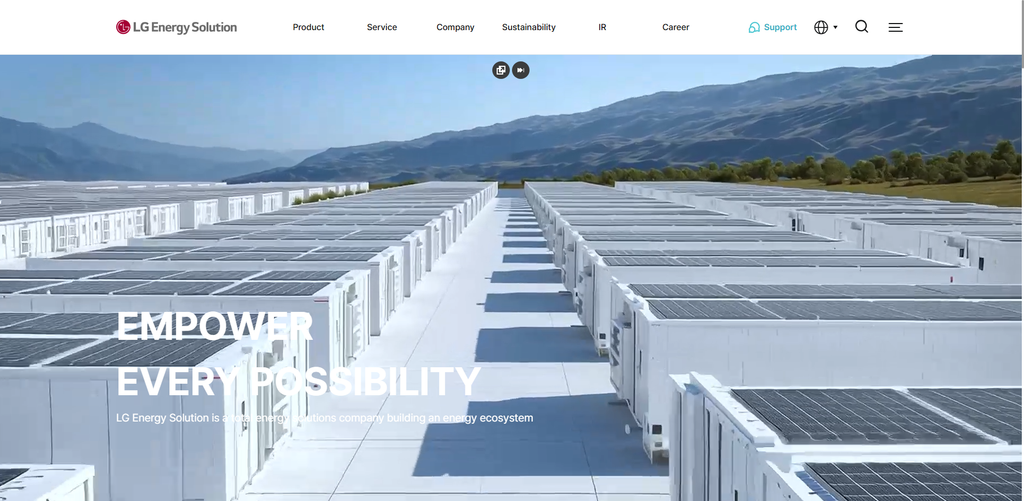
Its storage products provide renewable integration, grid stabilization, peak-load management and backup power. LG continues to invest in R&D to develop next-generation batteries, including high-energy-density and solid-state technologies, reporting KRW 435 billion in R&D spending in Q1 2026.
Prospects for Future Growth
- ESS Manufacturing Expansion: Increasing battery production for energy storage systems could allow LG to capitalize on growing demand for stationary storage.
- LFP Battery Development: Expanding our offerings of lithium iron phosphate batteries will enhance our competitive position in cost-sensitive storage markets.
- North American Expansion: Raising regional manufacturing capabilities can assist in meeting local demand for batteries and diversify the supply chain.
- AI Data Center Storage The increased electricity consumption of AI infrastructure creates opportunities for advanced energy storage technologies.
- New Market Applications: Expanding battery income streams can be achieved by venturing into robotics, electric vessels, and other emerging applications.
Principal Risks
- EV Market Slowdown: Weak demand for electric vehicles can impact manufacturing utilization and the overall battery business performance.
- Production Costs: Profitability may be squeezed by high production costs and the need to invest in factories.
- Battery safety: Thermal incidents, product defects or recalls can erode consumer confidence and increase financial liabilities.
- Global Competition: Chinese battery makers’ competition may put pressure on prices and reduce market share.
6. Samsung SDI (now LG Chem)
Samsung SDI is a South Korean manufacturer of batteries for the automotive, small battery and energy storage system markets. Its ESS products include the Samsung Battery Box (SBB) product family, including SBB 1.7 and the lithium iron phosphate (LFP)-based SBB 2.0, designed for higher energy density and utility-scale deployment.
The company aims at demanding markets like AI data centers and North American grid applications where storage provides capacity, resilience and renewable energy integration.
Samsung SDI’s systems can store generation from solar and wind, shift energy to peak periods and provide frequency-response services. R&D is a major strategic pillar and the R&D expense to revenue ratio will rise to 10.5% in 2025 and 10.8% in 2026 from 7.8% in 2024 to support next-generation battery development.
Growth opportunities ahead
- Stationary Energy Storage: Growing battery solutions for grid-scale and commercial storage can support business diversification.
- Advanced Battery Technology: Future battery chemistries will increase energy density, safety and performance.
- North American Market: Increasing manufacturing and customer partnerships will strengthen its position in international markets.
- Renewable Energy Projects: Increasing installations of solar and wind power may drive demand for stationary battery storage systems.
- Advanced Battery Products: Samsung SDI can utilize advanced battery products to cater to specialized applications in the energy storage and industrial sectors.
Major Risks
- Weakness in EV Industry: Reduced EV adoption could lead to lower battery demand and underutilized manufacturing capacity.
- Pressure on Profitability: High production costs and competitive pricing in the industry may put pressure on operating margins.
- Technology Competition: Fast innovation from CATL, BYD and other makers could be a threat to its competitive position.
- Capital Investment Risks: Heavy investments in manufacturing and research might not yield expected returns if there is a fall in market demand.
7. c
Sungrow is a Chinese renewable energy technology company focused on solar inverters, energy storage systems and grid-support solutions. Its main utility-scale platform is PowerTitan, which includes PowerTitan 2.0 with a 5 MWh, 20-foot liquid-cooled setup and PowerTitan 3.0 with 6.9–7.14 MWh per container. One PowerTitan 3.0 block of 4-hour duration can deliver 7.2 MW/28.5 MWh.
The platform supports project configurations of 2 to 8 hours. Sungrow’s DC-coupled solar-plus-storage designs reclaim clipped solar energy, firm up renewable output and provide energy time shifting and ancillary services. The company has strong in-house R&D capabilities in power electronics, electrochemistry and grid-forming technology and has multiple R&D centers and more than 15 GWh of ESS projects deployed in the Middle East and Africa.
Opportunities for Future Growth
- Utility-Scale Battery Storage: Growth in demand for large-scale storage systems could boost Sungrow’s energy storage business.
- Solar Plus Storage: Adding solar inverters and battery storage solutions could add to its renewable energy product portfolio.
- Expansion Into New Markets: Expansion into new renewable energy markets could help to increase global sales and project opportunities.
- Grid Modernization: Additional investments in electricity infrastructure can generate demand for advanced power conversion and storage technologies.
- Energy Management Solutions: Integrated monitoring and energy management technologies can improve client value and service opportunities.
Major Risks
- Intense Competition: You’ll likely see price pressure from established inverter and battery storage manufacturers.
- Supply of Raw Materials: Problems or price spikes in materials that go into batteries and electronic components may affect the manufacturing.
- Regulatory Barriers: Trade restrictions and evolving energy policies may pose barriers to entering some foreign markets.
- Technology and Safety: Battery performance issues, equipment malfunction or safety incidents could adversely affect reputation and customer relations
8. Wartsila
Wärtsilä is a Finnish technology group that provides solutions for the marine and energy markets with a focus on flexible power generation, decarbonization and grid modernization. Its energy storage business is based on GridSolv Quantum hardware and the GEMS Digital Energy Platform that controls, monitors and optimizes hybrid power plants.
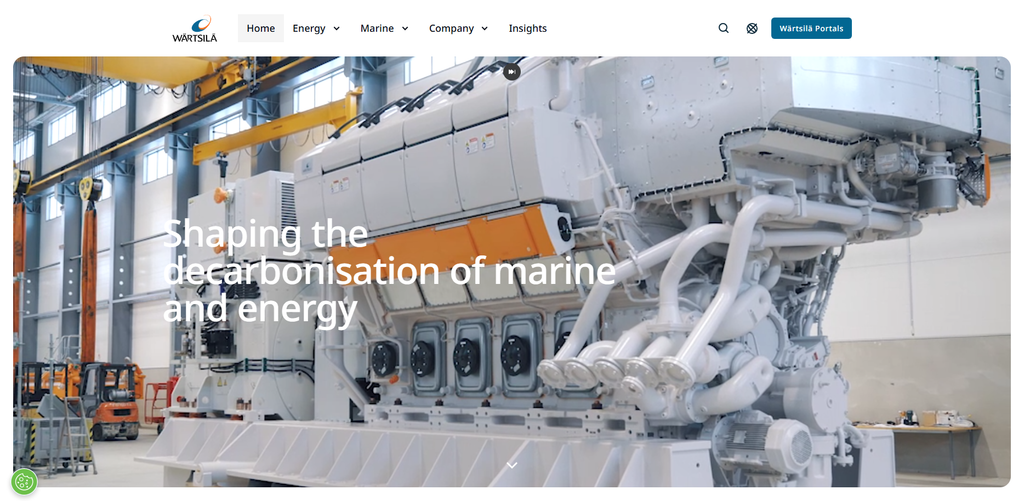
Wärtsilä has delivered systems including a 10 MW/26 MWh storage installation and a 40 MW/80 MWh DC-coupled solar-plus-storage project in Georgia, USA, linked to almost 200 MW of solar PV.
They provide firming of renewable energy capacity, frequency regulation, peak shaving, and black-start or grid resilience services. Wärtsilä is investing in digital energy management, power electronics, hybrid plant controls and decarbonization technologies to help utilities integrate higher shares of variable renewables.
Future Expansion Opportunities
- Grid Flexibility: Increasing need for flexibility in the grid can provide opportunities for Wärtsilä’s battery storage systems.
- Integration of Renewable Energy: Growing renewable electricity generation leads to increased demand for storage and grid balancing solutions.
- Energy Management Software: Improving digital optimization abilities can boost project performance and generate more service opportunities.
- Data Center Infrastructure: Growing electricity demands from data centers can generate demand for reliable energy storage systems.
- Lifecycle Services: Maintenance, upgrades, and long-term service contracts can be developed for ongoing business opportunities.
Major Risks
- Intense Competition in Market: Battery manufacturers entering system integration can drive pricing and profitability pressures.
- Uncertainty of regulations: Alterations in energy policies, tariffs and trade requirements can cause project delays.
- Raw Material Volatility: Lithium and battery component price fluctuations can impact project economics.
- Execution of the Project: Delays in the project, technical integration issues, and contract requirements can increase project costs.
9. Eos Energy Enterprises
Eos Energy Enterprises is a U.S. based company that specializes in long duration, zinc-based battery storage for utility, commercial and industrial customers. Its Znyth aqueous zinc battery technology is intended to circumvent lithium-ion supply-chain and fire-safety constraints, while delivering multi-hour storage.
Eos products are typically deployed as modular, containerized systems that can be scaled to the power and energy requirements of a specific project. They are well suited to store solar and wind generation for several hours to support evening peak demand, resilience and grid-services applications.
Eos is investing in increasing manufacturing scale, improving battery chemistry, automation and system integration to lower costs and improve performance. Its differentiation is based on domestic sourced long duration storage technology vs. conventional lithium ion batteries.
Opportunities for Future Growth
- Long Duration Energy Storage: Demand for long duration energy storage for electricity could create opportunities for Eos’s zinc-based battery technology.
- Domestic Manufacturing: Building up US manufacturing capacity could help meet domestic demand for energy storage and diversify supply chains.
- Utility Partnerships: Developing relationships with utilities and independent power producers can increase opportunities for large-scale projects.
- Commercial & Industrial Storage: Increasing demand for backup power and energy management can increase its commercial customer base.
- Technology Upgrades: Improving the production efficiency of Z3 batteries, system performance and production costs can increase market competitiveness.
Key Risk Factors
- Financial Viability: Ongoing operating losses and cash requirements may make it difficult to obtain financing.
- Scaling production: Increasing manufacturing capacity could lead to delays in customer deliveries.
- Market Competition: Lithium-ion battery systems might continue to be more commercially competitive in several storage applications.
- Technology Adoption: Slow customer adoption of zinc-based battery technology may limit sales growth.
10. Enphase Energy
Enphase Energy is a U.S.-based energy technology company that specializes in microinverters, home solar systems, home batteries and energy management software. Its IQ Battery products are modular home-storage systems that store solar generation for self-consumption, backup power, time-of-use bill savings and grid-services participation.
Enphase’s systems typically use small-capacity battery modules that homeowners can add incrementally, so they’re more suited to distributed rooftop solar than to utility-scale plants.
Its Enphase App and cloud-based energy-management platform orchestrates solar production, battery discharge, EV charging and grid interaction. The company invests in power electronics, battery management, software, cybersecurity and grid-edge intelligence, enabling more households to participate in renewable-energy integration and virtual power plants.
Possible Growth Opportunities
- Home Battery Storage: Growing demand for home backup power can drive sales of Enphase battery storage systems.
- Solar and Battery Integration: The integration of solar microinverters with battery solutions can strengthen its residential energy ecosystem.
- International Expansion: Penetrating more residential solar markets can broaden your customer base and revenue opportunities.
- Energy management software: Enhancements in home energy monitoring and management technologies can deliver more value to customers.
- Virtual Power Plants: Distributed energy and virtual power plant programs can create new opportunities for connected residential batteries.
Main Risks
- Solar Market Slowdown: Declining residential solar installations may suppress demand for integrated battery storage products.
- Government Incentive Changes: There may be a reduction in solar subsidies and battery incentives which will impact customer purchasing decisions.
- Stiff Competition: Competition from Tesla, SolarEdge and other residential energy storage providers can pinch margins.
- Interest Rate Sensitivity: Higher borrowing costs may discourage homeowners from buying solar and battery systems.
Conclusion
The battery storage industry represents a major investment opportunity as the world’s demand for renewable energy, grid-scale storage and reliable electricity continues to grow. The market is growing and is supported by technologies being developed by companies including Tesla, Fluence Energy, CATL, BYD, LG Energy Solution and Samsung SDI.
Further growth opportunities may arise from advances in lithium-ion batteries, long-duration storage and energy management systems. But investors need to carefully balance financial performance, manufacturing capacity, competition, raw material costs and technology risks.
By looking at these factors you will be able to find companies with a strong financial footing, some sort of competitive advantage and the ability to grow over time as the global energy storage market develops.
FAQ
What are the best battery storage investment companies in 2026?
Some leading battery storage investment companies include Tesla, Fluence Energy, CATL, BYD, LG Energy Solution, Samsung SDI, Sungrow, Wärtsilä, Eos Energy Enterprises, and Enphase Energy.
Is battery storage a good long-term investment?
Battery storage offers long-term growth potential because of increasing renewable energy adoption, electricity demand, grid modernization, and the expansion of residential and commercial energy storage markets.
Which companies specialize in grid-scale battery storage?
Fluence Energy, Tesla, CATL, BYD, Sungrow, and Wärtsilä are notable companies providing battery systems and solutions for utility-scale and large commercial energy storage applications.
What are the major risks of investing in battery storage companies?
Major risks include raw material price fluctuations, manufacturing costs, supply chain disruptions, intense competition, regulatory changes, technological advancements, and challenges in achieving consistent profitability.
Which battery technologies have the highest growth potential?
Lithium-ion, lithium iron phosphate (LFP), sodium-ion, solid-state, zinc-based, and flow battery technologies offer potential growth opportunities across different energy storage applications.