


Sleep has become a data-based aspect of modern wellness and is now more readily accessible with AI sensors and connected devices. Current wearables and smart beds that measure sleep stages, heart rates, and recovery are designed to enhance health and energy.
Here, we examine the Best Sleep Optimization Trackers to Pair with Smart Home Ecosystems. This feature will illustrate how rings, watches, and smart mattresses work with automation to design personalized, comfortable, and sleep-optimized systems nightly.
What Are Sleep Optimization Trackers?
Sleep optimization trackers are gadgets, smart or traditional, that help you manage you sleep using sensor data and AI. They track data like sleep stages, resting heart rate, HRV, and data from breathing, SpO₂, and body temperature.
Then you have smart wear like Oura RIng 4 and FitBit Charge 6 that assesses the metrics and gives you personalized insights and recovery scores.

Sleep trackers help you understand your sleep disturbances and help you lessen them and achieve optimal health. They do this by recommendations data integration and smart home interactivity.
10 Best Sleep Optimization Trackers + Smart Home Ecosystem Integration (2026)
| Sleep Tracker | Key Sleep Optimization Features |
|---|---|
| Oura Ring 4 | Advanced sleep staging, HRV, body temperature trends, recovery score |
| Apple Watch Series 10 | Sleep stages, respiration rate, vitals tracking, sleep schedule coaching |
| Fitbit Charge 6 | Sleep score, stress management, SpO2 tracking |
| Whoop 5.0 | Recovery-based sleep coaching, strain tracking, HRV optimization |
| Garmin Venu 3 | Advanced sleep tracking, nap detection, Body Battery energy monitoring |
| Withings Sleep Analyzer | Under-mattress sleep tracking, snoring detection, sleep apnea insights |
| Eight Sleep Pod 5 | AI temperature regulation, sleep phase-based cooling/heating |
| Sleep Number Climate360 | Dual-zone temperature control, sleep tracking, adjustable firmness |
| Google Nest Hub (2nd Gen) Sleep Sensing | Radar-based sleep tracking, movement + breathing detection |
| Samsung Galaxy Watch 7 | Sleep coaching, snoring detection, body composition + sleep link |
1. Oura Ring 4
The Oura Ring 4 is a sleep tracker that uses smart technology all in a ring design. There is no manual data input needed. It tracks heart rate and its variability, movement, and recovery like other trackers, as well as blood oxygen levels and body temperature.
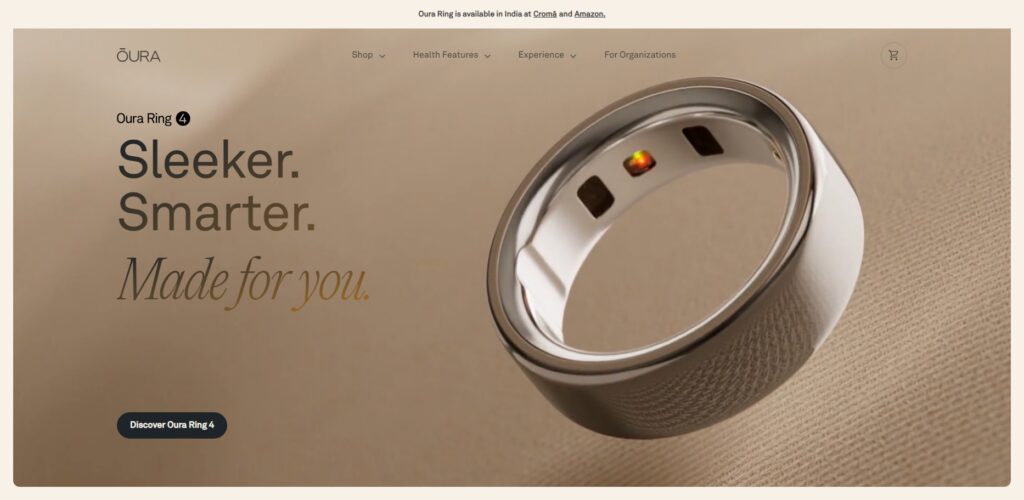
An app that syncs with the ring uses all of this data to generate a personalized sleep and recovery score and gives suggestions to help optimize your recovery. The Oura Ring is frequently praised in the Best Sleep Optimization Trackers to Pair with Smart Home Ecosystems for its ease of use and sleep optimization suggestions.
The ring monitors your biometrics while you sleep and employs artificial intelligence to analyze the data. It also connects to Apple Health, Google Health Connect, and Strava among other health apps and allows smart home devices to modify the lighting, temperature, or even remind you when it’s time for bed. There is a simple overnight wear and daily sleep report feature, and the rest is up to the user to follow the suggestions given to help improve sleep.
| Pros | Cons |
|---|---|
| Discreet design, comfortable to wear | Expensive compared to other trackers |
| Medical-grade sensors (HRV, SpO₂, temp) | Requires subscription for full insights |
| Seamless Apple Health + HomeKit integration | Limited display, relies on app |
Best For
Those who want a discreet sleep and recovery tracker embedded in jewelry. Think travelers, biohackers, and wellness professionals.
Pricing Category: Premium
Why We Recommend It
With sleep tracking, HRV, and body temp with advanced AI on readiness in a ring, the Oura 4 is a great option for users wanting seamless integration for sleep and wellness with all major health platforms. Its battery and body temp sensor are huge plusses.
2. Apple Watch Series 10
The Apple Watch Series 10 is one of the most advanced sleep trackers for Apple users. It tracks the same biometrics and sleep data as other trackers but integrates easily with the Apple Health app and other health apps. It even tracks your sleep breathing and temperature.
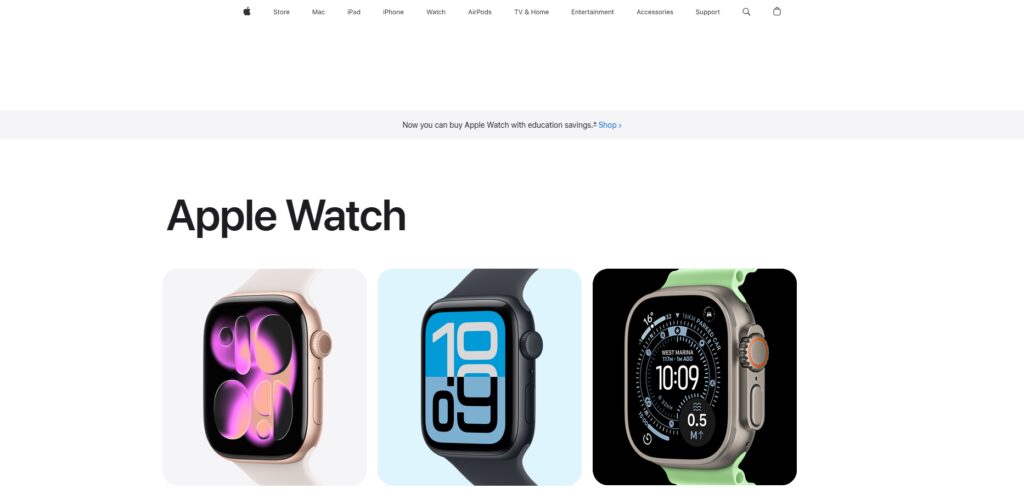
It can also help you build better sleep habits with a sleep schedule and reminders to help you wind down and take your medication to help you relax. It is one of the Best Sleep Optimization Trackers to Pair with Smart Home Ecosystems for a reason: it integrates best with Apple products.
After turning on Sleep Focus and Sleep Tracking options in the Health app, you can wear the watch overnight. The data would automatically sync on all Apple devices. This enables multiple HomeKit automations for your bedtime routine and can include dimmers for smart lights, smart thermostat adjustments, locking the doors, and white noise machines. Users can see daily reports to recognize patterns in sleep and make the necessary changes to better their sleep throughout the day.
| Pros | Cons |
|---|---|
| Advanced biosensors for sleep staging | Battery life shorter than rings/bands |
| Deep HomeKit integration for automation | Higher cost than most trackers |
| Rich ecosystem with iPhone/iPad sync | Bulky for some sleepers |
Best For:
For those in the Apple ecosystem who want a robust smart watch to oversee sleep, health, fitness, and all levels of smart home control.
Pricing Category: Premium
Why We Recommend It:
The Apple Watch Series 10 allows users to set and automate their bedtime routines with the integrated sleep tracking and Apple Health control along with sleep stage tracking and heart health.
3. Fitbit Charge 6
The Fitbit Charge 6 is a budget friendly option that offers full sleep tracking, in addition to all day tracking for various health metrics. Sleep monitoring includes total time spent in light sleep, deep sleep, and REM sleep, in addition to resting heart rate and nightly Blood Oxygen levels. This sleep data is combined nightly with stress levels and is used to calculate a Sleep Score.
Longer Fitbit Premium subscription based services are reported to offer proactive, personalized coaching based on the data, in addition to sleep profiles and wellness suggestions. Due to the robust sleep tracking features, the Charge 6 is consistently rated one of the Best Sleep Optimization Trackers to Pair with Smart Home Ecosystems for those using Android or products by Google.
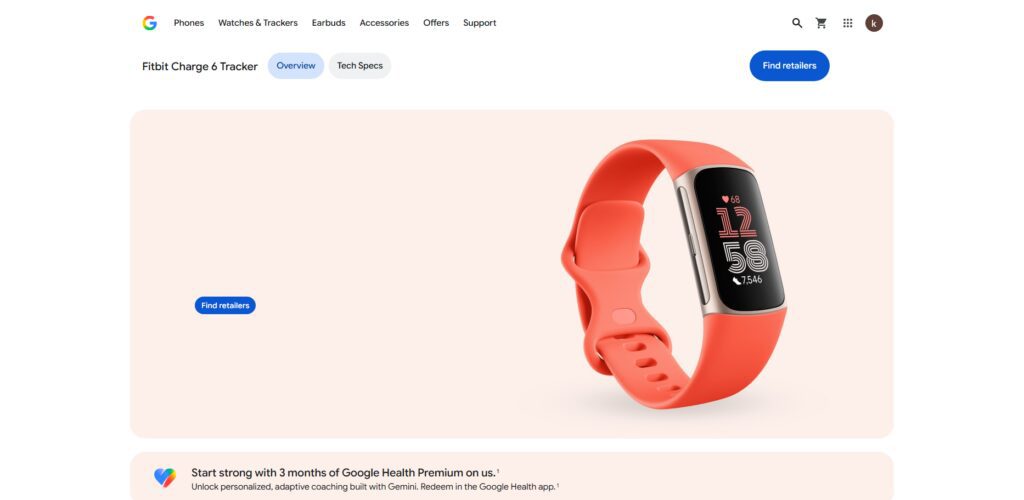
Regular Wear of the Charge 6 Sleep Tracker by the user enables the Fitbit app to analyze sleep and provide quality assessments each morning. This tracker integrates with Google Home, Google Fit, and Health Connect, which allows for automations to trigger bedtime reminders, smart lights, and morning routines. Reviewing sleep data is intended to improve sleep quality by reducing overall stress and optimizing the user’s bedtime.
| Pros | Cons |
|---|---|
| Affordable with strong sleep stage tracking | Less accurate than medical-grade devices |
| Google Home integration for routines | Subscription needed for advanced metrics |
| Lightweight and comfortable | Limited battery compared to rings |
Best For:
Those looking for an affordable option for sleep, fitness, and basic daily health tracking.
Pricing Category: Mid-Range
Why We Recommend It:
Stress management, daily Fitbit sleep scores, fitness tracking, heart rate, and Google clocks and timers all wrapped up in a stylish, simple band. Charge 6 is great for all fitness levels.
4. Whoop 5.0
Instead of apps that show notifications, the Whoop 5.0 emphasizes recovery, sleep, and athletic performance. The tracker takes continuous measurements of heart rate, HRV, respiratory rate, and blood strain, as well as skin temperature and blood oxygen, to calculate how much sleep your body truly needs.

Recovery scores are customized and encourage the user to adopt more optimal training and sleep habits. Because of this, Whoop’s product is considered one of the Best Sleep Optimization Trackers to Pair with Smart Home Ecosystems.
The device operates continuously and does not require you to manually log your sleep. Whoop app houses recovery reports that provide bed times, length of recovery, and daily strain limits. The data also integrates with Apple Health and Google Fit allowing smart home devices to set optimal sleep and recovery routines.
| Pros | Cons |
|---|---|
| Best for athletes, recovery-focused | Mandatory subscription |
| Tracks HRV, respiration, strain | No display, app-only insights |
| Smart home integration for recovery routines | Expensive long-term |
Best For:
Individuals who want training and health analytics that include sleep assessments.
Pricing Category: Premium
Why We Recommend It:
Garmin Venu 3 is excellent for users that want an all day, all week health and fitness smartwatch with great sleep analytics and health and fitness assessments and watch that’s stable for the long haul.
5. Garmin Venu 3
The Garmin Venu 3 provides advanced sleep tracking in addition to all day fitness and wellness tracking. Sleep stage assessments, HRV status, and stress, respiratory, and pulse oximetry assessments are also offered along with the Body Battery score.
Assessment of daily recovery is even improved through naps and sleep coaching. The Best Sleep Optimization Trackers to Pair with Smart Home Ecosystems typically feature Garmin, as they are ideal for users seeking to balance fitness and sleep improvements.
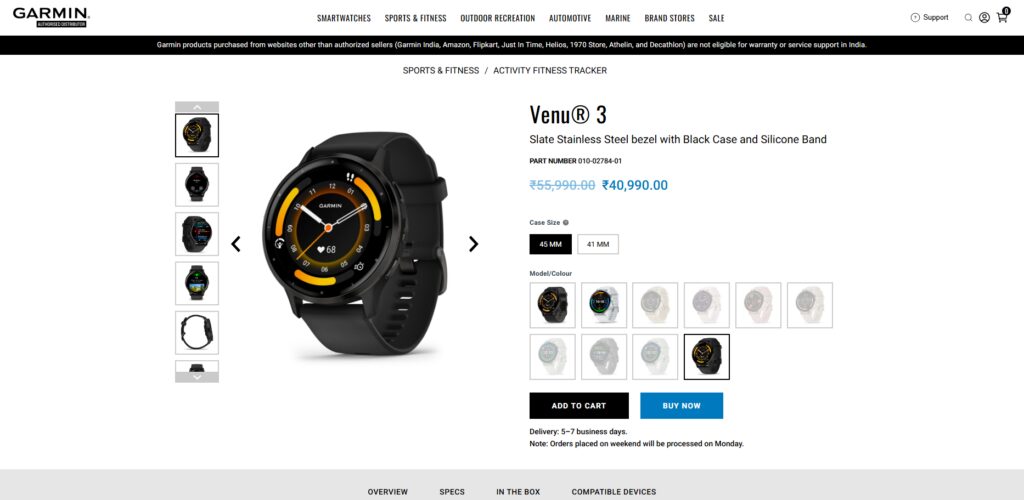
Users wear the smartwatch overnight and Garmin Connect analyzes sleep quality automatically. The next day’s report contains insights on energy levels and recovery status and provides recommendations for activities or rest. Although Garmin has fewer native smart home integrations compared to Apple or Google, users may employ supported automation services to create bedtime notifications and personalized wellness routines.
| Pros | Cons |
|---|---|
| Strong HRV, respiration, stress tracking | Bulkier than bands/rings |
| Smart thermostat integration | Higher price point |
| Excellent health analytics (Body Battery) | Less stylish for sleep wear |
Best For:
Those in search of sleep analysis alongside fitness tracking and health monitoring.
Pricing Category: Premium
Why We Recommend It:
Garmin Venu 3 is perfect for customers looking for a sleep analysis and fitness tracking watch that leaves enough battery life for days of continual use.
6. Withings Sleep Analyzer
The Withings Sleep Analyzer is a sleep tracking device that uses a mat that is placed under the user’s mattress and is non-wearable. This device detects sleep stages, heart rate, breathing interruptions, snoring, and even sleep apnea.
This device does not require the user to wear anything. The device generates daily reports that help identify sleep trends and what areas of the user’s lifestyle that may need to improve. Due to the Sleep Analyzer’s passive monitoring, it is one of the best sleep optimization trackers to pair with smart home systems.
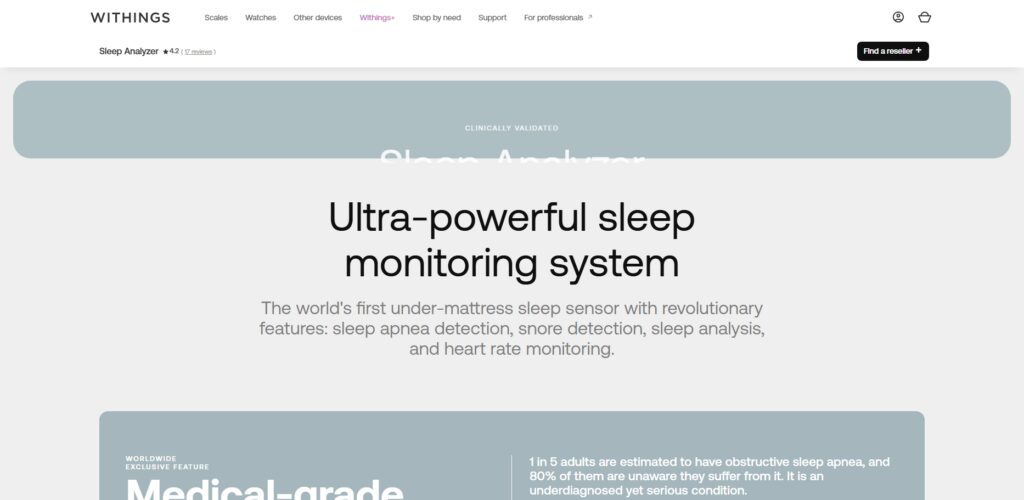
The Sleep Analyzer is very easy to set up and use. Withings has made it as easy as placing the device under the users mattress, then connecting the device to Wi-Fi. This device tracks sleep on a nightly basis and integrates with Apple and Google Health.
The Sleep Analyzer integrates with users smart home systems as well. Using the Sleep Analyzer users have the ability to fully automate the lighting, heating, and their bedtime routine based on the detailed sleep reports the device generates.
| Pros | Cons |
|---|---|
| Non-wearable under-mattress sensor | Limited portability |
| Medical-grade accuracy | Requires stable setup |
| IFTTT automation for lights/heating | No on-device display |
Best For
Those looking for a tracking system that won’t be worn.
Pricing Category: Mid-Range
Why We Recommend It:
Withings Sleep Analyzer passive monitoring system tracks sleep stages, heart rate, snoring, and breathing disturbances. It offers a very convenient solution for effortless sleep tracking.
7. Eight Sleep Pod 5
The Eight Sleep Pod 5 uses AI technology to control the temperature of your bed and is able to adjust temperature based on the data it collects on your heart rate, HRV, breathing rate, and body temperature. It also collects data on your sleep stages and sleep patterns to customize sleep coaching and further optimize your recovery. It is one of the Best Sleep Optimization Trackers to Pair with Smart Home Ecosystems for luxury smart bedrooms.
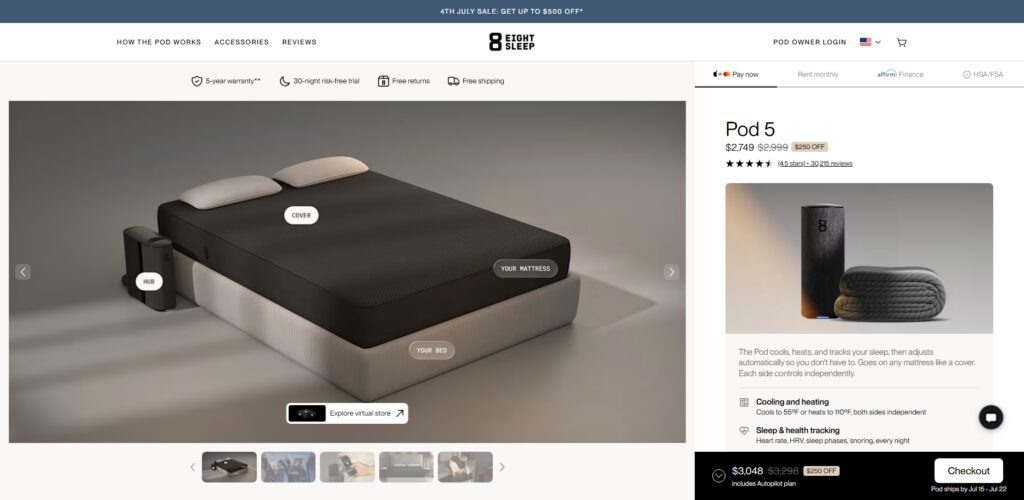
Users place the smart cover over their mattress and complete the initial setup via the Eight Sleep app and the system learns the user’s sleeping habits. The AI works on bed temperature control before, during, and after sleep and adjusts for optimal recovery while using smart home devices that are in its ecosystem. Users receive daily reports on their recovery, temperature control, and tips on improving their sleep.
| Pros | Cons |
|---|---|
| Dynamic thermal regulation | Very expensive |
| Smart mattress cover integrates with smart home | Requires mattress compatibility |
| Ideal for hot/cold sleepers | Limited portability |
Eight Sleep Pod 5
Best For:
Users who want luxurious sleep and rest recovery and the latest tech.
Pricing Category: Luxury
Why We Recommend It:
Eight Sleep Pod 5 balances sleep tracking with the comfort of heating and cool tech that helps sleep along the way.
8. Sleep Number Climate360
The Sleep Number Climate360 is another premium smart bed that combines automated sleep tracking, adjustable bed firmness, and personalized temperature control. Sleep Number has built in sensors that are able to detect movement, heart rate, breathing, and overall sleep quality.
Climate control and pressure relief are also features that help reduce interruptions to sleep. It is also one of the Best Sleep Optimization Trackers to Pair with Smart Home Ecosystems for high-end sleep.
After personalizing sleep preferences using the Sleep Number app, the bed adjusts its firmness and temperature throughout the night. Sleep reports track recovery and comfort progress. It even integrates with smart home systems for voice control and home automation. The system optimizes sleep quality by learning preferences over time.
| Pros | Cons |
|---|---|
| Smart bed adjusts firmness & temperature | Extremely high cost |
| Dual-zone climate control for couples | Requires full bed purchase |
| Smart home ecosystem integration | Not portable |
Best For
Multiple households wanting customizable comfort, adjustable firmness, and advanced smart bed technology.
Pricing Category: Luxury
Why We Recommend It:
The Sleep Number Climate360 uses sleep data to optimize bed temperature and firmness throughout the night. The dual-zone bed feature offers even more customization for couples.
9. Google Nest Hub (2nd Gen) Sleep Sensing
The Google Nest Hub (2nd Gen) Sleep Sensing takes sleep tracking to another level using radar-based motion sensing technology. This device does not require wearables. Rather, it tracks movement, breathing, and even coughing.
It provides sleep analysis for the night and even delivers reports daily via the Google Home app. The device offers a plethora of voice assistant features to streamline bedtime routines. This device is one of the Best Sleep Optimization Trackers to Pair with Smart Home Ecosystems for those who utilize Google Home.
The device is meant to be placed on the bedside table facing the bed. Simply enable Sleep Sensing and it will automatically begin sleep analysis every night without the use of a camera or wearables. The Google Home device can control lights, start relaxing sounds, adjust compatible devices to your bedtime and even set a morning routine, all based on your sleep schedule, including wake-up time.
| Pros | Cons |
|---|---|
| Contactless radar-based sleep tracking | Limited accuracy vs wearables |
| Google Home automation | No HRV or SpO₂ tracking |
| No need to wear a device | Privacy concerns for some users |
Best For:
Google Home users who want sleep tracking that doesn’t require them to put on a device and who want to control their smart home using their sleep data.
Pricing Category: Budget-Friendly
Why We Recommend It:
The Google Nest Hub (2nd Gen) Sleep Sensing uses radar to track sleep and breathing, and movement, and offers a smart way to automate your Google Home use for bed and morning rituals.
10. Samsung Galaxy Watch 7
Samsung Galaxy Watch 7 combines AI-powered sleep coaching with health and wellness monitoring for Android users. It captures data on blood oxygen level and heart rate, skin temperature, along with monitoring snoring and sleep patterns.

It integrates with Samsung Health, which helps users identify long-term trends in wellness. It is fully justified to include Samsung Galaxy Watch 7 in the Best Sleep Optimization Trackers to Pair with Smart Home Ecosystems due to its strong SmartThings support.
Users wear the Samsung Galaxy Watch 7 to sleep with Samsung Health Sleep Active. The app updates users daily on their sleep quality, progress, coaching recommendations, and personalized daily sleep goals. SmartThings automation allows various compatible home appliances to be used to create a sleep-friendly environment, thus improving the overall quality of nightly routines.
| Pros | Cons |
|---|---|
| Advanced sleep tracking with HRV, SpO₂ | Bulkier than rings |
| Native SmartThings integration | Battery life shorter than rings |
| Strong ecosystem with Samsung devices | Premium pricing |
Best For:
Galaxy and other Android users who want an advanced sleep and fitness companion with AI sleep coaching.
Pricing Category: Premium
Why We Recommend It
The Samsung Galaxy Watch 7 offers sleep coaching, snoring detection, and advanced sleep and fitness tracking, while integrating easily with Samsung Health and SmartThings. This is yet another great option for someone building their smart home and advanced accessories inside the Android realm.
Why Pair Sleep Trackers with Smart Home Ecosystems?
Environmental Control
Sleep trackers integrated into a smart home system can automate changes to light, temperature, shades, and sound based on an individual’s sleep routine. This helps achieve a sleep environment that requires no manual effort and helps an individual fall and stay asleep.
Enhanced Sleep Tracking
Sleep trackers send smart home devices sleep stage information, heart rate data, recovery information, and routines for optimal sleep. Because of this, smart home systems can better customize routines for sleep.
Sleep Tracker Recommendations
A pattern recognition tracker can suggest changes to sleep behaviors. When paired with a smart home system, it can suggest a better recovery time and sleep behavior by changing the smart home environment to a more optimal sleep temperature.
Multi-Device Interconnectivity
Smart home systems such as Apple HomeKit, Google Home, and Samsung SmartThings make sleep trackers interconnect with multiple devices. Wearables, lighting, sound, and temperature control integrate to work toward a better sleep system.
Gradual Wake-Up
Sleep trackers paired with smart home devices can avoid jarring alarm sounds. Instead, an individual can be gradually awakened by a simulated sunrise, a fully automatic morning routine, and an optimal wake-up time based on the individual’s sleep data.
Energy Efficiency and Comfort Optimization
The integration of smart home technology means that heating, cooling and lighting systems can be switched on and off as needed. Sleep data is used to help reduce energy consumption while ensuring the most comfort during the night.
Long-Term Health and Recovery Improvement
The consistent tracking and use of smart home technology mean that better sleeping habits can be developed and maintained. When people are able to achieve better sleeping cycles, this brings positive changes to physical and mental health and increases overall energy levels and well-being.
Key Features to Look for in Sleep Optimization Trackers
Sleep Stage Tracking
An effective sleep tracker should be able to accurately assess light, deep, and REM sleep stages. Understanding this will help determine how well your body is recovering. It can also assist in finding sleep disruptions that affect your health and energy throughout the day.
Health Sensors
Devices should include sensors for heart rate, HRV, SpO₂, breathing, and temperature. These indicators can give an extensive overview of recovery status and how healthy your sleep is
Sleep Coach
Sleep trackers are starting to use AI to assess your sleep and give recommendations. This can range from crawling into bed at a certain time to improving your recovery, stress, and daily habits in order to enhance the quality of sleep you are getting.
Smart Home Support
The best trackers are capable of interacting with systems such as Apple HomeKit, Google Home, Alexa, or Samsung Smart Things. This will allow sleep data to determine the optimal settings for lighting, temperature, and sound.
Design and Comfort
Sleep trackers come in many forms from rings to bands to mattress sensors. Regardless of the form, trackers should be designed with comfort in mind so that they can be worn/used overnight without causing sleep disturbances.
Battery Life
Sleep tracking requires daily use and nightly monitoring. Reliable performance and long battery life are necessary to ensure tracking is not interrupted.
Detailed App Insights & Reports
An effective app for tracking sleep scores, trends, and insights should have a simple interface for users to understand their scores, track their sleep data over time, and provide suggestions for improving sleep.
Future of Sleep Optimization Technology
AI-Based Predictive Sleep Coaching
The main focus of future sleep tech will be prediction rather than tracking. AI will analyze continuous sleep, stress, and lifestyle patterns, predicting nights of poor sleep ahead of time. It will then offer suggestions to improve sleep such as going to bed earlier, reducing screen time, or making changes to your environment.
Completely Automated Smart Bedrooms
Smart home tech will expand to fully automate sleep environments. A bed, light, temperature and sound systems, and even air quality will work together, syncing and adjusting for sleep stages. A “self-optimizing bedroom” will evolve and adapt, needing no input from the user.
Breakthroughs in Non-Invasive Health Technology
The future will see tech that eliminates or greatly reduces the need for wearables. Employing the use of radar, smart mattresses, and ambient IoT devices, sleep, heart, breath, and stress monitoring will be contactless. Sleep monitoring will be more comfortable and suitable for long term use.
Health System Integration
There will be direct integration of sleep tech to health systems, and doctors will have access to this information. Sleep trackers will be useful for detecting sleep apnea, and identifying chronic stress and cardiovascular issues, allowing for preventative health care.
Custom Sleep Environments
Sleep tech will be designed with customer lifestyles and mental health in mind. AI will be able to select the right temperature, color of light, sound, and even the firmness of a mattress to align with what an individual needs for a complete recovery.
Cross-Platform Smart Ecosystem Expansion
The standardization of systems like Matter will guarantee seamless interoperability of sleep tracking systems across Apple, Google, Amazon and Samsung; eliminating the potential of incompatibility and providing the user with the ability to control all smart home sleep devices within a single, coherent system.
Emotion and Stress-Aware Sleep Systems
Future sleep systems will be able to recognize the emotional states of users through emotional biomarkers and be able to initiate gradual calming such as: warm persisting light; soft gentle guidance; or relaxing temperature. These improvements will help the sleep systems and their biometric sensors help ease the transition into sleep and the overall quality of sleep.
Conclusion
Sleep optimization technology is developing quickly. Trackers that used to only log steps and sleep, have integrated technologies that are connected to an entire smart health ecosystem. Devices like the Oura Ring 4, Apple Watch Series 10, and Samsung Galaxy Watch 7 not only record and analyze sleep, but provide users with insights based on AI to help them improve their health and build energy and productivity over time.
Newer devices, like the Withings Sleep Analyzer and the Eight Sleep Pod 5, are also providing more passive, contact-free monitoring and automated sleep systems. These devices showcase the integration and smart home automation of sleep systems, where the devices are able to control rooms through smart home technology.
The combination of smart home technology and sleep tracking devices is creating tailored and efficient sleep systems. Because of the newer advancements in AI and the ability for cross-platform devices, sleep systems are heading toward smart bedrooms that provide sleep recovery each night with no effort from the user.
FAQ
What are sleep optimization trackers?
Sleep optimization trackers are wearable or non-wearable devices that monitor sleep stages, heart rate, HRV, breathing, and body temperature. They analyze this data to improve sleep quality and recovery using AI-based insights and personalized recommendations.
Which is the best overall sleep tracker for accuracy?
Devices like Oura Ring 4 and Whoop 5.0 are considered among the most accurate because they focus heavily on HRV, recovery, and continuous biometric monitoring with advanced AI sleep analysis.
Which sleep tracker is best for smart home integration?
Apple Watch Series 10 works best for Apple HomeKit users, Samsung Galaxy Watch 7 for SmartThings ecosystems, and Google Nest Hub (2nd Gen) Sleep Sensing for Google Home automation.
Are non-wearable sleep trackers effective?
Yes, devices like Withings Sleep Analyzer and Google Nest Hub (2nd Gen) Sleep Sensing provide accurate passive sleep tracking using sensors and radar technology without requiring you to wear anything.
What is the most advanced smart bed system for sleep optimization?
Eight Sleep Pod 5 and Sleep Number Climate360 are among the most advanced smart beds, offering temperature control, sleep tracking, and personalized comfort adjustments.