


As zkVM coprocessors become more useful for verifiable off-chain computation, developers are looking beyond RISC Zero to find platforms that better suit their workloads and technical requirements. In this article, I will compare the factors that really matter between the Best RISC Zero Alternatives for zkVM Coprocessors, including proving performance, architecture, developer compatibility, blockchain integration, deployment options, security, and production maturity. The goal is to help developers understand how these alternatives compare and what platforms are worth considering for specific use cases.
What Is RISC Zero?
RISC Zero is an open-source zero-knowledge virtual machine (zkVM) that allows developers to run programs and produce cryptographic proofs that the computation was done correctly. It is built on the RISC-V instruction set, supports general purpose workloads and enables verifiable computation without requiring others to re-run the entire program.
It can be used in blockchain applications, privacy-preserving systems, AI verification, and zkVM co-processors. Developers are able to embed proven computation into applications where the outcome must be independently verified without exposing the underlying computation.
Why Look for RISC Zero Alternatives?
Proving Performance: Developers may seek alternatives if their workloads require faster proof generation, higher throughput, lower latency, or better hardware efficiency for large-scale zkVM coprocessor applications.

Different Architectures: Other zkVMs use different execution and proving architectures, giving developers the ability to evaluate systems that may better suit specific computational requirements, workloads or application designs.
Developer Compatibility: Support for programming languages, SDKs, libraries, tooling, and compatibility with existing code can influence platform selection, especially for teams that wish to more easily integrate with their current development environments.
Coprocessor capabilities. Different platforms offer different mechanisms for off-chain computation, proof generation, recursion, aggregation, and verification. Alternatives are relevant for specialized blockchain coprocessor workloads.
Blockchain Integration Developers may consider options based on smart-contract verification, EVM compatibility, blockchains supported, cost of verification, and ease of integration of generated proofs with on-chain apps.
Infrastructure and costs: Hardware requirements, GPU requirements, cloud infrastructure, prover networks, verification costs and deployment options can make a big difference in the total operating cost of zkVM applications.
Security and maturity: Teams can consider the security research, audits, open-source availability, ecosystem growth, production deployments, implementation maturity, and other factors to judge whether various zkVM options are suitable for production use.
Key Point
1. SP1 (Short)
Platform / Core Technology Succinct’s SP1 is a general purpose zkVM based on the RISC-V instruction set. It lets developers write applications in Rust and generate zero-knowledge proofs without manually designing circuits.
The system is optimized for high performance proving, ethereum integration and verifiable off-chain computation. It is well suited for zk co-processors, cross-chain bridges, AI verification, and complex data processing workloads.

Unlike RISC Zero, SP1 is geared toward a performance-oriented architecture and integration with the larger Succinct proving ecosystem. The developer experience is good, as Rust is the main language.
Based on public zkVM comparisons, the zkVM supports parallelizable proving and GPU enabled proving. You can deploy it on local provers, cloud infrastructure, or proof generation networks.
Major Use Cases
- Contracts Offloads heavy computation from blockchains with provable proofs.
- Validates state transitions and asset transfers across chains.
- Produces proofs that AI inference was done correctly.
- Demonstrates off-chain computations for lending, liquidation and portfolio analysis.
- Cryptographic proof of externally computed data.
Main Limitations
- A more recent ecosystem compared to established platforms.
- Generating proofs can be resource intensive.
- Knowledge of Rust is generally required.
- Advanced optimization usually requires deep zk expertise.
2. OpenVmware
Platform / Core Technology: OpenVM is a modular RISC-V zkVM built for extensibility and customization. Its architecture allows developers to add specialized functionality and to optimize proving systems for particular applications. The platform is aimed at teams building advanced zk infrastructure and custom verifiable-computing environments. The main development language is rust.

RISC Zero’s environment is more standardized while OpenVM is designed for flexibility and modularity. It supports customizable execution environments and parallelizable proving .
It can be used as a zk co-processor to support specialized cryptographic workloads and application-specific computations. Deployment models include custom proving services, blockchain infrastructure, and enterprise verification systems.
Major Use Cases
- zk coprocessor custom design.
- Special applications for cryptography.
- Corporate verification system
- Research and experimental zk infrastructure
- Modular proof environments for blockchain projects
Key Limitations
- Smaller ecosystem than top zkVMs.
- Requires extensive customization.
- No extensive production experience.
- Steeper learning curve for advanced configs.
3. Nexus zkVM
Platform / Core Technology: Nexus zkVM is a Rust-based RISC-V zero-knowledge VM focused on transparency, security, and prover optimization. The project is entirely open source, using cryptographic building blocks specified in the open. It is designed to support verifiable computation and to adhere to strong principles of openness.
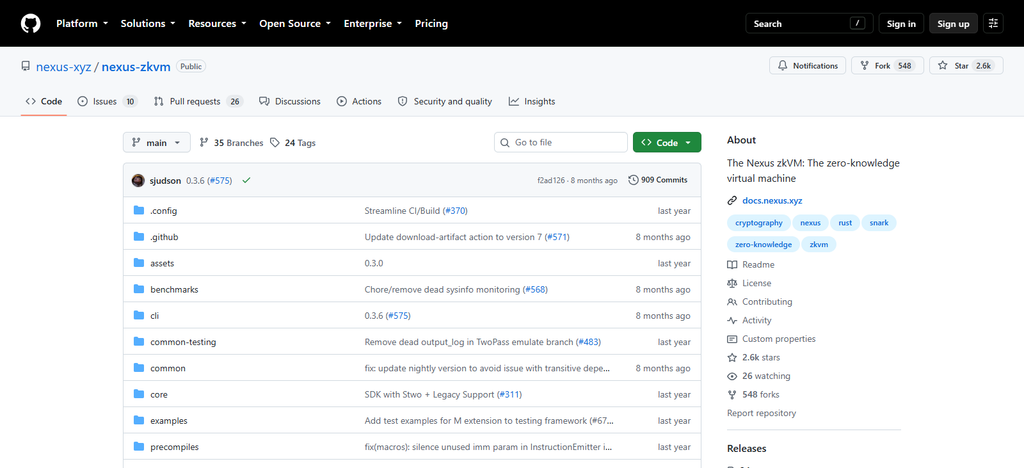
Differentiation & Deployment: Nexus is differentiated from RISC Zero in emphasizing open-science development and open documentation of cryptography. It supports parallelizable proving. It is Rust friendly.
It can verify large computation workloads. Application logic as a zk coprocessor. The platform is called experimental and is not suggested for production deployment at this time, in open project documentation.
Major Use Cases
- Open source zk computing research.
- Performance-oriented proof generation.
- Academic cryptography projects .
- Compute infrastructure, verifiable.
- Experimental development of zk coprocessor.
Key Limitations
- Experimental.
- Project documentation not suitable for production.
- Smaller ecosystem vs RISC Zero.
- Less mature integration.
4. Shock
Platform / Core Technology: Jolt is a RISC-V zkVM that focuses on efficient proof generation and a simplified architecture. Developers write applications in Rust and the framework takes care of proof creation automatically. The project is about reducing complexity and lowering barriers to zk development.

Differentiation & Deployment Jolt diverges from RISC Zero with its focus on simplicity and streamlined proving. It is a zk coprocessor for blockchain verification, decentralized applications and off-chain compute workloads.
Rust compatibility means developers are able to be easily onboarded. “It is a platform that appeals to teams seeking a lighter-weight zkVM architecture for research and emerging production environments.
Major Use Cases
- Lightweight zk apps.
- Verification of blockchain computation.
- Research & Development Projects
- Provable execution based on rust.
- Educational implementations of zkVM.
Key Limitations
- Lower maturity of ecosystems.
- Less production deployments.
- Low adoption by businesses
- Smaller developer community
- Cairo VM, StarkWare
5. Cairo VM (StarkWare)
Cairo VM is a proof-oriented execution environment based on Cairo language rather than RISC-V. It was developed by StarkWare. It is intended for STARK-proof generation and forms the basis of several scalable zk systems. Cairo cares about efficient proofs and big computations.
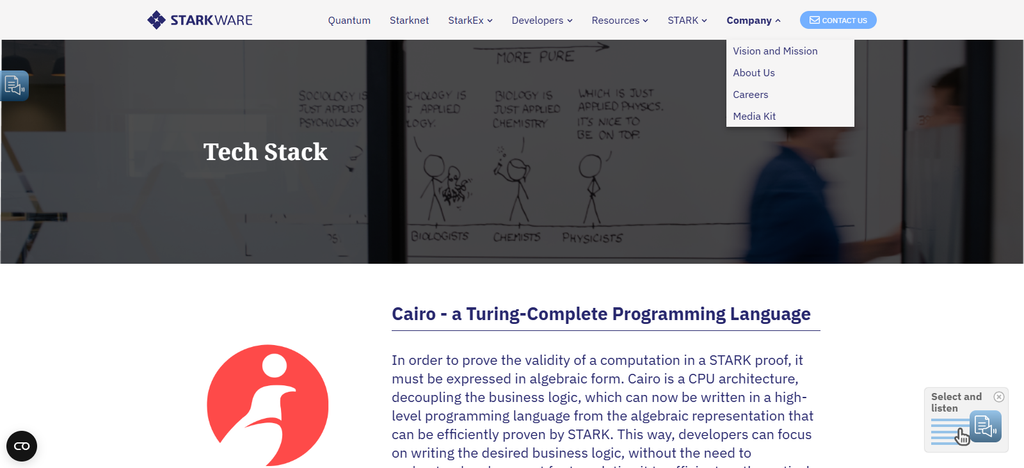
The key difference to RISC Zero is the dedicated Cairo programming language. Developers have to learn Cairo, rather than the Rust-based RISC-V workflows.
Cairo is a good match for a zk coprocessor for large computation verification and scalable blockchain infrastructure. It is frequently used within STARK-based rollups and advanced verification networks.
Major Use Cases
- STARK rollups.
- Massive blockchain infrastructure.
- Privacy preserving applications
- Proof systems that scale.
- Advanced studies regarding cryptography.
Major Limitations
- Must learn Cairo’s language.
- Not directly compatible with RISC-V workflow.
- Migration from traditional software can be hard.
- Fully equipped development environment.
6. zkWASM
Platform / Core Tech: zkWASM is a zkVM for proving execution of WebAssembly. WASM can be used to run applications written in languages such as Rust, C, and C++. This allows existing software ecosystems to be verifiable with little redesign.
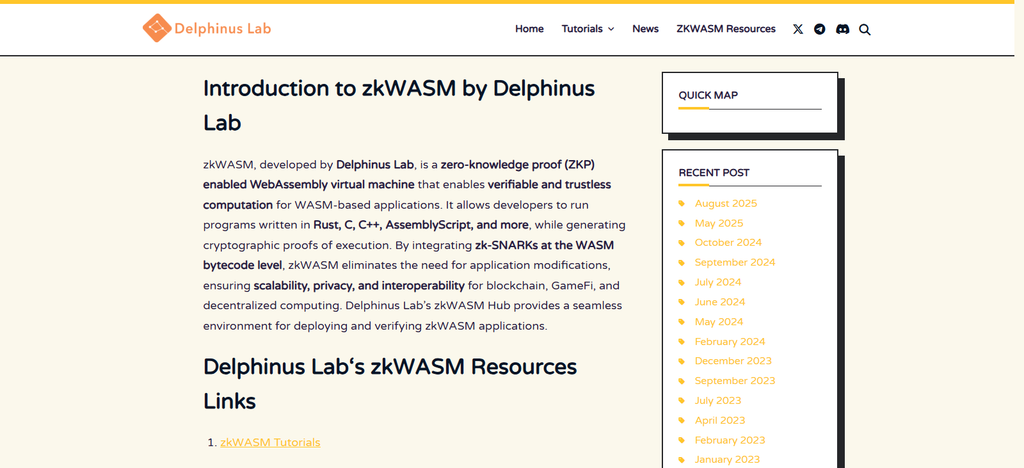
zkWASM is WebAssembly-compatible. RISC Zero is RISC-V-based. This makes it easier for organizations already using WASM infrastructure to migrate.
It supports arbitrary computation verification, gaming applications, blockchain systems and enterprise workloads as a zk coprocessor. Parallelizable proving support makes the approach scalable to larger computational problems.
Major Use Cases
- WASM application checking.
- Blockchain-based games.
- zk apps in browser.
- Proof generation for enterprise software.
- Cross-Platform Verifiable Computation
Key Limitations
- Depends on the wasm ecosystem.
- Optimization of WASM may be needed.
- Smaller ecosystem than platforms focused on Ethereum.
- Some workloads might not be suitable for execution using WASM.
7. Polygon zkEVM
Platform / Core Tech: Polygon zkEVM is a zero-knowledge execution environment for Ethereum that provides scalable blockchain processing. Its main objective is to deliver EVM equivalence without sacrificing zk-proof security and efficiency. Dev’s continue to use solidity and normal Ethereum tools.
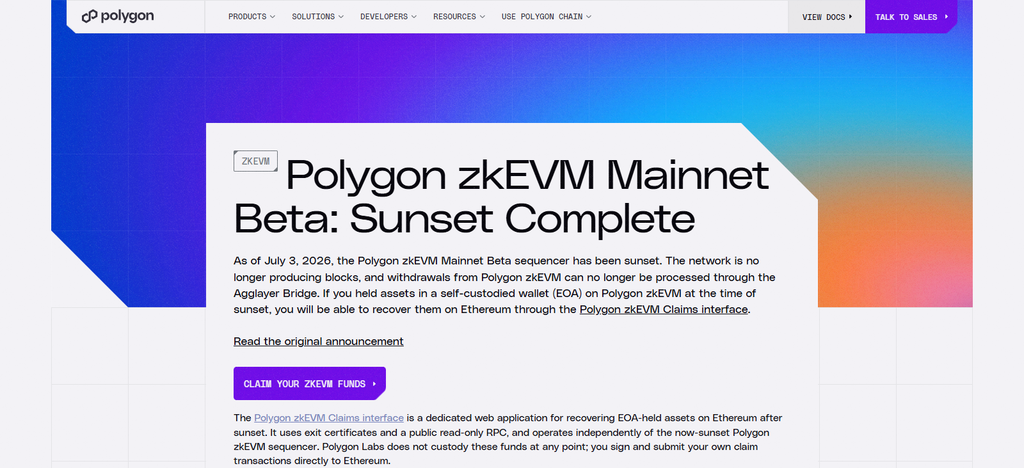
Where Polygon zkEVM is more about Ethereum compatibility instead of arbitrary RISC-V computation that RISC Zero is about. It’s not a general purpose zk coprocessor, it’s a transaction verification layer. It is mostly used in Layer-2 networks, DeFi protcols and Ethereum-native apps where there is little need to migrate contracts.
Major Use Cases
- Layer-2 Scaling on Ethereum.
- dApps in DeFi.
- NFT marketplaces.
- Smart agreements are EVM compatible.
- Enterprise blockchain deployments
Key Limitations
- EVM workload oriented.
- Less flexible for arbitrary computation.
- Reliance on Ethereum.
- It is not mainly a general-purpose zk coprocessor.
8. ZK Stack (zkSync)
Platform / Core Technology: zkSync is an infrastructure framework used to build zk-powered chains and application-specific blockchain ecosystems, and is based on the ZK Stack. It provides scalable execution and proof generation, while maintaining Ethereum interoperability.
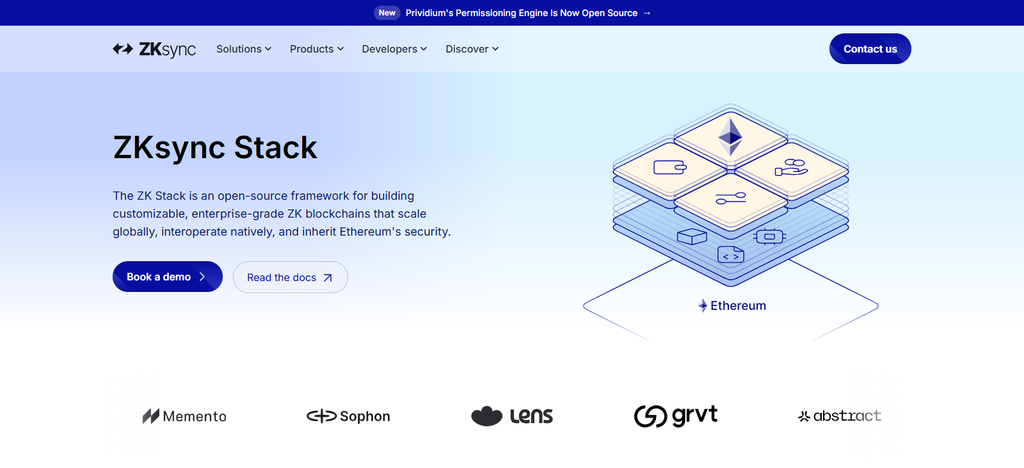
ZK Stack is very different from RISC Zero in that ZK Stack is built for chain infrastructure, not for arbitrary independent computation. Ethereum devs are attracted by Solidity compatibility, while deployment targets include Layer-2s, app chains and interlinked blockchain networks. The framework is designed for projects seeking an integrated chain building environment.
Major Use Cases
- App chains development.
- Layer-2 deployment.
- Interoperability across chains.
- Enterprise Blockchain Ecosystems
- High performance transaction processing.
Key Limitations
- Chain focused, not compute focused.
- Great for Ethereum ecosystems.
- More infrastructure complexity than isolated zkVMs
- Less suitable for generic off-chain computation.
9. VM Miden
Platform / Core Technology: Miden VM is a zk-native virtual machine built on the Polygon ecosystem. It is built on Miden Assembly and works for Rust and WebAssembly-centric development workflows. The architecture is designed for efficient proof generation and zk-oriented execution environments.
Miden has its own execution model and assembly language, while RISC Zero uses the RISC-V architecture. It includes tailored precompiles and comparisons for zkVM ecosystems in terms of GPU capabilities. As a zk coprocessor, it aims at scalable application execution and blockchain verification. Deployment is usually for zk-native apps and future infrastructure of the Polygon ecosystem.
Major Use Cases
- zk-native apps.
- Projects of the Polygon ecosystem.
- Efficient generation of proofs.
- Custom runtime environments.
- Blockchain applications that focus on privacy.
Key Limitations
- Employs dedicated architecture.
- Developer community is smaller
- Tooling is less mature.
- Less adoption than Ethereum-based solutions.
10. PowdrVM
Platform / Core Tech: PowdrVM is an open-source zkVM for flexible construction of proving systems and customizable execution logic. It supports RISC-V and assembly-based workflows, and provides tools to build specialized verification environments. The platform stresses developer control and flexibility of proof-systems.
PowdrVM is more flexible for teams building custom proving architectures than RISC Zero. It allows parallelizable proving and custom execution configurations. It is a zk co-processor that can power application specific verification services, research systems and advanced cryptographic workloads. Deployments are generally targeted at developers who want more control over proving infrastructure than traditional zkVM solutions provide them.
Key Use Cases
- Prover Construction.
- infrastructure for zk research.
- Specialized cryptographic workloads.
- Application specific validation services
- zk coprocessors modularized systems .
Key Constraints
- Requires higher level crypto skills.
- More sophisticated than turnkey zkVMs
- Limited mainstream uptake.
- Less ecosystem and tooling support.
Conclusion
RISC Zero remains an interesting choice for verifiable computation, but developers looking at zkVM coprocessors have a number of alternatives, with differing architectures, proof techniques, development environments, and deployment models. Platforms like SP1, Nexus, Jolt, OpenVM and other emerging systems can handle specific requirements around proving performance, recursion, blockchain verification or infrastructure flexibility.
The right one depends on the workload, programming requirements, proof-generation requirements, verification environment, security maturity, and operating costs. Teams should test representative workloads and compare current implementations before deployment, rather than relying only on published benchmarks. This helps you locate the best RISC Zero alternative for your use case.
FAQ
What is RISC Zero?
RISC Zero is an open-source zero-knowledge virtual machine (zkVM) based on RISC-V. It allows developers to execute programs and generate cryptographic proofs that verify the correctness of those computations.
What are RISC Zero alternatives?
RISC Zero alternatives are other zkVMs and verifiable-computation platforms that can provide similar capabilities, including program execution, proof generation, and verification for blockchain and off-chain computation.
What is a zkVM coprocessor?
A zkVM coprocessor performs computationally intensive tasks outside the blockchain and generates a cryptographic proof of the results. The application or smart contract can then verify the proof without repeating the computation.
Why do developers consider RISC Zero alternatives?
Developers may evaluate alternatives because of differences in proving performance, architecture, programming-language support, recursion, blockchain integration, infrastructure requirements, costs, and production maturity.
Is RISC Zero compatible with RISC-V?
Yes. RISC Zero uses a RISC-V-based execution environment, allowing programs designed for the supported RISC-V environment to be executed and proven within its zkVM.